If someone keeps showing up where you are, or knows your routes and timing a little too well, it’s not paranoia to wonder whether your car is being tracked.
In South Africa, tracking is common for recovery and insurance, with brands like Cartrack, Netstar, Tracker, Matrix, Beame, SafeTag, and connected‑car platforms such as Spinac, but things are not right if a device is fitted without your consent.
This guide helps you confirm what’s on your car safely, understand the legal basics under POPIA, and decide what to do next without tearing the interior apart.
Related: Hijacking still a major problem in SA, says Tracker
Start here: the 30‑second check most South Africans skip
Before you crawl under the car, read your insurance schedule and finance agreement. If a tracking brand is listed, phone them with your registration or VIN and ask whether there’s an active device, whether it’s hard‑wired or OBD‑based, whose account it’s on and roughly where it sits. A legitimate contract should be tied to you or your employer, and the answers should make sense. If they don’t, keep reading.
The subtle signs you shouldn’t ignore
Someone who isn’t on your location-sharing list keeps mentioning where you’ve been or the route you took. They arrive “by coincidence” too often. Cars offer clues, too. A chunky dongle under the steering wheel you didn’t install (although this might be a bit obvious), a boxy “charger” (this too), or an unfamiliar black unit under a seat or in the boot (now we're talking!) is a reason to look closer. In South Africa, it’s also common to find a tracker fitted by a dealer, insurer, bank or previous owner that nobody mentioned. If your paperwork names a provider you never signed with, assume there’s hardware on the car and verify it.

Your 10‑minute inspection
First, look under the steering wheel, in the footwell, for the small diagnostic socket. If a black dongle is plugged in and you don’t know why, make a note to ask about it. Next, with a torch, carefully look under the car along the inside edges of the front and rear bumpers and the metal frame near the back. You’re looking for a clean little black box stuck on with magnets or cable ties. Then, check inside the car. Feel under both front seats, lift the rear seat base (if it’s designed to pop up), and open the spare‑wheel well and side pockets in the boot. A hidden unit often looks like a small black box with extra wires taped into the car’s wiring. Avoid panels marked “airbag”.
Related: Can I track my partner's car if I suspect they're cheating?
If you find a device, stop, and take photos first
Treat it as potential evidence. Photograph it in place from several angles, then, if it’s safe, remove it gently and record its labels, serial numbers, and SIM numbers. If it carries a company name, ask who the account holder is and when the account was activated.
If a partner, ex or another person may be involved, speak to the South African Police Service (SAPS) or a lawyer about harassment and POPIA. A reputable tracking provider or an auto‑electrician can remove the hardware completely and confirm that nothing else is hidden deeper in the wiring.
Related: Top alternatives to SA's most-stolen vehicles
What you might actually find on a South African car
Once you’ve done the checks, you’ll typically encounter one of three devices that use GPS and the cellular network to transmit location:
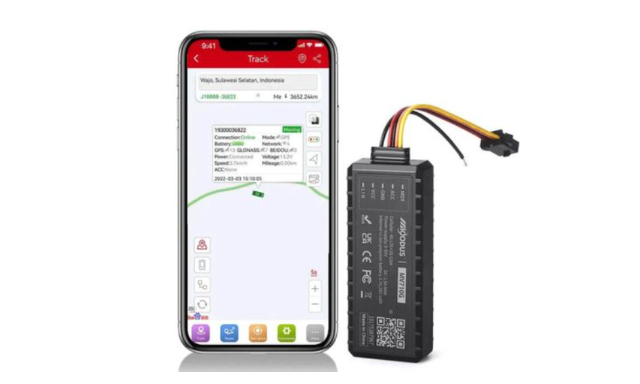
1. Hard‑wired units are small black boxes tied into the car’s power and ignition, often behind the dash, under the bonnet near the battery or behind boot trim, and are common for insurance‑approved recovery and driver‑behaviour features.
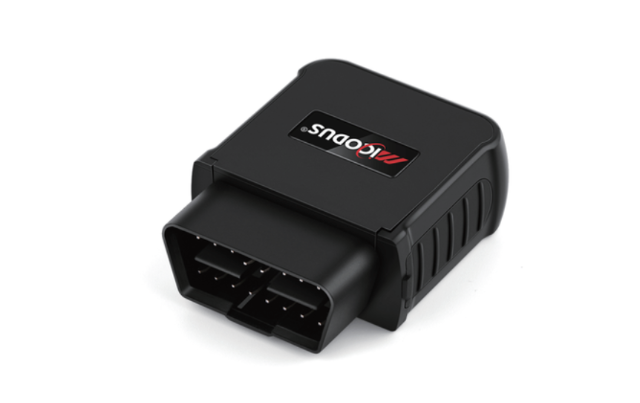
2. OBD‑II plug‑ins are the chunky dongles that live in the diagnostic port under the dash, popular for connected‑car products, smaller fleets and some usage‑based insurance.
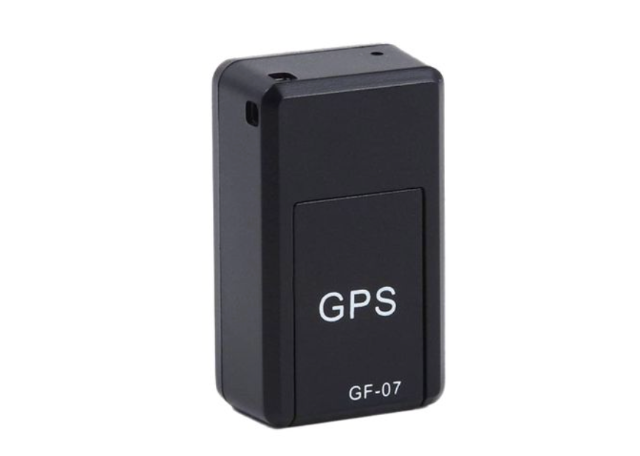
3. Portable or magnetic trackers are self‑powered units with strong magnets, marketed locally for assets, taxis, and vehicles, and can be hidden on private cars by anyone with bad intentions.
Legal basics in plain English
Tracking technology itself isn’t illegal in South Africa. Tracking a person without consent or a lawful reason can breach POPIA and slip into harassment or stalking. Disclosed tracking for insurance, finance or company fleet management is standard; secret tracking to follow someone’s movements is not. If you suspect the latter, get legal advice.
When to call a professional
You don’t need to be an auto‑electrician. If the paperwork check is murky, your visual inspection raises questions, or you’ve found hardware you can’t identify, book an inspection. Established tracking companies and auto‑electrical specialists in South Africa know the usual hiding spots and insurer or bank specifications, and can remove panels without damage. The fee is worth the peace of mind.
Related: Top tips to prevent getting hijacked
FAQs
Is secret car tracking illegal in South Africa?
The technology isn’t illegal, but tracking a person without consent or a lawful reason can breach POPIA and amount to harassment or stalking.
Where do hard‑wired units usually sit?
Behind the dashboard, under the bonnet near the battery or behind the boot trim, with wiring integrated into factory looms.
Where are portable or magnetic trackers placed?
Often along the inside of bumpers, chassis rails, cross‑members or around the fuel tank.
Where is the OBD‑II port?
Typically under the steering wheel or behind a small plastic flap near your knees.
Who should remove an unknown tracker?
A reputable tracking provider or an auto‑electrician who can also check for additional hidden units.
Short answer
To tell if your car has a hidden GPS tracker in South Africa, confirm any listed tracking provider in your insurance or finance documents, inspect the OBD‑II port for an unfamiliar dongle, scan the underbody and wheel wells for magnetic boxes, and check under seats, behind boot trim and the spare‑wheel well for hard‑wired units. Photograph anything unknown, record serial numbers and SIM numbers, and have a professional remove or verify as needed.