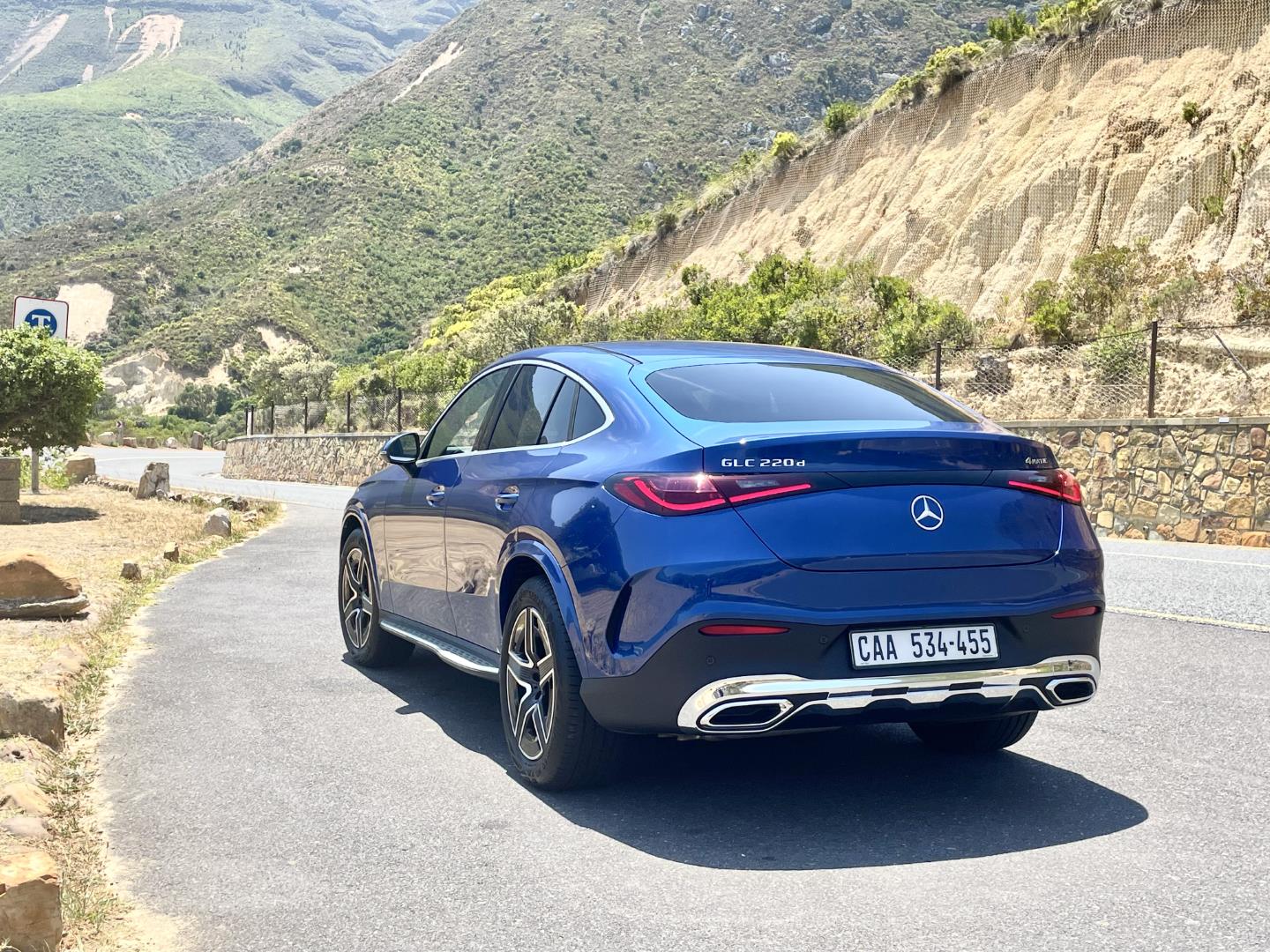
When it comes to number plates in South Africa, there are specific rules and regulations that every driver must adhere to. Understanding these rules is crucial to ensuring compliance with the law so you don't land up in hot water.
Here are five essential number plate rules that every South African driver should know:
1. Your number plate has to be displayed in a certain way

Number plate sizes
- 520mm x 113mm – must be embossed with 75mm (height) alphanumerics.
- 250mm x 205mm – must be embossed with 75mm (height) alphanumerics.
- 250mm x 165mm – must be embossed with 60mm (height) alphanumerics.
Please note that 440mm x 120mm (75mm alphanumeric) number plates may not be used on vehicles registered for the first time on or after January 1, 2010.
Can you keep the car's license plate when you sell it?
Font and design
- Only the GE font, specifically designed for the South African number plate industry, may be used for number plates.
- Number plates must have the correct background according to the province’s requirements.
- Personalised number plates must not contain vulgar language or symbols like $, @. Complaints about offensive personalised plates can be submitted to the local metro police. (Good luck!) Fancy a laugh? Check out the Doucheplates of South Africa Facebook page, here.

Attachment of number plates
- Number plates must be attached to the vehicle using 4mm rivets or one-way self-tapping screws.
- Plates can be attached directly to the vehicle or to a holding bracket that complies with SANS 973 and is approved by the National Department of Transport
- Front number plates can be attached to the side of the front bumper if the vehicle design does not allow for a number plate in the centre.
- Number plates for motor vehicles and SUVs may not be affixed higher than 1.5 metres above ground level.
- Motorists may use two different size number plates on a vehicle if necessary, if their vehicle's rear number plate aperture cannot accommodate a 520mm x 113mm or a 250mm x 205mm number plate.
- The 250mm x 165mm number plate may then be used with the approval of the appropriate provincial MEC. However, the National Road Traffic Act makes no mention of using this size number plate on the front of a vehicle.
"The intention is thus clear: 60mm alphanumerics cannot be used in the front and the user doesn't have the option to obtain permission," SANA, the South African Number Plate Association, said in a statement. Rather confusing, isn't it? We suggest consulting LAZA, the License Plate Association of South Africa.
2. You should only get a licence plate from a registered supplier
When obtaining a licence plate in South Africa, it is essential to ensure that the supplier is registered and approved by the South African Bureau of Standards (SABS). The licence plate must bear a certification mark and an SABS sticker placed underneath the provincial logo of an embossed plate.3. You should have a number plate in front and another one at the rear
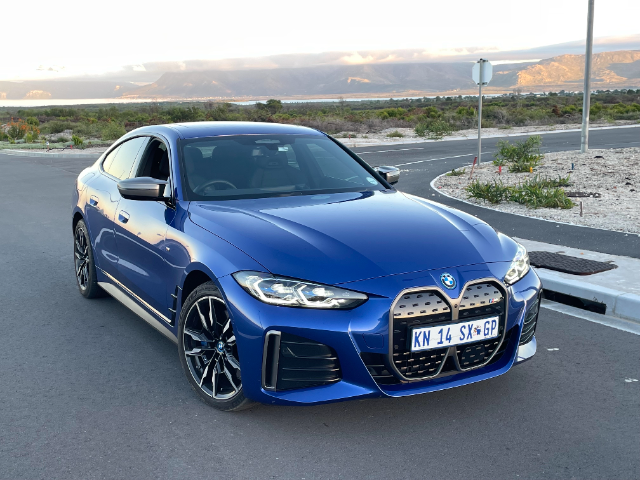
4. It should be clear and highly visible to other road users

5. You need a number plate sticker when crossing the South African border
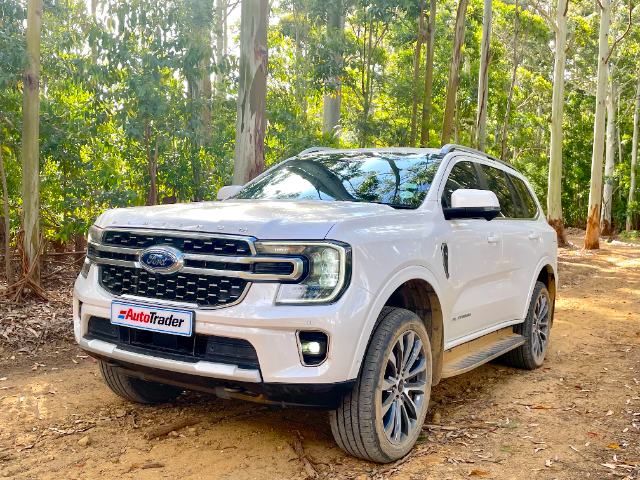
Cloning of number plates in South Africa
Sadly, when a car is involved in a crime, it often has a stolen or cloned number plate. According to Zurika Louw, CEO of SANA, no action is taken against manufacturers of illegal plates either.
While our passports and bank cards boast numerous security features such as watermarks and holographic validation labels, our number plates have none, making them easy to copy.
For this reason, SA should look into the introduction of national number plates and greater regulation around the manufacturing and embossing of local plates, and the good news is that Kedibone Diale-Tlabela, the Gauteng MEC for Transport and Logistics, has "officially initiated the registration process for manufacturers of vehicle number plates," which will include microdot technology. Read more here:
Gauteng set for introduction of new number plates