Between potholes that could swallow a car whole, load-shedding that turns traffic lights into expensive decorations, and the ever-present safety concerns, being prepared isn't just smart. It's essential. Here's what your car's emergency kit should contain, and what you should always have in your car so you're always prepared for the worst.
1. Essential car emergency kit basics

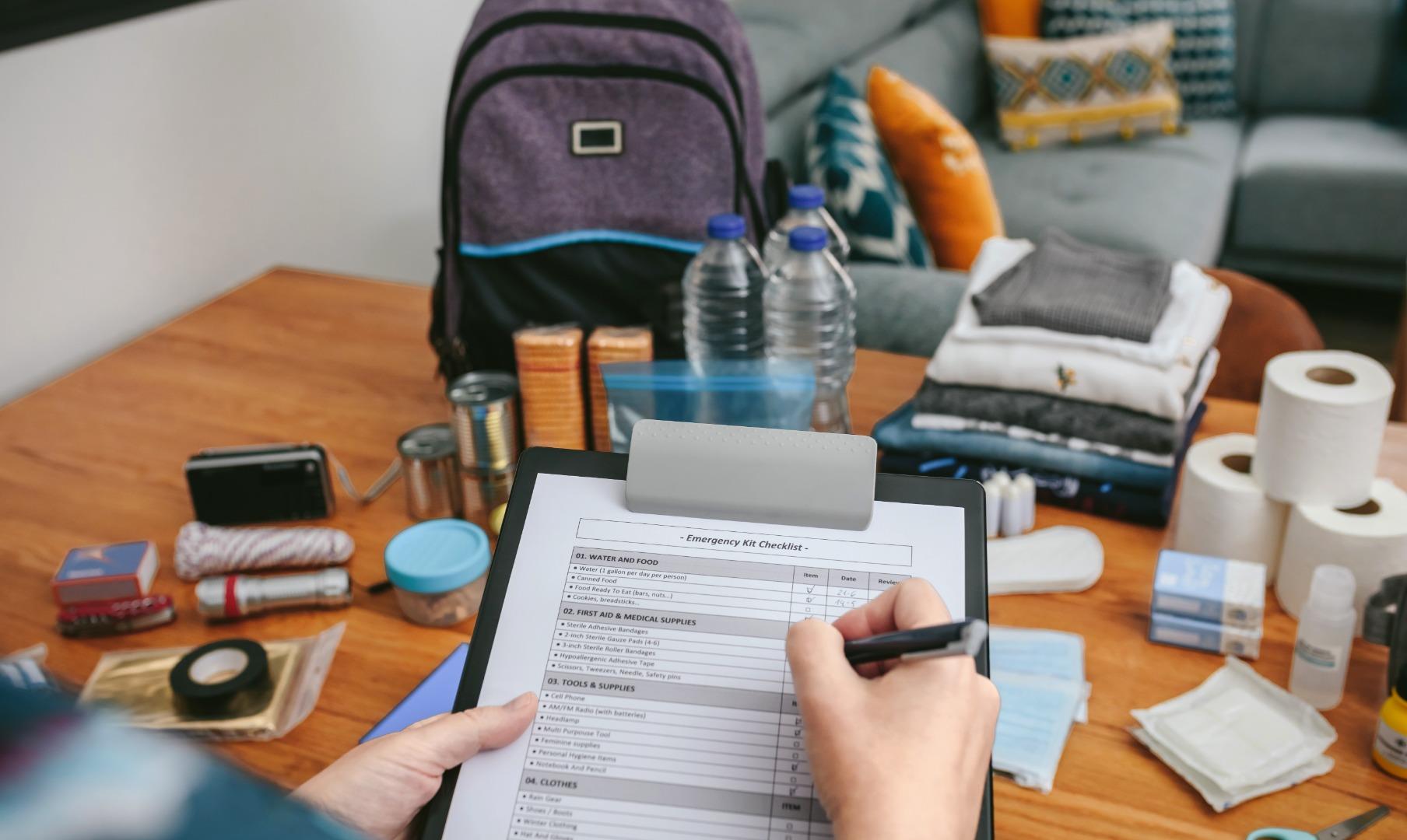
Before we dive into the South African-specific survival gear, let's cover the foundation. Your basic emergency kit. Think of this as your automotive Swiss Army knife. A proper emergency kit should include:
- Jumper cables,
- Spare tyre in good condition,
- Jack and lug wrench,
- Reflective triangles
- Basic tools (screwdriver set, adjustable wrench, pliers), duct tape, cable ties, and work gloves.
- Tyre pressure gauge,
- Spare fuses,
- Reflective vest for roadside visibility,
- A first aid kit with plasters, gauze, scissors, disinfectant, tweezers, medical tape, latex gloves, and a pocket mask.
But let's expand this foundation with practical additions:
- non-perishable snacks like energy bars or biltong,
- wet wipes and tissues/toilet paper
- feminine hygiene products,
- a small towel,
- a rain poncho,
- plastic bags for multiple uses.
Related: 10 Holiday road-trip tips to keep you safe.
Be-safe.co.za has a motorist-specific first-aid kit. Click here.
Safequip's first-aid kit (intended for the workplace but also suitable for your car) also contains all the right stuff. Price on request. Click here.
2. Water bottles

In a country where temperatures can soar and breakdowns happen in the middle of nowhere, water is survival, and will keep you hydrated if you're stuck waiting for help. It's also handy for overheating radiators, cleaning wounds, or washing your hands after changing a tyre. Pro tip: Rotate your water stock regularly. You want fresh water, not a science experiment growing in old bottles.
Related: DIY car maintenance tips every SA driver should know
3. A torch (or two) with extra batteries

Load-shedding has taught us that darkness can strike any moment, and Murphy's Law dictates that car trouble will happen in the dark. A reliable torch (or two) with spare batteries is crucial. LED torches are your best bet. They're bright, long-lasting, and won't leave you in the dark when trying to read your spare tyre's sidewall or signal for help. Consider a torch with a red emergency setting for maximum visibility.
Related: Tips for driving in the rain or bad weather
4. A backup phone and charger

Hijackings and smash-and-grabs often target smartphones, leaving victims stranded without communication. Keep a basic cellphone, fully charged and hidden in your car with a charger. Load it with emergency contacts and enough airtime for several calls. It doesn't need to send WhatsApp messages or take Instagram-worthy photos. It just needs to make calls when your primary phone goes missing.
Related: Top tips on hijack prevention
5. An emergency blanket

Those space-age emergency blankets might look like they belong in a sci-fi movie, but they're convenient. They're compact and lightweight and can provide warmth if you're stuck overnight, reflect heat in summer, provide privacy when changing clothes after an incident, or serve as a ground cover. They cost nothing but could make a massive difference in an emergency.
Related: Top 5 hatchbacks under R300k for women
6. Dummy wallet and decoy valuables

Here's a street-smart tip that many South African women swear by. Keep a dummy wallet with expired cards, small cash, and maybe even a cheap ring that looks valuable. If you're ever in a situation where you need to hand over valuables quickly, you can give up the decoy while keeping your real wallet, cards, and jewellery hidden elsewhere. It's a psychological trick that can buy precious time and protect your valuables.
Related: Top 5 budget-friendly cars for women in 2025
7. Personal protection: know your options

This is where things get complicated, and everyone's comfort level differs. Carrying protection might be an option if you have a firearm licence and are thoroughly trained in firearm safety and South African self-defence laws. However, this decision requires serious consideration of your training level, storage requirements, and legal responsibilities. If you're not 100% confident in your ability to safely and legally use a firearm, it becomes more dangerous than helpful. Alternative options include pepper spray (legal for self-defence, but ensure it's the type where the mist doesn't get blown back into your face; a stream of pepper spray is preferable!), personal alarms, etc. Whatever you choose, make sure you're trained and comfortable using it.
Top 10 car features that women love
8. Personal medications

Keep a small supply of prescription medications you need daily, plus basic over-the-counter remedies. Include pain relievers, anti-diarrhoea medication, antihistamines, and any chronic medication you depend on. Store them in a small, clearly labelled container and rotate the stock regularly. Being stuck without essential medication can turn a minor inconvenience into a medical emergency.
Related: Top 5 hatchbacks under R300k for women
9. Spare glasses, sunscreen, and a hat

If you wear prescription glasses, keep an old pair in your car. Getting stranded with broken glasses is like trying to solve a puzzle blindfolded. Add quality sunscreen (SPF 30 or higher) and a wide-brimmed hat to protect against South Africa's harsh UV rays, especially if you're stuck roadside for extended periods.
If you want to be extra prepared, an additional set of clothing and/or a warm jacket in winter may also be useful.
Related: How does the Kia Sonet compare to the Suzuki Fronx
10. Car tracking and premium roadside assistance

Quality car tracking services don't just help recover stolen vehicles. They often include emergency buttons, two-way communication, and rapid response services, and they can detect accidents automatically to dispatch help immediately. These services have evolved into comprehensive roadside assistance that understands South African security concerns.
The best services will dispatch security personnel to your location first, followed by the breakdown specialist. This means you're not standing alone on the roadside while waiting for help. Premium packages often include emergency accommodation, rental cars, and even trauma counselling if needed. The monthly fee might seem steep, but it's significantly cheaper than replacing a stolen car or dealing with the aftermath of a hijacking without support.