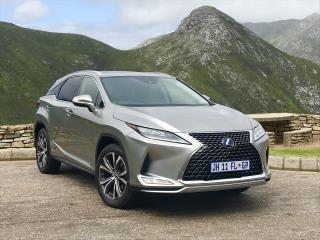
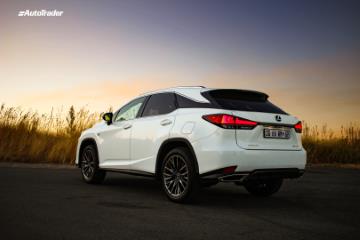
Which Lexus RX is better: petrol or hybrid?
The Lexus brand along with its parent company Toyota, are on an accelerated electrification onslaught at the moment, however, the Lexus RX is one of the original models from the Japanese brand to offer hybrid power locally. We compare and subsequently decide which Lexus RX model is better, one of the naturally aspirated petrol models or the flagship hybrid.


In 1998 Lexus introduced the RX, a luxury SUV that is one of a few products that helped establish one of the most popular vehicle segments in the current automotive world. The second generation was released in 2003, ushering in hybrid power for the Lexus brand with the RX 400h model in 2004.
The third generation was then released in 2008, underpinned by the Toyota K platform which is also the platform used for the current fourth-generation model being used for our comparison. Today we ascertain which is better, the range-topping hybrid model or one of the V6 petrol models.
|
|
Lexus RX 350 EX |
Lexus RX 350L EX |
Lexus RX 350 F-Sport |
Lexus RX 450h SE |
|
Engine |
3.5-litre, 6-cylinder, petrol |
3.5-litre, 6-cylinder, petrol |
3.5-litre, 6-cylinder, petrol |
3.5-litre, 6-cylinder, petrol-electric hybrid |
|
Power/Torque |
221kW/ 370Nm |
216kW/ 358Nm |
221kW/ 370Nm |
230kW/ 335Nm (+139Nm electric) |
|
Transmission Type |
8-speed automatic |
8-speed automatic |
8-speed automatic |
CVT |
|
Driven wheels |
All |
All |
All |
All |
|
Fuel Consumption |
9.6 L/100 km |
10.2 L/100 km |
9.6 L/100 km |
5.7 L/100km |
|
Price |
R1 095 700 |
R1 177 100 |
R1 225 800 |
R1 424 500 |
Four models, two powertrains
All models within the current local RX line-up feature a 3.5-litre naturally aspirated V6 engine in different states of tune, with the hybrid model being paired with an electric motor.
The petrol models
Both the ‘standard’ wheelbase EX and F-Sport RX 350 models within the range feature the brand’s 2GR-FKS naturally aspirated V6 engine that produces 221kW and 370Nm of torque, allowing for a claimed fuel consumption figure of 9.6 L/100km and a 0-100km/h time of 8.0 seconds.
The same engine powers the longer-wheelbase 350L model, however, the engine has been detuned for this application, producing 216kW and 358Nm of torque. The added weight, longer and taller body equates to a higher claimed fuel consumption figure of 10.2L/100km while Lexus has not provided a claimed 0-100km/h sprint time. All three petrol models feature an all-wheel drive system as well as an 8-speed torque converter automatic gearbox sourced from Aisin.

The hybrid
The lone hybrid within the range also gets a naturally aspirated V6 engine but in 400h guise, this unit is paired with an electric motor for a combined power output of 230kW and a combined torque figure of 474Nm. The 400h, despite being over 100kg heavier than the standard RX 350 models, performs better, with a 0-100km/h time of 7.7 seconds and a claimed fuel consumption figure of 5.7 L/100km. The hybrid variant is also paired with a CVT gearbox, further differentiating it from the 350 models.

Analysis
Looking at the figures, the petrol-powered models within the RX range offer similar fuel consumption and performance while the hybrid beats the petrol-only models in acceleration and fuel consumption quite convincingly.
Verdict
As a luxury SUV, the large V6 engines that power the RX range appear to suit the model well and have indeed been around for a few generations within the RX lineup. With ever-increasing pressure on the internal combustion engine globally, products like the hybrid make a lot of sense, offering improved efficiency and arguably, a more luxurious ride thanks to added power and torque coupled with silent operation during low-speed manoeuvring thanks to the EV mode. Despite its lofty price tag, the better-specified hybrid model is the winner of our petrol versus hybrid comparison on this occasion.