
Which Hyundai Tucson trim holds its value better?
Value retention isn’t sexy, but for some car buyers this is an important variable when choosing a car. And rightly so, We looked at the depreciation of Hyundai Tucson models to separate the winners and losers.


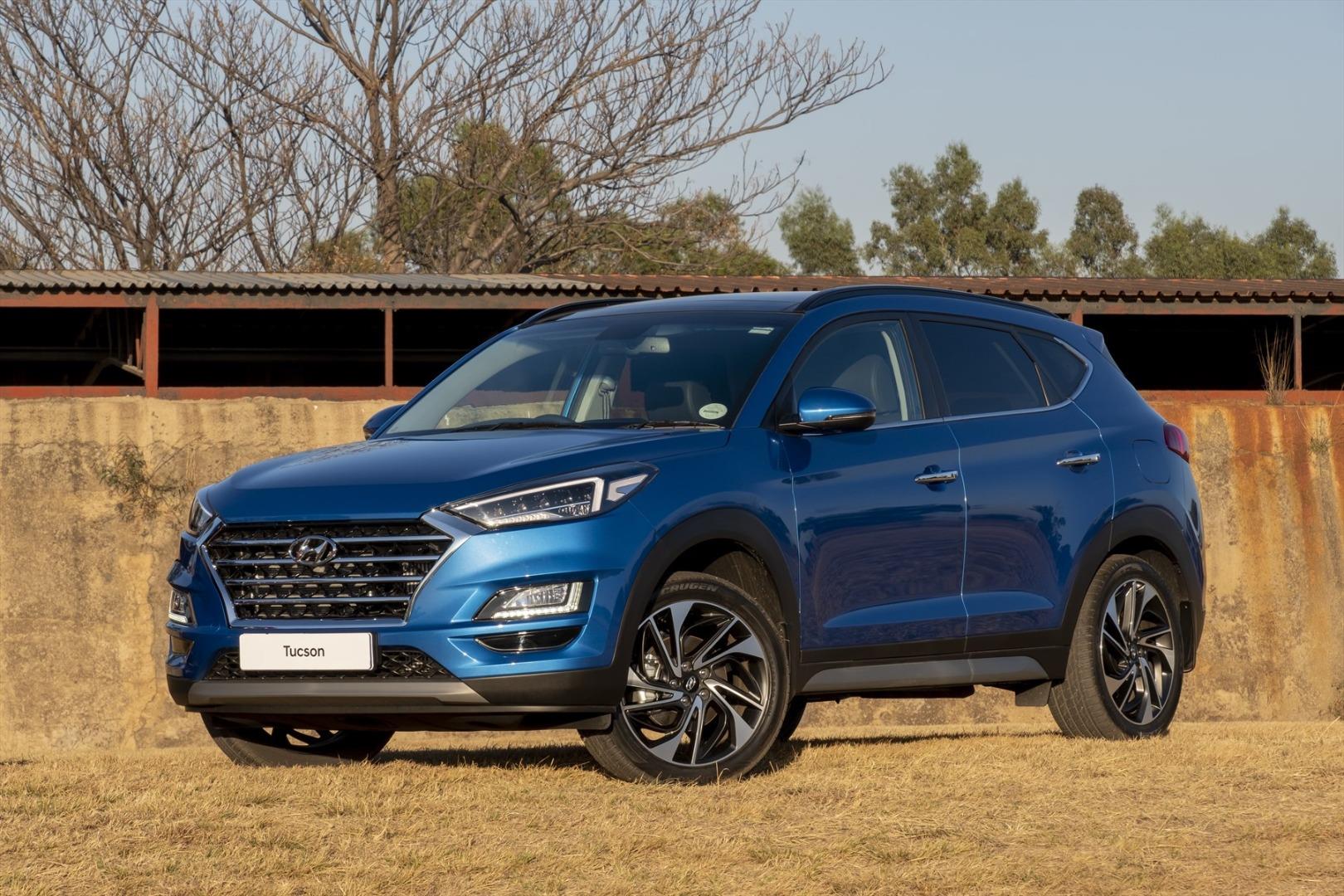
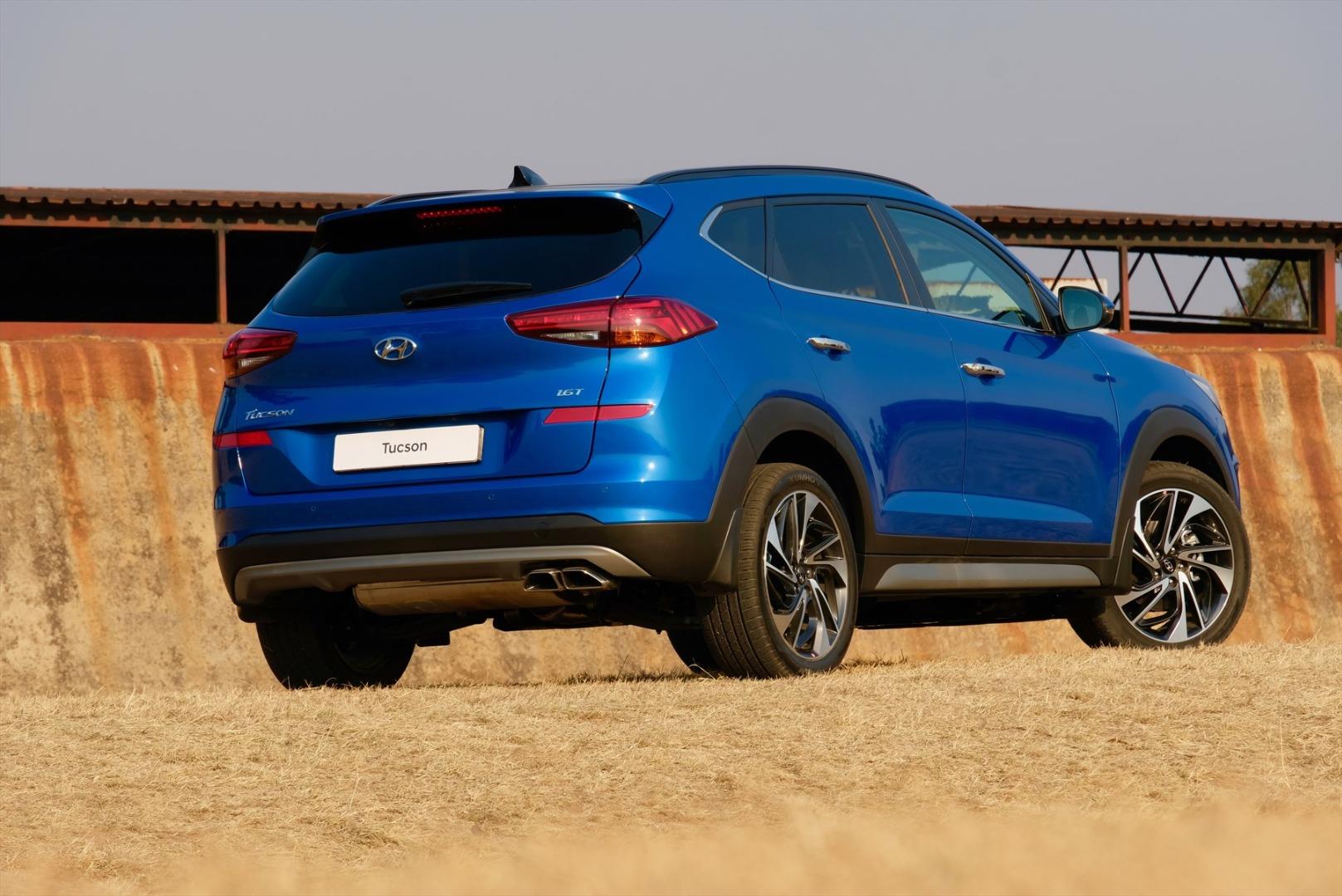
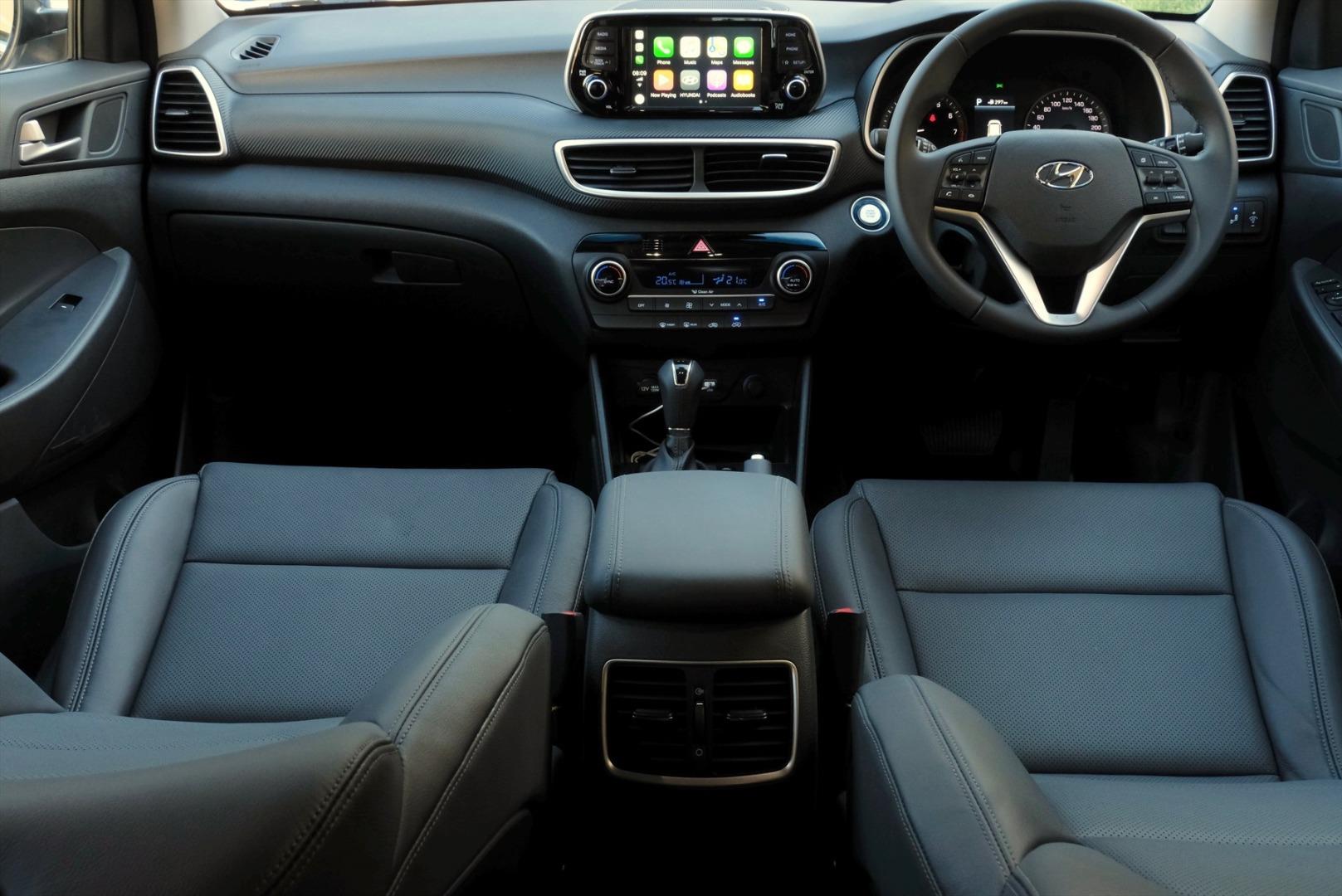
If you’re planning on buying a Tucson, you might be mulling over which version will experience the slowest depreciation. We looked at Tucson values in the pre-owned market, to help you decide.
The third generation of the popular Hyundai Tucson will be sold in South Africa until next year. Gen. 3 has been with us since 2016 and Gen. 4 will arrive in the third quarter of 2021, a source at Hyundai SA says. This also means there are special offers on the Tucson, leading up to the model change.
Related: Which Hyundai Tucson is better: petrol or diesel?
Let’s look at the following Tucsons to get an idea of their value depreciation. (What they sold for new last year is indicated for each model derivative.)
- Tucson 2.0 Premium MT – R425 900
- Tucson 2.0 Premium AT – R446 900
- Tucson 2.0 Executive AT – R488 900
- Tucson 2.0 Elite AT – R529 900
- Tucson 1.6 TGDI Elite DCT – R598 900
- Tucson R2.0 Exec AT – R563 900
- Tucson R2.0 Elite AT – R608 900
After a year, each of these cars had lost only 15 percent of its original retail price, with one exception: the Tucson 1.6 TGDI Elite DCT (no. 5 above), which had lost only 13 percent. So, after 12 months, its second-hand retail price was R519 900; down from R598 900 when it was new.
However, when going back further in time, the picture changes a little. Between year two and three, the entry level (no. 1) and the the DCT (no. 5) both retained 79 percent of their values. The ‘worst’ performers were the diesel autos, retaining 76 percent. But that’s only a 3-percent difference.
Going back another year, the numbers change again. In these 12 months the automatic diesels (no. 6 and no. 7) retained their values better than the others.
Related: Top 5 safety features on a Hyundai Tucson
Three important things about Hyundai
There are three important points to keep in mind when you set out to choose a Hyundai that won’t suffer rapid depreciation.
Firstly, their values simply don’t depreciate rapidly, because of the faith South Africans have in the brand. Secondly, there’s not much of a difference between Tucsons where value retention over time is concerned. This means you probably shouldn’t wrack your brain to calculate or predict where you’ll be losing the most value, because it changes from year to year.
Thirdly, Hyundai guarantees the reliability of the engine and transmission of each car for seven years or 200 000 km, and the rest of the car for five years or 150 000 km. As a result, there should be considerable equity in your Hyundai when you sell it on. For used-car buyers this means they can buy a four-year old Hyundai with 100 000 km on the odo and still have three years and 100 000 km of cover left on the drivetrain.
To get some rule-of-thumb information, we spoke to two Hyundai dealers, who had the following advice: Get a diesel automatic if you can. They are the most sought-after in the Tucson model range. A parting shot: value retention is subject to market forces. What is true for today, could be very different tomorrow.
Related: How to replace the car battery on a Hyundai Tucson
And the winner is…
To keep as much equity in your Tucson as possible, buy an automatic diesel. But don’t be overly concerned about value retention, if buying a Hyundai or Toyota.