
Which Hyundai Tucson is better: diesel or petrol?
The Hyundai Tucson has established itself as a worthy successor to the popular IX35 model. Today we have a look at which engine is better, the diesel or petrol within the Tucson line-up.


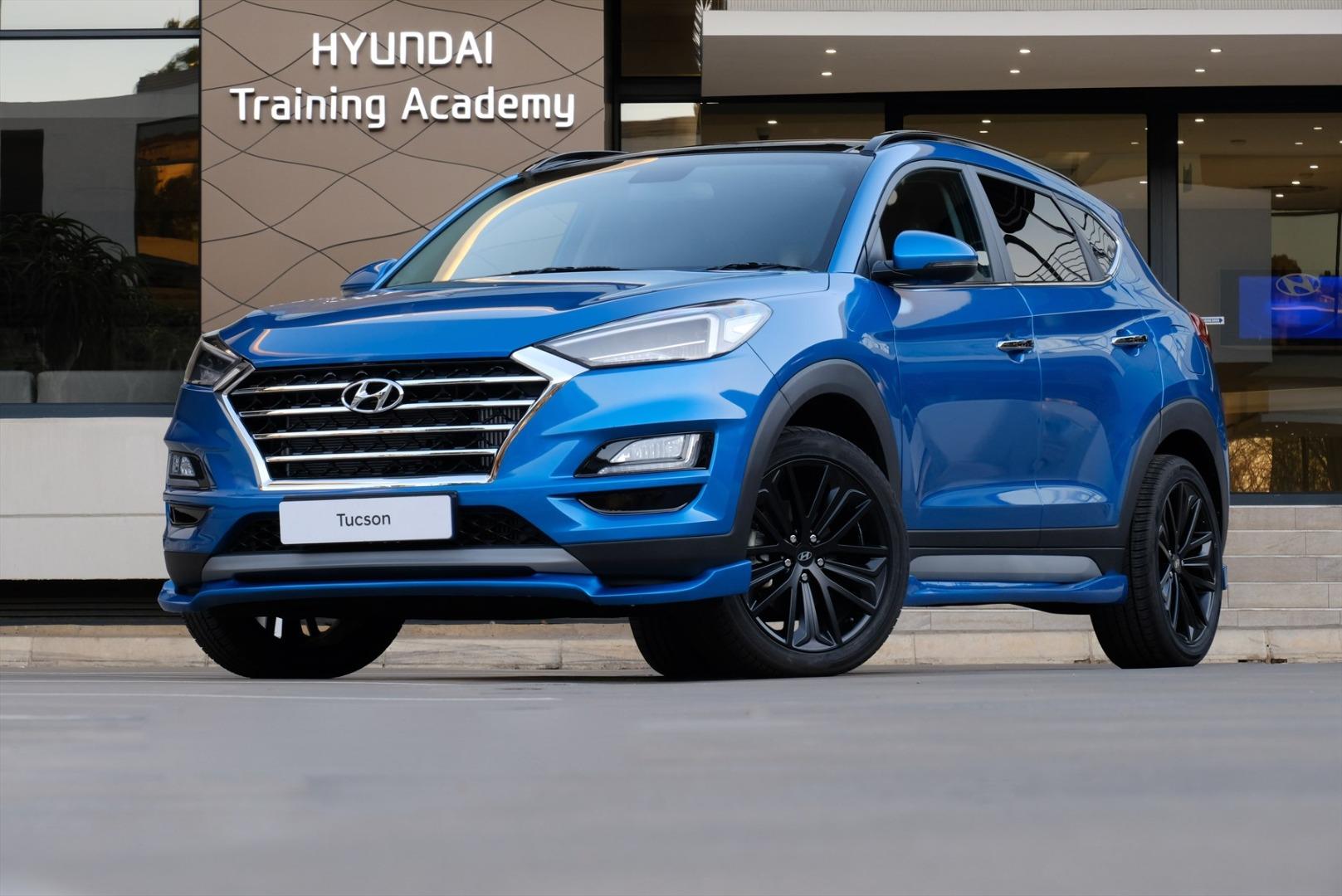
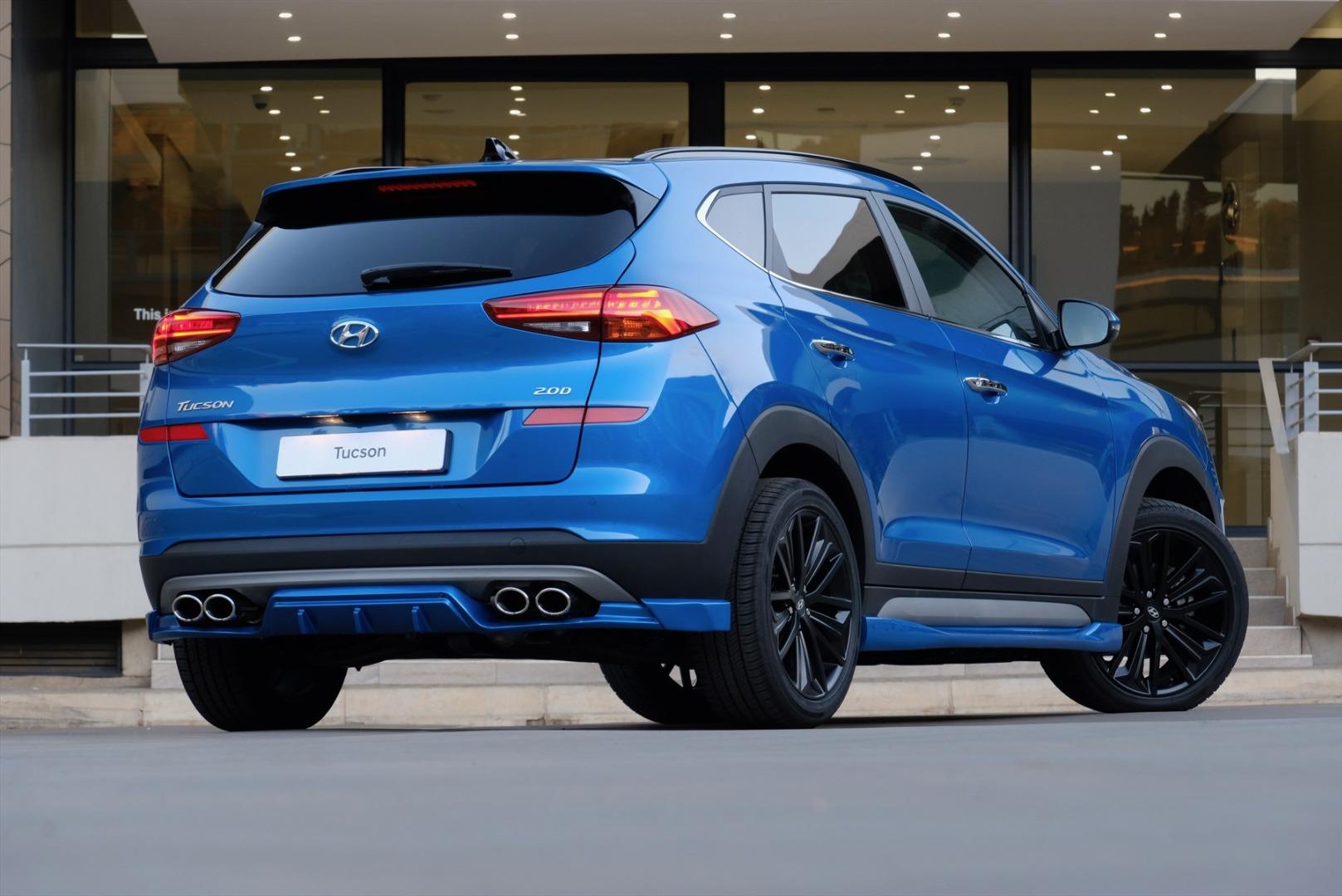
Introduced in 2017 and updated in 2019, the Hyundai Tucson has proved a popular choice within the highly competitive medium-sized SUV segment. With additions to the model range, including a locally-developed ‘Sport’ model based on the top-spec Elite specification, we compare the turbo petrol or diesel variant to see which one you should consider when shopping in this segment.

| Hyundai Tucson 1.6T Elite | Hyundai Tucson 2.0D Elite |
Hyundai Tucson 1.6T Elite Sport |
Hyundai Tucson 2.0D Elite Sport | |
| Engine | 1.6-litre, 4-cylinder, turbo petrol | 2.0-litre, 4-cylinder, turbodiesel | 1.6-litre, 4-cylinder, turbo petrol | 2.0-litre, 4-cylinder, turbodiesel |
| Power/Torque | 130kW/ 265Nm | 131kW/ 400Nm | 150kW/ 300Nm | 150kW/ 460Nm |
| Transmission Type | 7-speed automatic | 8-speed automatic | 7-speed automatic | 8-speed automatic |
| Driven wheels | Front | Front | Front | Front |
| Fuel Consumption | 8.5 L/100 km | 7.9 L/100 km | 8.5 L/100 km | 7.9 L/100 km |
| Price | R634 900 | R645 500 | R694 900 | R704 500 |
Related: Used cars - Top 3 things you need to know about the Hyundai ix35
Eight models, three engines

With a model line-up that includes eight variants, four trim levels and three engines, budding Tucson owners are spoilt for choice. For the purposes of our comparison, we are going to exclude the four 2.0-litre naturally aspirated models at the entry point into the range. The reason for this is simply because both the turbo petrol and diesel models are available in identical Elite and Elite Sport specifications and are similarly priced, allowing for a natural comparison between the two.
Related: Which Hyundai Tucson trim holds its value better?
The petrol

The turbocharged petrol engine available in the Tucson range comes with two output options, namely 130 kW and 265 Nm of torque in the Elite variant and 150 kW and 300 Nm in the Elite Sport. The latter gets the added power courtesy of a Chipbox plug-and-play upgrade and new exhaust system. Both of the turbo petrol models have a claimed fuel consumption figure of 8.5 L/100km and while a zero to 100km/h time is not quoted for the Sport, you can be sure that it is slightly faster than the 8.9 seconds claimed for the standard Elite model.
The diesel

The diesel models, much like the petrol models feature two output options, with the standard Elite variant producing 131 kW and 400 Nm and the Elite Sport producing 150 kW and 460 Nm thanks to the same Chipbox and exhaust system upgrade accompanied by a pedal booster. The diesel models are both claimed to sip fuel at a rate of 7.9 L/100km and again, the 9.3-second 0-100km/h quoted for the standard Elite model is likely to be bettered by the Sport.
Analysis
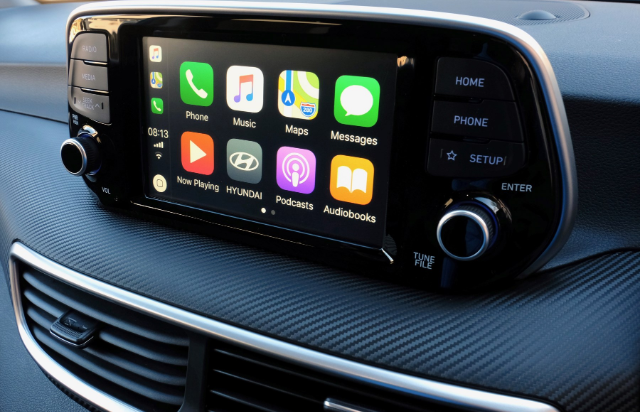
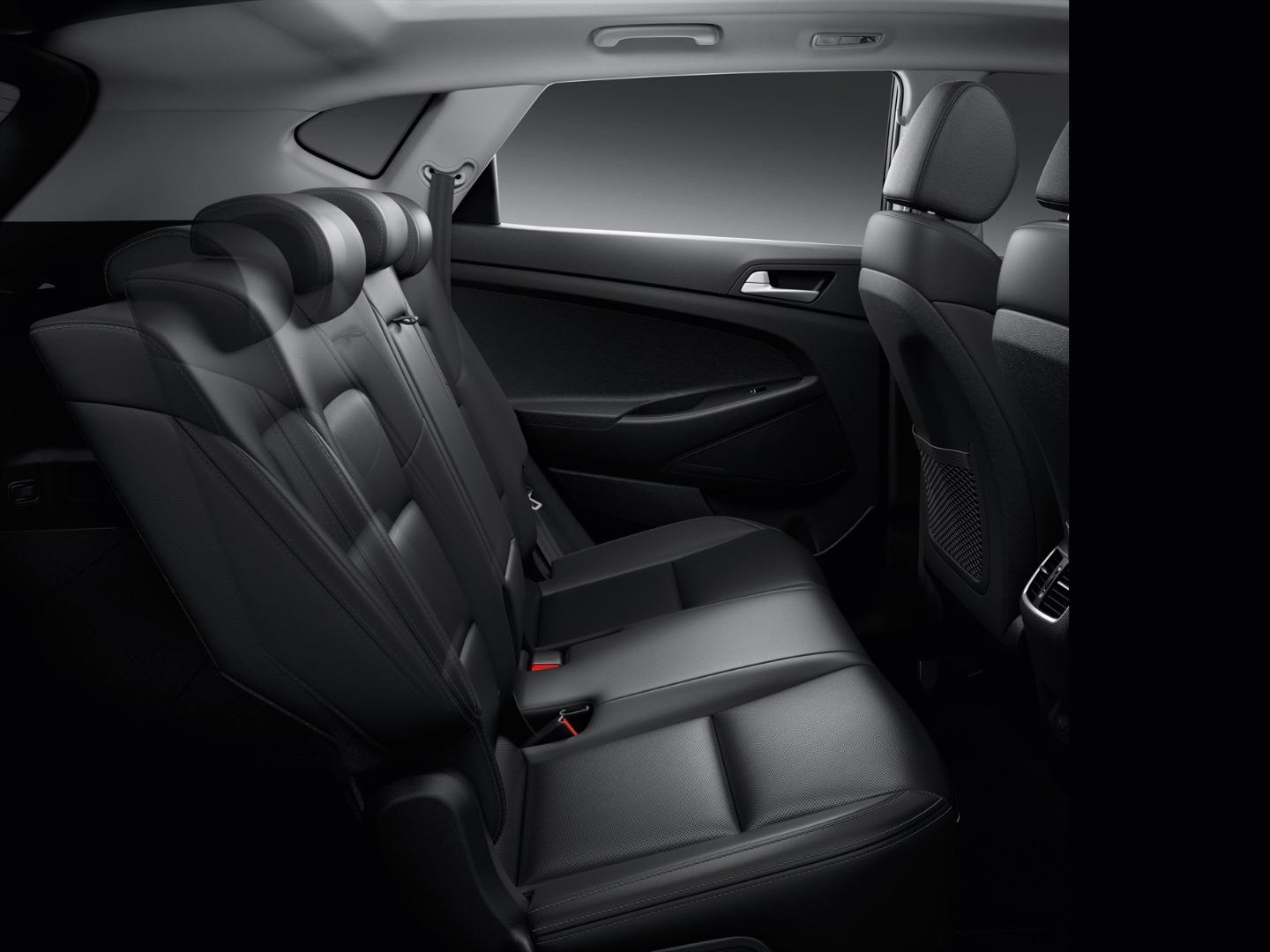
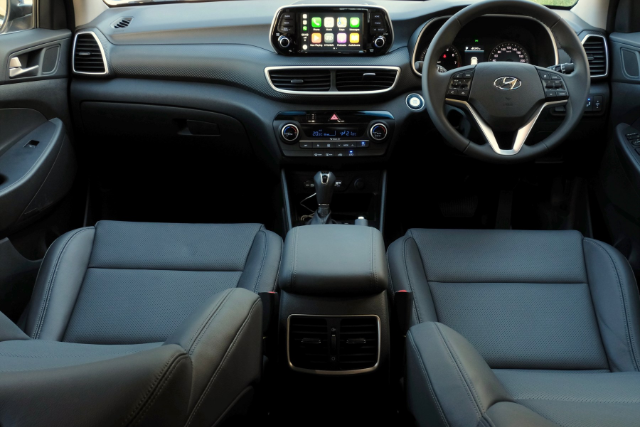
Picking between these two products is difficult. Being the Elite specification, both feature niceties such as a panoramic sunroof, dual-zone climate control, artificial leather seats, front electric seats, keyless entry, cruise control, Blind Spot Detection, Cross Traffic Alert, a 7.0-inch colour infotainment system with Apple CarPlay and Android Auto functionality and LED headlights to name a few. Both Sport models, in addition to their respective performance upgrades, feature 19-inch alloy wheels, sportier front and rear spoilers as well as new side skirts.
Looking at the figures, we see that both turbo petrol models offer a slight performance edge while the diesel variants offer improved fuel consumption while providing 300kg more brake towing capacity at 1 900kg. Both models feature a 5-year/ 90 000km service plan along with a 5-year 150 000km vehicle warranty along with a 7-year/ 200 000km drivetrain warranty.
Verdict
When we consider the fact that the diesel models, in both Elite and Elite Sport guise, are approximately R10 000 more than their respective counterparts, it becomes apparent that both products are very similarly matched, the petrol offering a slight performance edge over the diesel while the oil-burner offers better fuel consumption and can tow better. It may come down to personal preference, however, the diesel is likely to offer the most rounded package between the two, by the tiniest of margins.
Recommended next:
Top 5 safety features on a Hyundai Tucson
Haval H6 vs Hyundai Tucson vs Kia Sportage: which one has the lowest running costs?