Which Honda Fit is better: petrol or hybrid?
The Honda Fit arrived locally two years ago, replacing the Jazz as the Japanese brand adopts the Fit nomenclature as it has in many other markets for decades. Our question today is, which engine derivative should you choose, the petrol, or the hybrid?

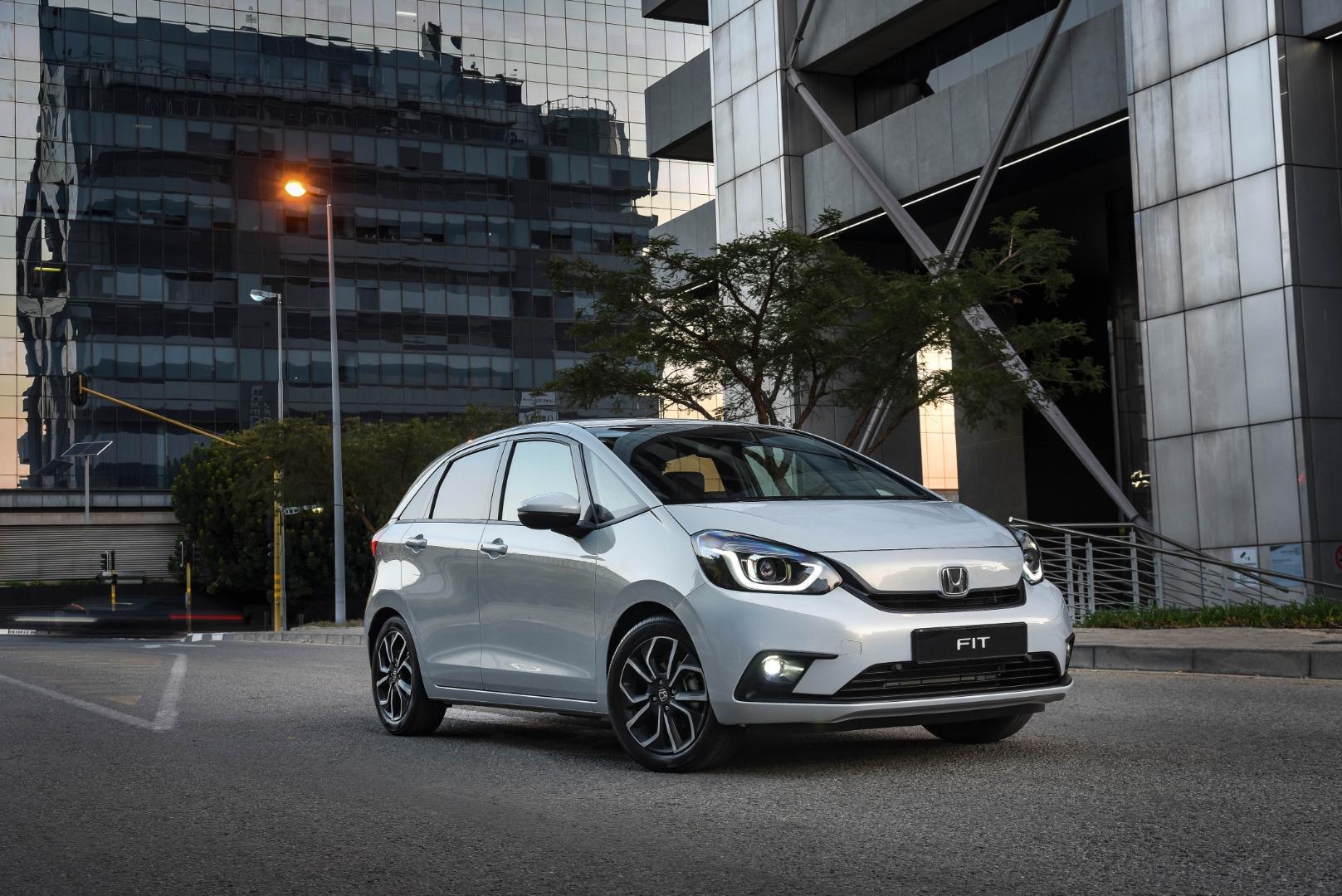


Introduced to the local automotive realm mid-way through 2021, the latest Honda Fit is an enticing B-segment hatchback package that offers the brand’s renowned reliability in a good-looking and well-built product.
Related: Mazda2 vs Kia Rio vs Honda Fit: Here's our winner
The decline of the small-capacity diesel engines has seen the rise of the petrol-electric hybrid in many counties around the world, and we now see the arrival of a Hybrid model within Honda’s B-segment hatchback again. For today’s comparison, we will use the flagship Hybrid version of the Fit and compare it with the most highly specified petrol-only model to determine which one belongs in your garage.
|
|
Honda Fit 1.5 Executive |
Honda Fit Hybrid |
|
Engine |
1.5-litre, 4-cylinder, petrol |
1.5-litre, 4-cylinder, petrol-electric hybrid |
|
Power/Torque |
89kW/ 145Nm |
80kW/ 253Nm |
|
Transmission Type |
CVT |
CVT |
|
Driven wheels |
Front |
Front |
|
0-100km/h |
Not provided |
9.4 sec |
|
Fuel Consumption |
5.5 L/100 km |
3.7 L/100 km |
|
Kerb weight |
1 124kg |
1 209kg |
|
Price |
R430 600 |
R519 900 |
The petrol
Powering the petrol model is a 1.5-litre naturally aspirated engine that has been around for quite some time. The unit produces a healthy 89kW and 145Nm of torque and is paired with a CVT gearbox, making the petrol-powered Fit reasonably efficient with a claimed consumption figure of 5.5 L/100km and CO2 emissions figure of 132 g/km.
The hybrid
The Fit Hybrid features a mildly detuned version of the 1.5-litre petrol engine in the rest of the range, but the engine is aspirated with an electric model, bumping power to 80kW but, more importantly, torque to 253Nm. The powertrain is also paired with a CVT, but is far more efficient, with a claimed fuel consumption figure of 3.7 L/100km and CO2 emissions of just 88g/km. The Hybrid is also quite brisk, sprinting to 100km/h in a claimed 9.4 seconds.
Analysis
Looking at the figures, it is easy to assume that the Hybrid is the obvious choice; however, the top-spec petrol-only model nearly R90 000 less expensive, meaning that you would need to drive the Hybrid for years before the actual fuel costs offset the initial price deficit.
Verdict
Having looked at the pricing, efficiency and performance of the two Fit powertrains, it is clear that the Hybrid model is a superior drivetrain, but for those looking for the best value in the short to medium term, the good old petrol will still be better.