Which BMW 7 Series is better: diesel or hybrid?
Although the BMW 7 Series has traditionally been fitted with only the largest and most powerful motors. The large model now also comes with more frugal diesel and hybrid configurations. We compare the latter two options to find out which is better.


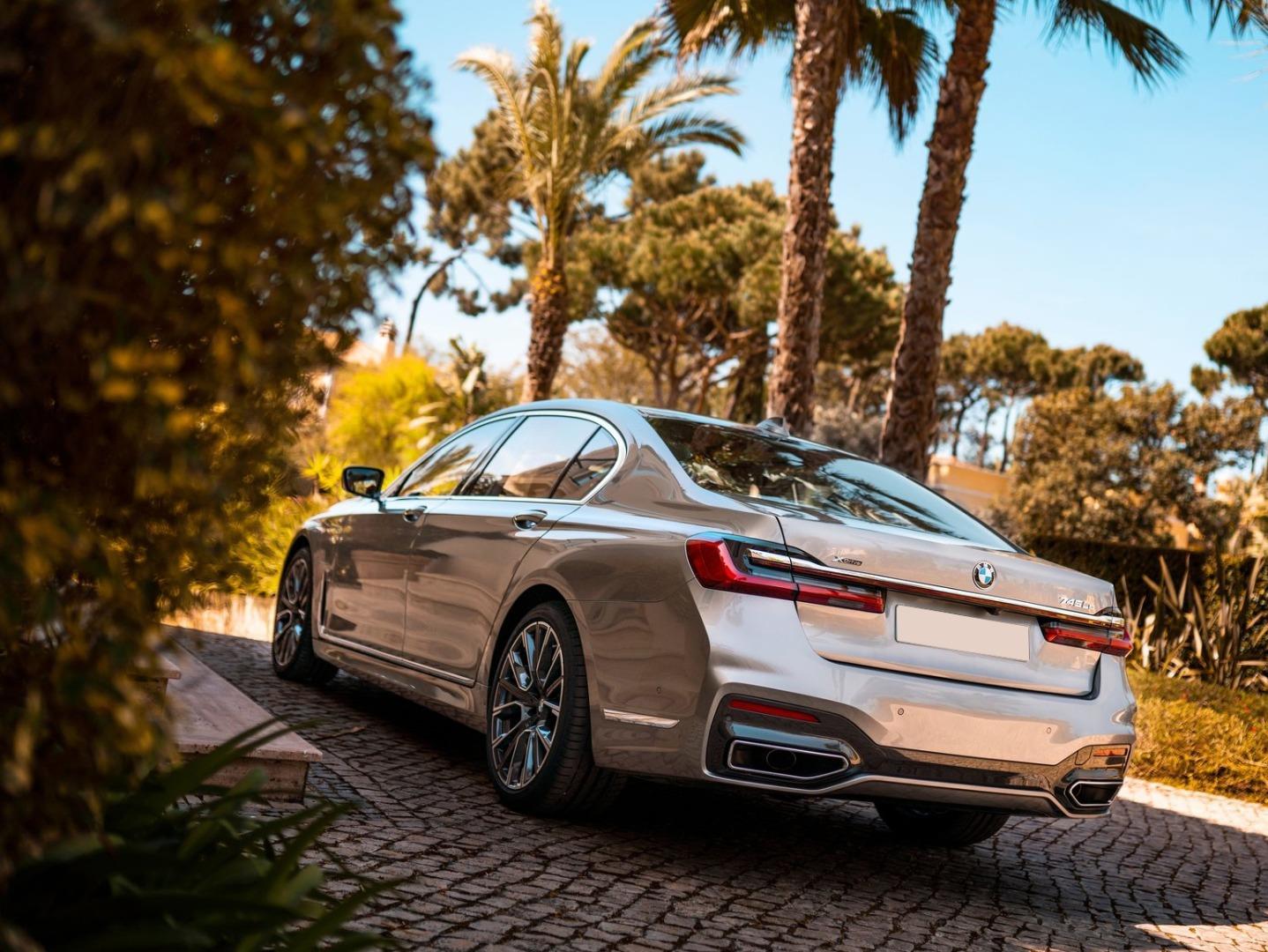
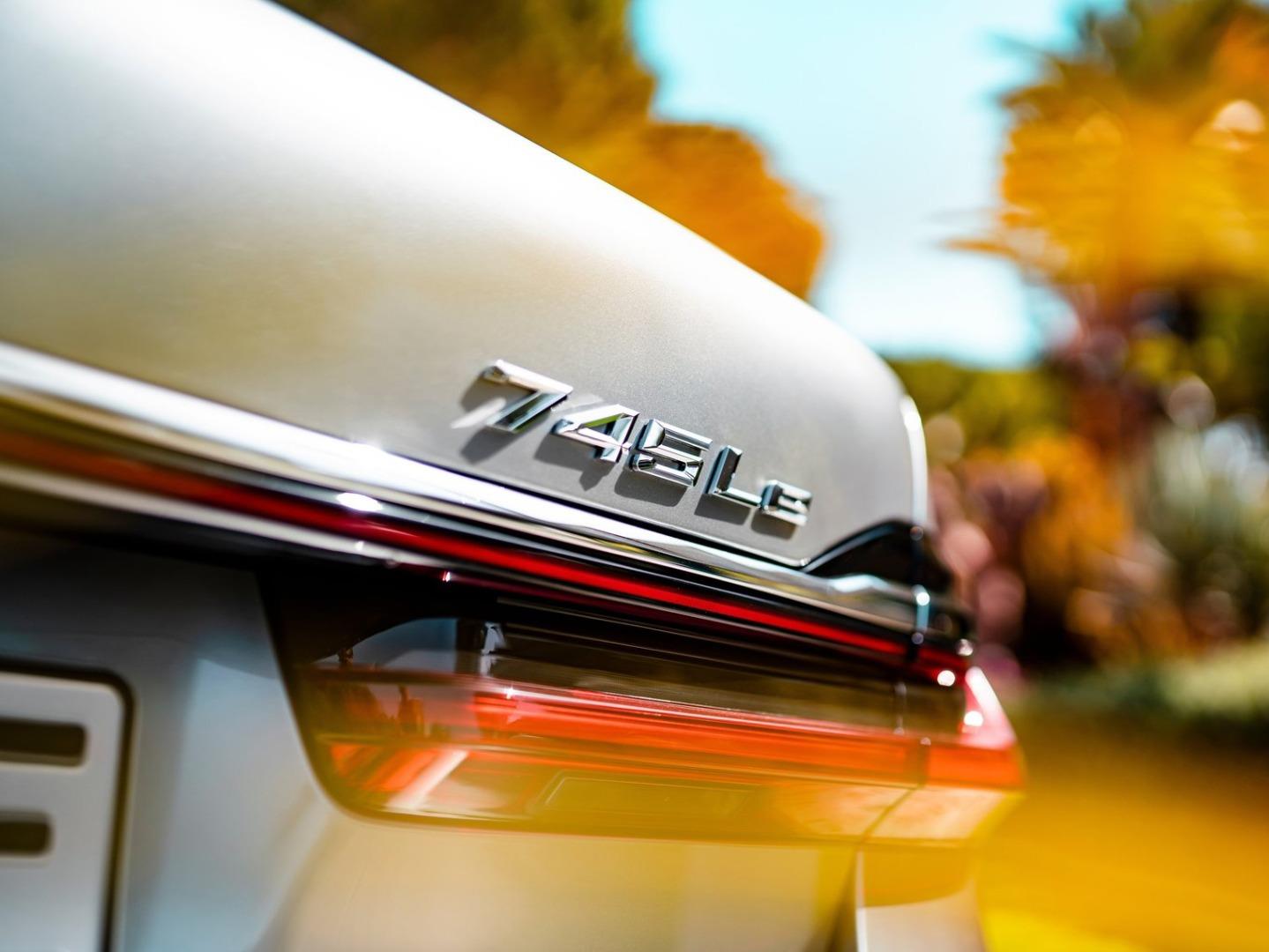
The BMW 7 Series has been the German automaker's flagship model since it was introduced back in 1977. The 7 Series is the most luxurious BMW available and it is the one which gives us a first look at the latest technology on offer from the brand. While the mighty 7 Series is offered with a variety of powerful petrol engines, this article aims to highlight the differences between the diesel and Hybrid models to see which is best.
Related: Top 3 things you need to know about the BMW 7 Series
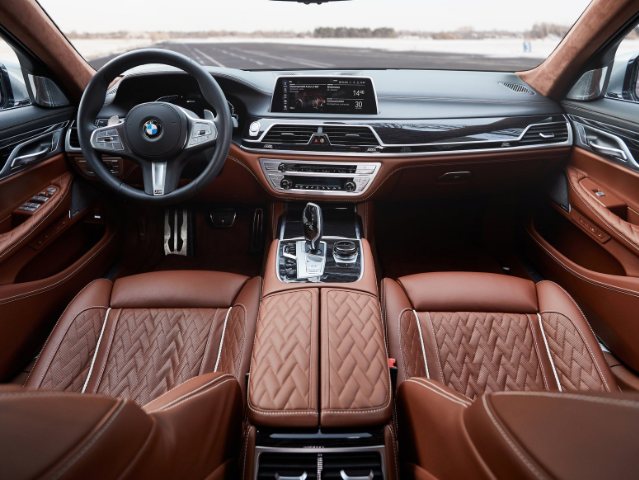
The latest 7 Series is only available as a long-wheelbase model here in South Africa and this article will be comparing the 730Ld and the 745Le M-Sport derivatives. Both are roughly around R2 000 000 and feature a sporty M-Sport body kit which sees large sporty rims, aggressive and eye-catching front bumpers.

The diesel
Fitted with what is one of BMW’s best engines to date, the 3.0-litre, straight-six, turbo-diesel the 730Ld develops 195 kW and 620 Nm of torque. It will hit 100km/h in around 6 seconds and, according to BMW, will consume just 5.7 L / 100 km. The diesel delivers its torque from low down and the 8-speed automatic gearbox makes light work of sending the power to the rear wheels.
The effortless torque makes the daily commute fuss-free as the 730Ld just wafts along. One will need to pay attention though because the 78-litre fuel tank will result in a 1368 km trip which will go by unnoticed in this land yacht. It is worth mentioning that the BMW 730Ld does carry an R7 728 emissions tax (included in price).
The hybrid
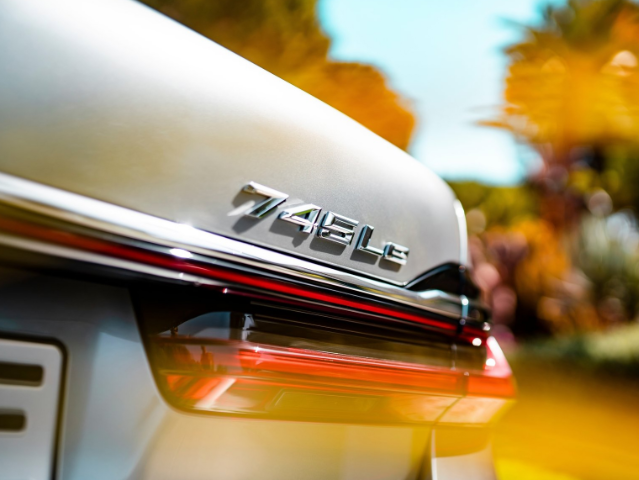
The BMW 7 Series hybrid is not a new concept and has been around for a few years. This new plug-in hybrid model, however, makes use of a petrol-powered, straight six-cylinder and a further advanced high-voltage battery with enlarged capacity. The petrol motor has been pulled from the current BMW EfficientDynamics engine family which has been adapted on a model-specific basis to produce a peak output of 210 kW of power.
The electric motor develops 83 kW and a torque figure of 265 Nm on its own. A new lithium-ion battery features the very latest battery cell technology and expanded storage capacity. New advanced power electronics feature intelligent energy management for precisely controlled interaction between the two power units. The result is a combined powertrain output of 290 kW and 600 Nm of torque.
This model is also only available with xDrive, BMW’s all-wheel-drive system and the result is an impressive 0-100 km/h sprint in just 5.1 seconds for this large luxury vehicle. BMW claims an average fuel consumption figure of around 2.8 L / 100 km. When driven on electric power alone the car will cover a distance of 46 km before needing to be plugged into a charging port and the fuel tank capacity is 46-litres.
Which is best?
While the hybrid model might be the future the diesel is the present. If the hybrid were to be used within the city and you travel no more than 46 km per day then it does make sense as one would commute on mostly battery power. However, the BMW 730Ld is more affordable than the hybrid and offers similar performance while still being frugal. So while it is difficult to decide, the hybrid comes out on top as not only will the driver enjoy the instant torque at pull-away, but over the vehicle's lifetime, it will save the owner money with its low fuel consumption figure. Browse BMW 7 Series models here.
Recommended next: