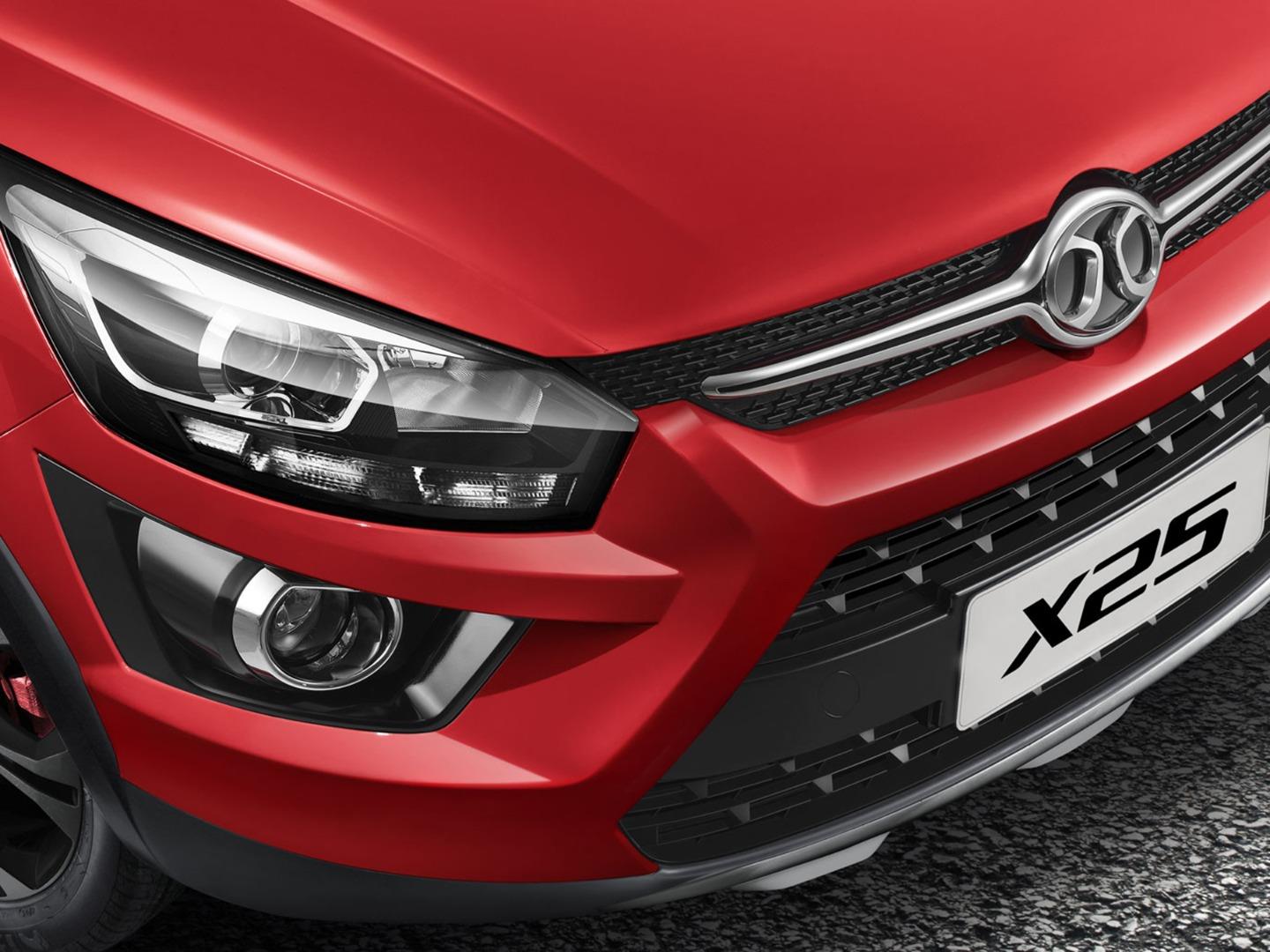
BAIC has started making waves locally with two new models released in the last few months. Their offerings consist at this moment of a crossover hatchback, a rugged 4x4, and a premium SUV. Each range falls under a separate subdivision with the Beijing range catering for the premium SUVs and the B-Series denoting that the vehicles are 4x4 leisure-orientated vehicles.
Related: Are BAIC good first cars?
For the most part, the pricing of the BAIC products has been appealing and many a consumer looking for an affordable new vehicle may have considered one of their products. The purchase price is one thing but running costs need to be considered. Expensive fuel bills and high maintenance costs will quickly ruin the honeymoon period. Finding the model with the best fuel consumption will help alleviate your monthly overheads.

BAIC fuel consumption figures
There are four different engine combinations in the current BAIC range, a 1.5-litre naturally aspirated engine, a 1.5-litre turbocharged petrol engine, a 2.0-litre turbocharged petrol engine and a single 2.0-litre turbodiesel engine. Not all engines are available in all models though.
X25
The X25 is available with the 1.5-litre naturally aspirated engine. This unit is claimed to return a combined cycle fuel consumption of 6.5 l/100km.
Beijing X55
The premium SUV range, the Beijing X55, is fitted with the 1.5-litre turbocharged petrol engine. This engine is claimed to return a combined cycle fuel consumption of 7.2 l/100km.
B40 Plus
The off-road-themed B40 Plus wears large wheels and tyres and is fitted with either a 2.0-litre turbo petrol or a 2.0-litre turbodiesel. The 2.0-litre diesel is claimed to return a combined cycle fuel consumption of 8.5 l/100km while the petrol derivative will return a claimed 10.1 l/100km.