
Which Audi R8 is better – petrol or diesel?
Once upon a time, Audi dominated the endurance racing world with their diesel-powered sports prototype cars. So, with a series of Le Mans wins under their belt, Audi wondered if they could capitalize on this success with a series-production diesel supercar. Here’s the story behind one of Audi's most unusual creations, and why it never went into production.


Win on Sunday, sell on Monday?
Diesel isn’t exactly a fuel type that’s associated with high-performance cars. In fact, until very recently, it was seen as primarily suitable for farming implements, buses and trucks, where a diesel power unit’s abundance of low-rev torque and fuel efficiency made them ideal for heavy-duty work and long-distance hauling.
Audi has however explored different applications for their TDI technology, and, in typical Audi fashion, they decided to try it out in motorsports. The endurance racing scene (where Audi had already experienced great success with their R8 LMP racer) seemed a suitable starting point, where their ability to cover long distances as efficiently as possible would definitely count in diesel’s favour.

Thus it came to be that the engineers at Ingolstadt and Neckarsulm designed the Audi R10 TDI sports prototype racer to replace the petrol-fueled R8 LMP... and continued its winning ways. It became the Le Mans champion from 2006 to 2009, and, knowing the marketing value of racing success, the product development team soon investigated whether it would be possible to create an R8 TDI to complement their then-new petrol-powered R8 sports car range.
Related: The best Audi R8 deals on AutoTrader.
The Audi R8 backstory
Released to the public in 2006, the road-going Audi R8 was first previewed by the 2003 Audi Le Mans quattro prototype (acknowledging Audi’s success in this motor sports event). The production vehicle followed in short order, and shared its platform with the Lamborghini Gallardo – the then-new, “entry-level” Lamborghini, which was developed under Audi stewardship.
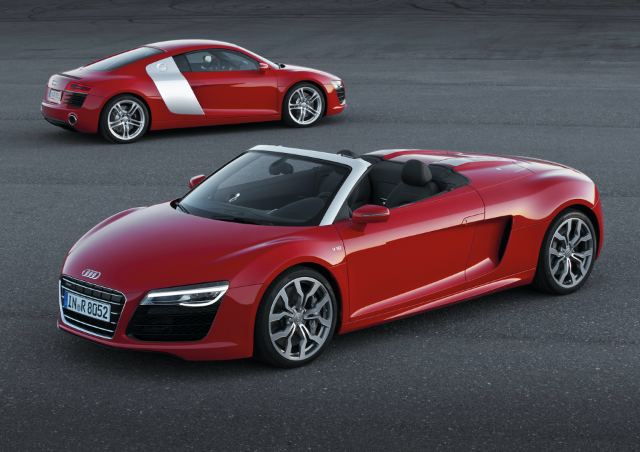
Pitched as a more luxurious, smoother-riding sports car to slot below the Gallardo in the Volkswagen Group’s hierarchy, the Audi R8 first appeared exclusively with a dry-sumped version of their 4.2 FSI V8 engine – a derivative of the (B7) RS4’s mill, tweaked to endure sustained high-speed cornering. Of course, all-wheel drive was standard, but it was configured to send most of the power to the rear wheels by default. A Spider (drop-top) variant was later introduced, with the same mechanical bits as the Coupé but with a folding roof instead of a hardtop.
With 309 kW and 430 Nm on tap and a kerb weight to the north of 1.5-tons, performance was strong but not exactly blistering, so it didn’t take long for Audi to start imagining a higher-powered R8. At that stage, the Gallardo’s V10 engine was supposed to remain exclusive to Lamborghini, so Audi’s engineers looked towards their very successful R10 TDI Le Mans cars for inspiration instead: If diesel can win so many races on track, why shouldn’t it work for a faster, road-going R8?
The diesel-powered R8
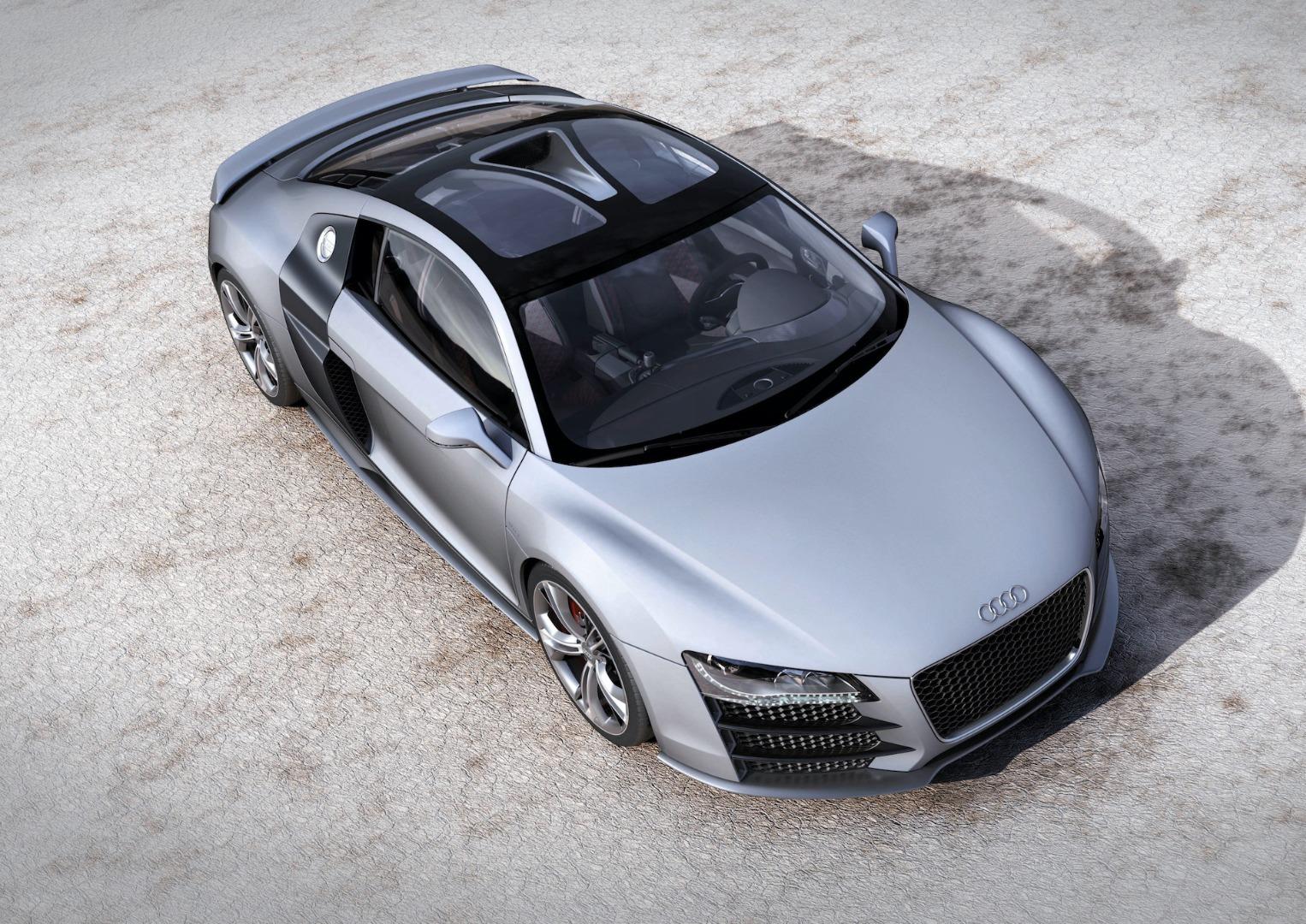
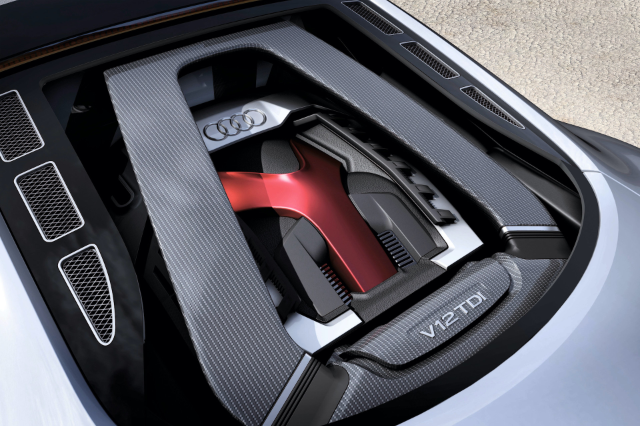
Timed to coincide neatly with the international release of the Audi Q7 V12 TDI, Audi showed an R8 with the same V12 TDI engine at the 2008 Detroit motor show, named the “R8 Le Mans concept”. This power unit was then (and still is) the only V12 turbodiesel ever used in any series-production road car, and it majored on torque.
A massive pile of torque, in fact: while its output of 368 kW represented a tidy jump over the V8 petrol’s 309 kW, it also produced more than twice as much torque, with a cool 1000 Nm on tap all the way from 1 750 r/min to 3 000 r/min. Hooked up behind it was a 6-speed manual gearbox and the obligatory quattro AWD system, along with upgraded suspension (to deal with the big V12’s additional weight) and greatly-uprated brakes.
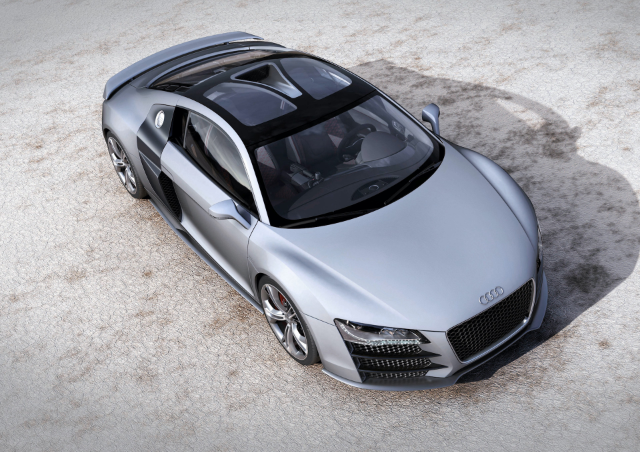
The R8 V12 TDI unfortunately never made it to production, however, with numerous reasons cited for its cancellation. For starters, it would have been prohibitively expensive to re-engineer the engine bay and cooling systems to accommodate this monstrous diesel in the (relatively) compact R8 body.
But, mainly, the problem was in the drivetrain itself: Audi simply didn’t have any gearbox at their disposal that was capable of handling this much torque with any measure of reliability, let alone one that's able to fit the R8’s mid-engined AWD setup. In the end, the prototype used a transmission based on the A4 3.0TDI manual’s, but even that wasn’t strong enough to withstand the mountain of twist.
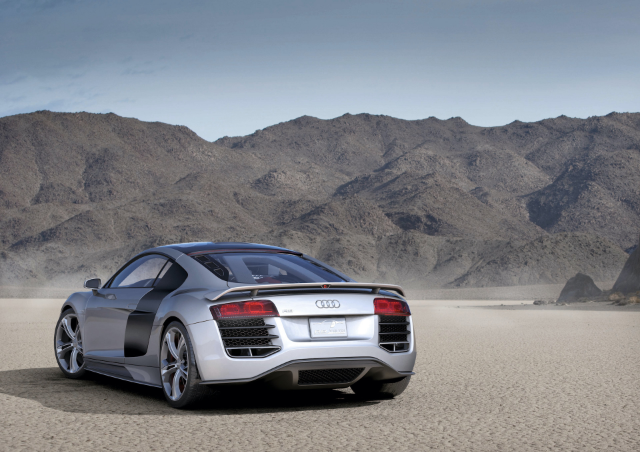
Those few motoring journalists who were allowed to sample the R8 V12 TDI were cautioned to never use full throttle, because the gearbox was bound to go “BOOM” at any moment. And so, the project was scrapped, sending the engineers back to the drawing board in search of a different solution for a more-potent R8.
Related: Audi R8 V10 Spider – dynamic open-sky supercar driving.
Going up to V10 power
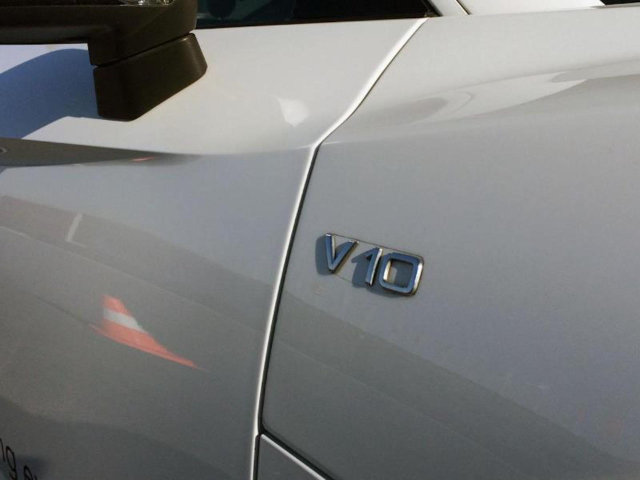
By this time, Audi had decided to deploy the Gallardo’s V10 engine instead, but in a lower state of tune (to avoid marketing conflicts with the pricier Lamborghini). This made sense, as the then-current Audi S6 and S8 models also used this powerplant to great effect, and the image spill-over would be beneficial to the entire Audi range’s market positioning.
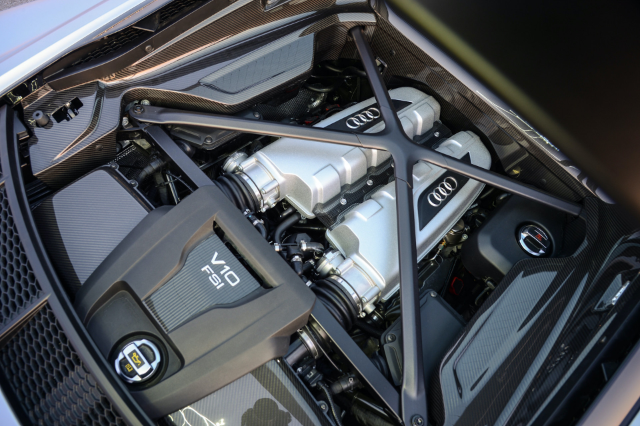
In this application, the 5.2-litre V10 produced 386 kW and 530 Nm, which provided just the performance boost the R8 had always needed. The 0 – 100 km/h sprint dropped from 4.6 seconds to 3.7 seconds, with a commensurate increase in top speed (now up to 316 km/h) and the soul-stirring soundtrack a car of this nature deserves. Truth be told, as cool as a high-torque TDI would have been, a screaming petrol V10 with a red line on the far side of 8 000 r/min was much more in character for a supercar-challenger.
Related: Get more information about the second-generation Audi R8 V10’s recent facelift in this launch drive report.
The lure of turbocharging
Seeing as this 5.2-litre V10 was handed two turbochargers for use in the Audi RS6, the engineers tried out this 426 kW/650 Nm in some R8 development prototypes as well. Its performance must have been stunning in this application (even the much bigger, much heavier RS6 automatic stormed past the 100 km/h mark quicker than an R8 V10 could manage), and prototypes were spotted at various test tracks around the world.
But, in the end, heat control issues proved to be insurmountable, with frequent reports and many spy photos of engine fires in the prototypes. One couldn’t help but wonder if there were also internal political reasons for this project’s discontinuation, though: having a “lowly” Audi with the performance to challenge their top-level car could not have been an appealing idea to the Lamborghini folks at Sant’Agata.
Audi also tried out some alternative propulsion methods, showing an R8 e-tron battery-powered prototype at Frankfurt in 2009, but dithered on putting it into production, due to battery technology progressing slower than they anticipated. In the end, a very limited run of R8 e-trons were eventually made available to order in 2014 (based on the new-generation R8), but it’s unknown how many of these were actually produced.
Related: We reveal all about the second-generation Audi R8 in this preview.
Onto the second-generation Audi R8
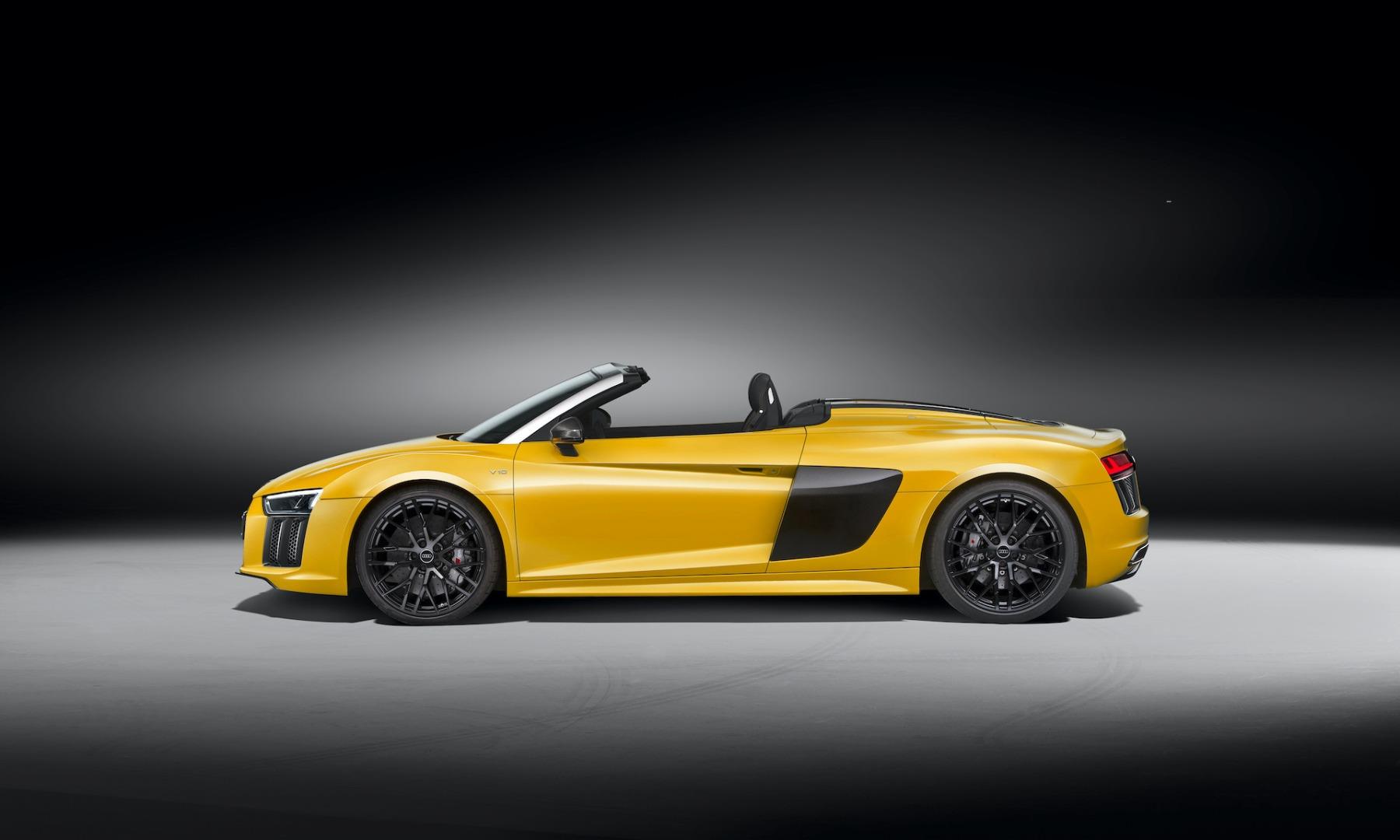
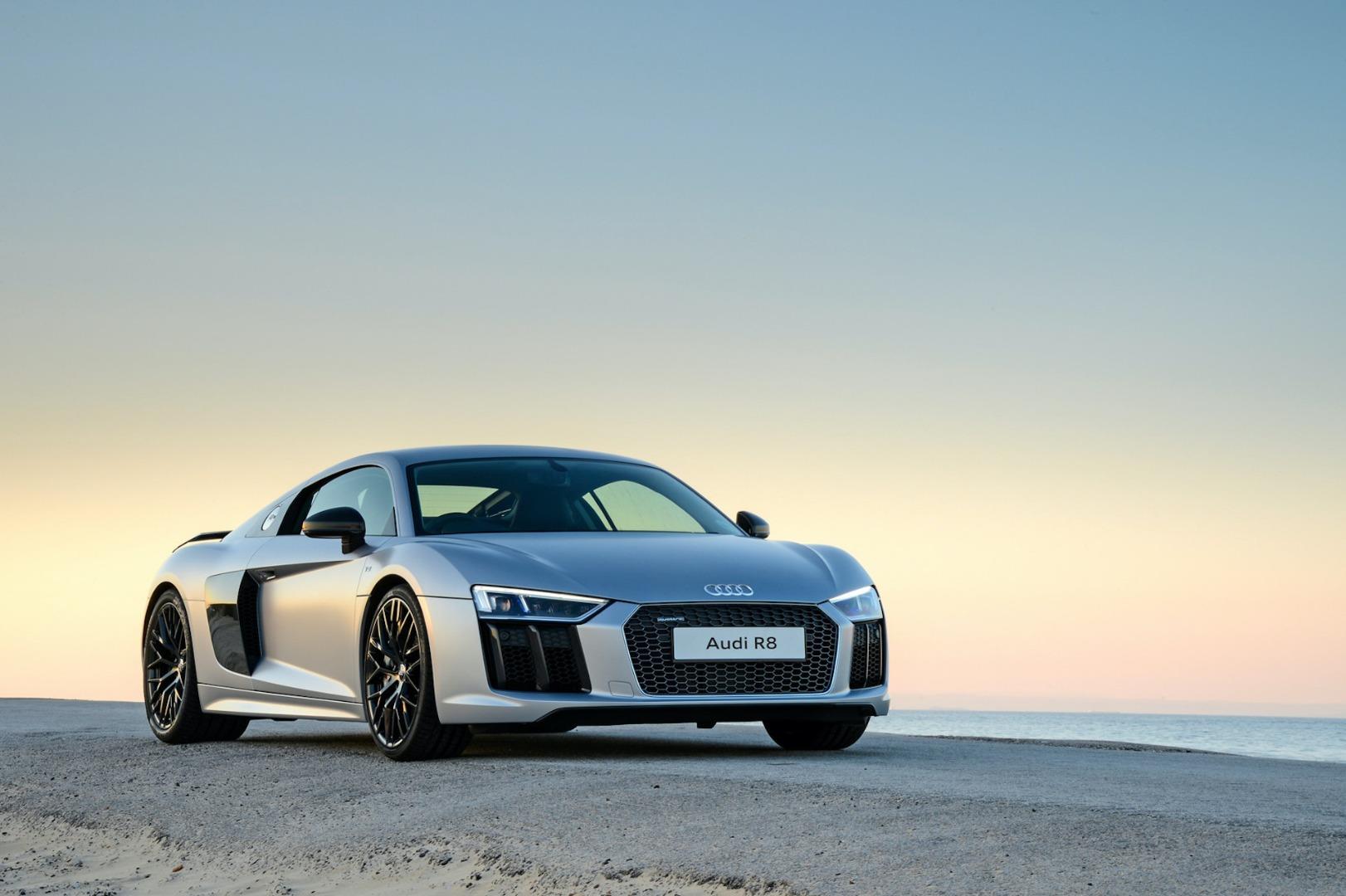
The second-generation R8, based on the new Lamborghini Huracán, arrived in 2015. This time around, Audi didn’t even bother including the V8 engine at all, standardizing on V10 powerplants for all R8 variants. The base 5.2 FSI produced 397 kW and 540 Nm, while the R8 Plus bumped that to 449 kW and 560 Nm. Later on, an R8 V10 Performance added even more power and torque (now increased to 456 kW/580 Nm), and finally dropped any pretense of avoiding direct competition with Lamborghini.
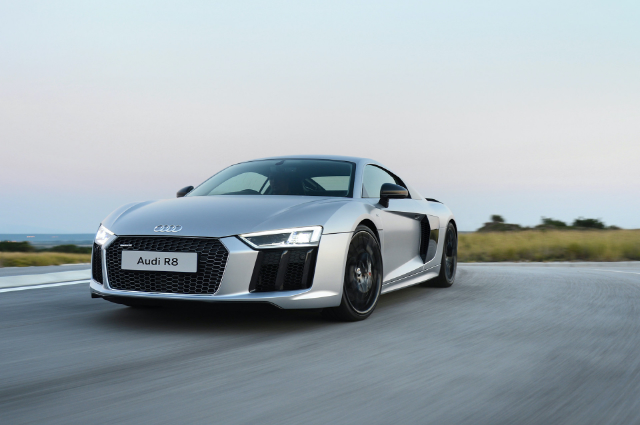
The R8 Mk 2 posted excellent performance figures right from the start, with even the base 5.2 FSI rushing to 100 km/h in 3.5 seconds, and the R8 Plus dropping that to 3.2 seconds. As with the first-generation car, the latest R8 also spawned some factory-built race cars, including the R8 LMS models (built to GT3- and GT4-class specifications) and a RWD-only variant (named the R8 RWS) for those who don’t want the added security (and weight) of an all-wheel drive system.
Related: We were privileged to take a second-generation Audi R8 Plus on a road trip, and loved (almost) everything about it...
Into the future
Audi has already confirmed that the current-generation R8 will not have a direct successor, so if you want an Audi supercar, the time to buy a new one is rapidly running out. There’s a final facelift on the way to South Africa, which will likely arrive early in 2021, but that might just be the R8’s swansong.
Fortunately, there are plenty of used R8s available in the used-car market, and many of them are absolute bargains. Early R8 V10s have now started to drop below the R1-million mark, with very early V8s starting around R 650 000. Sure, they’re not the quickest things out there anymore (a small new Mercedes-AMG will steal an R8 V8’s lunch money and its bicycle), but they are an important part of Audi’s history.
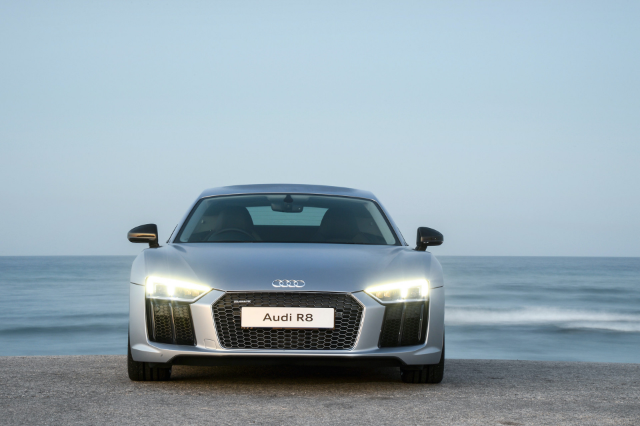
In fact, if we were to predict possible future classic cars, a first-generation R8 (with whichever engine) should definitely be on the list. How many other premium brands have ever marketed a mid-engined AWD exotic? Only Audi has gone this route up till now – and that’s what makes an R8 of any kind a very special car.
Related: What is covered under the Audi R8’s manufacturer warranty?