When was the electric car invented?
The electric vehicle may seem like a new buzzword, a topical anecdote and a rather new invention. You would be rather mistaken as the electric vehicle predates the first patented internal combustion engine. The reason for the demise of the electric vehicle, believe it or not, is the electric motor itself. To find out how the electric motor was its own worst enemy, keep reading.

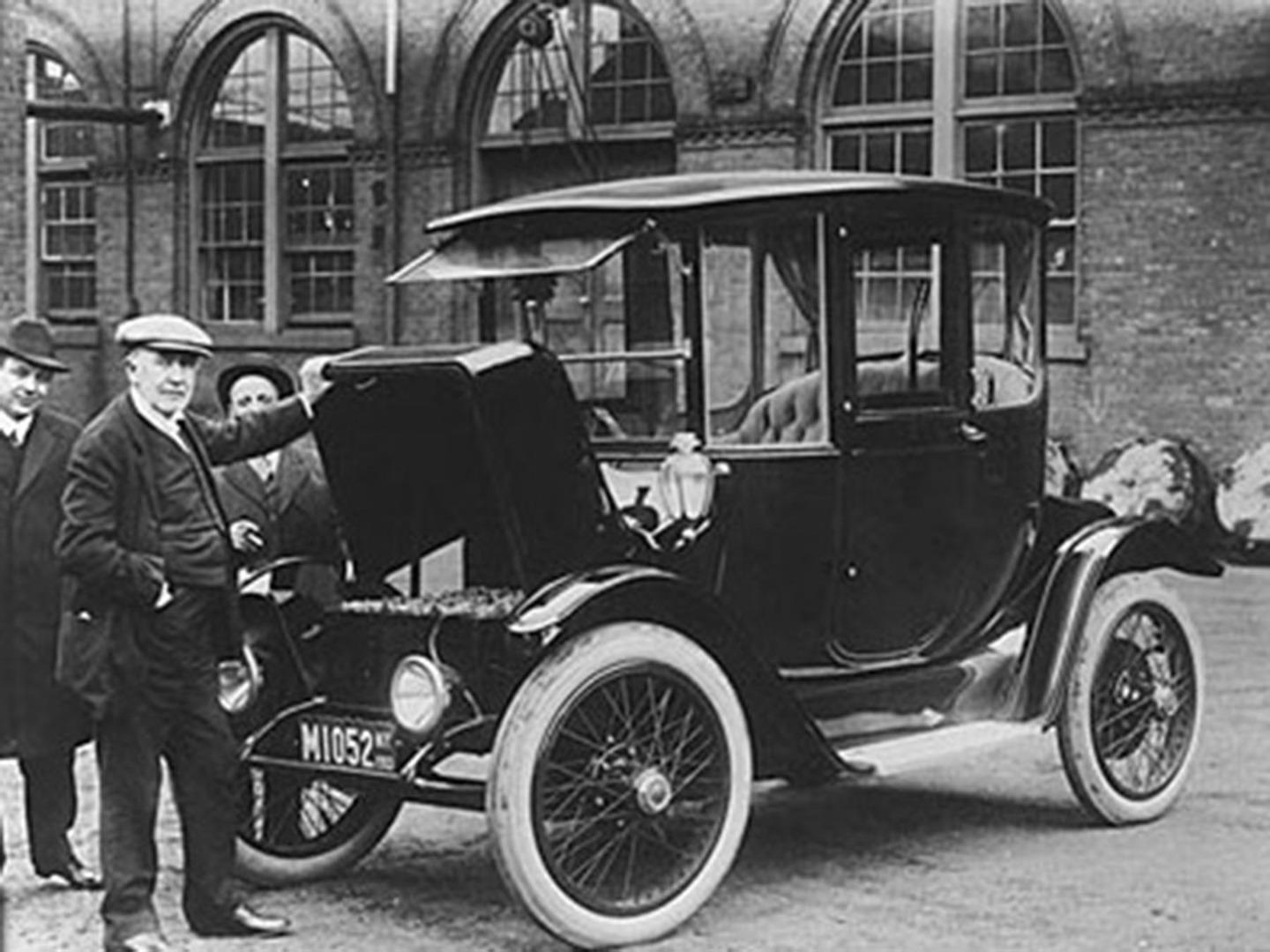
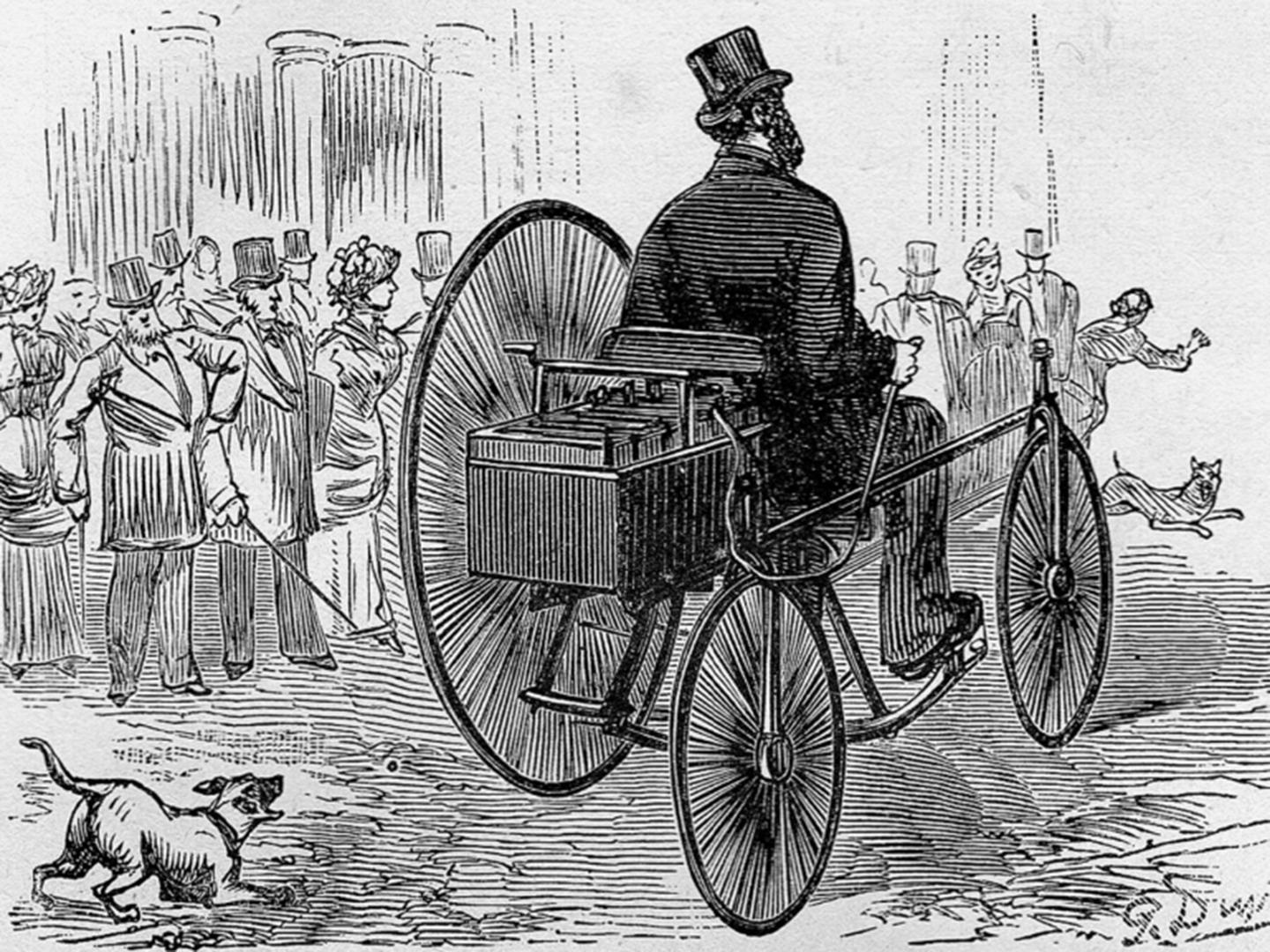
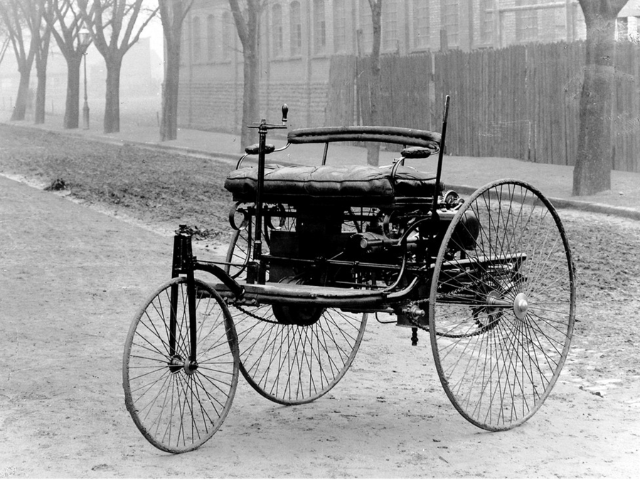
It's widely accepted that the first motor vehicle, powered by an internal combustion engine (ICE), was the Benz-Patentwagon. Patented in 1886, Carl Benz was the first to offer a motor vehicle that was practical enough to warrant production and sale to the public. It went on sale in 1888 but it was Henry Ford that would revolutionize the automotive landscape by offering a mass-produced offering at a considerably more affordable price.
Related: Are electric cars good first cars?
The early 1800s was a pivotal time in the discovery and implementation of electricity and this new technology piqued the interest of many physicists and scientists. From the lightning bolt that struck Benjamin Franklin's metal-tipped kite in a storm to Alessandro Volta who created the first simple battery, the first few decades were rife with discoveries and heady advances in the world of electricity.
The first electric car
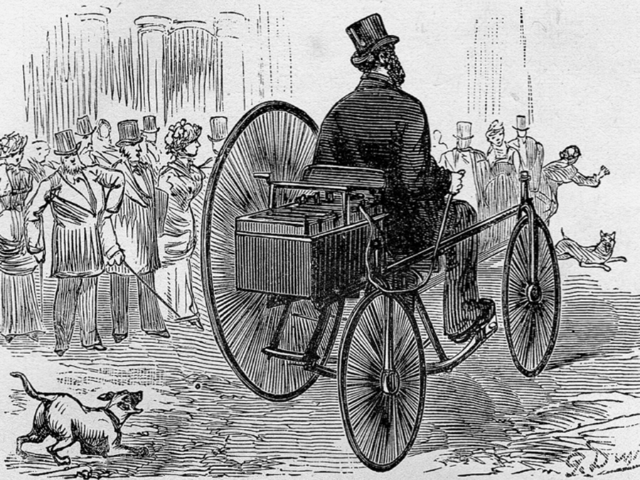
It is widely believed that Scottish inventor, Robert Anderson, is responsible for the first electric car, creating a motorized wagon sometime between 1832 and 1839. His crude invention wasn't overly reliable, was slow and had limited range but as a proof of concept, it was ground-breaking. This inspired many others to take Anderson's ideas, along with the new studies from André Ampère, George Ohm, and Joseph Henry (who was responsible for discovering the power of electromagnetism and the energy created by a dynamo) to further develop the concept of the electric vehicle.
It was later, in 1859, that French physicist Gaston Planté invented the first lead-acid battery, a technology that would revolutionise the way that electrical energy s stored. It was further developed by Camile Alphonse Faure and in 1881 the first commercial battery application was made available. This development allowed for the recharging of batteries and further catapulted the development of electric vehicles.
What electric cars are for sale in South Africa?
At the turn of the century, electric cars accounted for over a third of all cars on the roads. Their popularity was due to the fact that they were quieter, easier to drive, and less polluting than the internal combustion engine vehicles of the time. Admittedly, they were far more expensive but despite this, their ease of use made them increasingly popular (sound familiar?).
Internal combustion engine vehicles were difficult to drive and operate. They required hand cranking and the controls were not standardized across all makes. They also required gearboxes and gear changes and this made the single-speed electric vehicle appealing, especially to women who were less inclined to deal with the oily, sooty nature of ICE vehicles.
The demise of EV
The year was 1908 and Henry Ford had just unveiled his latest creation; the Ford Model T. This new model from Henry Ford, who had been creating automobiles since 1903, was the latest model off of his revolutionary moving production line, another concept invented by Ford and now commonplace in all mass production facilities. The Model T was easier to use, cleaner, more practical and most importantly, cheaper. Suddenly the car was something that the average man could afford. By 1927, Henry Ford watched as the 15 millionth Model T was rolled off of the production floor.
Why are electric cars the future?
Prior to this mainstream success of the Model T came another important invention that would cripple the electric car market. In order to start the engine in cars, one would be required to insert a crank handle into the front of the engine and turn it before the engine would take and start running on its own. This was a dangerous procedure and would often result in injuries to hands and dislocated shoulders as the engine takes and the crank handle is ripped violently. This was less than ideal and in 1911 Charles F. Kettering filed a U.S. Patent for the electric starter. This electric motor negated the use of a crank handle and the first electric starter was installed in a Cadillac on 7 February 1911. The rest, they say, is history.
The combination of affordable motoring in the form of the Ford Model T and the invention of the electric starter suddenly made ICE vehicles far more appealing. Electric cars still carried a hefty price tag and the discovery of crude oil in Texas also meant that fuel for ICE vehicles was much cheaper. As a result, the EV lost popularity and failed to develop at the same rate as its fossil fuel-burning counterparts. By the 1930s, EVs were largely eradicated from the roads.