
What is the difference between Audi S and Audi RS?
It’s quite considerate of Audi to present customers with two distinct levels of high-performance motoring. The mainstream models essentially denote higher-tuned versions of series-production cars, but the top-end models feature more power, often unique body panels, and a host of under-skin upgrades.


The origin of Audi “S-cars”
In the beginning, Audi’s high-performance cars simply wore discreet “quattro” badging to set them apart from their lesser siblings. But, as the use of quattro AWD spread to lowlier models in the Audi hierarchy, a new approach was needed. Thus was the Audi S-car born: always with quattro underneath, but with some visual distinction and a healthy power boost over the models upon which they’re based.
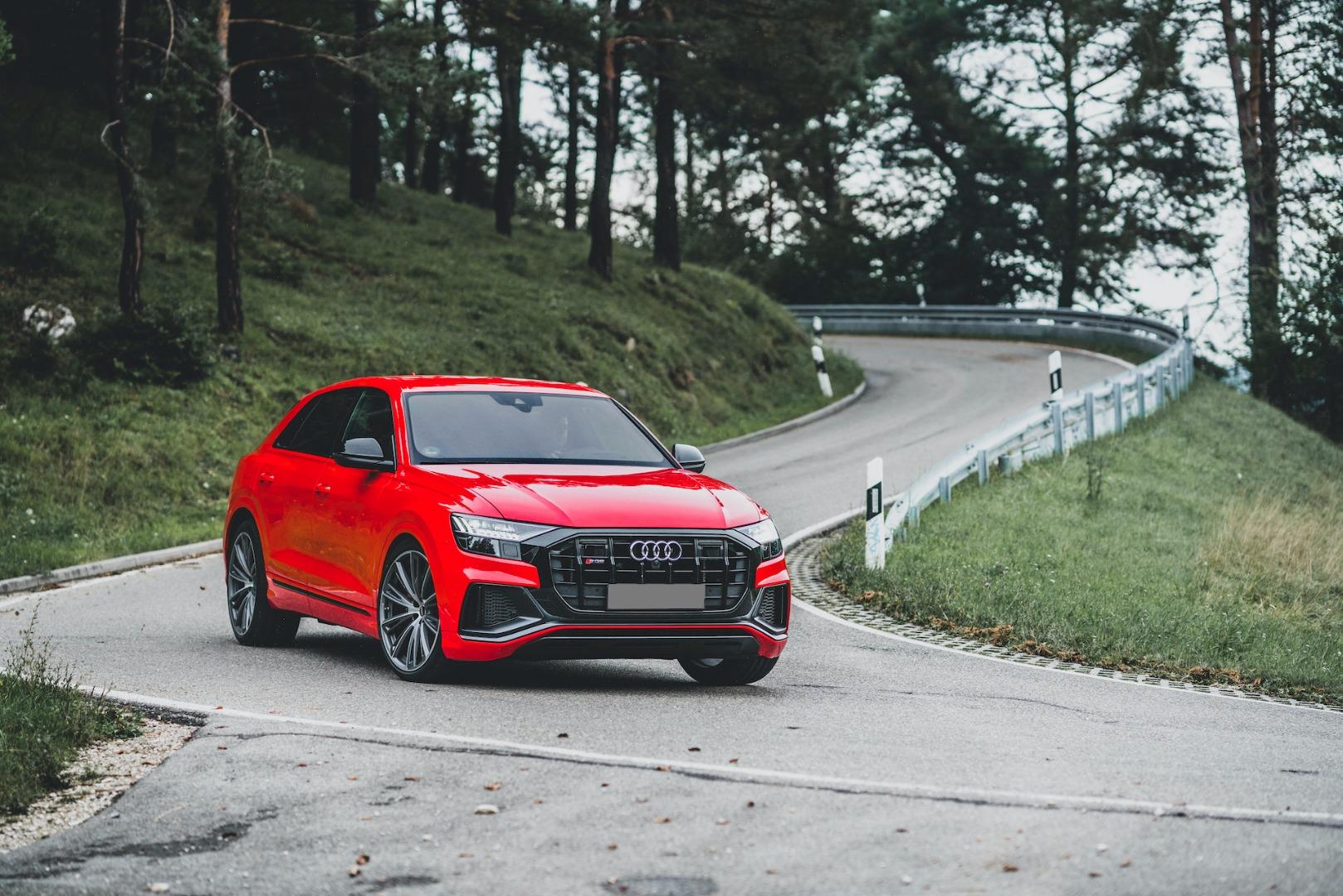
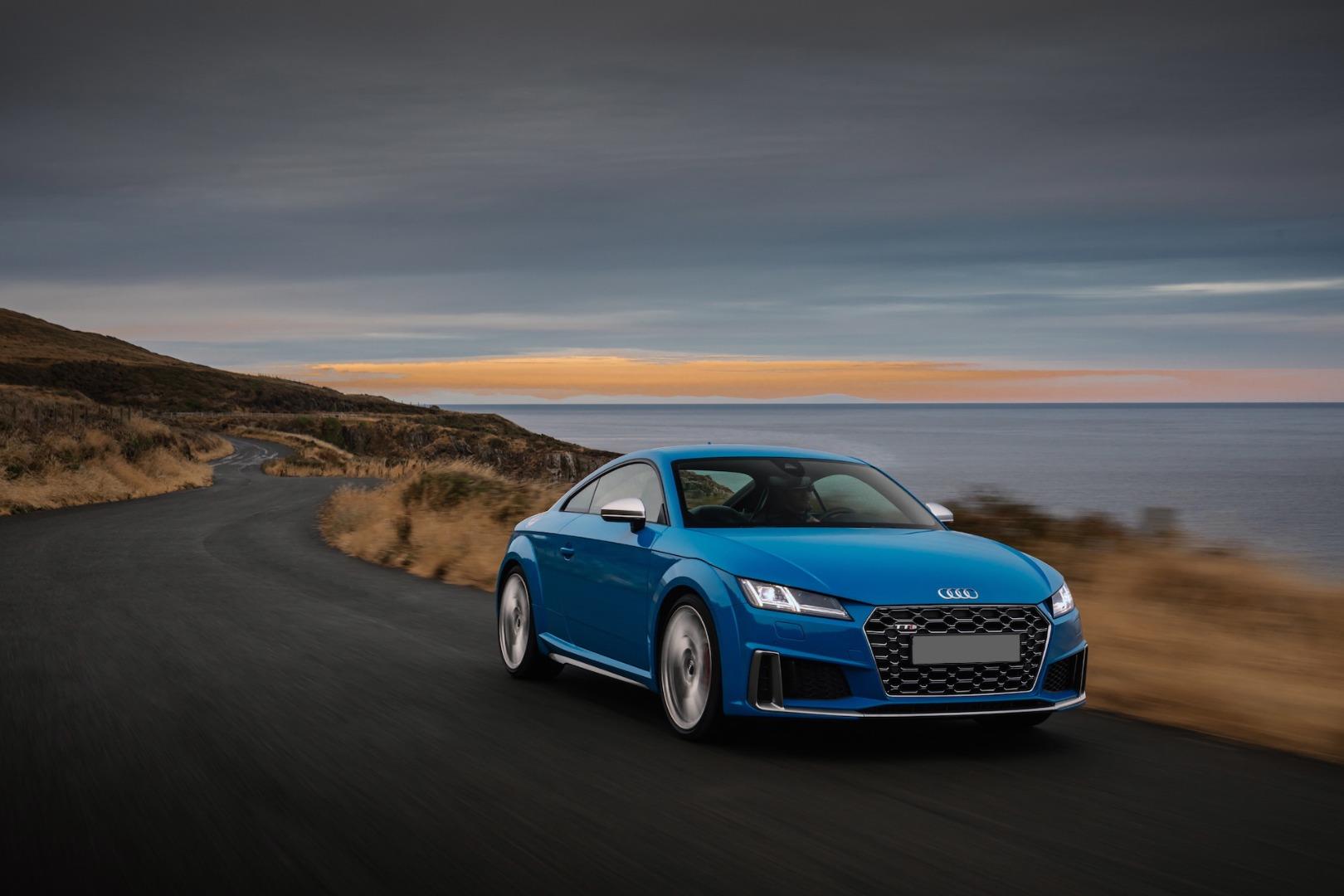
This convention started with the 1991 Audi S4 quattro (later renamed S6, and a nameplate that’s still in use today), before spreading to its contemporary coupé (S2) and eventually encompassing almost the entire model range, from A1 (S1) to Q8 (SQ8). These are the mainstream range-toppers, and are all very accomplished performance machines.
Related: What is the difference between Audi S-cars and Audi S-Line?
Enter the RS2
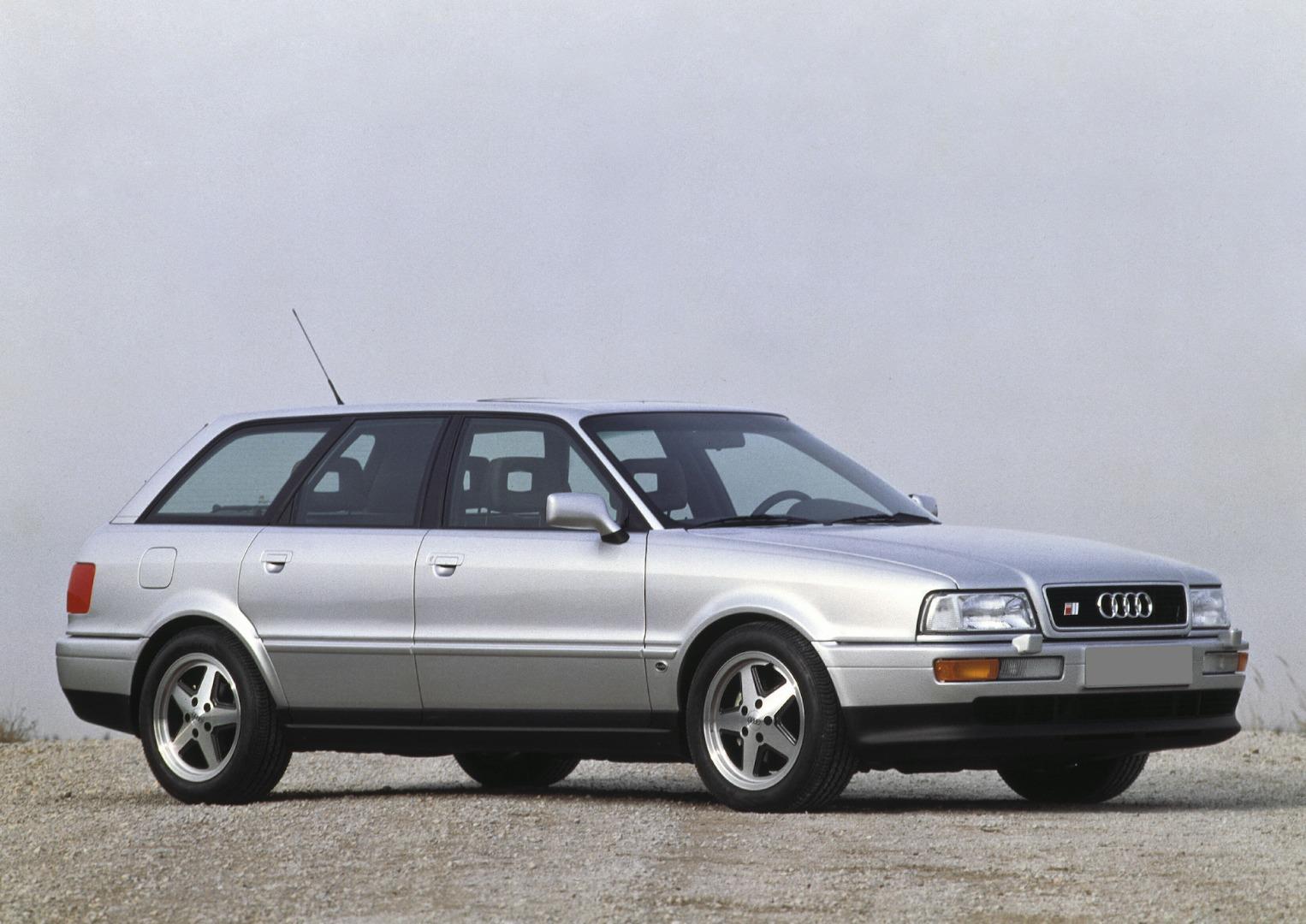
But there will always be customers for whom enough isn’t quite enough. For those buyers, Audi created their RS-car range, with even more power, unique body styling, and a rather more-extreme nature. We first met Audi RS-cars with the 1994 Audi RS2 Avant, which boasted a 2.2-litre 5-cylinder engine that was fettled by Porsche to produce 232 kW and 410 Nm – very wild for its era!
The second Audi RS-car was the 1999 B5 Audi RS4, but we unfortunately never received this 2.7-litre, twin-turbo V6 beast with its 280 kW and 440 Nm on local shores. Instead, our next RS exposure came with the 2002 Audi RS6.
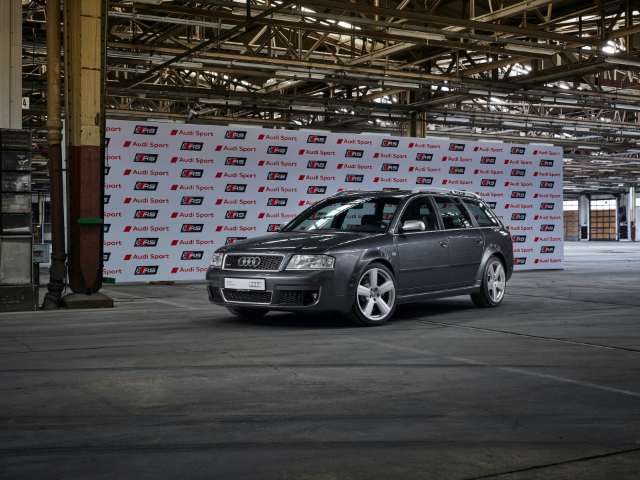
Based on the Audi A6 and available as a sedan and an Avant estate (not always a given with Audi RS cars), it received wider fenders, unique suspension (and wheels and brakes), and some fresh technology – in this case, Audi’s “Dynamic Ride Control” system, precursor to today’s multi-mode adaptive suspension. The RS6 also got a massive power boost, with at least 331 kW and 580 Nm making it brutally quick in its day.
It was followed in 2006 by the B7 RS4, the car which really cemented Audi RS’s reputation as a serious competitor to BMW M and Mercedes-Benz AMG in the “very fast family car” realm. The rest is history, and Audi’s RS-cars are now held in very high regard for their extreme performance.
Related: Audi launched a full-scale performance offensive in South Africa, with a full range of S- and RS-cars.
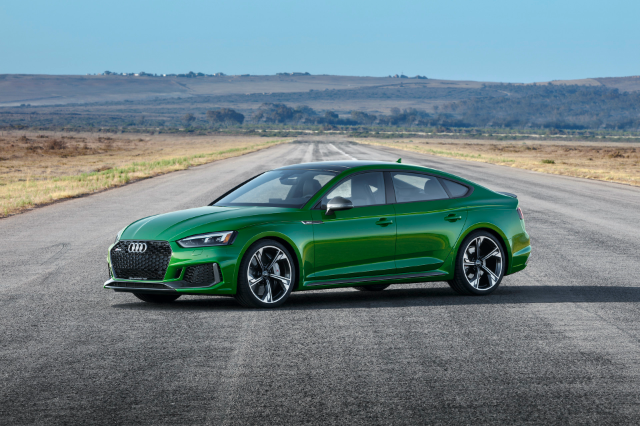
Current Audi S- and RS models in South Africa
Just as it was in the early days, RS-cars are built by Audi Sport GmbH (formerly Quattro GmbH) in a dedicated facility in Neckarsulm (Germany), while S-cars are built on the regular Audi production lines and form part of the normal model ranges. But, while early Audi RS-cars were stand-alone models (only one RS-badged was car in production at any given time), today’s RS range is much wider.
Related: The Audi RS7 is everything a (very) fast Audi should be, and a lot more!
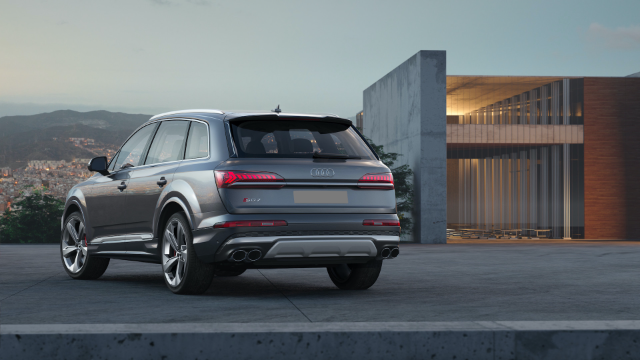
Audi S-cars
|
Model name |
Body Type |
Power Unit |
Rated outputs |
Performance (claimed) |
|
S3 |
4-door sedan, 5-door Sportback |
2.0-litre turbo petrol, 4-cylinder |
213 kW/ 400 Nm |
0 – 100 km/h in 4.9 seconds, 250 km/h (governed) |
|
TTS Coupé |
2-door coupé |
2.0-litre turbo petrol, 4-cylinder |
228 kW/380 Nm |
0 – 100 km/h in 4.9 seconds, 250 km/h (governed) |
|
S4 |
4-door sedan |
3.0-litre single-turbo petrol V6 |
260 kW/ 500 Nm |
0 – 100 km/h in 4.7 seconds, 250 km/h (governed) |
|
S5 |
2-door coupé and cabriolet, 5-door Sportback. |
3.0-litre single-turbo petrol V6 |
260 kW/ 500 Nm |
0 – 100 km/h in 4.7 seconds, 250 km/h (governed) |
|
S6 |
4-door sedan |
2.9-litre twin-turbo V6 |
331 kW/ 600 Nm |
0 – 100 km/h in 4.5 seconds, 250 km/h (governed) |
|
S7 |
5-door Sportback |
2.9-litre twin-turbo V6 |
331 kW/ 600 Nm |
0 – 100 km/h in 4.6 seconds, 250 km/h (governed) |
|
S8 |
4-door sedan |
4.0-litre twin-turbo V8 |
420 kW/ 800 Nm |
0 – 100 km/h in 3.8 seconds, 250 km/h (governed) |
|
SQ5 |
5-door SUV, 5-door Sportback SUV |
3.0-litre single-turbo petrol V6 |
260 kW/ 500 Nm |
0 – 100 km/h in 5.4 seconds, 250 km/h (governed) |
|
SQ7 |
5-door SUV |
4.0-litre twin-turbo diesel V8 |
310 kW/ 900 Nm |
0 – 100 km/h in 4.8 seconds, 250 km/h (governed) |
|
SQ8 |
5-door Sportback SUV |
4.0-litre twin-turbo diesel V8 |
310 kW/ 900 Nm |
0 – 100 km/h in 4.8 seconds, 250 km/h (governed) |
Related: This review explains why the latest Audi S8 is a gentlemanly gangster.
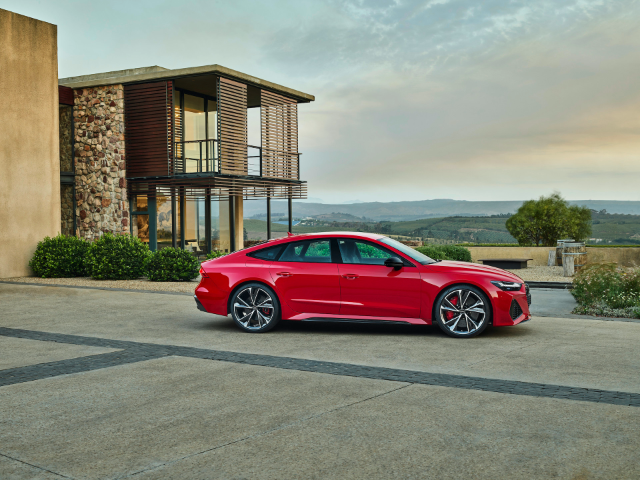
Audi RS-cars
|
Model name |
Body Type |
Power Unit |
Rated outputs |
Performance (claimed) |
|
TT RS |
2-door coupé and roadster |
2.5-litre turbo petrol, 5-cylinder |
294 kW/ 480 Nm |
0 – 100 km/h in 3.7 seconds, 250 km/h (governed) |
|
RS4 Avant |
5-door estate |
2.9-litre twin-turbo petrol V6 |
331 kW/ 600 Nm |
0 – 100 km/h in 4.1 seconds, 250 km/h (governed) |
|
RS5 |
2-door coupé, 5-door Sportback |
2.9-litre twin-turbo petrol V6 |
331 kW/ 600 Nm |
0 – 100 km/h in 3.9 seconds, 250 km/h (governed) |
|
RS6 Avant |
5-door estate |
4.0-litre twin-turbo petrol V8 |
441 kW/ 800 Nm |
0 – 100 km/h in 3.6 seconds, 250 km/h (governed) |
|
RS7 |
5-door Sportback |
4.0-litre twin-turbo petrol V8 |
441 kW/ 800 Nm |
0 – 100 km/h in 3.6 seconds, 250 km/h (governed) |
|
RSQ3 |
5-door SUV, 5-door Sportback SUV |
2.5-litre turbo petrol, 5-cylinder |
294 kW/ 480 Nm |
0 – 100 km/h in 4.5 seconds, 250 km/h (governed) |
|
RSQ8 |
5-door Sportback SUV |
4.0-litre twin-turbo petrol V8 |
441 kW/ 800 Nm |
0 – 100 km/h in 3.8 seconds, 250 km/h (governed) |
* Note that the Audi S- and RS model ranges are constantly evolving: These tables were accurate at the time of publication, but are subject to change without prior notice.


