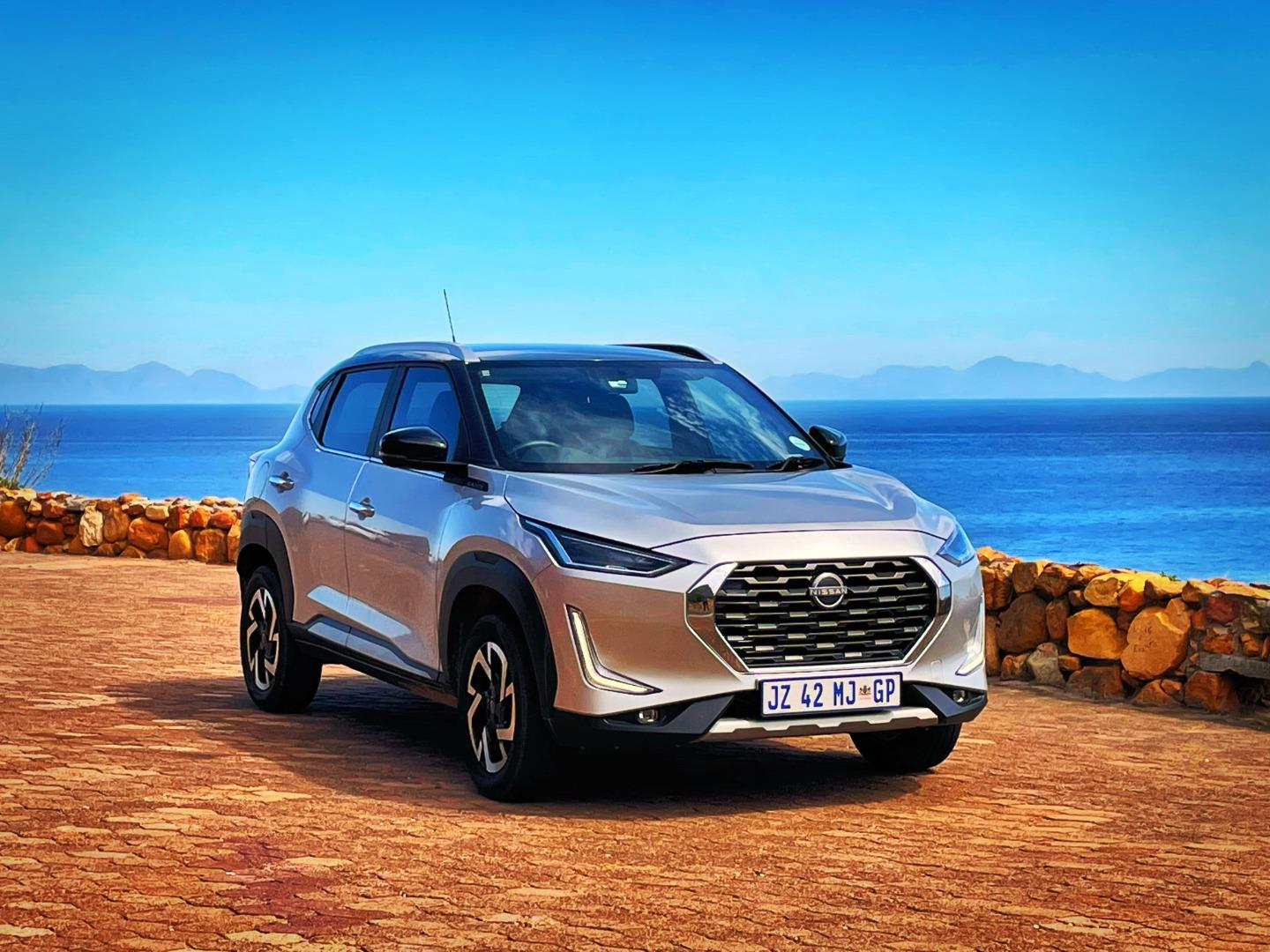
Renault Kiger and Nissan Magnite compete in the same compact SUV space, share a platform and engine family, but target slightly different buyers. In South Africa in 2026, Magnite leans into safety, engine choice and range breadth, while Kiger focuses on value, simplicity and more boot space.
Both cars are assembled in Chennai, India.
Line‑up and pricing in South Africa
Renault Kiger
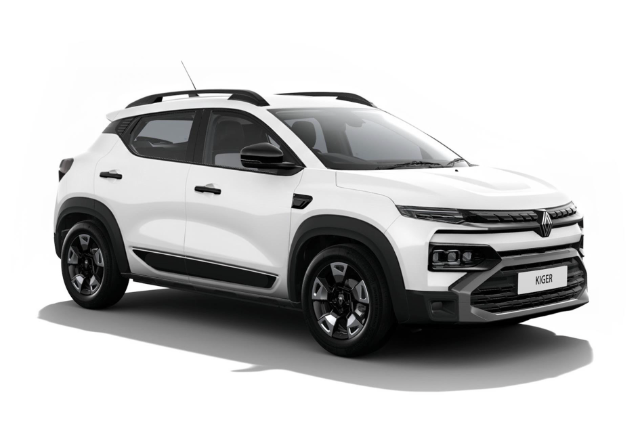
| Model | Engine | Transmission | Price (incl emissions tax) |
|---|---|---|---|
| Kiger 1.0 Evolution | 1.0 NA petrol | 5‑speed manual | R 219 999 |
| Kiger 1.0 Techno manual | 1.0 NA petrol | 5‑speed manual | R 244 999 |
| Kiger 1.0 Techno auto | 1.0 NA petrol | EASY‑R AMT | R 254 999 |
The current SA Kiger range is 1.0‑litre naturally aspirated (NA) only. The 1.0‑turbo (Zen, Intens, CVT) is now a used‑market story after being dropped with the 2025 facelift.
Nissan Magnite (new)
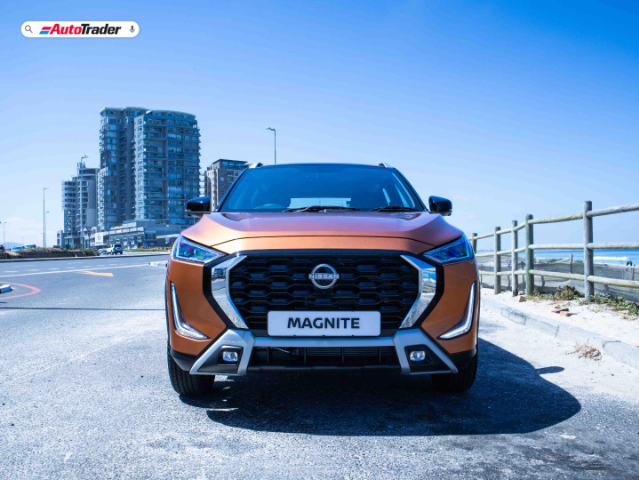
| Model | Engine | Transmission | Price |
|---|---|---|---|
| Magnite 1.0 Move panel van | 1.0 NA petrol | Manual | R 229 900 |
| Magnite 1.0 Visia manual | 1.0 NA petrol | Manual | R 252 200 |
| Magnite 1.0 Visia auto | 1.0 NA petrol | Automatic | R 269 200 |
| Magnite 1.0 Acenta manual | 1.0 NA petrol | Manual | R 277 300 |
| Magnite 1.0 Acenta auto | 1.0 NA petrol | Automatic | R 294 400 |
| Magnite 1.0 Turbo Visia | 1.0 turbo petrol | Manual | R 301 900 |
| Magnite 1.0 Acenta Plus | 1.0 NA petrol | (auto) | R 323 900 |
| Magnite 1.0 Turbo Acenta manual | 1.0 turbo petrol | Manual | R 329 900 |
| Magnite 1.0 Turbo Acenta auto | 1.0 turbo petrol | Automatic | R 344 900 |
| Magnite 1.0 Turbo Acenta Plus | 1.0 turbo petrol | (auto/CVT) | R 370 900 |
Magnite still offers both NA and turbo engines, with manual and automatic options across several trim levels.
In this article, we also compare the Toyota Starlet Cross and Suzuki Fronx to the Renault Kiger.
Shared DNA vs key differences
Platform, engines and size
| Category | Nissan Magnite | Renault Kiger (current SA range) | Same / Different? |
|---|---|---|---|
| Platform & origin | CMF‑A+ platform, built in India | CMF‑A+ platform, built in India | Same |
| Engine options (new) | 1.0 NA petrol, 1.0 turbo petrol | 1.0 NA petrol only (Evolution & Techno, man/AMT) | Different |
| Engine history | 1.0T offered from launch and still available | 1.0T previously offered (Zen/Intens, incl. CVT), dropped with 2025 facelift | Previously similar; now diverged |
| Length/wheelbase | 3 994 mm / 2 500 mm | 3 990 mm / 2 500 mm | Almost identical |
| Boot capacity | 336 L seats up, 690 L seats folded | 405 L seats up, 879 L seats folded | Kiger wins on boot |
Space and everyday usability
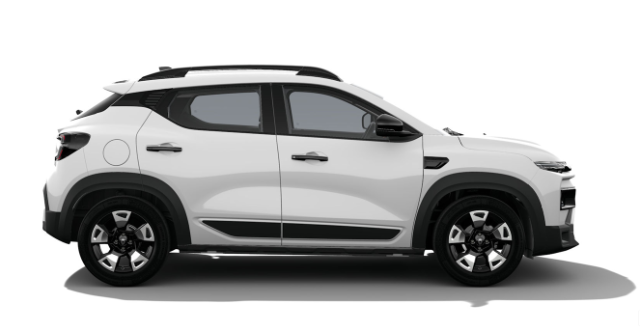
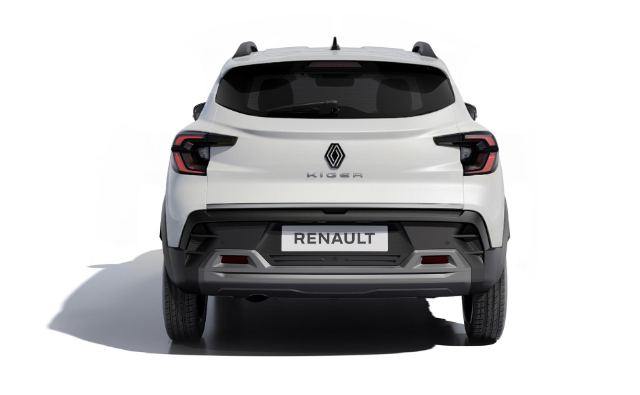
The Renault Kiger’s standout feature is its 405‑litre boot, expanding to 879 litres with the rear seat folded. That makes it one of the most luggage‑friendly options in this class and suits owners with prams, sports kit or frequent family trips.
Nissan Magnite counters with a 336‑litre boot, extending to 690 litres with the seats folded. That is still practical but clearly behind the Kiger for outright volume.
Inside, Magnite generally feels slightly more accommodating for rear passengers, thanks to its packaging and seating, while both vehicles offer comparable ground clearance and are tuned for urban use, able to handle gravel or rough roads.
Safety: Magnite’s biggest advantage
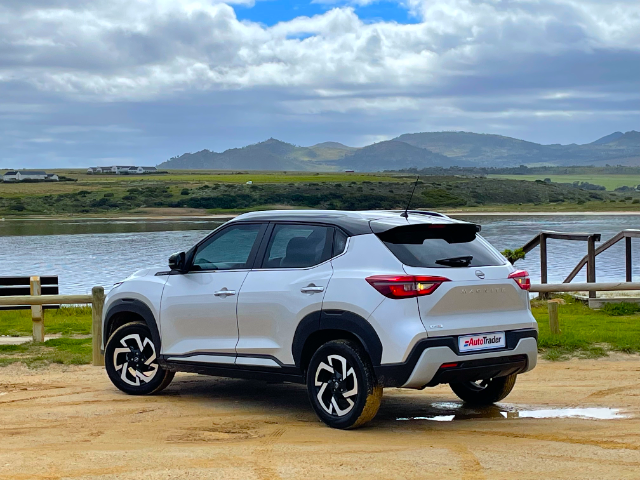
Kiger’s spec is solid, but Magnite has the stronger safety story.
Kiger Evolution comes with four airbags (front and side), ESC, ABS, EBD, hill‑start assist, traction control, TPMS, rear PDC, a rear camera, and ISOFIX. Techno upgrades to six airbags (front, side and curtain) with the same active‑safety suite.
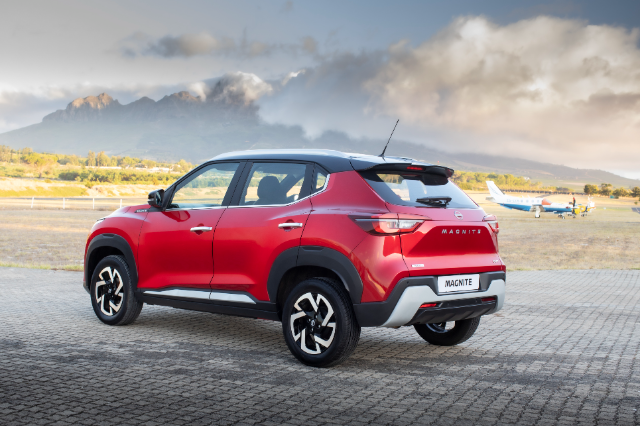
Magnite goes further. All passenger trims now have six airbags and ESC/VDC as standard, along with ABS, EBD, brake assist, hill‑start assist, TPMS, three‑point belts at every seat, ISOFIX, alarm/immobiliser and rear PDC. High‑spec derivatives add a 360‑degree Around View Monitor.
Most importantly, the updated Magnite has a 5‑star Global NCAP rating for adult protection (3 stars for child) on the configuration that includes six airbags and ESC, matching what is now offered here.
Kiger Techno offers six airbags and stability control at a sharp price, but does not currently have a matching public crash‑test result for our market.
Engines, performance and efficiency
Both use a 1.0‑litre three‑cylinder petrol engine, but they are offered in different ways.
Kiger’s current SA line‑up uses the 1.0 naturally aspirated engine only, paired with a 5‑speed manual or EASY‑R AMT. Claimed consumption is in the low‑5 L/100 km region, making it a sensible daily‑driver choice if you are not chasing performance.
Magnite offers the same basic 1.0 naturally aspirated engine, plus a 1.0‑litre turbocharged petrol engine. The turbo versions deliver stronger in‑gear acceleration and overtaking while still returning competitive economy when driven reasonably, especially on the open road.
The Kiger 1.0-litre turbo sold here mirrors the Magnite turbo mechanically but was removed from the new‑car price list with the 2025 facelift. As a buyer in 2026, a turbo‑powered option in this pair means a new Magnite or a used Kiger 1.0 turbo, until the new model arrives in the coming months.
Reliability overview
Given the shared engine family, reliability is broadly similar in principle, but use and maintenance matter.
For both Kiger and Magnite, the 1.0 NA engines are mechanically simple and generally robust when serviced on time. Most owner complaints tend to centre on refinement (noise, rattles, trim durability) and after‑sales experiences rather than major engine failures.
The 1.0‑turbo motors add performance and complexity. They can deliver good service life if treated correctly, but are more sensitive to oil quality, warm‑up and driving style, particularly when paired with an automatic or CVT. That applies to Magnite turbo today, and to used Kiger turbos in the market.
For a new‑car shopper comparing Kiger vs Magnite NA, reliability is more about dealer quality and maintenance discipline than a clear mechanical winner.
Which one should you buy?
Nissan Magnite is the better fit if you prioritise safety, engine choice and long‑term confidence. It offers six airbags and ESC across the range, a 5‑star Global NCAP adult rating, and the option of both naturally aspirated and turbocharged engines. That makes it attractive to buyers who do regular highway mileage, need stronger overtaking and care about resale.
Renault Kiger is the more rational choice if you are content with a naturally aspirated 1.0‑litre engine, want a big boot and are working within a tighter budget. The current Evolution and Techno line‑up is intentionally simple, with Techno in particular offering six airbags and stability control at a competitive price. For a family that values luggage capacity and straightforward ownership over outright performance, the Kiger still makes a lot of sense. Read all more Nissan Magnite/Renault Kiger stories here.