A three-digit number will follow you through most of your adult life. This number will determine whether you can open accounts, rent or buy property, and, yes, even finance a car. This number fluctuates over time and is tied to everything you do, including your overall credit balance.
Related: Does leasing a car affect your credit score?
Once you have established a pattern of taking out credit and paying it back, and have managed it monthly to ensure a proper lending agreement, your credit score will be established and used by all creditors to determine whether you are a good or bad borrower. When you are seeking vehicle finance, this score is used to decide whether you will be approved.
Where can you finance a car with bad credit?
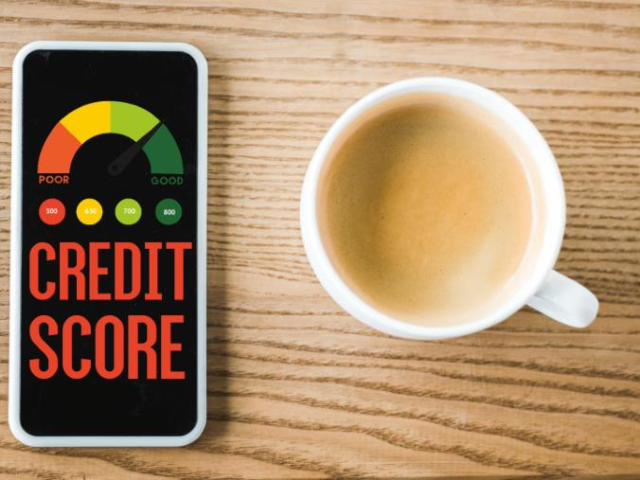
The credit scoring system and you
Take a look at these ratings to find out whether a financial institution will approve your application:
- 300 and 579, your rating is very poor, and you will most likely not be approved for car finance.
- 580 and 669, your rating is fair, and you are considered a subprime borrower. The dealership will consider your application.
- 670 and 739, you have a good rating, and as such, you are not likely to default on your finance agreement. Finance will be approved.
- 740 and 799: You are excellent and likely to receive better-than-average interest rates from finance houses.
- Your 800 and 850 ratings are exceptional, and you are considered among the best for interest rates from lenders.

It pays to know your credit score.
There are several ways to check your credit score. You can visit TransUnion or Experian to get one free credit score check per year. (Experian also says they won't penalise you for checking your credit score with them on My Credit Check.)
The results are live, but a further inquiry will cost you if you try to check again. You can also use ClearScore, but it's usually about a month behind because it is free. If your credit score is nonexistent or not good enough, you can ask someone to sign a surety for you, but there are issues to consider, which you can find out about here.
Important Factors to Remember
Your credit score is key: A high credit score (670+) will likely get you a better interest rate, lowering your monthly payment and increasing your affordability. A lower score will have the opposite effect.
The deposit: A deposit (or down payment) can significantly lower your monthly instalments and the total interest you pay. The more you can put down, the cheaper the car becomes in the long run.
The interest rate: The interest rate you are offered is the most significant variable. A difference of just 1-2% can change your monthly repayment by hundreds of Rands.
Loan term: A longer loan term (e.g., 72 months) will give you a lower monthly payment, but you will pay significantly more in total interest over the life of the loan. A shorter term (e.g., 48 months) means higher monthly payments but less total interest.
The full cost of ownership: Don't forget to budget for other expenses:
Car insurance is mandatory for financed vehicles and costs hundreds or even thousands of Rands a month.
Fuel: Fluctuating fuel prices can be a high monthly cost.
Maintenance & servicing: Older cars, in particular, may require regular and sometimes expensive repairs.
Licence & registration fees.

You need a decent credit score to get car financing
The reality of getting any credit extension in South Africa is that you will be judged on your credit score. The lower your score, the less likely you will be approved. Several factors affect your personal score, from the number of accounts you have to how you manage your payments and your existing credit lines.
- Credit applications within the last 6 months
- Usage of credit (more than 50% of available limit)
- Payment history
- Open accounts
- Defaults
- Court Judgements
If you want to breeze through your finance application, you should ideally have a credit score in the mid-700s. The financier may still consider you if you have a large enough deposit, but anything below 670 will generally be declined.