
What does Audi’s new engine badges mean?
In days of old, you could easily distinguish various Audi powertrains based on their badging. If there was a 1.8-litre engine under the bonnet, it would say “1.8” on the rear end, and a “3.0” badge meant that the engine displaced 3.0-litres. But, with the advent of downsizing, the actual engine capacity doesn’t really matter anymore, so Audi devised a new (and somewhat confusing) naming convention...


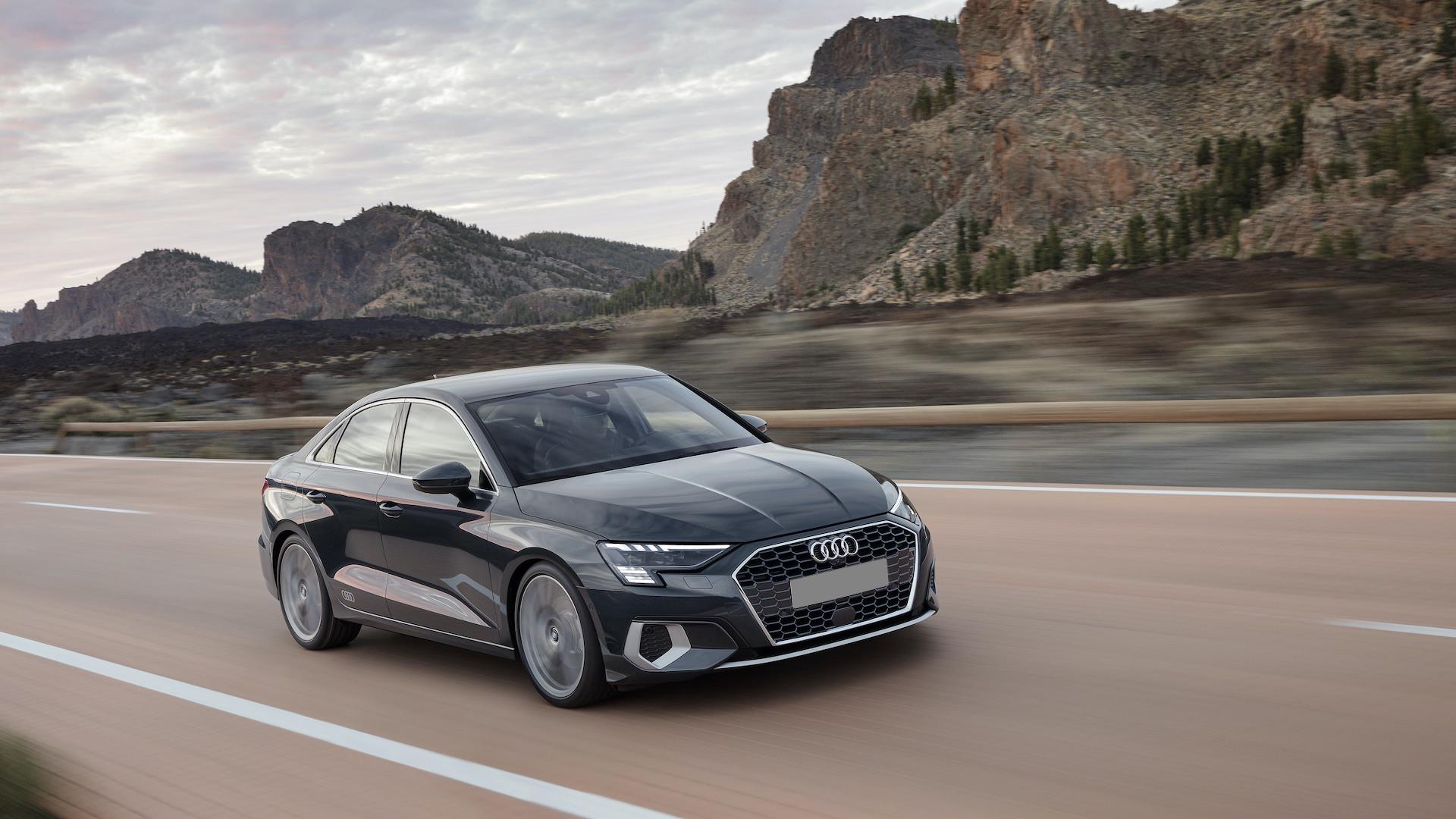
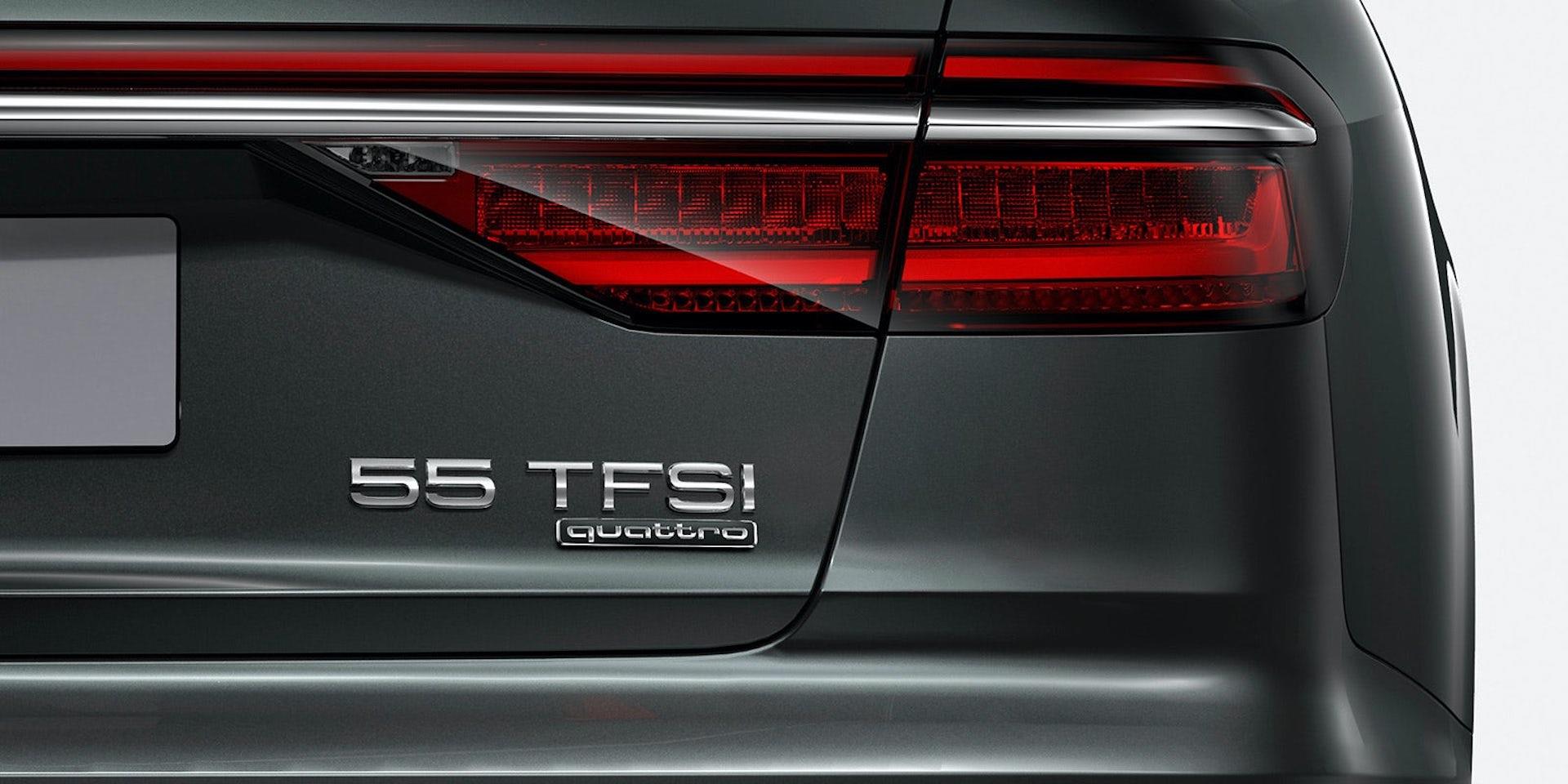
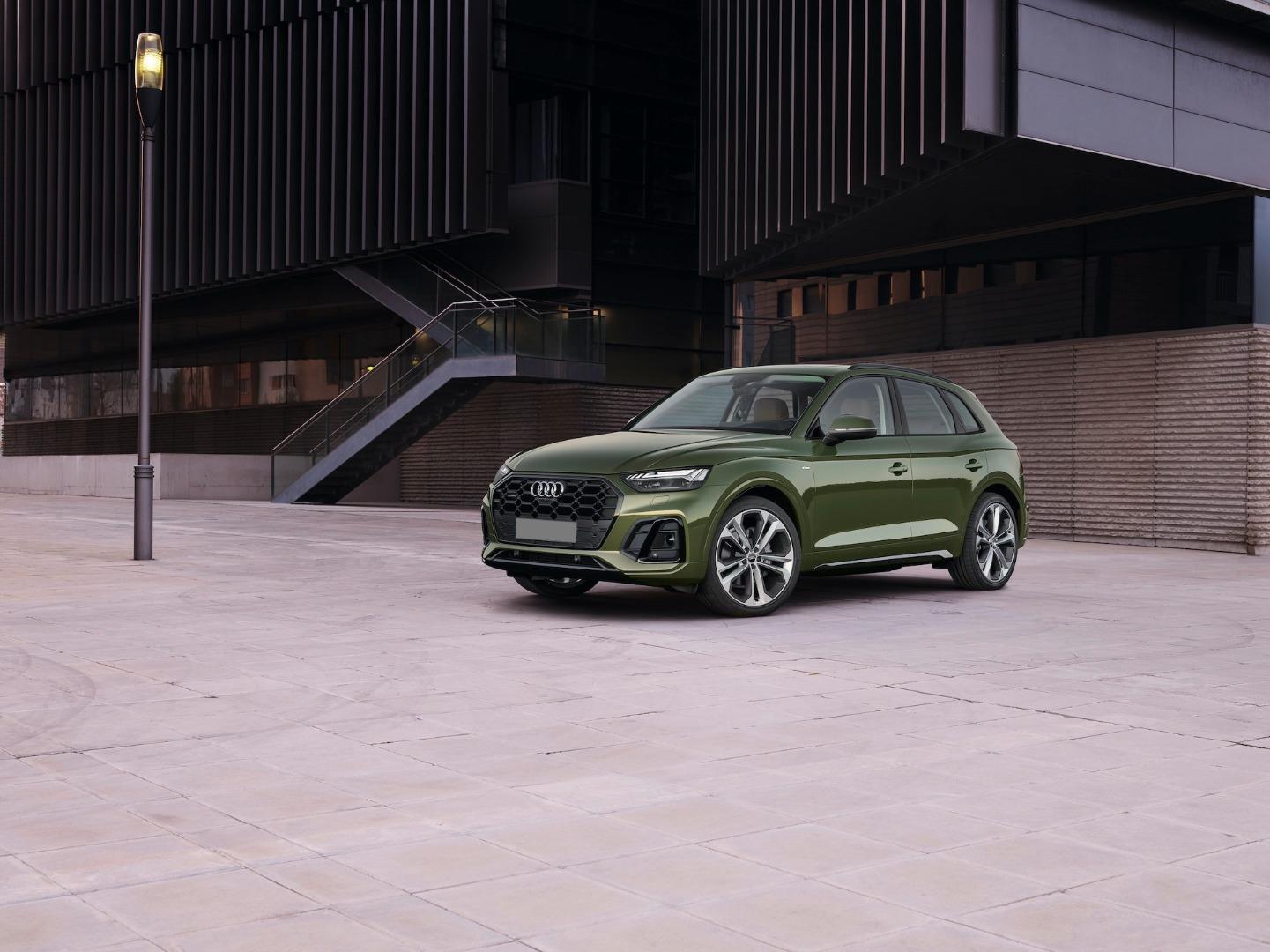
Adding extra layers of complication to simply indicating the engine’s displacement, is the fact that one engine can often be had in multiple stages of tune. In international-market Audi A4s, for instance, you could have petrol 2.0-litres with 3 output levels, with a similar selection of turbodiesels. And, now that Audi’s going all-electric, there soon wouldn’t be an actual engine displacement anyway, so simply slapping a “2.0” badge on the boot wouldn’t suffice anymore.
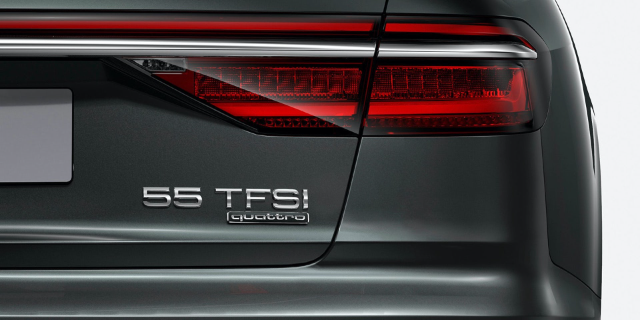
To address this issue, Audi came up with a new naming convention, which refers to the power unit’s rated power output. This hierarchy starts with 30 and goes up all the way to 70, with the propulsion type affixed to the end – TDI for diesels, TFSI for petrols, and TFSIe for petrol-electric hybrids. Their new electric range also sticks to this formula, but add the “e-tron” in front of the relative power rating.
Related: Read this review of the Audi Q3 Sportback 40TFSI to find out more about Audi's compact SUV-coupé.
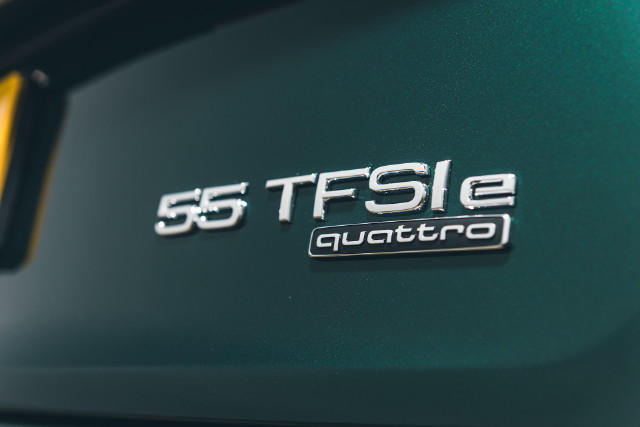
Audi badging protocol
The new rating designation covers the spread from 81 kW to 400+ kW as follows:
|
Powertrain Label |
Power Output Range |
|
30 |
81 kW – 96 kW |
|
35 |
110 kW – 120 kW |
|
40 |
125 kW – 150 kW |
|
45 |
169 kW – 185 kW |
|
50 |
210 kW – 230 kW |
| 55 | 245 kW - 275 kW |
|
60 |
320 kW – 340 kW |
|
70 |
More than 400 kW |
Note that these labels don’t apply to “S” or “RS”-branded Audis: The sporty derivatives retain their previous identities, as they are each offered with only one engine in any specific market.
Related: Audi's storming RS7 quattro made a huge impression when we had it on review.
So, the next time you see a “35TFSI” badge on an Audi A3, don’t for a moment imagine that it carries a 3.5-litre engine. Instead, just know that it’s the first engine choice up from the entry-level (“30”) variant – a 1.4-litre turbo with 110 kW. And, as with Audi’s German competitors (who apply similar principles albeit with different nameplates), the larger number is the more-desirable one...


