We compared Peugeot 208 derivatives, and the efficiency crown goes to…
The current Peugeot 208 arrived locally during 2015, however, the French automaker gave the flagship GT Line derivative an update in early 2018. We compare the Peugeot 208 derivatives to find out which is the most efficient.

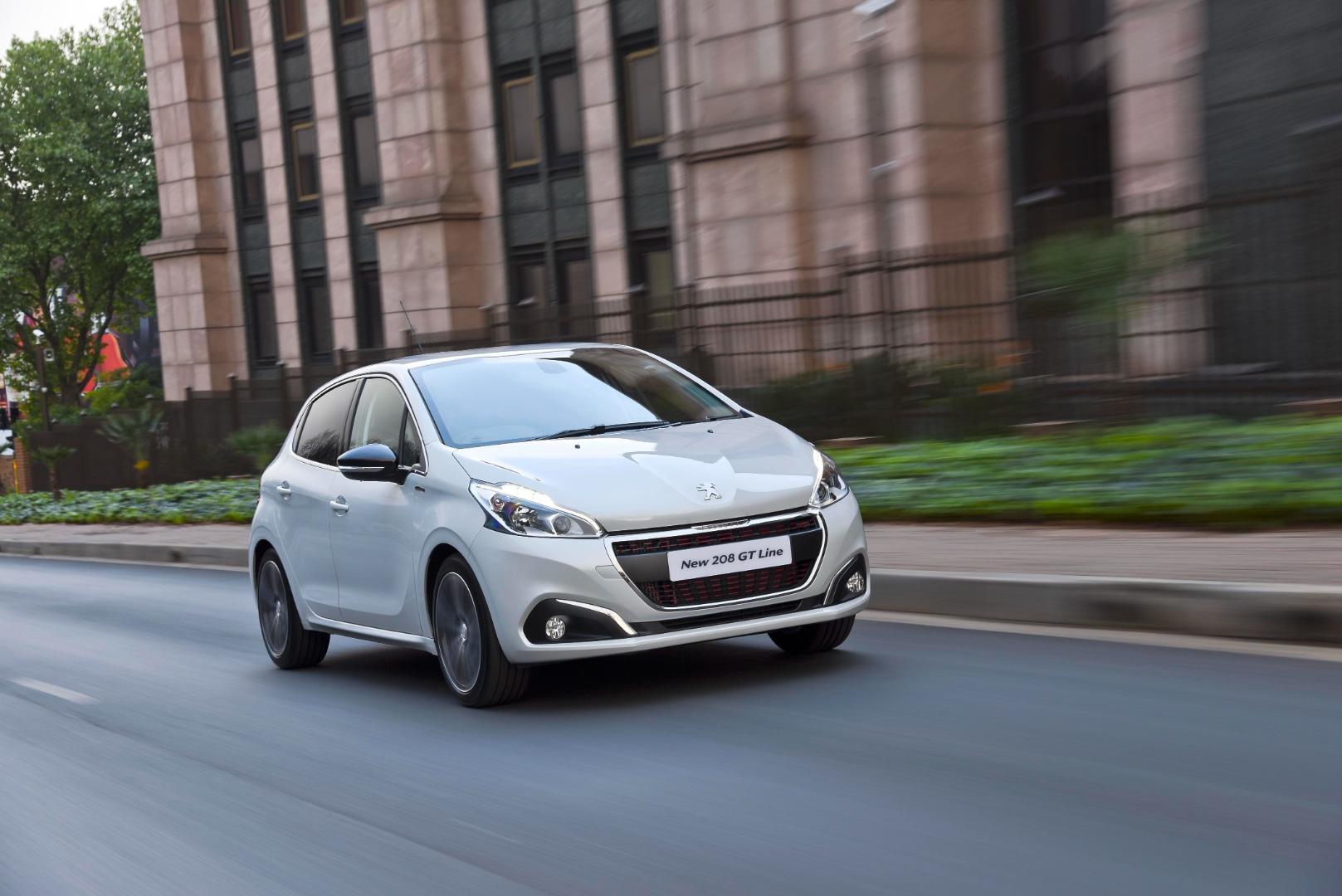
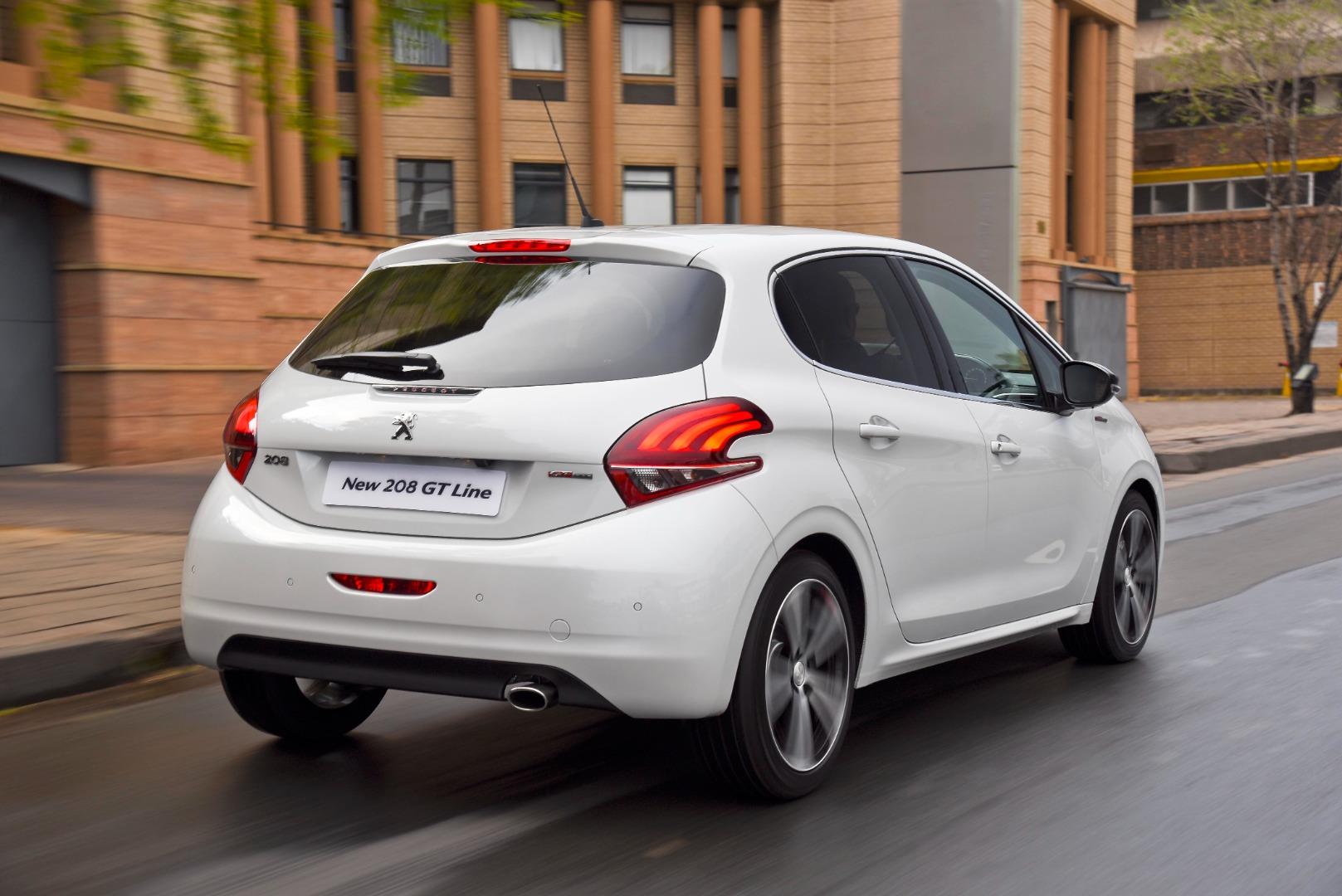
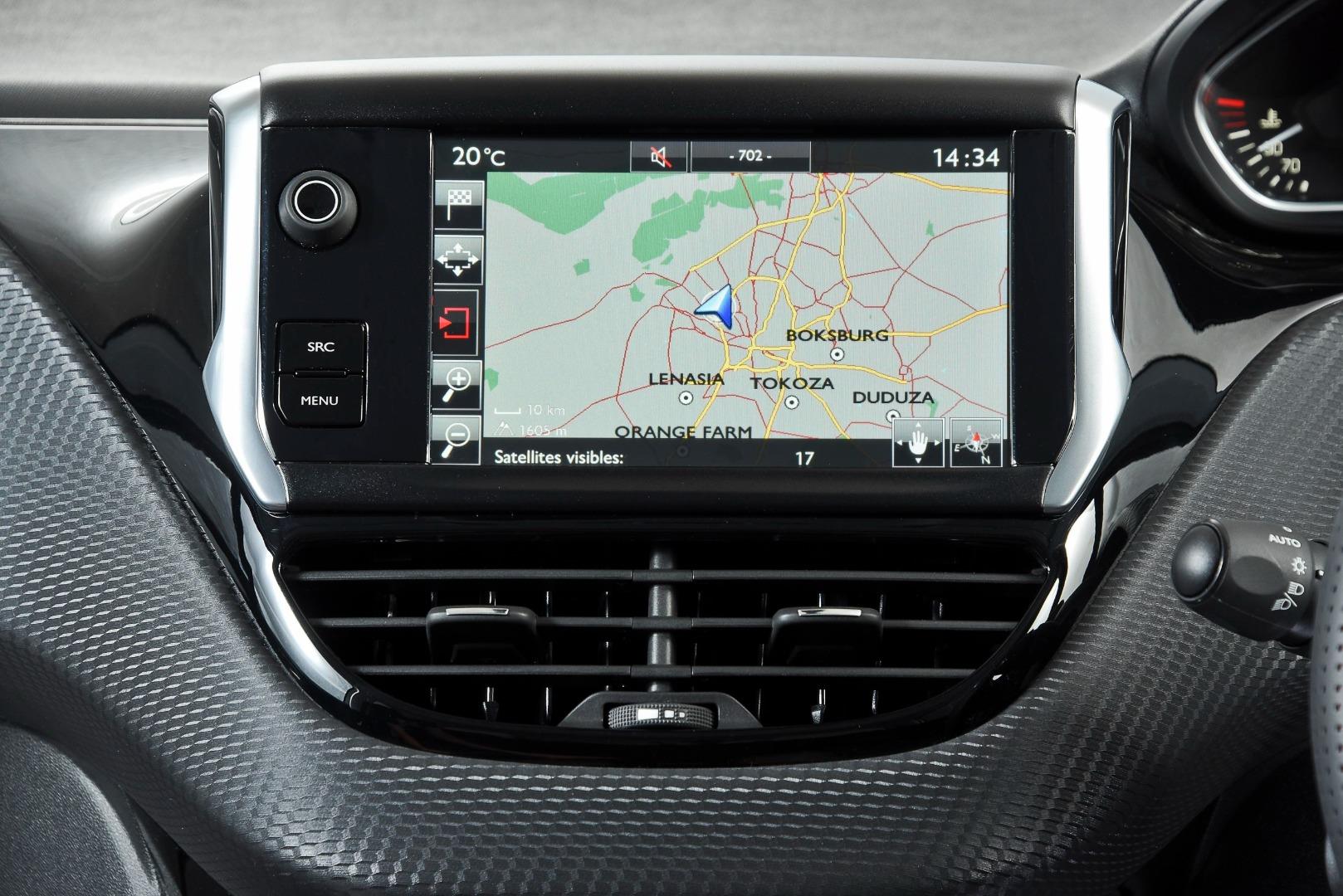
The 208 is Peugeot's hatchback offering which fits between the 108 compact hatchbacks and 2008 crossover SUV. Offered in three trim levels; Active, Allure and GT Line, the latter is offered in two variants with one fitted with a manual transmission and the other with an automatic.
Related: The new Peugeot 208 is here
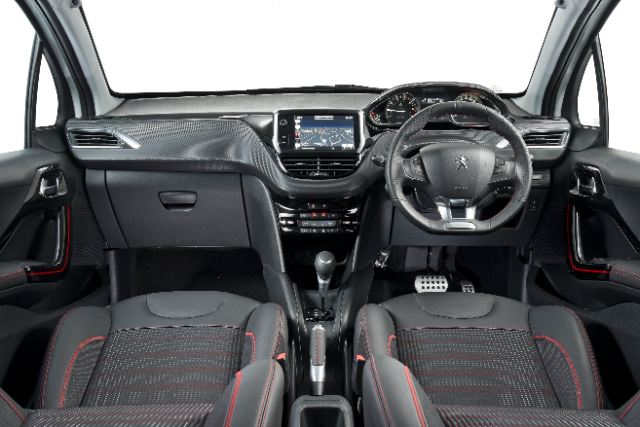
The entry-level Active and mid-spec Allure models both share the same engine and transmission setup with the GT Line offerings introducing a more powerful motor. The GT Line further incorporates additional exterior and interior enhancements, some of which resembles that of the iconic GTi models of the past.

Engines
While all the models feature a 1.2-litre, 3-cylinder petrol motor, the units in the GT Line variants see the addition of turbochargers. While the manual GT line model retains the same 5-speed transmission as found in the Active and Allure derivatives, the top-of-the-range offering comes fitted with a 6-speed automatic transmission.
| Peugeot 208 Active | Peugeot 208 Allure | Peugeot 208 GT Line manual | Peugeot 208 GT Line auto | |
| Engine | 1.2-litre, 3-cylinder, petrol | 1.2-litre, 3-cylinder, petrol | 1.2-litre, turbocharged, 3-cylinder, petrol | 1.2-litre, turbocharged, 3-cylinder, petrol |
| Transmission | 5-speed manual | 5-speed manual | 5-speed manual | 6-speed automatic |
| Power | 60 kW | 60 kW | 81 kW | 81 kW |
| Torque | 118 Nm | 118 Nm | 205 Nm | 205 Nm |
| 0-100 km/h | 12.2s | 12.2s | 9.6s | 9.8s |
| Top speed | 175 km/h | 175 km/h | 190 km/h | 190 km/h |
| Fuel consumption | 4.3 L / 100 km | 4.5 L / 100 km | 4.5 L / 100 km | 4.5 L / 100 km |
| CO2 emissions | 99 g/km | 103 g/km | 104 g/km | 104 g/km |
* This table was completed with information gathered from www.duoporta.co.za
Verdict
There is a clear distinction between the naturally-aspirated motors in the Active and Allure variants and the turbocharged engines in the GT Line derivatives. The forced-induction units see an increase in power of 21 kW and develop 87 Nm of additional torque. When compared side by side the naturally-aspirated motors offer near-identical figures with the only differences being the 0.2 L / 100 km fuel consumption deficit and the 4 g/km variation in CO2 emissions.
The two forced-induction motors are even closer in terms of figures with the only differentiation being the 0.2s quicker acceleration to 100 km/h from the manual derivative. Taking into consideration all the figures listed above, the Peugeot 208 GT Line manual shines out as the most efficient as not only will it beat the automatic variant to 100 km/h but offer near-identical frugality and emission figures from the less powerful Active and Allure models. Thus the crown goes to the Peugeot 208 1.2T GT Line in manual guise.
Recommended next: