
We compared Audi S6 engines, and the efficiency crown goes to…
Here we analyse the overall efficiency factors of the engines available in the Audi A6/S6 range. We factor in the performance gains you get with the hot petrol engine, versus the obvious fuel economy advantages of the diesel models.


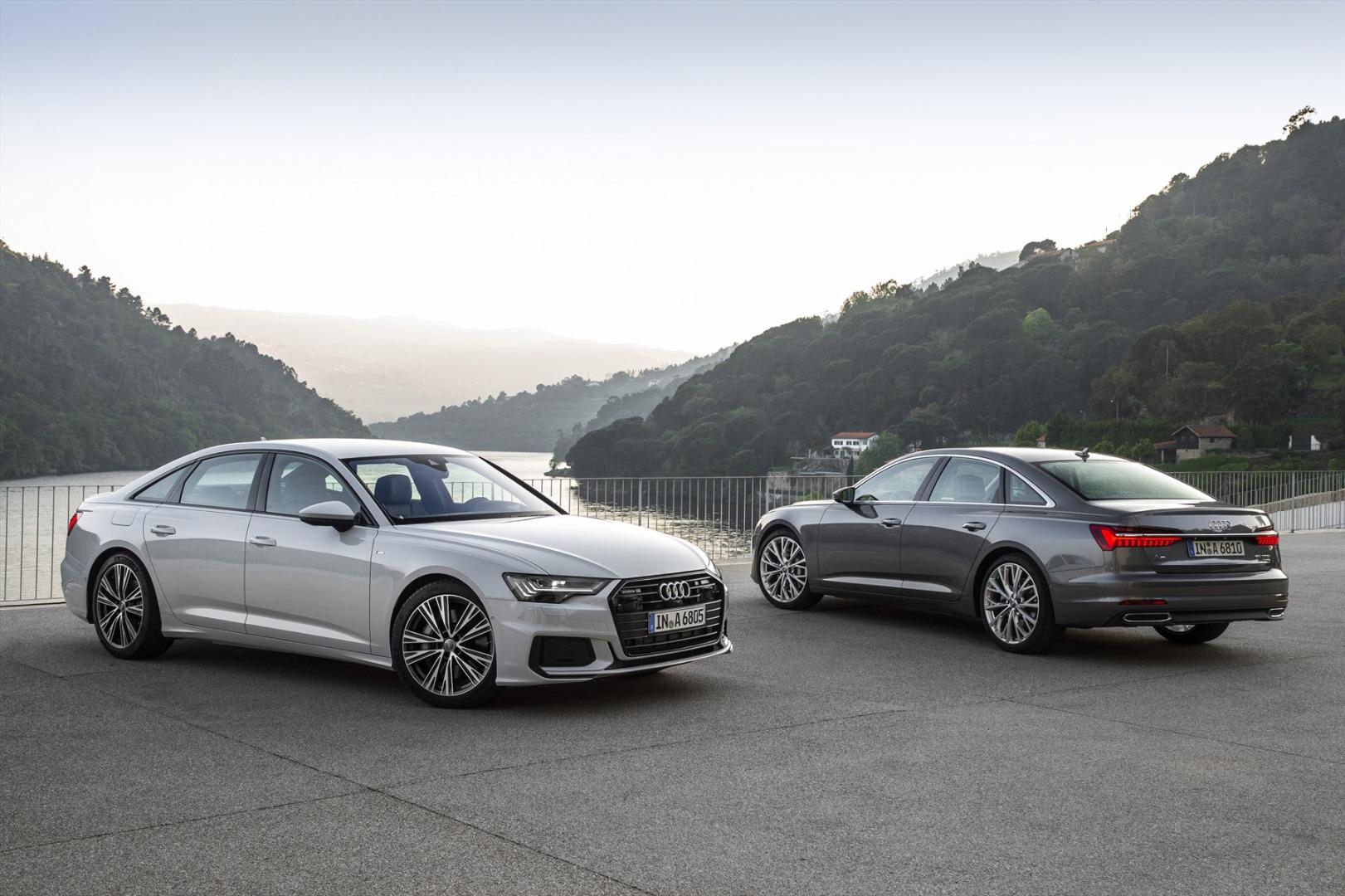
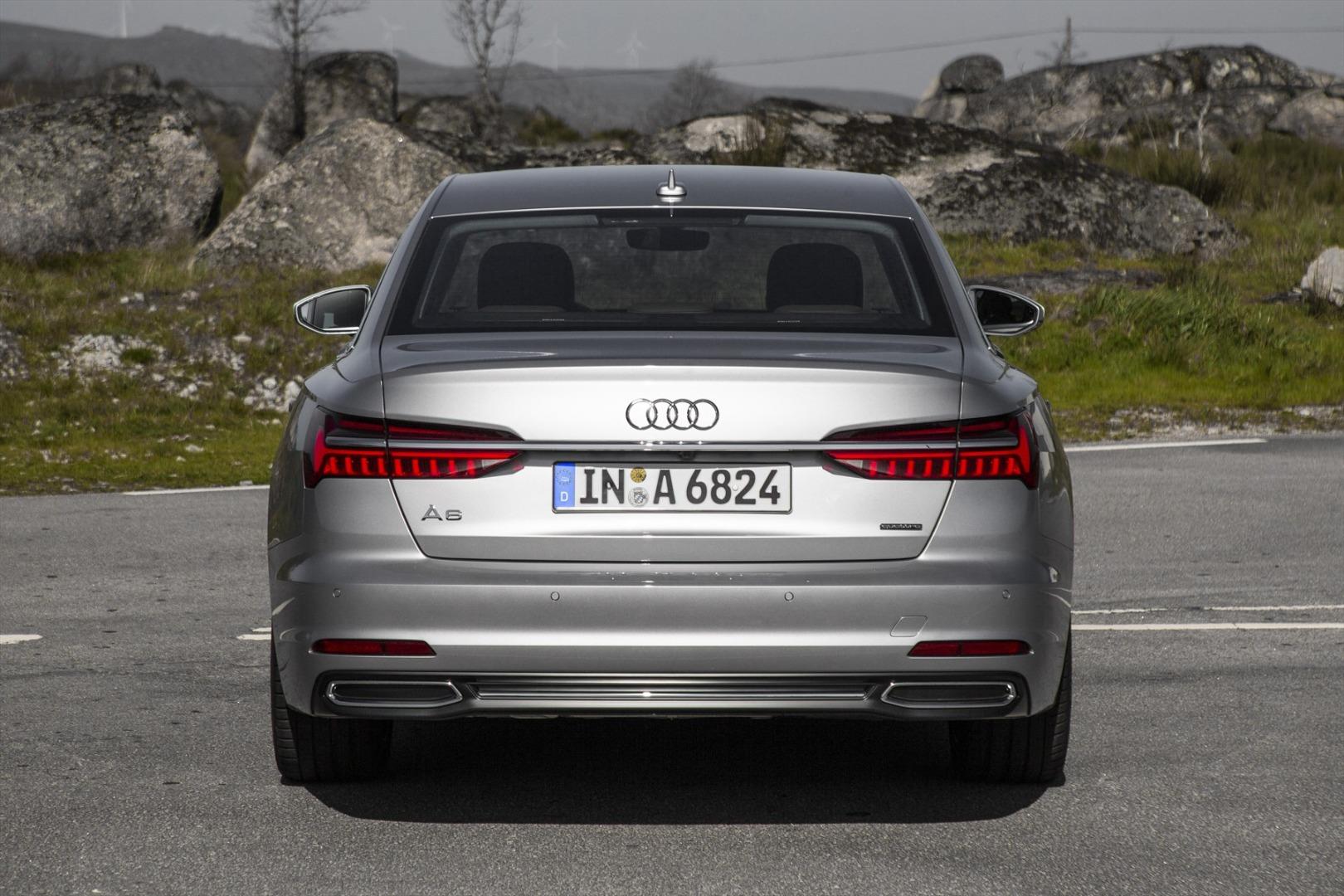
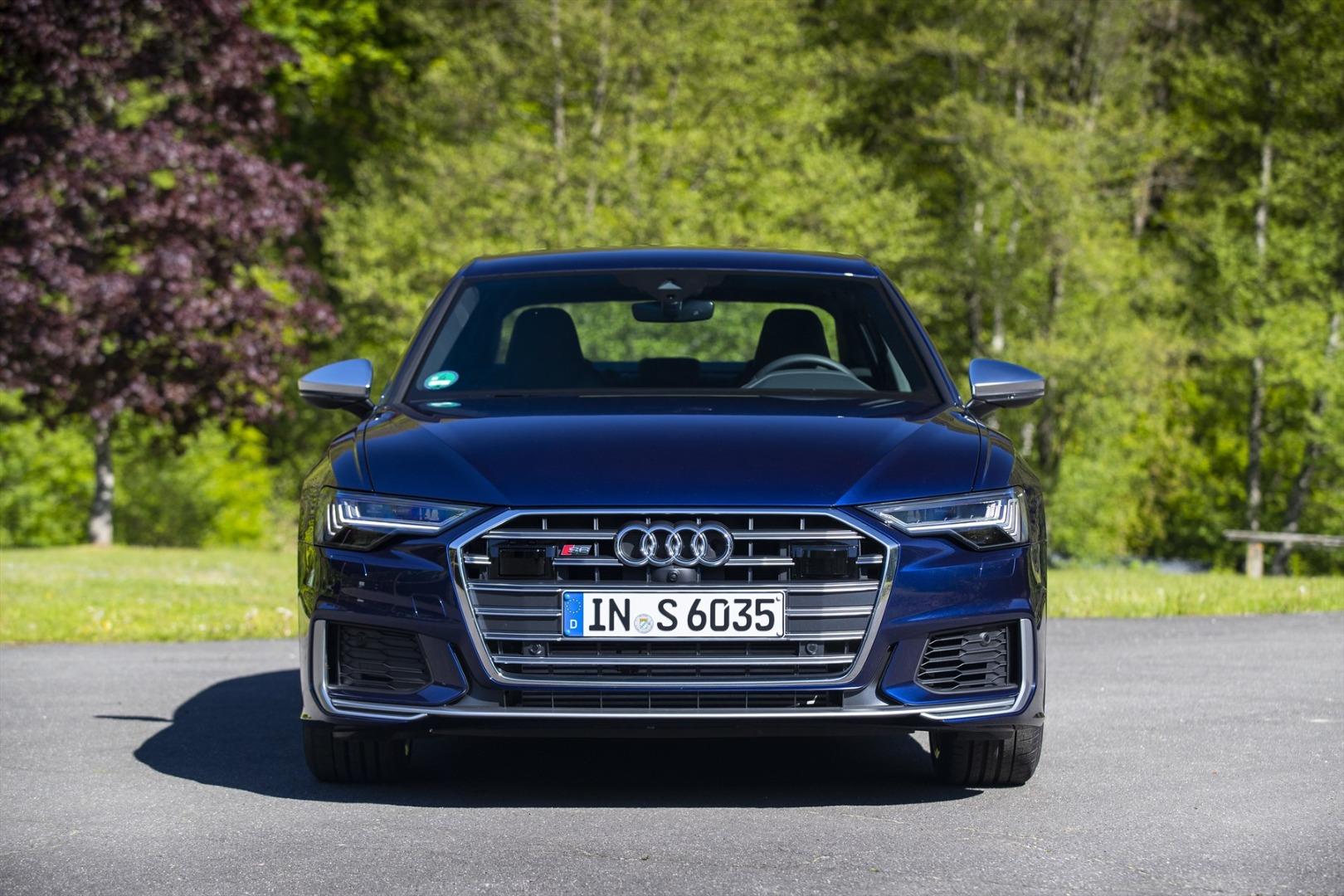
The latest A6/S6 range of the Audi took a while to reach these shores, but feedback we’ve received so far indicates that this rendition of the large sedan from Ingolstadt is very impressive indeed.
The styling is sleek while style manging to convey a great sense of substance, and in an Audi of this level (and price range) it goes without saying that the level of features are top-drawer. Audi have enjoyed a reputation for creating the most visually-appealing interiors for some time now, and most customers will love the new subtle but modernistic ambience inside the cabin.
Engine range
There are only three models of the S6/A6 range listed here for sale. It should be noted that the model numbers used, such as 40 and 45 in the Audi A6 range, have no relation to power or engine size. It is merely a method Audi used to grade jumps in power. More enlightening is the TDI nomenclature for diesels, and the TFSI tag for petrol models.
The A6 range kicks off with the so-called A6 40 TDI S tronic model. This uses a 4-cylinder turbo-diesel engine that is quite modest in its outputs. Maximum power is quoted at 140 kW, with a torque peak of 400 Nm produced between 1 750 and 3 000 rpm. Hese figures are pretty much standard fair for a 2,0-litre diesel these days, and indeed, this engine is employed in a number of lesser Audi model ranges. Pricing for the A6 40 TDI model starts at R919 500.
The mid-line model is the A6 45 TDI quattro. This is also a turbo-diesel model, and here the engine configuration is a V6, displacing 2 967 cc. Maximum power is a healthy 183 kW and torque is an impressive 600 Nm produced between 1 500 and 3 000 rpm. The A6 45 model’s pricing starts at R1 100 000.
The range-topping S6 TFSI quattro model receives the petrol-fueled hi-tech twin turbo V6 engine displacing 2 894 cc. It also has 48 volt mild-hybrid electric supercharging technology that boosts low-speed torque. Maximum power is 331 kW, maximum torque is 600 Nm produced between 1 900 and 5 700 rpm. The S6 pricing starts at R1 401 500.
Performance factors

If it’s low fuel consumption you are talking about, then you should look no further than the two diesel models on offer. The 40 TDI model’s officially rated average consumption is 5,2 litres/100 km, which means you should easily achieve a real-life average of between 6,0 and 6,5 litres/100 km, depending on where you drive the car and how fast you drive it. The stated 0-100 km/h time is 8,4 seconds and claimed top speed is 237 km/h.
The 45 TDI V6 model has a claimed average consumption of 6,5 litres/100 km, the 0-100 km/h sprint is stated at 6,1 seconds and the claimed top speed is 250 km/h.
The S6 is the undoubted high performance model, and in this respect its claimed average consumption of 8,3 litres/100 km is very good. Much more impressive is the 0-100 km/h time of 4,5 seconds. The 250 km/h top speed is electronically limited, and un-governed the S6 would easily achieve 280 km/h-plus.
And the efficiency crown goes to…
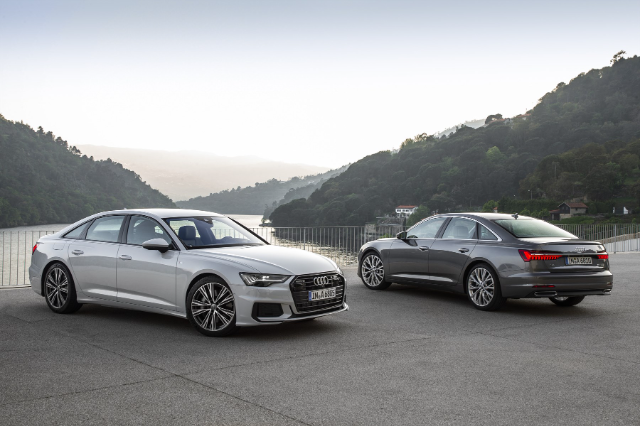
While diesel engines have long enjoyed a reputation for fuel efficiency, it is a fact that petrol-fueled engines have made huge strides in achieving lower fuel consumption in recent years, and here the Audi V6 TFSI motor is a striking example of the way petrol engines are heading in the future.
By employing dual conventional turbo chargers, and adding an electric supercharger to provide instant low-rev boost, the S6 gains not only in performance, but also markedly in fuel efficiency, as it is no longer necessary to use prodigious amounts of throttle to spool up the conventional turbochargers.
If you analyse the power and performance advantages that the S6 enjoys over the two diesel engines, and then factor in the penalties for increased fuel consumption, you would have to conclude that overall the efficiency crown belongs firmly in the S6 model’s domain.
For example, the S6 engine’s power output of 331 kW represents a power gain of more than 130 per cent over the A6 40 TDI’s 140 kW output. The fact that it manages this with a fuel consumption increase of about 60 per cent indicates that in terms of overall efficiency the S6’s petrol-fueled V6 is the winner here. In second place would be the V6 diel used in the A6 45TDI model, while an honourable third place belongs to the 40 TDI 4-cylinder engine.
Recommended next:
How to replace the car battery on a Audi S6
Top 3 things you need to know about the Audi S6
Top 4 Audi A6 features that stand out from the competition.