
We compared 3 Series engines, and the efficiency crown goes to…
We compared 3 Series engines, and the efficiency crown goes to…


By Farzana Chaumoo
We compared the sixth generation BMW 3 Series petrol engines to see which is the most fuel efficient.
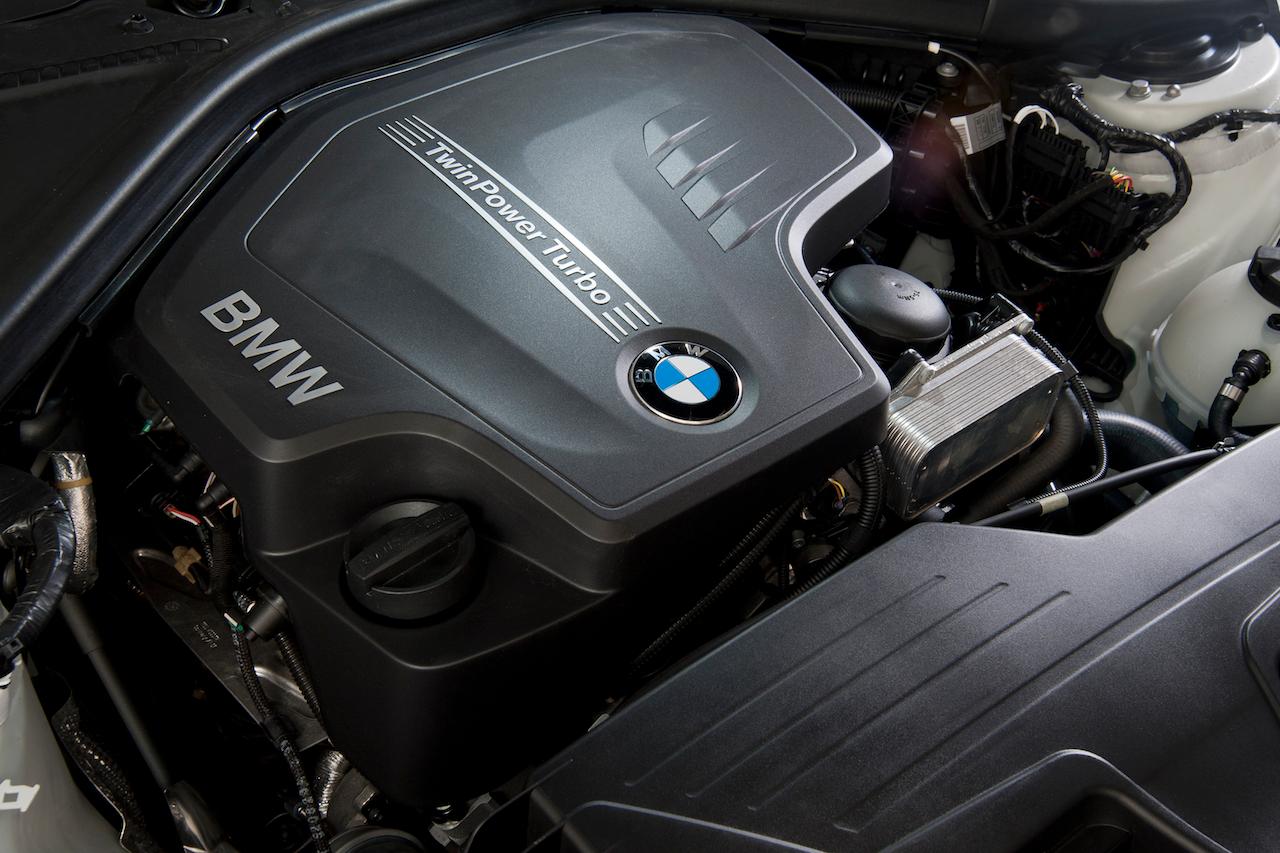
Three refined, economical and muscular engines were launched in the sixth generation BMW 3 Series sedans which all featured new BMW TwinPower Turbo technology. Diesel engines were also optimized along with the introduction of new turbocharged four-cylinder variants in the BMW 328i and BMW 320i.
BMW was the first automaker to offer an eight-speed automatic gearbox in the premium mid-size segment which was paired to both, petrol and diesel engines. The engines were linked to the Auto Start-Stop function as standard and enhanced its efficiency.
Winner for most efficient
When the sixth generation BMW 3 Series units were released it boasted the best fuel consumption figures in its segment. At the time, the United States Environmental Protection Agency (EPA) rated the 3 Series well ahead of its several key rivals.
According to the report, the most frugal 3 Series model is the 328i which is powered by a, then new, turbocharged 4-cylinder engine replacing the previous six-cylinder. The turbocharged BMW 328i with 2.0-litre displacement develops 180kW and peak torque of 350Nm from as low down as 1,250rpm. It accelerates from 0-100 km/h in 5.9 seconds and has an average fuel consumption of 6,4l/100km.
Other engines
The BMW 320i with the TwinPower Turbo engine develops maximum power of 135kW at 5,000 rpm and peak torque of 270Nm at just 1,250 rpm. The 320i has claimed average fuel consumption of 6,1l/100km.
Enthusiasts will be happy to know that the muscular 335i’s figures doesn’t have a significant decline in efficiency. Despite the power boost, BMW claims fuel consumption for a combined to be 7.2-litres/100 km. It is powered by a straight-six petrol engine with 3.0-litre displacement and develops peak output of 225 kW and maximum torque of 400 Nm at just 1,200 rpm.
BMW's secret to low fuel economy
According to the German automaker, its low fuel economy is due to several factors that include weight reduction, new engine technology and the new 8-speed automatic transmission.
These are exceptional fuel economy figures for a performance sedan and we can't wait to see what figures the seventh generation 3 Series will carry.