
Top-Seven differences between old and new Polo Vivo
Top-Seven differences between old and new Polo Vivo


By Stuart Johnston
At the beginning of 2018, Volkswagen introduced its new Polo Vivo, along with the new Polo. Just as the first-gen-Polo Vivo was based on fourth-generation Polo, so the new Vivo is based on the fifth-generation Polo. Here we chart the similarities and the differences.
Back in late 2009, Volkswagen South Africa announced that one of its greatest success stories, the Citi Golf, was being laid to rest after a model life of a quarter of a century. It seemed a strange decision to the casual observer, because the Citi Golf was still one of the company’s top-sellers. But, of course, Volkswagen was looking to the future. Safety regulations and requirements finally meant that a car based on a 1974 design would have to give way to new car-owning requirements.
First-generation Polo Vivo
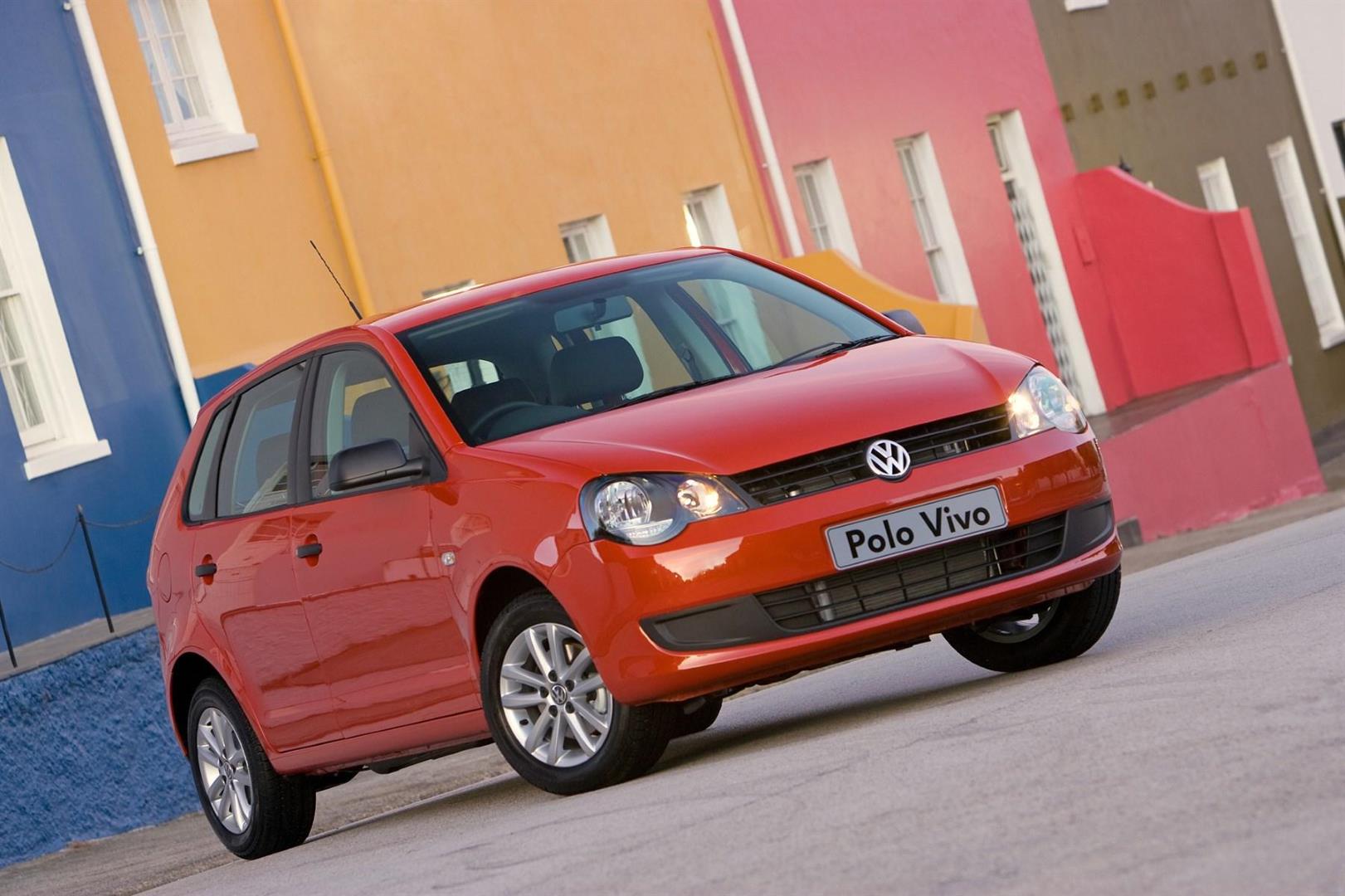
A few months after mourning the demise of the Citi Golf, VWSA announced its spiritual successor, the Polo Vivo. The new fifth-generation Polo had just been announced (and would go on to win a Car of the Year award), and the fourth-gen Polo was to remain in production (with minor changes), but now called the Vivo, a name which expressed the joy of living, or something along those lines.
What the Vivo meant for VWSA, however, was the joy of being the market leader in the passenger car sales race in South Africa. The car was a winner from the get-go, a feat which continues to this day. It’s only real rival for sales supremacy has been the latest-generation (and more expensive) Polo! Along the way, VWSA introduced a number of special Vivo models in that first-eight-year model cycle, such as the Xpress, Street, Storm and even the Citi Vivo, but the essence of the car remained the same. The formula centred on simple mechanicals, unfussy but well-resolved styling, and a superior ride and build quality.
For a story on the best value-for-money trim level available with the first-gen Polo Vivo.
Second-generation Polo Vivo
With the sixth generation Polo due for early 2018 launch, Volkswagen had already decided that the new Vivo would be, in effect, a fifth-generation Polo. This meant a body shell that was slightly larger than before, with new but evolutionary styling, and an all-new interior. There were detail changes to suspension and steering, although the mechanical basics remained the same.
For a review on the second-generation Volkswagen Polo Vivo
So what are the differences between the old Polo Vivo and the current car?
1. Appearance. The whole body is new, but very much styled on the Vivo model sold here between 2010 and late 2017. The new model has slimmer front lights and a much more modern, slim-line radiator grille. Subtle styling lines are new on the flanks, and the rear tail lights are new too, very different in appearance from the first-gen model with its “two-pod” tail light arrangement. Standard wheels for all Vivo models are steel with hubcaps, and of course the hubcaps sported a new design. Alloys are optional.
2. Size. Although you would hardly notice it, the new car is longer and with a longer wheelbase. The first-gen Polo Vivo measured 3916 mm in overall length. The latest model (second-gen) is 2972 mm long. The wheelbase has grown from 2 462 mm to 2 470 mm. This frees up slightly more rear passenger legroom. The new model Vivo has an overall sleeker appearance compared to the old model.
3. Boot space: The new Polo Vivo has about 10 more litres of luggage space, with the rear seats in the upright position. The latest car has a 280 litre load volume, against the first-gen Vivo’s 270 litres.
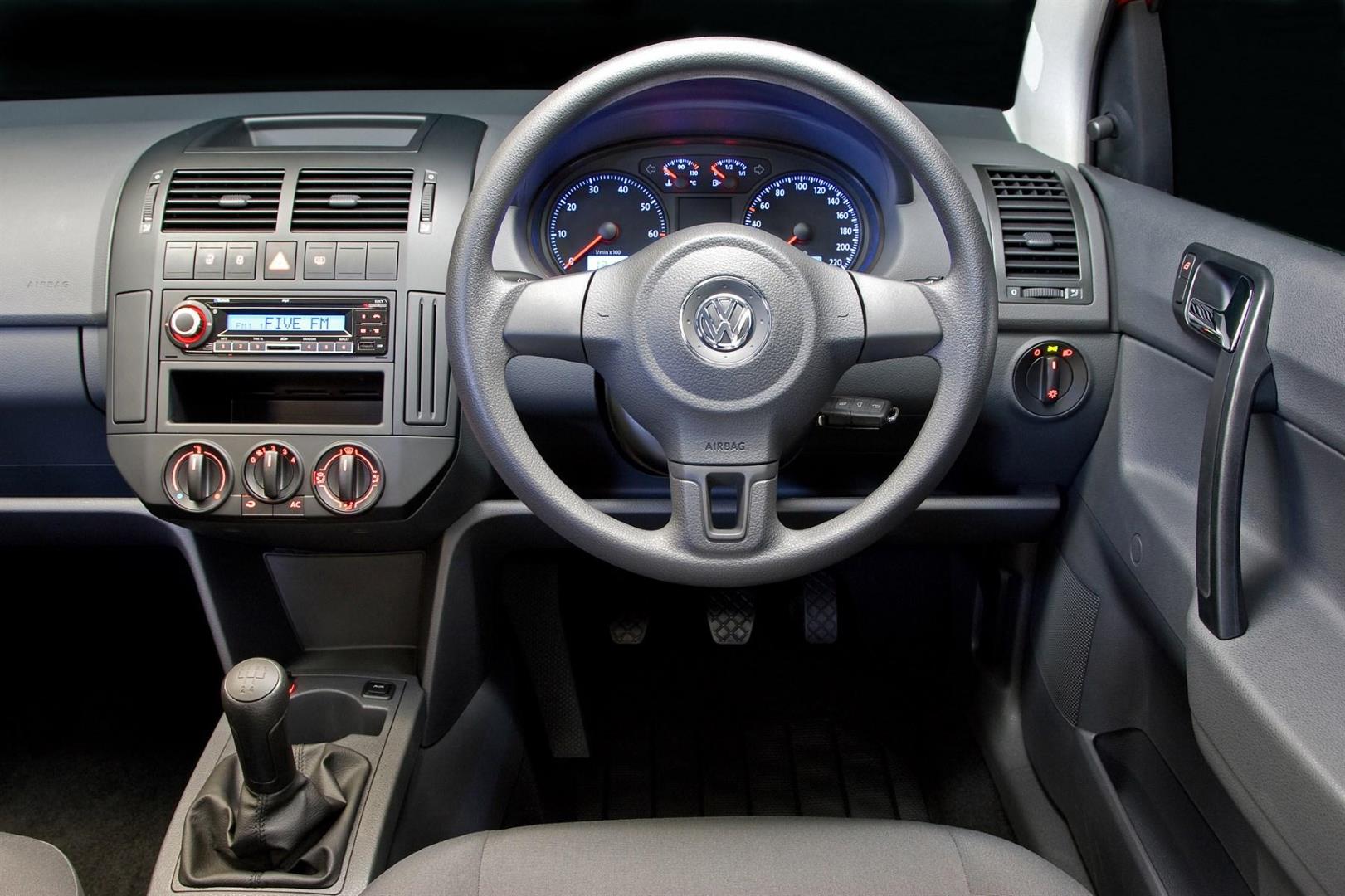
4. Interior. The latest-generation Vivo has a very upmarket soft-touch interior feel compared to the old. The dashboard is soft-touch, and the steering wheel also has a softer touch, leading to a more luxurious overall feel. Remote steering wheel controls are optional on the base model and standard on the more expensive models.
5. Infotainment: While the new Polo has a modern infotainment pod, leading from the centre of the dashboard to the console area, the old car had a rather rudimentary audio system of the older “radio-CD player” variety.
6. Engines: At first glance there is not much change in the engine and transmission installations. The first-gen Vivo was introduced with small-capacity four-cylinder, non-turbo motors in 55 kW, 63 kW and 77 kW outputs. The last-mentioned engine was a 1,6-litre, whereas the others were 1,4-litres. This engine line-up remains essentially the same in the latest Vivo range. However, for the first time, a 1,0-litre TSI turbocharged engine is available in the GT model introduced in mid-2018. This new engine produces 81 kW.
7. Stability control. Stability control is available as on option on the latest-generation lower-level models and standard on the more expensive models. At launch in the previous generation Vivo, even ABS braking was only listed as an option on the entry-level VW Polo Vivo, but this changed later on in the life-cycle from 2010 to 2017.