
Top 3 things you need to know about the McLaren 675LT
The McLaren 650S (produced from 2014 to 2017) was in no way whatsoever slothful or inert, but McLaren took it upon themselves to engineer a harder-core, more track-focused derivative of their mid-level supercar anyway. The result was called the 675LT, and it came out quite a bit sharper than its sibling. We highlight the top 3 things you need to know about the McLaren 675LT, so get ready for some big numbers...


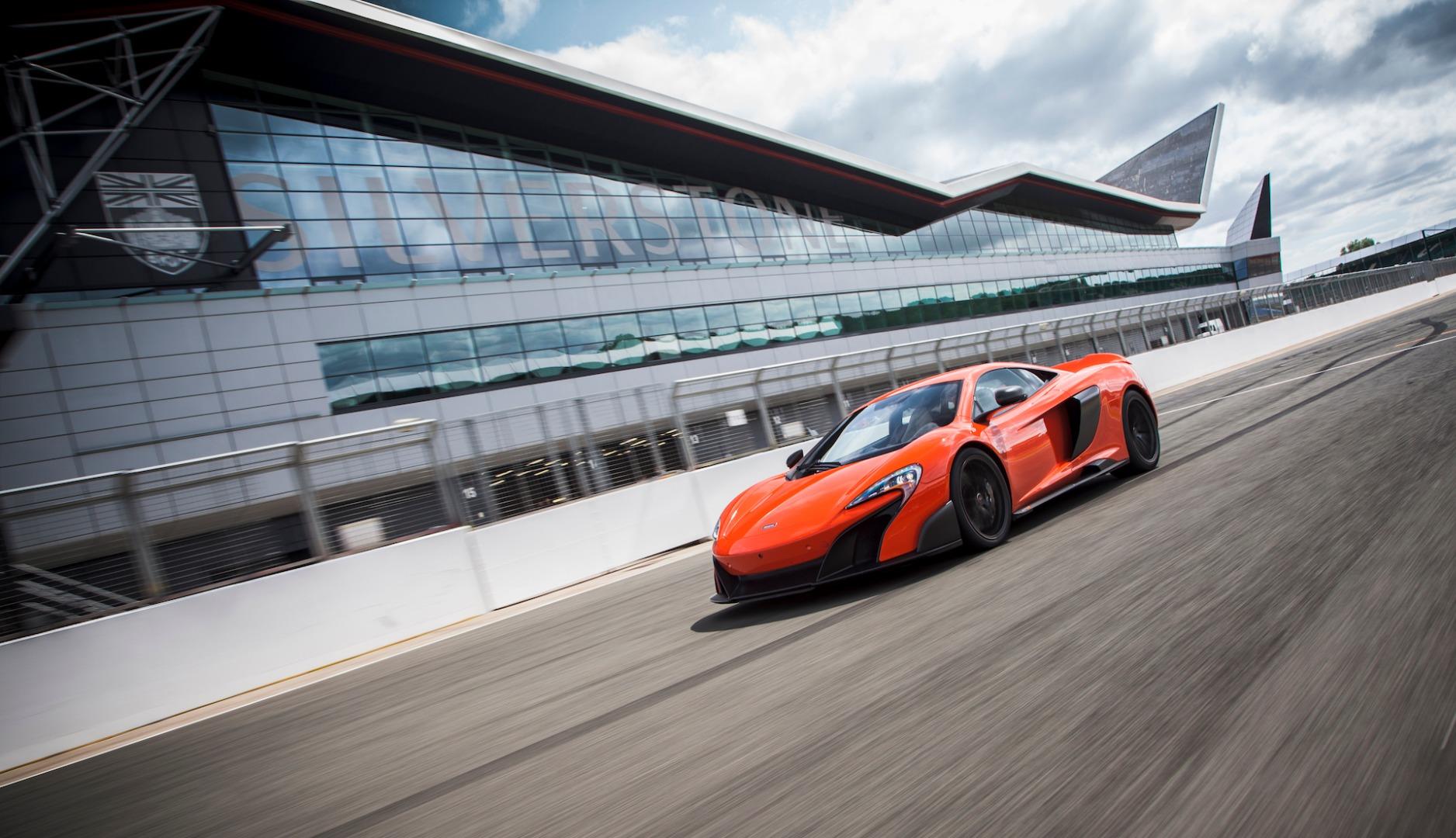
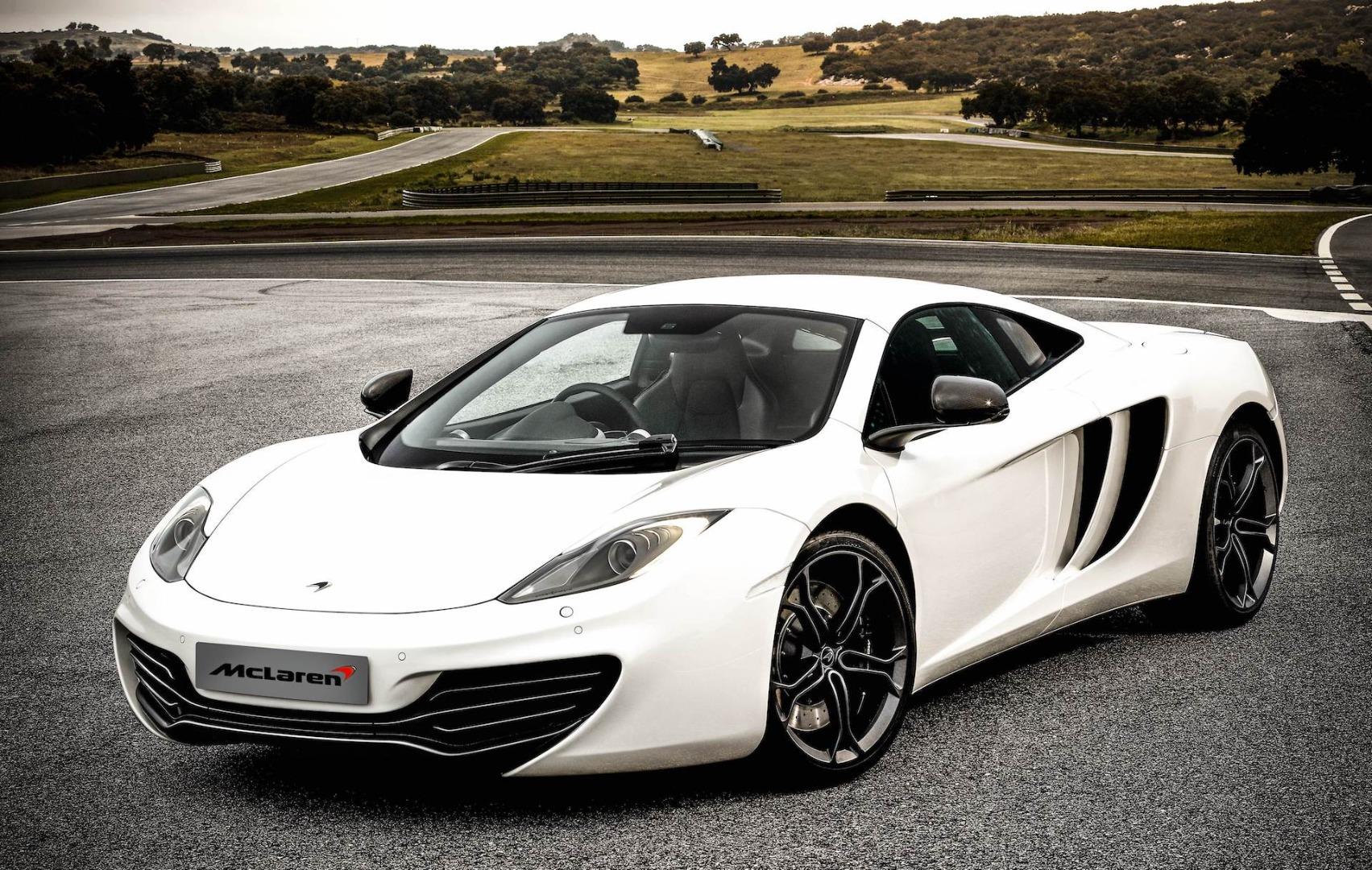
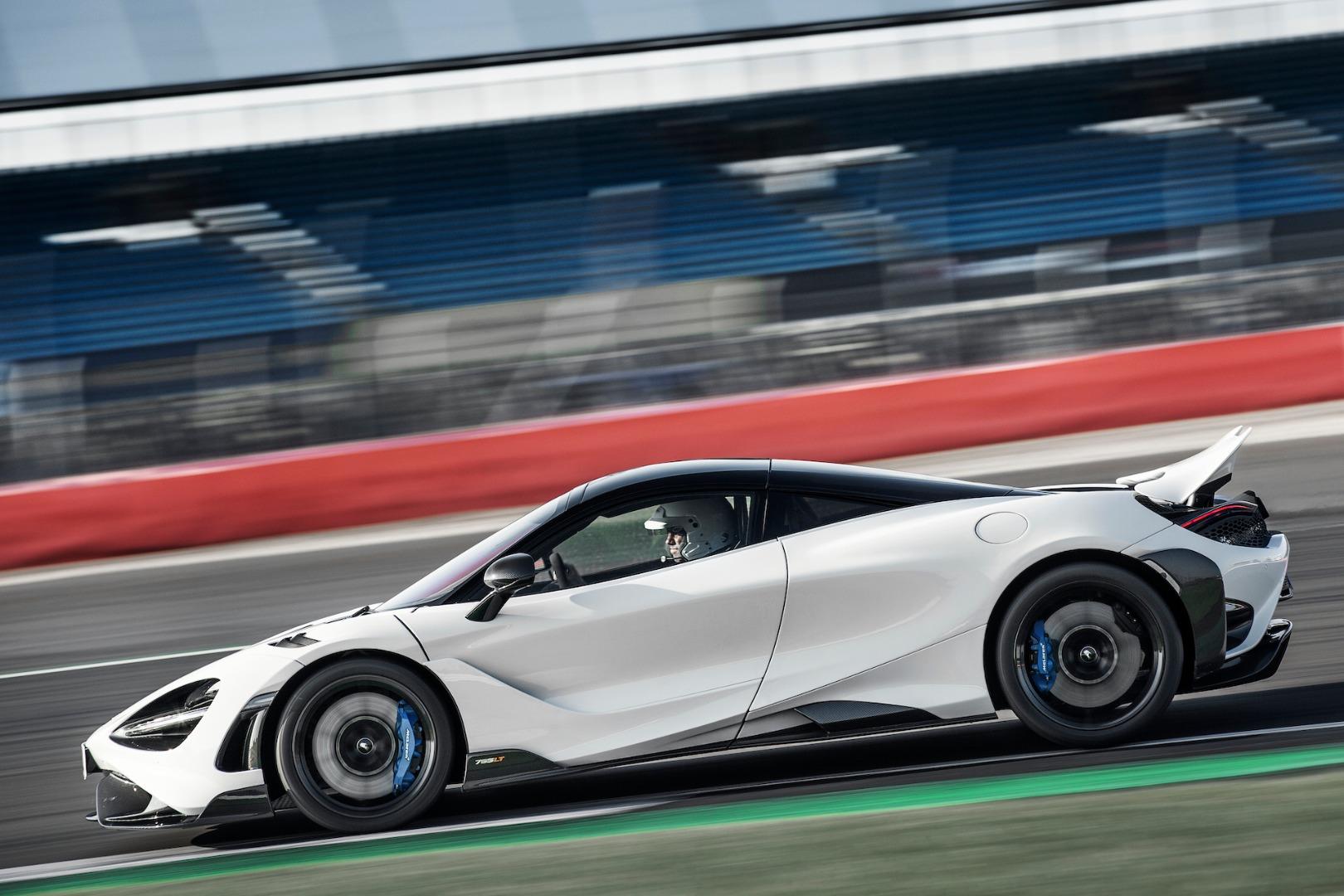
After a somewhat hesitant start in the supercar market, McLaren’s first modern supercar, the 12C, received an early restyle, refined technology, and a power boost, to become the 650S. The 650S was also injected with a moderate shot of character during its gestation, likely in response to one of the few serious points of criticism that were leveled at the MP4-12C (later renamed simply “12C”).

Putting it simply, the McLaren 12C was too refined for its own good, depriving the driver of a measure of involvement and relying very heavily on clever Computer-Controlled Everything to create a supercar that was basically too easy to drive very fast. McLaren’s engineers were implored to liven up the proceedings a bit, and so they did.
The resulting McLaren 650S was, under its swooping new nose- and tail sections, still a 12C at heart, albeit a somewhat wilder one. But, once McLaren’s wizards developed a taste for extra spice, they just couldn’t resist the temptation of adding yet more of everything to the 650S, thereby creating the 675LT: at the time, the wildest McLaren this side of a P1 hypercar.
Related: McLaren 720S vs 650S – What are the top 4 differences?
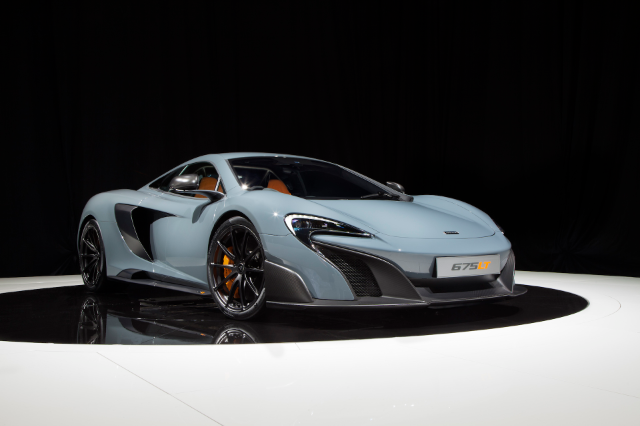
1. Deciphering the name
Maintaining the then-current McLaren model naming scheme, the “675” part of its name denotes the engine’s output in European horsepower (PS). This translates to 496 kW and 700 Nm (18 kW and 22 Nm more than the 650S), courtesy of an extensively-revised version of McLaren’s M838T (3.8-litre, twin-turbo V8) engine. The power was, as with other modern-era McLarens, sent into a 7-speed dual-clutch transmission, before finally turning the rear tyres into smoke and noise.
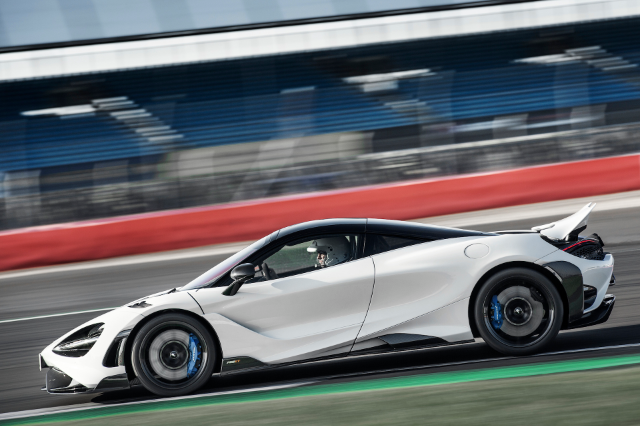
The “LT” bit in its name denotes “Long Tail” – a modification applied to the car’s rear skin, that resulted in the 675LT stretching a seemingly-insignificant 33mm longer. This was done with only one purpose in mind: added downforce, which would enable even higher cornering speeds than the 650S could achieve, making it eminently more suitable for duty on the race track. Assisted by new bumpers and a different undertray, an 80% larger front splitter and a 50% larger active rear spoiler, these modifications resulted in a 40% downforce increase.
Related: Taking a McLaren 650S out on a test drive? Be sure to check these features out!

2. It’s quite a lot lighter than the 650S
A similarly thorough weight-loss program was also applied. While the cabin structure employed the same “Monocell” centre core, some of 650S’s nice-to-have items were removed from the cabin. The air conditioner was omitted (but available as an option), along with carpeting and sound insulation, and the standard bucket seats were replaced by one-piece carbon fibre racing seats for savings amounting to 26.5 kg.
And, seeing as the bumpers, rear deck and fenders were being redesigned anyway, weight optimisation allowed the engineers to make these items lighter than their equivalents on the 650S. As is common practice in track-focused machines, the side glass was also made thinner, and lightweight forged wheels with titanium nuts saved another few kilograms. The result of all this attention to detail was a total weight reduction of 100 kg, compared to the base car – along with a much more visceral driving experience.
Related: Find an in-depth exploration of the McLaren 675LT’s specifications and features in this launch report.

3. Quicker, but not faster
The combination of a lower kerb weight and an increase in power naturally resulted in improved performance, but the difference was smaller than you’d think. In fact, while the 675LT did post a marginally quicker 0 – 100 km/h sprint time (2.9 seconds vs 3.0 seconds), much of its added power went into overcoming extra aerodynamic drag instead of achieving higher speeds.
It was half-a-second quicker to 200 km/h, for instance, but posted a slightly lower top speed than the 650S did, largely because all that extra downforce comes at the cost of extra aerodynamic drag. Low-speed sprint numbers didn’t benefit much from the added power, either – the 650S was traction-constrained anyway, and attempted to light up the rear tyres well into third gear.
While its on-paper performance didn’t show as much improvement as one might have expected, the McLaren 675LT did succeed at its primary mission: turning one of the ultimate road cars of its era (the 650S) into one of the ultimate track cars of its era. All of which makes it even more jarring that the 675LT didn’t really have a notable racing career before going out of production after only two years.
The next chapter of the McLaren LT story started earlier in 2020, when its 765LT successor was unveiled – a track-biased derivative of the new-generation McLaren 720S, built with a similar range of modifications and an extra 66 kW to play with. The 0 – 100 km/h time is now down to a claimed 2.8 seconds, and the quarter-mile is dispatched in less than 10 seconds. This is what happens when you tell the engineers to “dial it up a notch”, see...
Related: There’s another way to make a McLaren 720S even wilder, and that’s on the aftermarket.
Recommended Next:
Shop for used McLaren 675LT cars for sale here.
Shop for used McLaren 650S cars for sale here.
Keen on a (relative) bargain supercar? Shop for a used McLaren MP4-12C here.