Top 3 things you need to know about the Lamborghini Huracán Evo RWD Spyder
The Lamborghini Huracán Evo RWD Spyder was unveiled globally during 2020 and comes with a host of updates on the exterior, interior and mechanically. Here are the top three things to know about the Lamborghini Huracán Evo RWD Spyder.


The Lamborghini Huracán first hit the roads in 2015 and replaced the popular Gallardo. Like its predecessor, the newcomer has seen a variety of transformations and limited edition models created. One of the most recent introductions is the Evo RWD Spyder which is an open-top, rear-wheel-driven variant of the Evo range.
Lamborghini has also spent time on the interior and exterior styling and tech of the Huracán, for a more comprehensive result. At the time of writing this article if you are interested in this model, you are looking at R 5 580 000 before specifications, but let us find out, what do you get for this money.
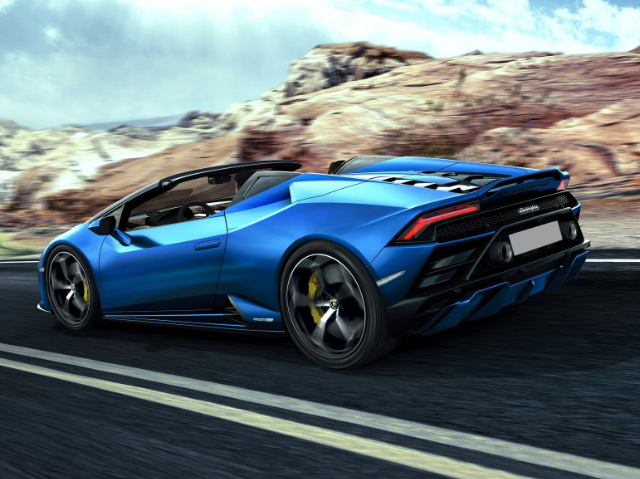
1. Rear-wheel-drive
If you are familiar with Lamborghini products, you would know that most of the more recent models come fitted with an all-wheel-drive system. The system is which is standard specification provides more traction off the line as well as more predictable steering in the corners. However, even though the predecessor had no problem breaking traction to allow you to create clouds of tyre smoke and perform beautiful drifts, some of the power would be directed to the front wheels to keep it all in check.
The rear-wheel-drive system, on the other hand, sends all the generated power to the rear wheels all the time. This means that you have less of a safety net when you misjudge your steering inputs when traction control is disengaged but the exhilaration of driving at pace is increased by quite a few notches.
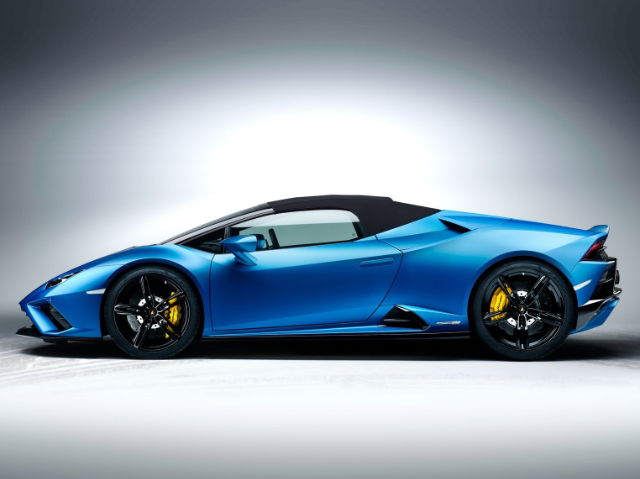
2. Traction control
Although rear-wheel-drive vehicles can be unpredictable for reasons stated above, Lamborghini has developed a new traction control system for the 449 kW and 560 Nm model. The system is known as Performance Traction Control System or P-TCS for short. This system still allows some of the power to be sent to the rear wheels even while the vehicle is busy correcting itself which results in a smoother transition in power and ultimately better vehicle control.
Selecting Sport mode on the ANIMA button will result in the system allowing wheel slip but maintain predictability by limiting the torque to the rear wheels if the steering input and angle of oversteer become dangerous. The Corsa setting will also allow wheel slip but is calibrated to improve grip as you exit a corner.
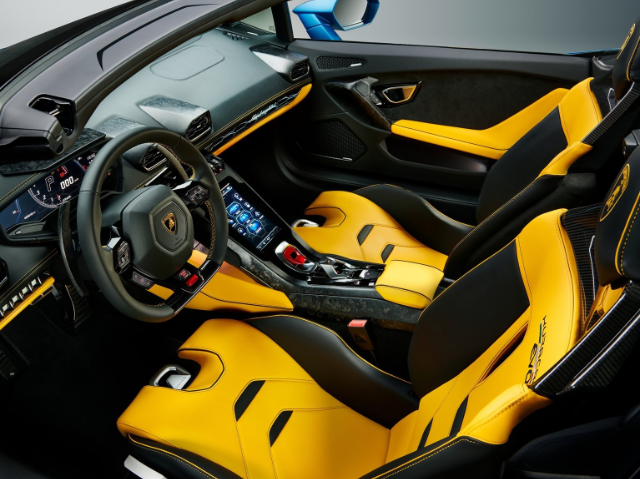
3. Style and technology
While certainly, the biggest changes happened on the drivetrain of the Huracán Evo RWD Spyder, there are also stylistic and cabin tech updates. While the same aggressive headlamps will stair you down, lower down features a new front splitter as well as verticle fins incorporated in the air dams. At the rear is a model-specific gloss black diffuser fitted as well as a new rear bumper.
One of the largest changes in the interior is the new 8.4-inch HMI touchscreen infotainment system which controls the vehicle settings as well as entertainment functions such as Apple CarPlay, telephony and internet access.