
Standout Safety Features
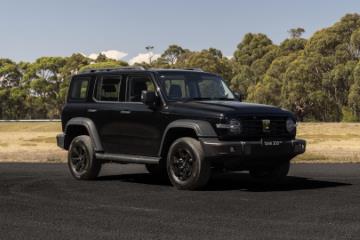
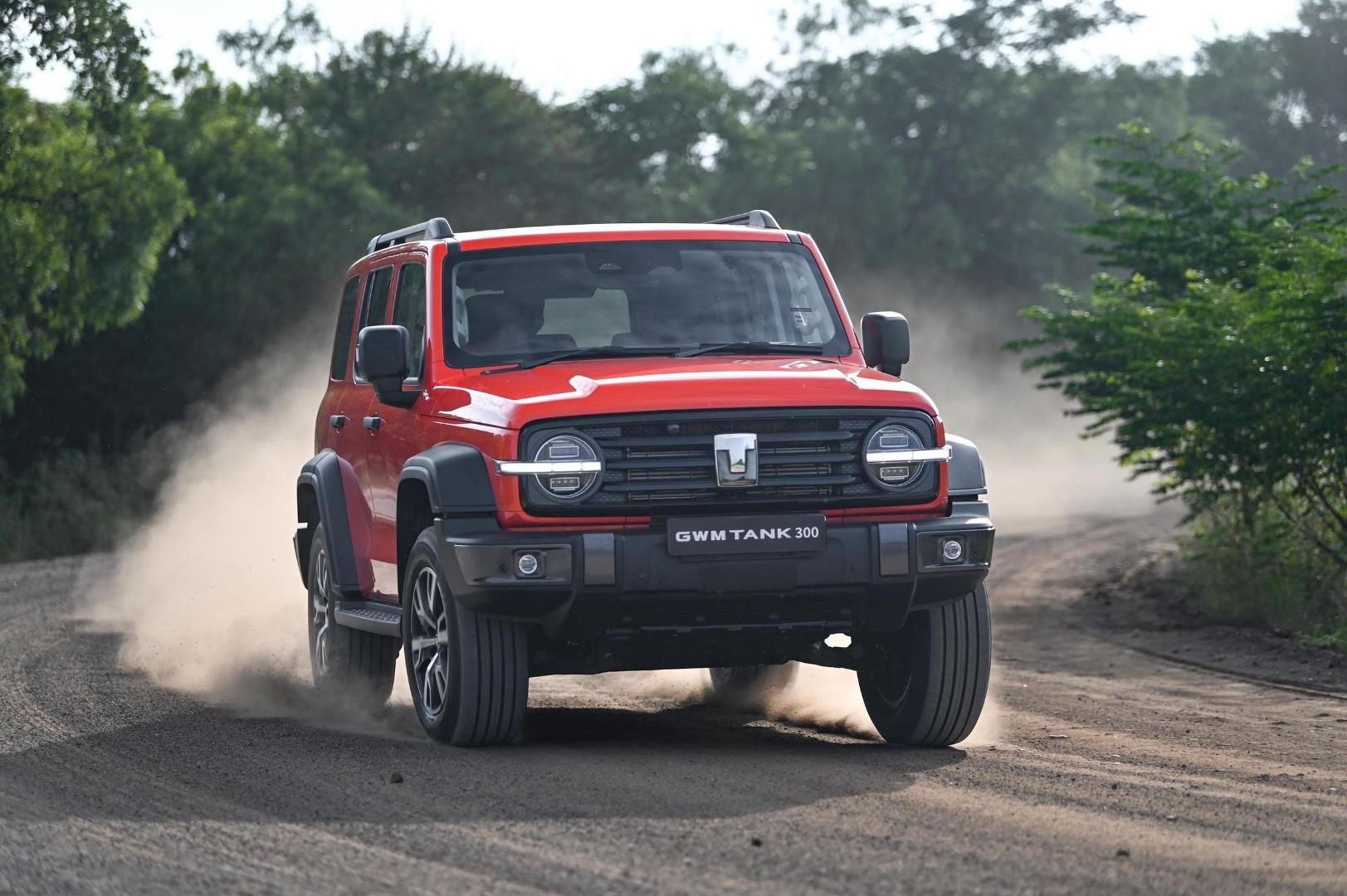
Tank is the latest marque and model to be added to GWM's South African lineup. This stylised offroad machine is not the Chinese automaker's first foray into 4x4 machinery, but it is their best so far. Not only is the Tank 300 a highly capable 4x4 vehicle but it is also packed with tech and luxury features.
Related: GWM Tank 300 (2024) - First Drive Review
Regarding safety, GWM has not skimped either, with the Tank sporting numerous safety equipment and tech to keep you and yours as safe as possible. We take a look at the 3 features that SA consumers have proven to find the most important to them.

Driver Assist Package
The ADAS (Advanced Driver Assistance System) fitted to the Tank 300 is some of the best that you can get in this market segment, and although this list is not exhaustive, it is extensive. The GWM system contains a host of features such as:
- Vehicle stability control (ESC and ESP and ETC)
- Hydraulic brake assist (HBA) with Anti-Lock Brakes and four disc brakes
- Anti-slip regulation and traction control (AST and TCS)
- Roll Movement Intervention (RMI)
- Adaptive Cruise Control (ACC)
- Automatic Emergency Braking (AEB)
- Front Collision Warning (FCW)
- Lane Keep Assistance (LKA)
- Traffic Jam Assistance (TJA)
- Lane Departure Warning (LDW)
- Driver Fatigue Monitoring
- Emergency Braking Signal
- Second Collision Mitigation
Is the GWM Tank 300 a safe car?
360-degree Chassis View Camera
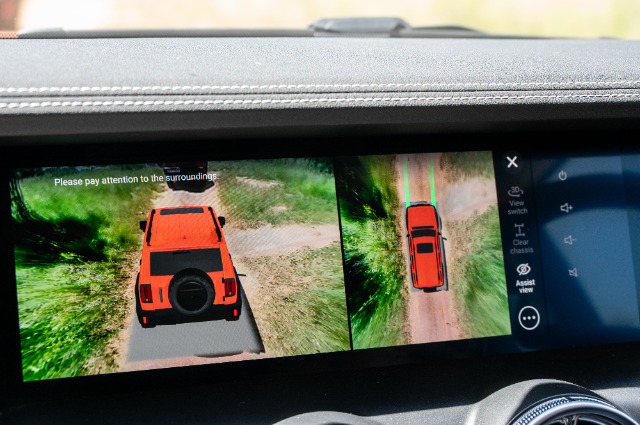
One of the tech fetaures that also doubles as a safety system is the 360 degree chassis view camera system. This system stitches video feed from multiple cameras to give a comprehensive view of the terrain underneath and to each direction from the vehicle, essentially removing the car from the video feed and allowing the driver to see exactly what is going on around them.
GWM Tank 300 driven, Down Under
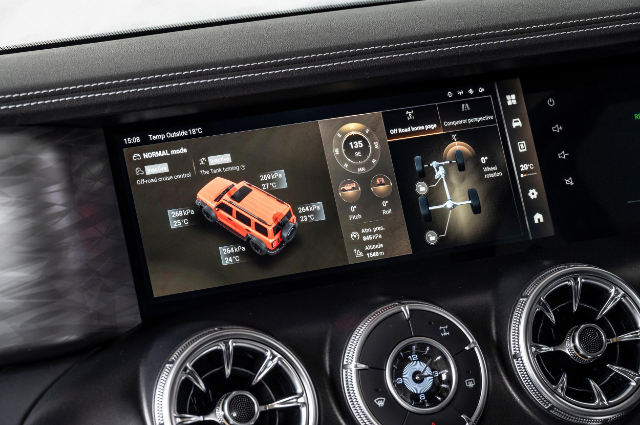
Tyre pressure monitoring
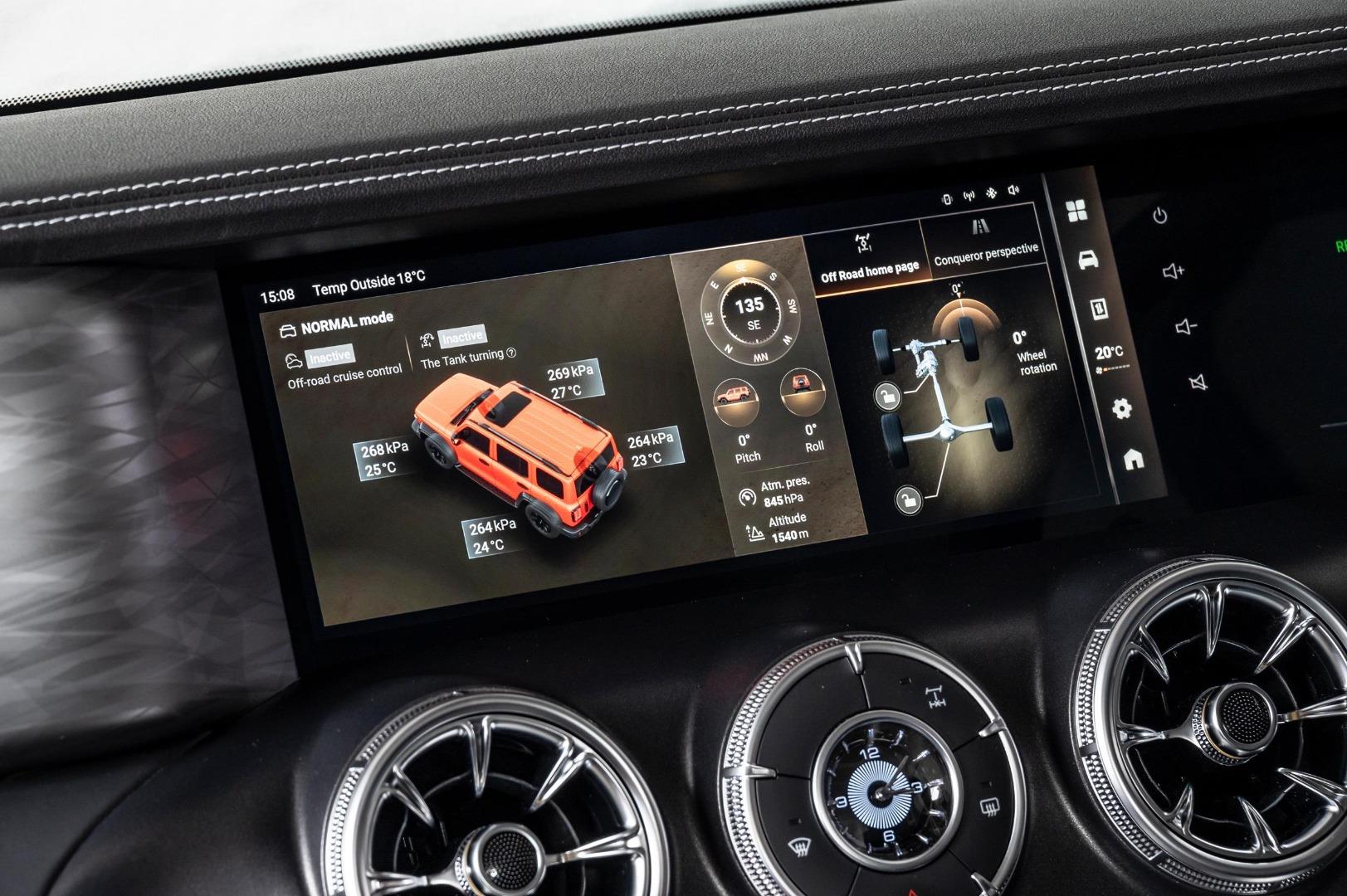
Tyre pressure monitoring has become a standard feature on just about every new vehicle released as of late. On the Tank 300, it serves to keep the driver aware of the condition of their tyres, especially if you are returning to the tar after an offload excursion where dirt and debris could cause issues with inflation.