Top 3 Hyundai Elantra features that stand out from the competition
Its nameplate graced the first Hyundai models to arrive in South Africa, but after a local presence of almost three decades, the Elantra quietly disappeared from the local market in 2019. But, just because you can’t buy a new Elantra anymore, doesn’t mean that you shouldn’t consider one as a used buy. We highlight the top 3 features that still sets a Hyundai Elantra apart from the competition.


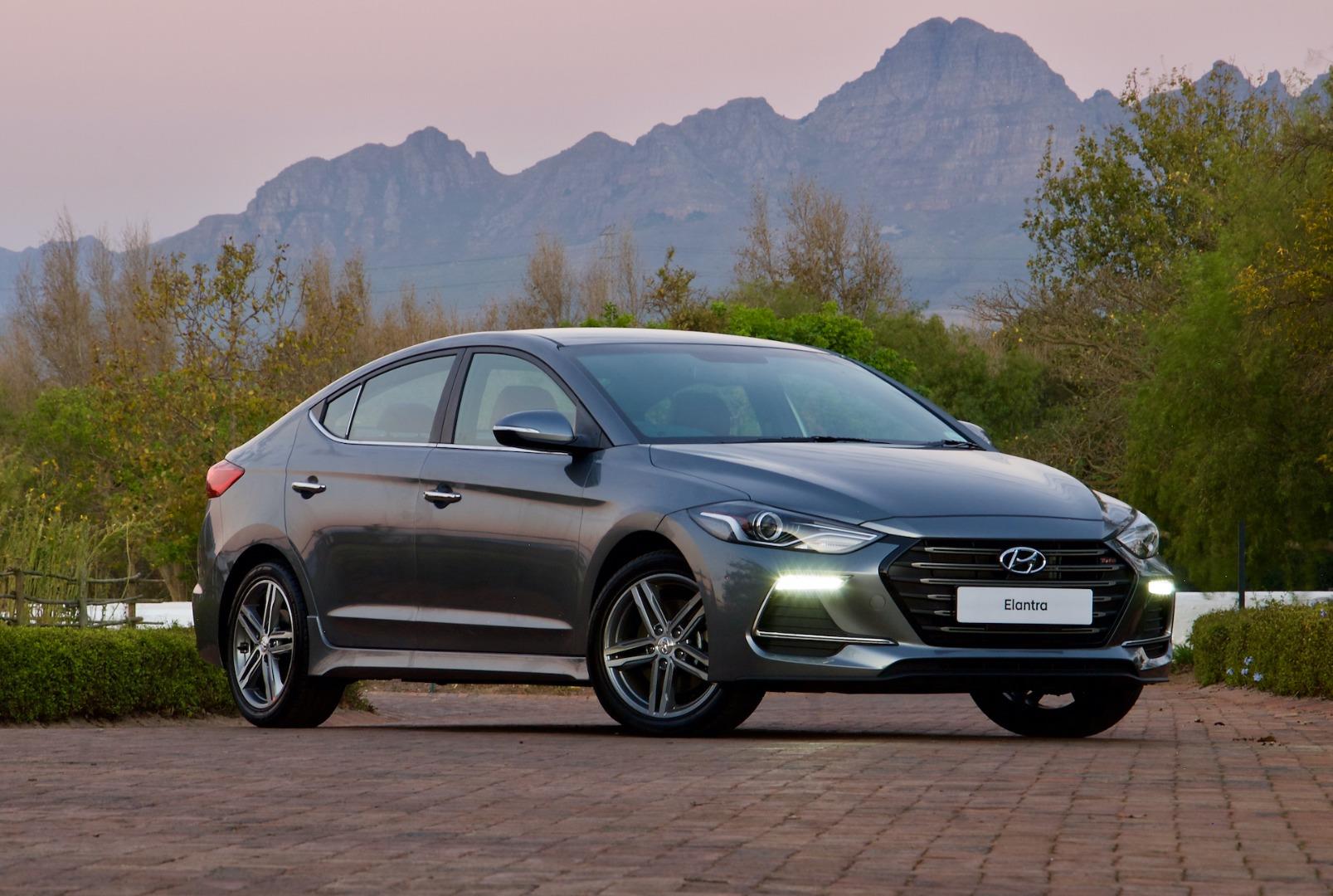
Due to falling sales in a shrinking market segment, many manufacturers have dropped their stalwart compact sedans from the South African marketplace. Thanks to the rising popularity of compact SUVs and crossovers, demand for traditional sedans has dropped through the floor, leading many manufacturers (Hyundai included) to now simply sell an expanded line of high-riding newcomers here instead. That’s a pity, because the last sedans were pretty attractive cars with high feature content, such as:
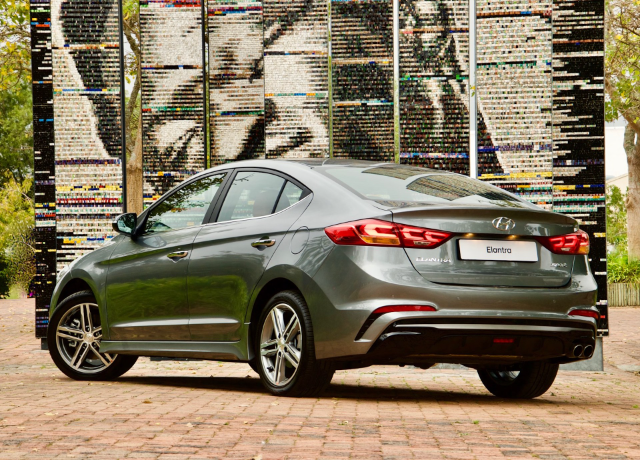
1. A sporty range-topper that actually delivered the goods
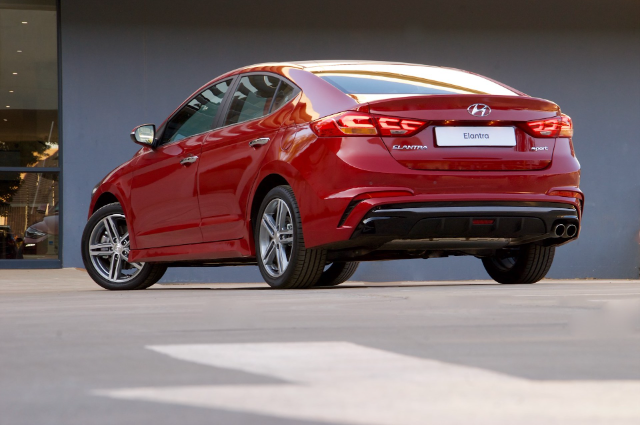
Many things have been said about the generations of Elantra which came before, but few of those involved any mention of sporting performance. For the last (local) generation, things were a bit different, however: the top-level Elantra Elite Sport not only boasted a healthy power boost, the obligatory dual-clutch automatic gearbox and cosmetic add-ons, but it was a rather different beast to its siblings in its underpinnings as well.
We’re not just talking about the usual “stiffer springs and fatter tyres” formula, either. To deploy the 150 kW and 265 Nm on tap from the Elantra Sport’s 1.6-litre turbocharged four-cylinder more effectively, the rear suspension received a complete redesign.
Out went the lowlier variants’ torsion beam rear axle, and in its place came a multi-link independent arrangement for maximum road grip and predictable handling. This was an expensive engineering exercise, no doubt, but it endowed the Elantra Sport with the kind of suspension control and entertaining, grippy handling you’d really only expect from something much more exotic.
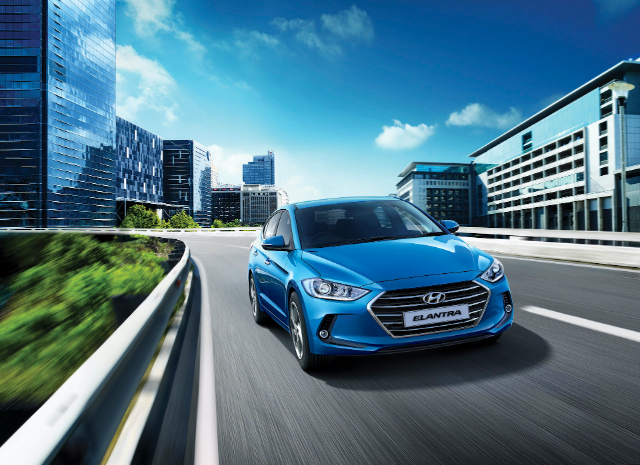
2. Exceptional aftersales package, even as a used car
With an OEM warranty and service plan which both run for 5 years, the newest (2019) Elantras listed here on AutoTrader will still have at least 3 years of coverage left over at the time of writing. To cap it off, the Hyundai warranty adds an extra two years for the drivetrain, taking the oily bits’ warranty up to 7 years or 200 000 km – or the next 5 years, if you buy one of the late-model Elantras on our site.
3. Contemporary in-cabin tech and toys
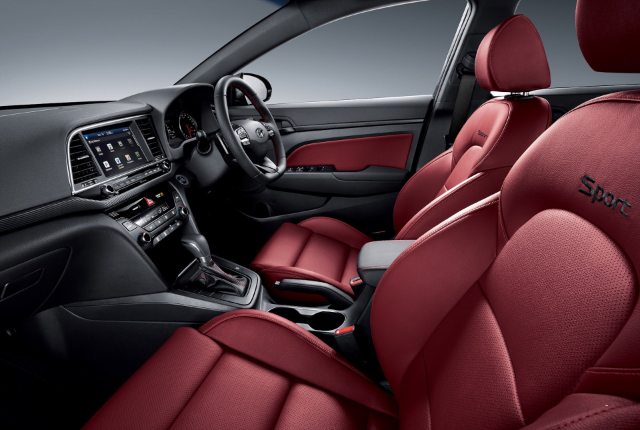
We take things like touchscreen infotainment systems and smartphone mirroring for granted these days, but, when the final local Elantra was launched, these items were still mainly the preserve of higher-class vehicles. The same applies to safety specification, where sedans in this segment traditionally lagged the market leaders. But, upon its introduction in 2017, the entire Elantra range arrived with most of the equipment you’d expect as standard in 2021.
The kit list in impressive across the board, with 6 airbags, ABS with EBD, rear ISOFIX child seat anchors, rear parking sensors, the aforementioned infotainment system, and steering wheel remote controls as standard. The Elantra Sport stepped this up even more, through the addition of stability control, automatic climate control, rain-sensing wipers, leather sports seats, a flat-bottom sports steering wheel, and keyless entry with pushbutton start.
Verdict
Shopping for a used Hyundai Elantra makes a lot of sense, given the value proposition on offer. Not only will there be some OEM aftersales cover still in place, but you’ll get a lot of car for not too much money. And, if you spring for one of the rare Elantra Sport variants, you’ll have a practical and plush sedan with surprisingly sporty driving characteristics for the same outlay as a modern mid-trim supermini (with a lot less power) would demand. There certainly is a lot to admire about the Elantra, and its value proposition remains compelling – even if you can’t buy a new one anymore.