1. It's essentially a C-Class, adapted for going off-road
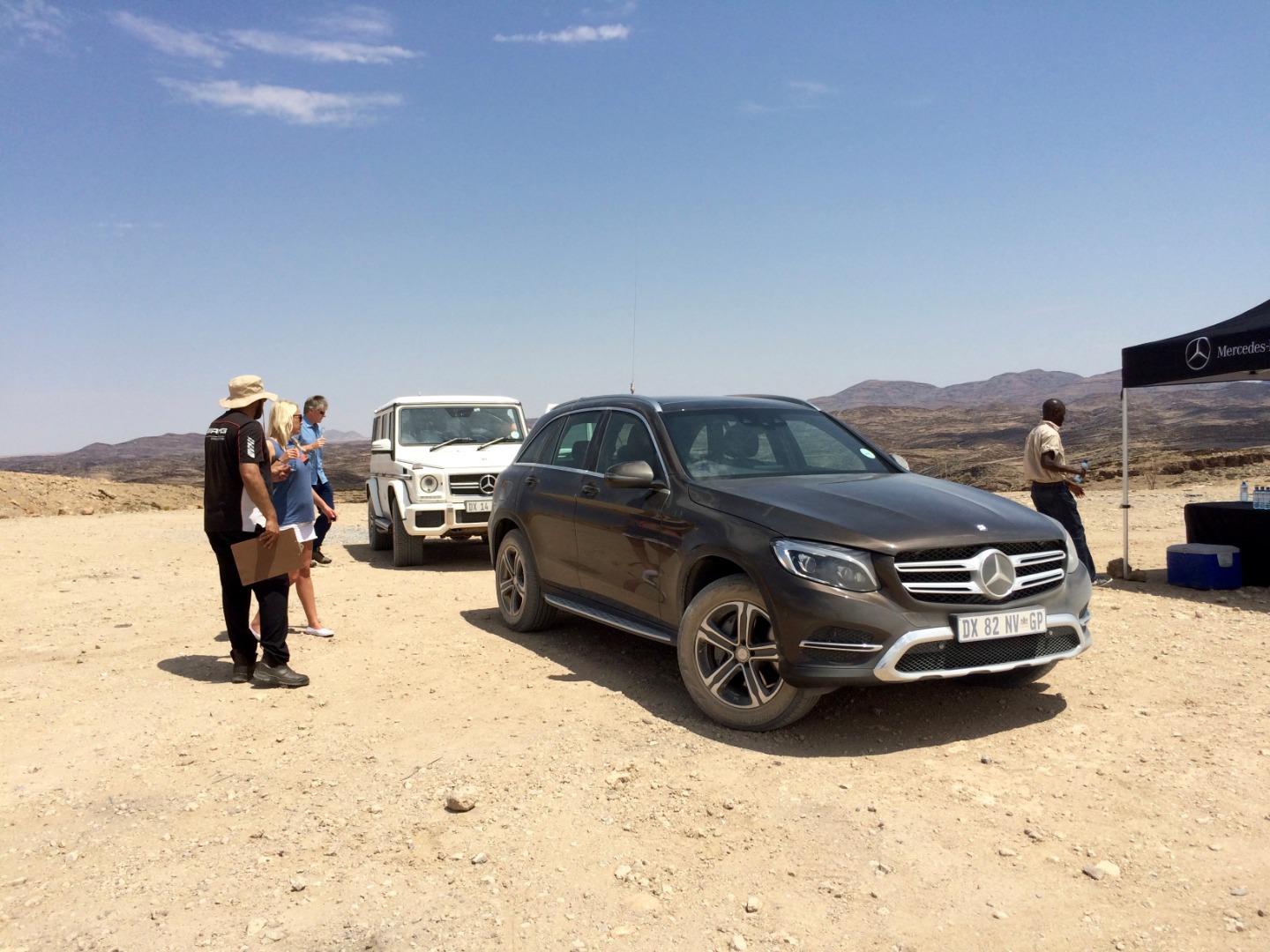
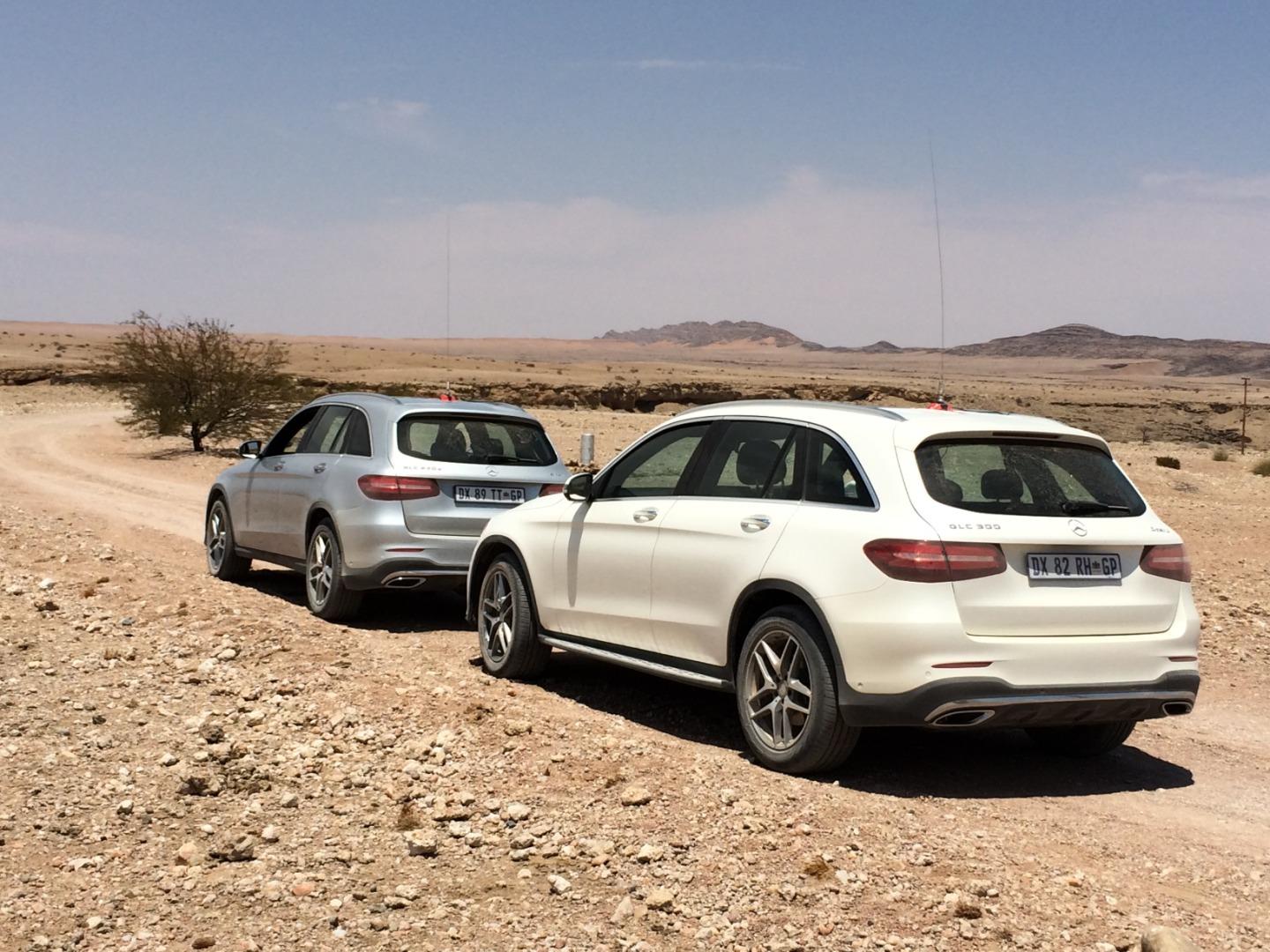
The GLC was introduced in 2015 for production in 2016, and replaced the GLK-Class. Basically, the G stands for Geländewagen, and the C refers to the C-Class sedan. Under Merc's naming scheme, all SUVs' names begin with "GL", and the final letter alludes to the model's position in the Merc monarchy. The GLC is built on the C-Class sedan platform and therefore they're of similar size, cabin wise.
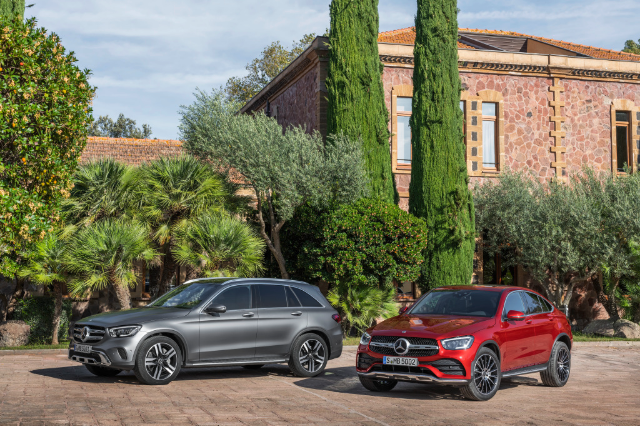
The most affordable model in the current local line-up is the GLC 220d 4MATIC, priced at R789 136 new, but if you need a more glamorous set of wheels, why not opt for a GLC Coupé? (Read our review: Mercedes-Benz GLC Coupé has a unique appeal.)
The top-tier Mercedes-Benz GLC300 coupe 4MATIC AMG Line will cost you a cool R 1 049 525. Interestingly, both models have roughly the same amount of standard and optional equipment. Both are all-wheel driven, just as the rest of the GLCs in the lineup.
if you can wait for another month or three, the new GLC will be launching in SA in the fourth quarter of 2019. The model line-up at the upcoming launch has already been confirmed: We will be getting two GLC diesel models in 220d and 300d guise, as well as two Coupés with the same two engines, for now. The petrols should make their appearance in the not-too-distant future, we hope.
Recommended: Car comparison: BMW X3 vs. Audi Q5 and Mercedes-Benz GLC
2. It comes properly equipped, despite being German
Motoring media are quick to bemoan the fact that German cars' optional extras are ridiculously expensive. And yes, most of them are. But the GLC gets an impressive list of standard kit, especially where safety is concerned.
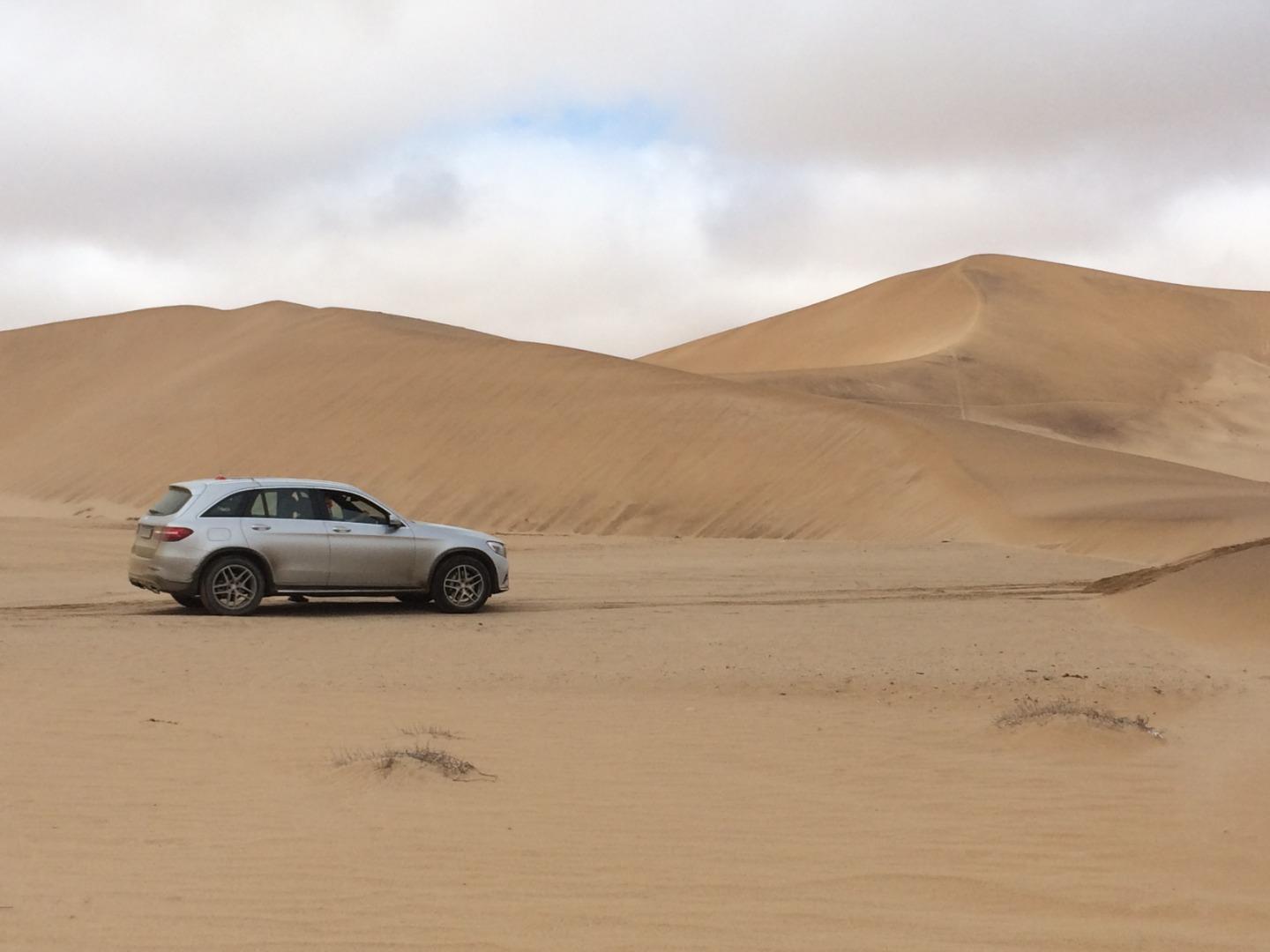
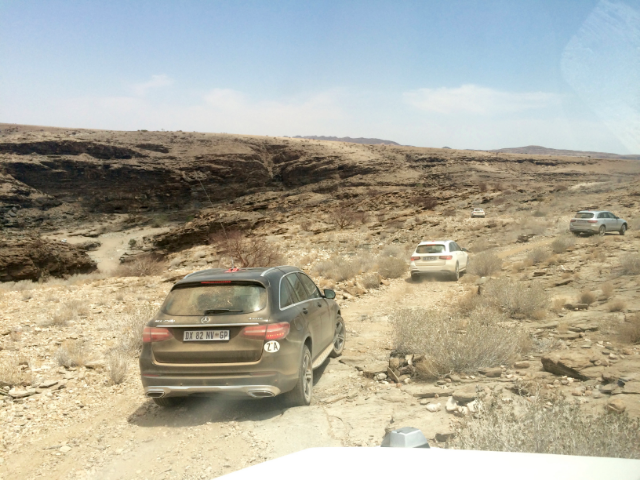
As we've mentioned before, the GLC is all-wheel driven for extra grip and off-road prowess. Not that we'd take it in places where the Geländewagen would go, but nevertheless, it's still going to be a secure journey on gravel or dirt, and you can definitely climb sidewalks if you don't opt for ultra-low-profile tyres.
Standard safety equipment include Merc's Attention Assist, Electronic Stability Program (ESP), Adaptive Brake (with hold function and brake drying in the wet), ESP Curve Dynamic Assist, Electric Parking Brake, Collision Prevention Assist PLUS, airbags for driver and co-driver, a crash-responsive pedal unit, knee bag for driver, side airbag for driver and front passenger (combined thorax/pelvis bag), curtain airbags, and a tyre pressure loss monitoring system. For the full monty, you can download the
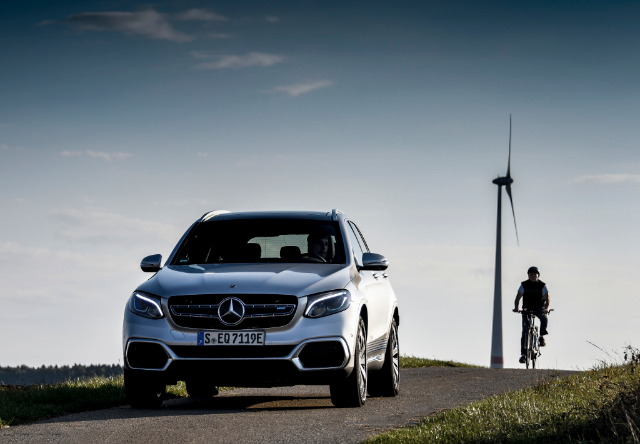
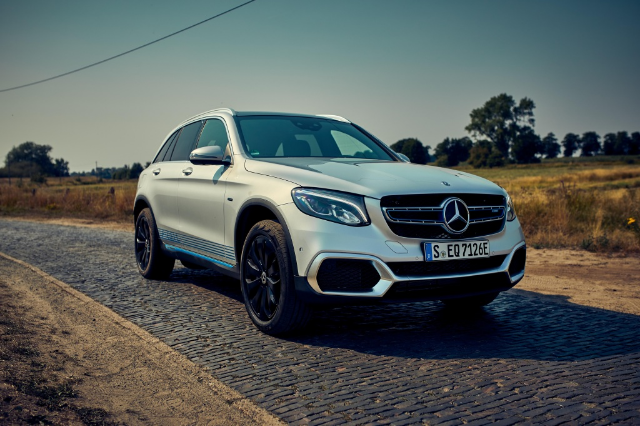
3.Merc has built a hydrogen- and battery-powered plug-in hybrid GLC, namely the GLC F-CELL
It runs on hydrogen as well as an electric battery? How does that work? Daimler explains:
"Two carbon-fibre-encased tanks in the vehicle floor hold 4.4 kg of hydrogen. Thanks to globally standardised 700-bar tank technology, the hydrogen supply can be replenished within just three minutes - as quickly as is customary when refuelling a combustion-engined car.
"With a hydrogen consumption of around 1 kg/100 km, the GLC F-Cell achieves around 430 hydrogen-based kilometres; in hybrid mode it additionally delivers up to 51 km on a fully charged battery. At the same time, an output of 155 kW helps to ensure high driving dynamics."
And with four different operating modes suited to every type of trip you may want to undertake, you can be assured of minimal consumption. Take a look at this explanation for each mode from Daimler.com:
"HYBRID: The vehicle draws power from both energy sources. Power peaks are handled by the battery, while the fuel cell runs in the optimum efficiency range.
"F-CELL: The state of charge of the high-voltage battery is kept constant by the energy from the fuel cell. Only hydrogen is consumed. This mode is ideal for steady cruising over long distances.
"BATTERY: The GLC F-CELL runs all-electrically and is powered by the high-voltage battery. The fuel cell system is not in operation. This is the ideal mode for short distances.
"CHARGE: Charging the high-voltage battery has priority, for example in order to recharge the battery for the maximum overall range prior to refuelling with hydrogen or to create power reserves.
"Hydrogen filling stations will be available in cities such as Stuttgart, Düsseldorf, Berlin, Hamburg, Frankfurt, Munich and Cologne."
Source: Daimler.com, Mercedes-Benz.com.