
Car comparison: BMW X3 vs. Audi Q5 and Mercedes-Benz GLC
Car comparison: BMW X3 vs. Audi Q5 and Mercedes-Benz GLC


By Martin Pretorius
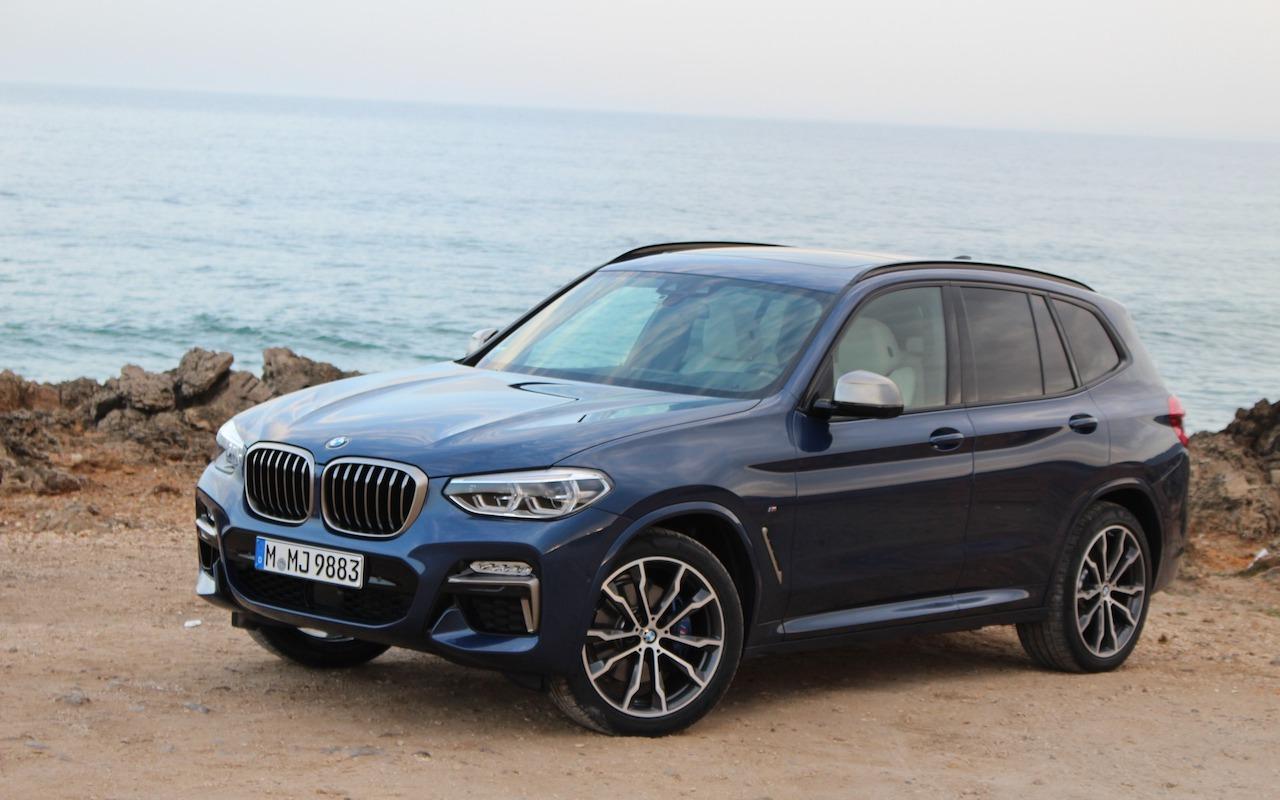
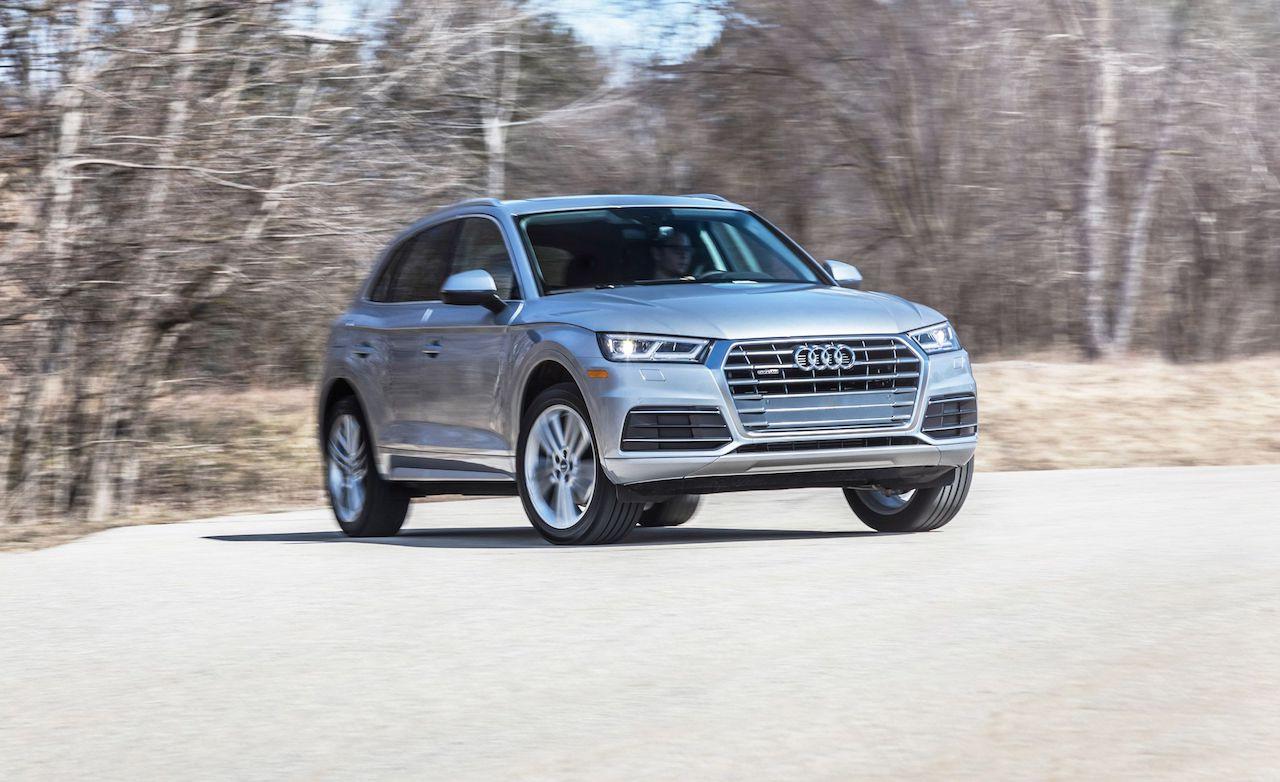
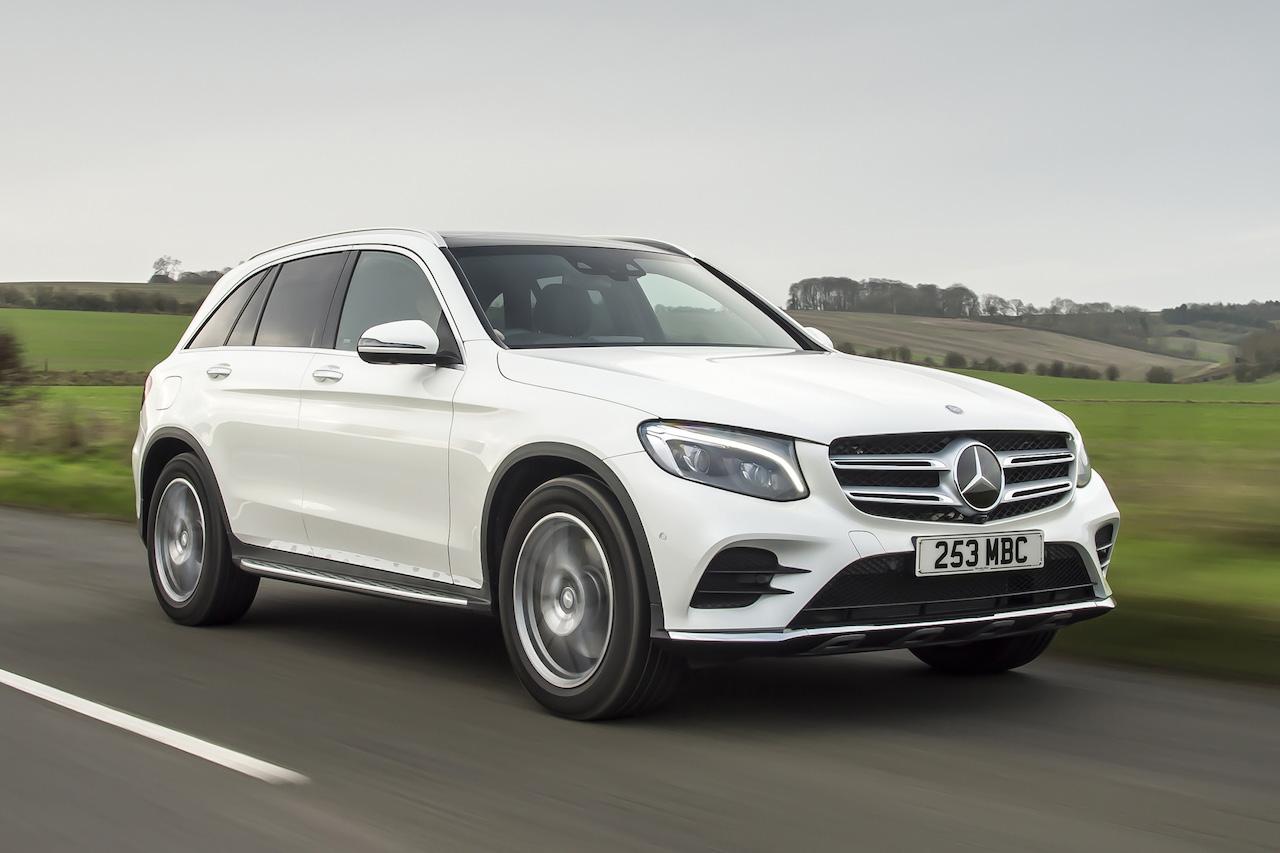
Medium-sized SUVs serve the purpose once filled by family cars and station wagons. As they spend almost all of their time confined to tarmac, off-road abilities take a back seat to on-road performance and comfort, and cabin and luggage space has as much influence as styling. The premium brands sit at the top end of this segment, and (usually) add new technology and opulent trim to these other, more-mundane virtues. Let's take a look at the top-selling premium medium SUV in April (the BMW X3), and see how it compares to two of its main competitors, the Audi Q5 and the Mercedes-Benz GLC. As always, we chose alternatives around the same price point and with similar specifications.
|
Q5 2.0 TDI S-Line quattro Sport |
X3 xDrive20d M-Sport |
GLC220d 4Matic AMG-line |
|
|
Engine size (cyl/size) |
4-cyl, 2.0-litre, turbo-diesel |
4-cyl, 2.0-litre, turbo-diesel |
4-cyl, 2.0-litre, turbo-diesel |
|
Power/Torque |
140 kW/400 Nm |
140 kW/400 Nm |
125 kW/400 Nm |
|
Kerb Weight |
1 845 kg |
1 750 kg |
1 845 kg |
|
Length (mm) |
4 663 |
4 708 |
4 656 |
|
Boot volume (litres) |
550 - 1550 |
550 - 1600 |
550 - 1600 |
|
Airbag count |
6 (opt 8) |
6 |
7 (opt 9) |
|
Ave Consumption * |
4.9 ℓ/100 km |
5.7 ℓ/100 km |
5.5 ℓ/100 km |
|
Warranty |
1 yr/unlimited km |
2 yr/unlimited km |
2 yr/unlimited km |
|
Price |
R 779 420 |
R 745 469 |
R 758 164 |
*Manufacturer's official figures.
Analysis
These vehicles are uncannily similar when you look at the specification sheet. They're extremely closely matched in terms of size, luggage space, engine power and pric etags, making it extremely difficult to choose between these three. Minor differences include the overall length (the BMW being marginally the largest), absolute engine capacity (the Mercedes has the largest engine and the Audi the smallest), and overall utility space (where the Audi loses by a mere 50 litres).
Their drivetrains do deviate somewhat from each other, however. The Audi offers a 7-speed dual-clutch transmission, while the others have torque converter automatics: an 8-speed item in the BMW and a 9-speed unit in the Mercedes. The sharp-shifting twin-clutch gearbox in the Audi Q5 gives it a slight performance advantage, yet it doesn't pay any penalty in the efficiency stakes, with a significantly lower official average fuel consumption figure than the other two. These claims are both somewhat strange, as BMW is significantly lighter than both the Audi and the Mercedes, which should really translate to a performance- and consumption advantage.
Equipment levels are remarkably similar between the three Germans, with a fairly generous standard specification and massive option lists. The only one to show any significant advantage is the X3, which has navigation as standard, while you'll need to pay extra to get this in the others. All of them have nice things such as automatic headlights and -wipers, and multi-zone climate control as standard. LED headlights are, however, only standard on the Audi and X3, and optional on the GLC.
Apart from brand preferences, the main differentiating factor between these cars really comes down to their price tags. The Mercedes takes the middle ground here, with the BMW about R12 500 less expensive and the Audi around R21 400 dearer. Bear in mind that fitting LED lights (a brilliant safety feature) to the Mercedes may actually push its price past that of the Audi, and then you'll still need to add navigation as well, just to match what the X3 has as standard. This makes the X3 the value leader in this class – and seeing as that's the only real thing differentiating them, it makes sense that the BMW is currently the sales leader.