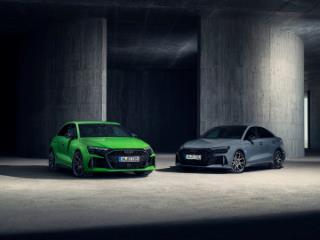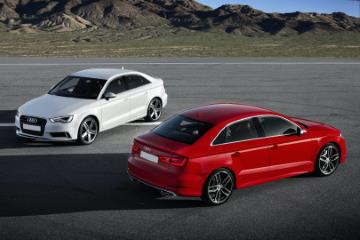

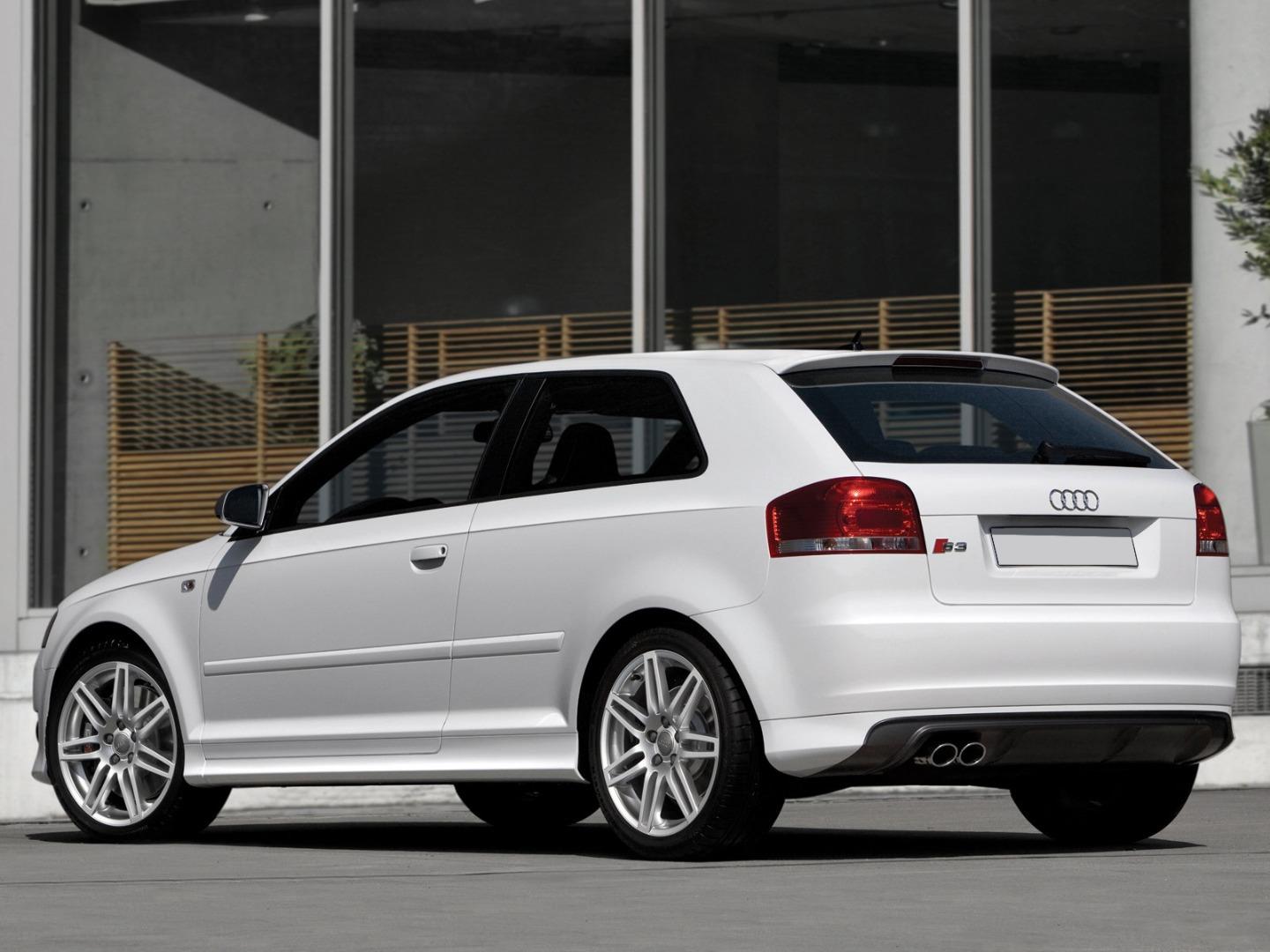
The Audi S3 has quietly evolved into one of the quickest everyday performance hatchbacks on South African roads. While its understated styling has remained a hallmark since the second-generation model debuted locally in the late 2000s, what's hiding beneath the bonnet has changed dramatically.
Related: Audi S3 TFSI quattro (2026) - Video Review
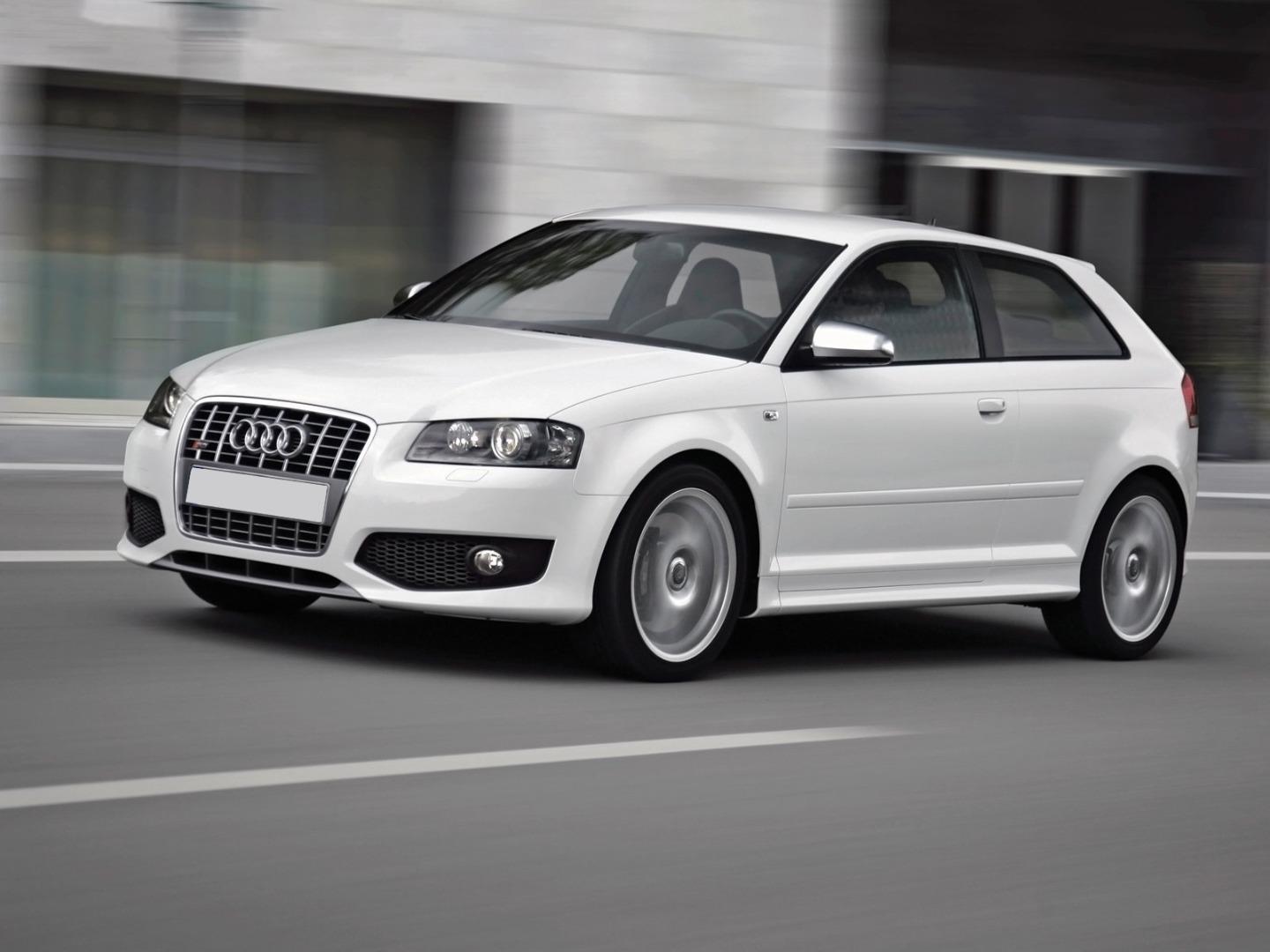
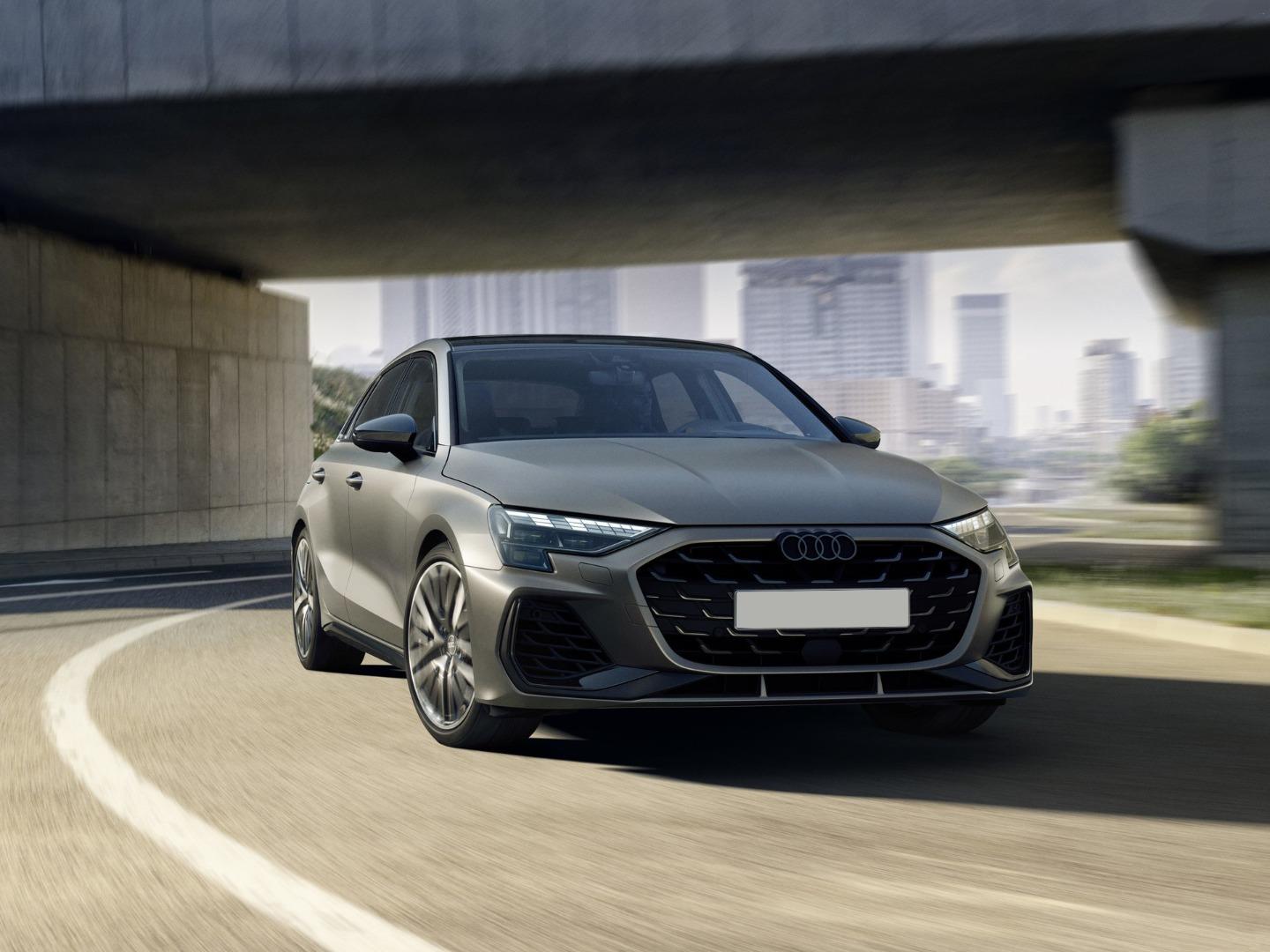
Compare the original S3 (8P) with today's facelifted S3 (8Y), and the performance gains are impossible to ignore. Despite both cars relying on Volkswagen Group's familiar EA888 2.0-litre turbocharged four-cylinder engine, advances in turbocharger technology, fuel injection, engine management and drivetrain calibration have transformed the S3 into an altogether different machine.
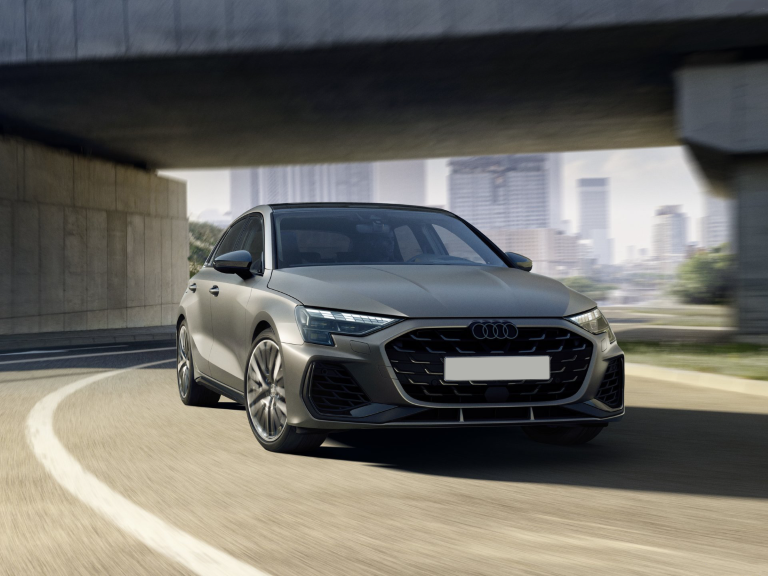
Audi S3 comparison
| Specification | Audi S3 (8P) | Audi S3 (8Y) |
|---|---|---|
| Engine | 2.0-litre turbocharged TFSI petrol | 2.0-litre turbocharged TFSI petrol |
| Capacity | 1 984 cc | 1 984 cc |
| Power | 195 kW | 245 kW |
| Torque | 350 Nm | 420 Nm |
| Transmission | 6-speed manual / 6-speed S tronic | 7-speed S tronic |
| Drivetrain | quattro AWD | quattro AWD with torque splitter |
| 0–100 km/h | 5.7 sec (manual) / 5.5 sec (S tronic) | 4.7 sec |
| Top speed | 250 km/h (limited) | 250 km/h (limited) |
*All figures in this article were correct at the time of writing; however, they can change at any moment and without notice.
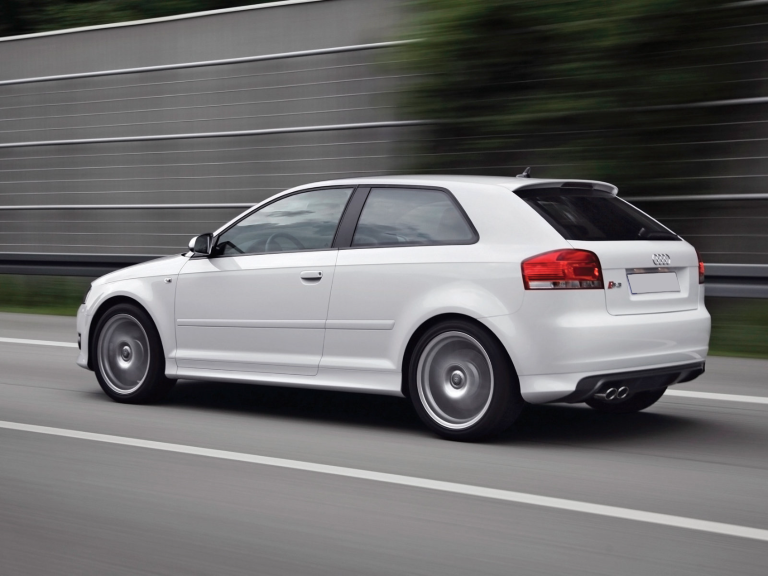
Nearly 26% more power
The original 8P was regarded as exceptionally quick when it launched. Producing 195 kW and 350 Nm, it comfortably outgunned rivals such as the BMW 130i and Volkswagen Golf GTI of the era. Fast forward to the latest 8Y, and Audi has extracted an additional 50 kW and 70 Nm from the same engine capacity. Those figures represent increases of approximately 26% in power and 20% in torque without increasing displacement. The latest EA888 engine also delivers torque over a wider rev range, improving in-gear acceleration and everyday drivability.
The biggest leap may actually be the transmission. Buyers could originally choose between a six-speed manual gearbox or Audi's first-generation six-speed dual-clutch S tronic transmission. While quick for its time, neither matches today's seven-speed dual-clutch gearbox. The latest S tronic shifts considerably faster while working alongside a more sophisticated launch control system.
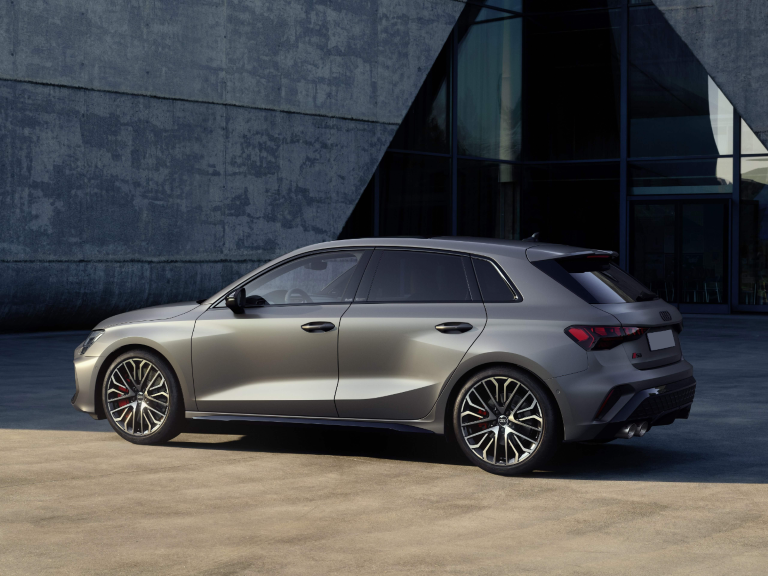
Audi has also introduced a rear torque splitter on the latest S3, allowing torque to be actively distributed between the rear wheels. The result is greater cornering agility while maintaining the all-weather confidence quattro is known for.
The S3 remains a favourite
South Africans have always appreciated the S3 because it delivers genuine sports car performance without sacrificing everyday usability. The 8P appealed to enthusiasts wanting discreet performance, while today's 8Y competes with increasingly powerful rivals such as the Mercedes-AMG A35 and BMW M135.
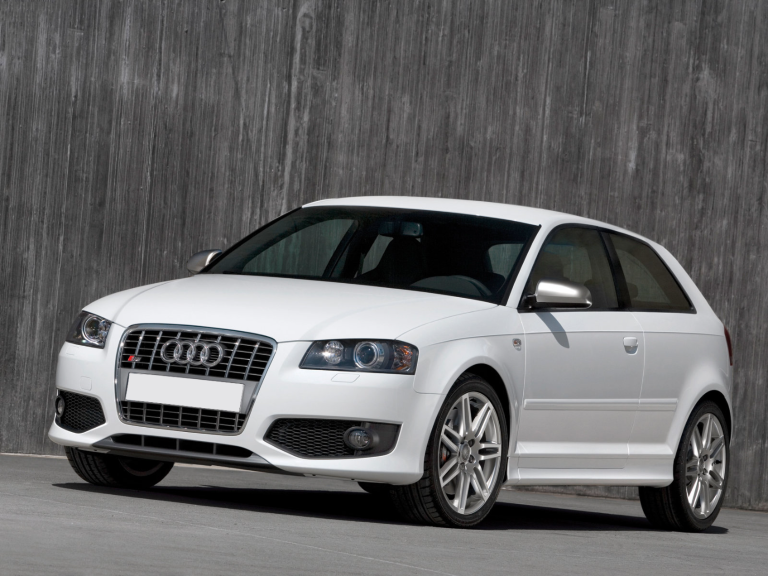
Although both generations wear the same badge, the latest S3 delivers acceleration that was once reserved for flagship performance models. The difference highlights how much modern engineering has advanced. Nearly two decades later, Audi has transformed the S3 from a quick hot hatch into a genuine high-performance machine capable of challenging sports cars costing considerably more.