Should I buy an electric or hybrid car?
Switching from a traditional internal combustion motor vehicle to an electrified one presents a host of benefits and few detractions. Find out which type of electrified vehicle is best suited to your lifestyle and which one may leave you next to the side of the road.


It seems that nearly every week there's news of a manufacturer announcing that they're "going green". This announcement usually contains a proposed plan to do away with fossil-fuel engines, starting with diesel and ending off with petrol as well. While these proposed dates still seem rather far away, with some aiming for a total transform in 2030 or similar, the fact is that it's only a few years between now and then.
Related: What are the best hybrid cars in 2021?
The electrified age is upon us and it all makes sense, once you manage to wrap your head around the concept and you're prepared to make small alterations to your driving habits. Many manufacturers are ramping up their hybridisation efforts in a bid to reduce their carbon footprint and draw nearer to carbon neutrality. As a result, you're seeing more models being introduced with hybrid or electric drivetrains and come manufacturers, like Toyota, are already producing hybrids at their local plants.

What's the difference between electric and hybrid?
Hybrid vehicles, in most cases, still offer you the choice between running a petrol engine or an electric motor for propulsion. A hybrid will have an ICE (Internal Combustion Engine - petrol or diesel) and an electrified drive system comprising of batteries and electric motors. While it is not possible to run the vehicle purely on electric power alone, the addition of the electric motor system reduces the fuel consumption and improves the overall running performance. Many hybrids will allow for full electric operation (provided that there is fuel onboard as well) and will automatically switch between the ICE and batteries as the source of propulsion.
Hybrids come in two general flavours; series-parallel (self-charging) or Plug-in Hybrid (PHEV). The former requires no additional input from you and can be treated like a regular ICE vehicle. A PHEV can also be left to its own devices and the internal charging system will help charge the batteries, but connecting the vehicle to an external charging source will allow for a greater charge and more electrical range. It's, therefore, safe to say that the best use of a PHEV is to adopt EV-style charging habits.
Full electric vehicles do away with the ICE and run solely on batteries and electric motors. These vehicles require charging and this can be done either at your home, office, or at a public charging point. Their silent operation, zero emissions and cost-effective running are making them more attractive each day as battery technology improves and ranges increase.

Which one is right for you?
Deciding between a hybrid and an EV (Electric Vehicle) isn't all that hard. One just needs to assess their mobility needs and see which one is the best fit. Listed below are a few considerations one needs to take into account when deciding between an EV and a hybrid and it's important not to lose sight of the objective.
A hybrid offers you the flexibility to travel anywhere in the country as the vehicle is not dependent on a charging point. The range of hybrid vehicles often supersede those of regular ICE and fewer stop will be required on long journeys. Should you wish to recharge the batteries while you're out, you'll be able to make use of the public charging infrastructure, but this isn't necessary. In areas where charging points are limited, you'll still be able to continue with your travels.

Hybrids are therefore better suited to those who do long distances, generally greater than 200 km on a regular basis. Do not confuse this with the one trip you make to the coast on holiday a year; buying a car for one trip a year is counterintuitive and costly.
EVs are best suited to those that live in or near metropolitan areas where charging infrastructure is more prolific. Commuting into the city on a daily basis with a round trip average of less than 200 km is simple in modern electric offerings. Most will offer a range of at least 200 km and this can always be countered by charging your EV while at work. The savings are immense. Should you be able to afford one of the more expensive EVs, you'll get at least 400 km range, which will see you only having to charge every other day or if your mileage is low, once a week (although this is not recommended)

Charging and loadshedding
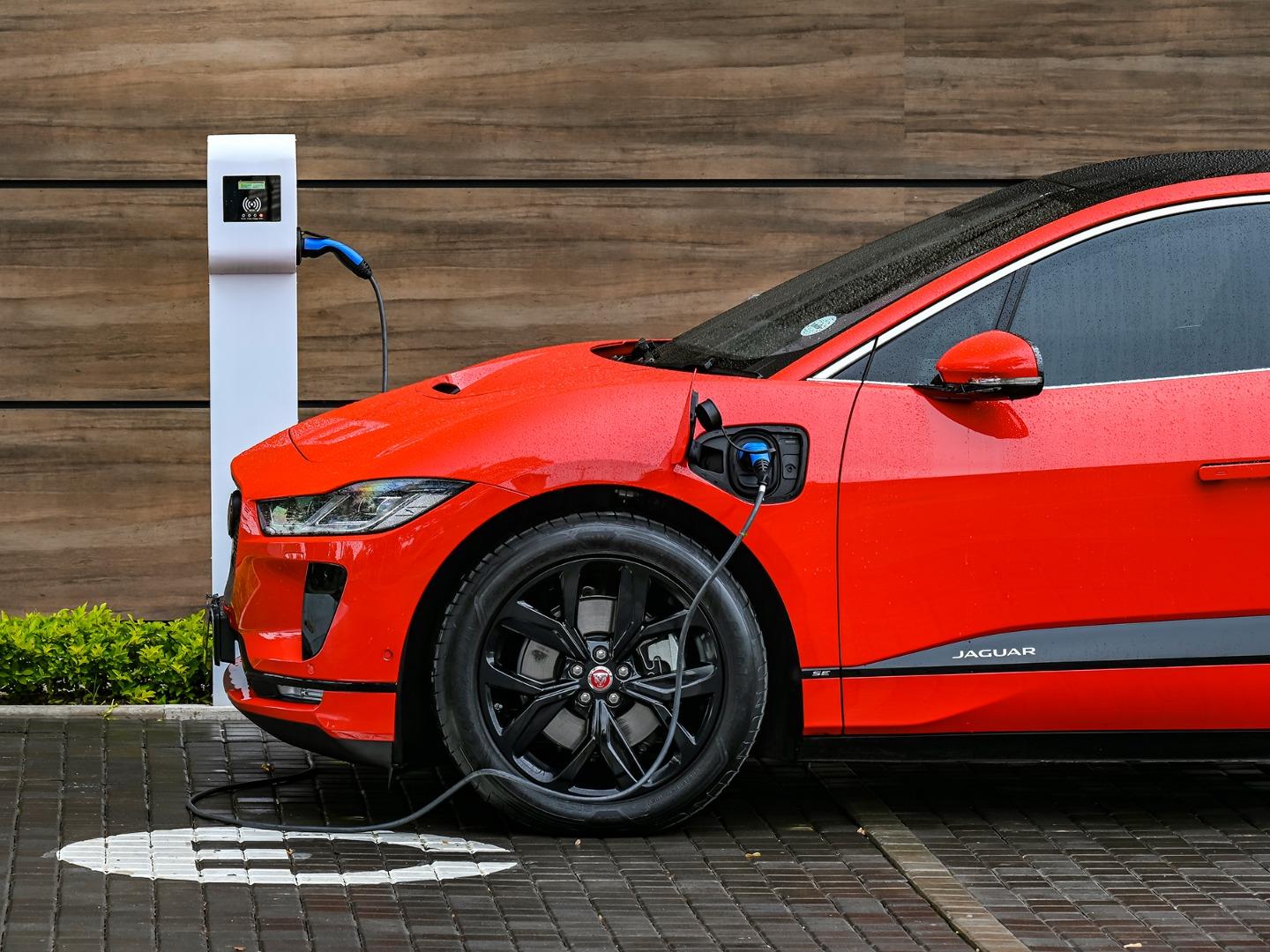
Switching to an EV requires a change in mindset. Where we're accustomed to driving to a petrol station to refuel, you'll be able to recharge your EV from the comfort of your home. All EVs come with a domestic charging cable that can plug into the regular 220v power outlet in your garage or home. Should you wish to benefit from faster charging times, you can install a home wall box that will bring the charging times down by offering a stronger charging current - think of it as a fast charge for your car, instead of your phone. Public charging points offer the fastest charging times with 80% charge possible in only 40-minutes.
If you adopt the habit of plugging your car in when you get home in the evenings, you should find that you will only need a few hours to complete fill the battery. This will leave you with a full battery and your full range every morning. Treating an EV like a mobile phone is the best way of doing things and will help ensure that you don't get caught out without range.
The loadshedding argument also holds no water. The planned power interruptions are scheduled and barre the few unplanned outages, one is able to plan and work around the downtime accordingly, in the same way that you do with your phone or laptop computer. If you're aware of planned outages, you can ensure that your vehicle is charged beforehand.
In summary
Hybrid
Pros
- No additional range anxiety
- Greater distances can be covered
- Cheaper to purchase
- Reduced running costs
Cons
- Running costs still higher than full EV
- Higher servicing costs
- Not as environmentally friendly

Electric
Pros
- Cheapest to run
- Quiet operation with zero emissions
- EV performance is exciting
- Extremely low service costs
Cons
- Limited range
- Costly to purchase
- Limited charging infrastructure away from major centres