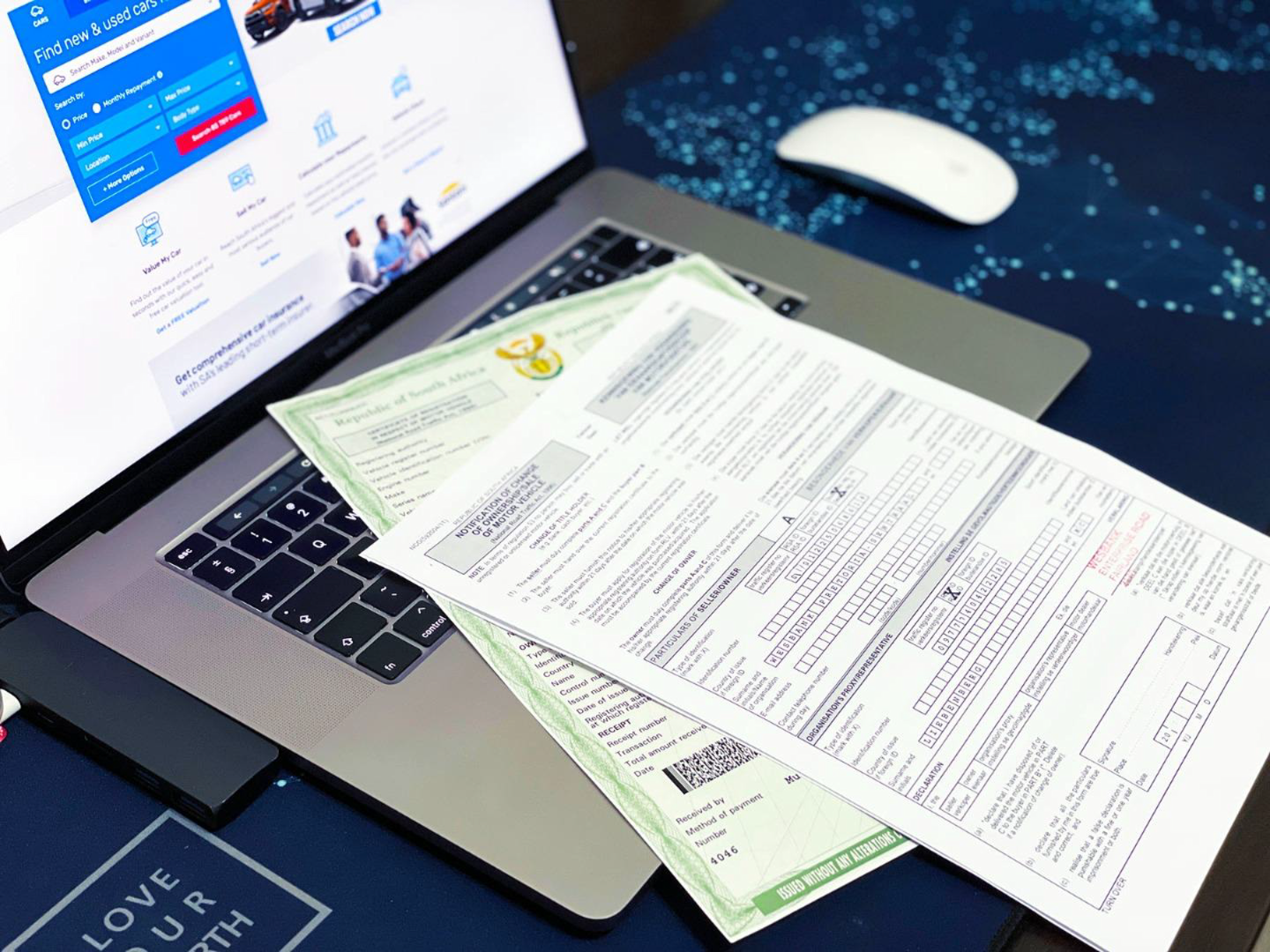
A roadworthy certificate is a key document in South Africa’s vehicle ownership process. Whether you’re buying, selling, or re-registering a car, understanding how it works can save you time, money, and administrative headaches.
What Is a Roadworthy Certificate?
A roadworthy certificate confirms that a vehicle meets South Africa’s minimum safety standards under the Road Traffic Act. Authorised testing stations issue it after a full safety inspection and verifies that the vehicle is safe for public roads.
It’s not a guarantee that the car is mechanically flawless — it simply confirms it meets the legal standard for road safety.
When Do You Need One?
You’ll need a valid roadworthy certificate when:
Transferring ownership of a used vehicle
Re-registering a deregistered car
Registering an imported vehicle
Changing licence details between provinces
Updating major vehicle details (e.g. engine or colour)
Applying for a special or vintage licence
New vehicles from dealerships usually include one, so buyers don’t need to arrange it themselves.
Buyer or Seller: Who’s Responsible?
By law, the seller must provide a valid roadworthy certificate during a vehicle sale. It must be in the seller’s name and valid on the date of sale.
However, in private transactions, this can be negotiated. Some buyers purchase vehicles “as is” and handle the certificate themselves, while others split the cost. Dealers typically include the certificate in the sale price.
Regardless of the arrangement, the licensing department will not transfer ownership without a valid certificate.

What Does It Cost?
Costs vary by province, testing station, and vehicle type. Typical 2025 pricing:
Passenger cars: R500 – R850
SUVs and bakkies: R600 – R1 000
Commercial vehicles: R800 – R1 500
Government testing centres are often cheaper but may have longer waiting times. If your vehicle fails, repairs and retests are billed separately.
Validity Period
A roadworthy certificate is valid for 60 days from the date of issue. Ownership transfer must be completed within this period — no extensions are allowed. This ensures the vehicle’s condition accurately reflects its roadworthiness at the time of sale.

What Gets Checked?
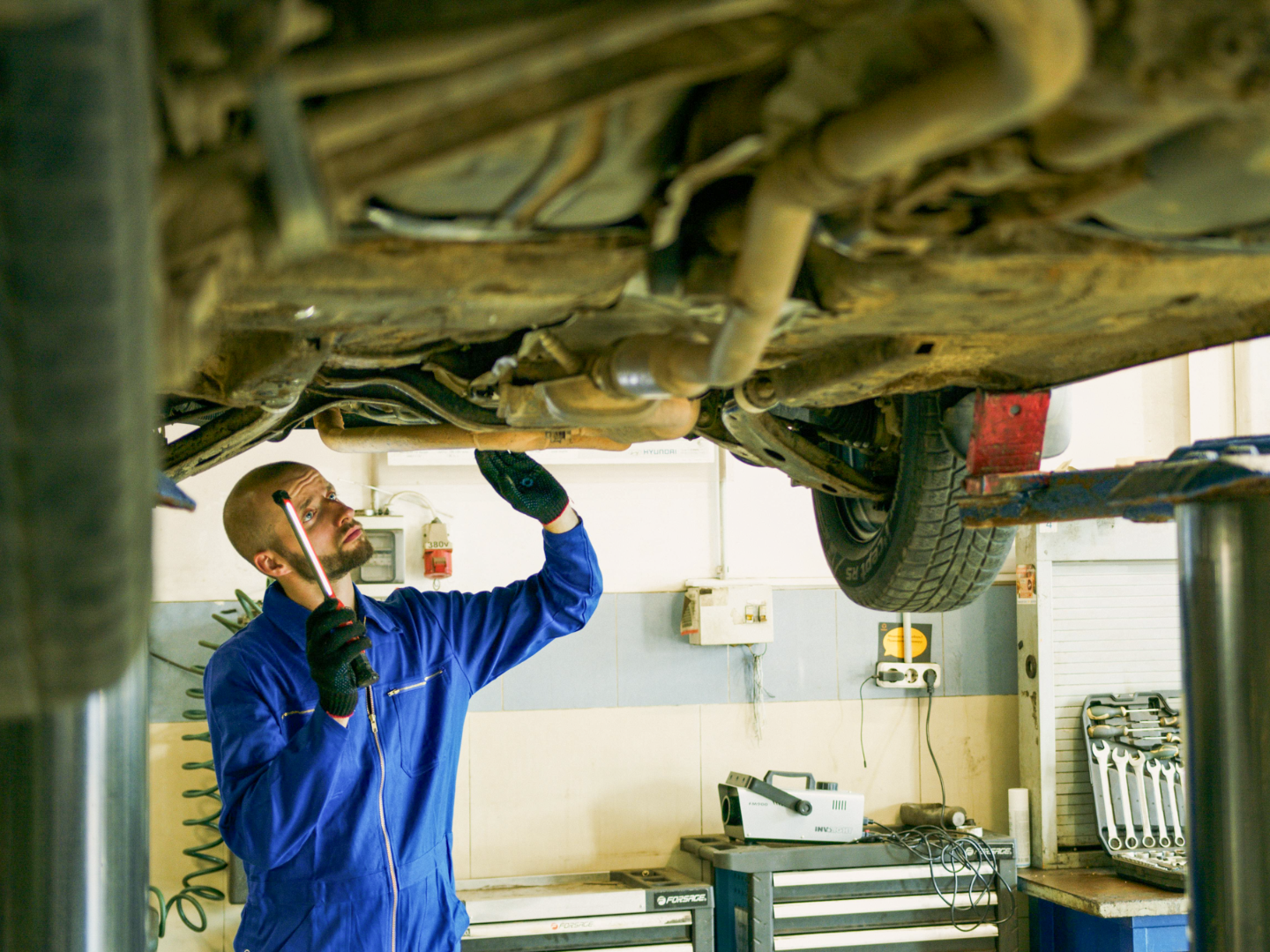
The inspection covers all safety-critical systems, including:
Brakes: Pads, discs, handbrake, and fluid leaks
Steering & suspension: Shocks, bushings, and wheel alignment
Lights & electricals: Headlights, brake lights, indicators, horn, wipers
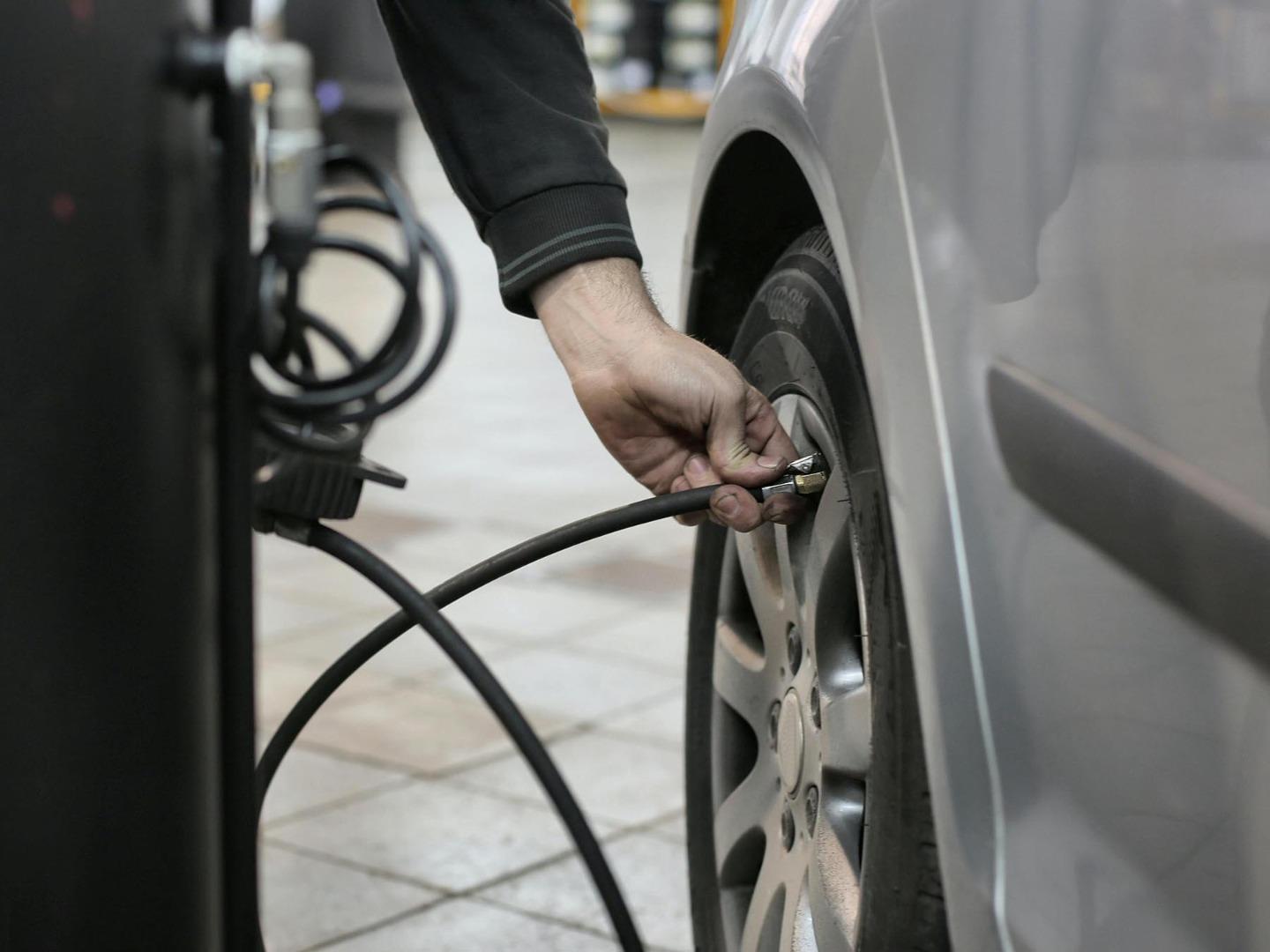
Tyres: Tread depth (minimum 1.6mm) and overall condition
Body & structure: Rust, seatbelts, and door functionality
Engine & transmission: Leaks, smoke, and mounts
Cosmetic defects or non-safety items (like the radio or air conditioning) aren’t tested.
Where to Get Tested
Only authorised testing stations can issue roadworthy certificates:
Government stations: Lower fees, longer queues
Private centres: Faster service, higher cost, often with pre-inspection options
Check the reputation, wait times, and retest policy of any station before booking.

Common Fail Points
Vehicles often fail due to:
Worn brakes or leaking fluid
Faulty lights or bulbs
Bald or damaged tyres
Steering or suspension wear
Windscreen cracks
Seatbelt or warning light issues
Oil or coolant leaks
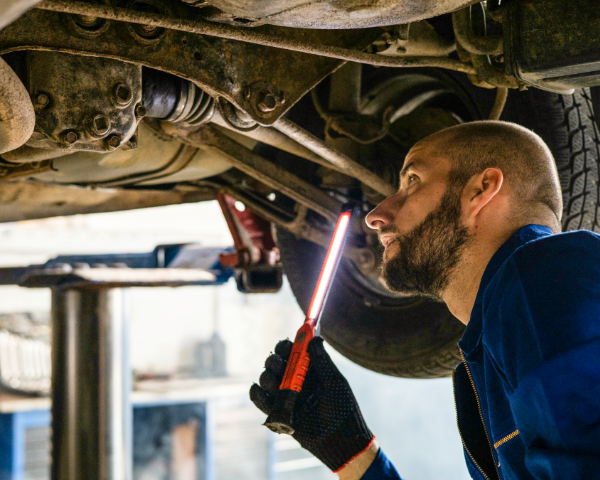
A pre-roadworthy inspection from a workshop can help avoid these issues.
Can You Sell Without a Certificate?
Ownership transfers cannot be processed without a valid certificate. Exceptions apply when:
Selling to a dealer (who will test it before resale)
Selling for scrap or export
Transferring within immediate family (provincial rules apply)
Even in these cases, written agreements are essential.

Preparing for the Test
Boost your chances of passing by checking:
All lights and indicators
Tyre tread and pressure
Brake operation and fluid levels
Windscreen and wipers
Seatbelt condition and retraction
Leaks under the vehicle
Simple fixes can prevent a failed test and unnecessary costs.
Why It Matters
A roadworthy certificate keeps unsafe vehicles off South African roads. It protects both buyers and sellers, ensures compliance with the law, and helps maintain national road safety standards.
Understanding the process — and preparing properly — means a smoother transaction and peace of mind when your vehicle changes hands.