The budget segment has got you covered in many respects and even body styles to boot. The entry-level part of this segment is occupied by the Renault Triber, which is a common sight amongst school shuttles and e-hailing services alike. Though diminutive, the Triber is long and accommodates seven occupants. Now the Triber has received a facelift, coming with new styling, new features and a cheaper starting price too. We drove the top-spec Iconic variant, so our views will be based on this model. Let's see what's been updated.
Related: Is the Renault Triber good for families?
Styling
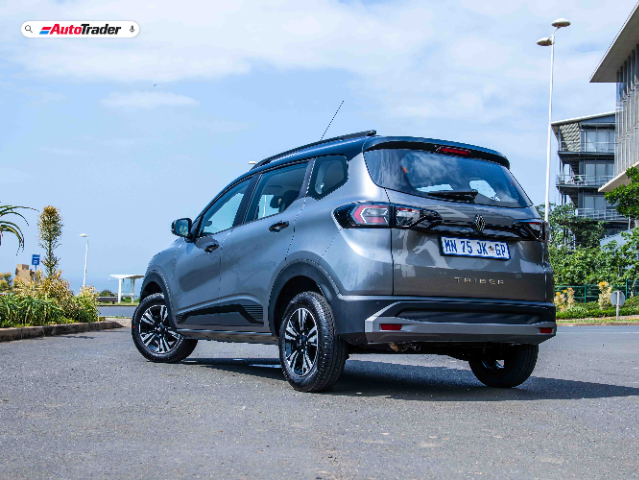
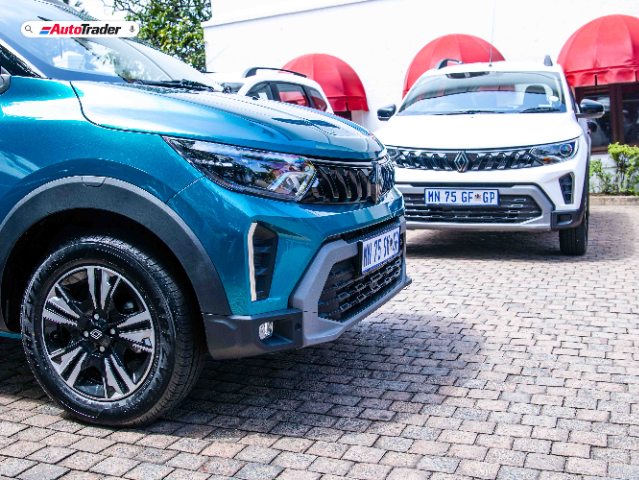
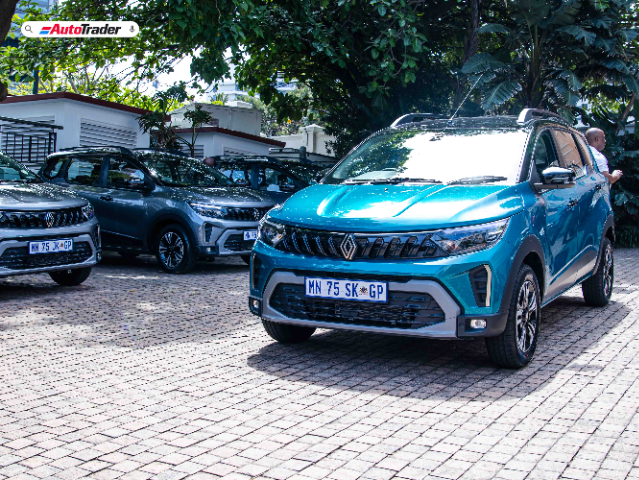
The updated Triber now employs styling that aligns with Renault's current brand identity. The centre of it all is the diamond-shaped badge, and everything revolves around it. The front fascia has a new grille and headlamps, and the chin now sports new plastic skid plating. Body cladding is found along the side and in the top spec Iconic model, a two-tone wheel cover. You'll find roof rails on top with a 50kg load capacity. The rear also has new LED taillights, and the model name is below the badge. Renault calls the styling more SUV-like. We think it makes the Triber look more attractive now as a people mover.
Interior and Space
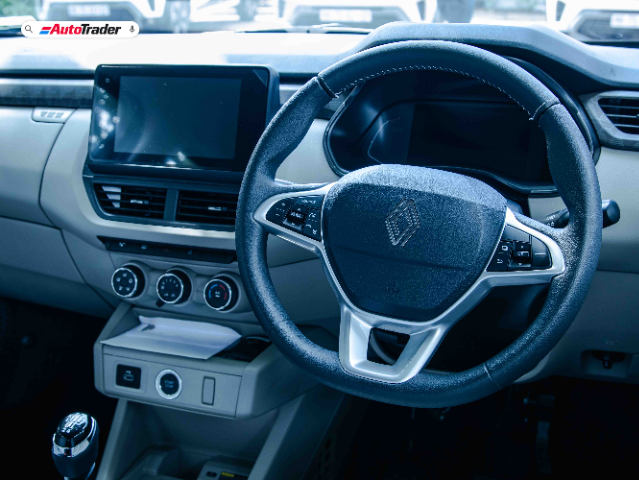
Step inside the Triber and compare it to the previous generation; there have been some rearrangements in the cabin. First of all, the dash layout has changed with the 8-inch infotainment screen crowning the centre stack, which has wireless Android Auto and Apple CarPlay. The instrument cluster receives a refresh, too, with a digital display. These arrangements do make the make the Triber's interior feel more modern and have easy access to various vehicle functions. Now, the cabin is trimmed with light beige hard plastic trim and on the seat upholstery. This writer is willing to give the vehicle a bit of grace regarding the harder plastic trim, as it's a budget vehicle. However, in our experiences, beige interiors, be they plastic or upholstery, get dirty easily and quickly, requiring more upkeep and attention. Shades of darker grey and black would have been more suitable, but considering this vehicle is going to be used for shuttle services, less scratchier plastics in key traffic areas would be best.

Despite this, the Triber's cabin is roomy as you'd expect it to be for a budget people mover with plenty of head and shoulder room. The second row seating is on rails and is adjustable, should you need more leg room in the third row seating. Depending on how you want to arrange the Triber, if you remove the third seat row, you can have 625 litres of boot space to play around with. Seating in these areas can accommodate people decently. Independent air vents with fan controls can channel air to the second and third rows. In the Iconic variant, there's even a refrigerated glove compartment. Handy to keep the road snacks cool. The driving position is adequate, and it helps that there's a driver's seat adjuster to find a comfortable position.
The Drive
Propelling the Triber range is a 1.0-litre three-cylinder petrol engine making 53 kW / 96 Nm. That power is sent to the front wheels via a 5-speed manual or AMT (Automated Manual Transmission) gearbox. We're a bit divided on the Triber's powertrain, on the one hand, it does what it says on the tin, but on the other, it could just be a bit more. Variable Valve Timing and some added low-end torque can make this setup more versatile, particularly when the Triber is loaded with people. To mitigate this, the gearing on the manual transmission is shorter to help with acceleration, but as a result, maintaining 120 km/h highway speed results in the engine sitting at 4000 rpm.
In contrast, it's happier at 100 km/h and 3000 rpm. It doesn't need to be a rocket, but something that manages its loads better. Some engine vibration does permeate the cabin, but the rest of the NVH (Noise Vibration and Harshness) is decent.
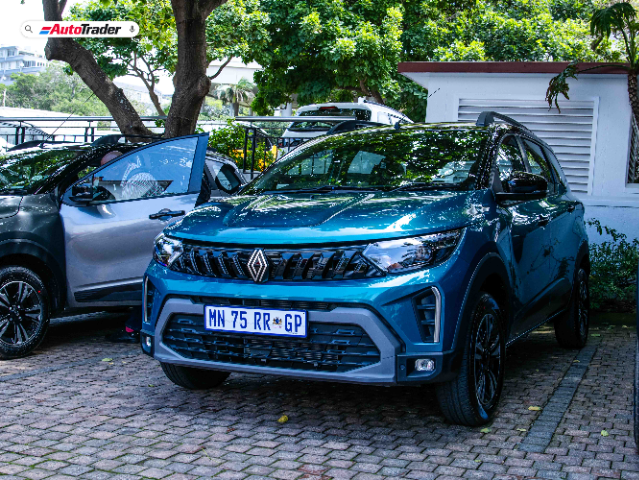
On the road, the Triber carries itself decently. You'd think it's a top-heavy bread loaf, but even with the sea breezes, it didn't feel bothered by that. Ride quality is good, the suspension setup is neutral, steering operation is light and taut enough and overall operations, such as the clutch and brake pedals, are light to make for driving that isn't fatigue-inducing. We only spent a total of 1 hour driving this vehicle and sampling its people-moving capabilities, so more time will need to be spent to determine more.

Safety
NCAP Rating: ★★★★✩
(This is based on the previous version of the Indian market spec Triber. Test results can be found here.)
The updated Triber now comes standard with more safety features across its range. These include:
- 6 airbags
- Tyre Pressure Monitoring System
- ABS, EBD, ESP
- Seatbelt reminders front and rear
- 3 Point Seatbelts across all seats
- Hill Start Assist
- Rear Parking Sensors
- Speed-sensing door locks
Pricing
| Model | Price |
| Renault Triber 1.0 Evolution | from R218 999 |
| Renault Triber 1.0 Techno | from R233 999 |
| Renault Triber 1.0 Iconic manual (tested) | from R249 999 |
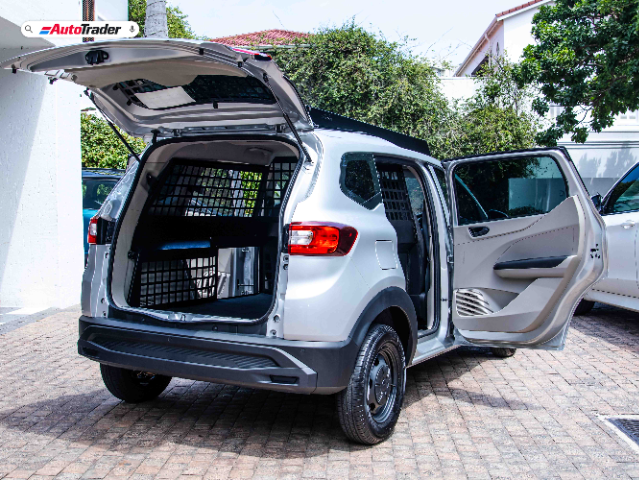
| Renault Triber 1.0 Express panel van (not including the roof rack) | from R249 999 |
| Renault Triber 1.0 Iconic auto | from R259 999 |
The Triber purchase price includes a 2 year /30 000 km service plan and 5-year /150 000 km warranty.
*Pricing stated here was correct when publishing and is subject to change without prior notice.
Verdict
The current Triber does what it says on the tin and sweetens the deal now with its cheaper starting price and fleshed-out specification. Shuttle services and e-hailing will still naturally lap this up, but a little more dialling in can make this vehicle so much more.