


Renault reintroduces the turbocharged Kiger model
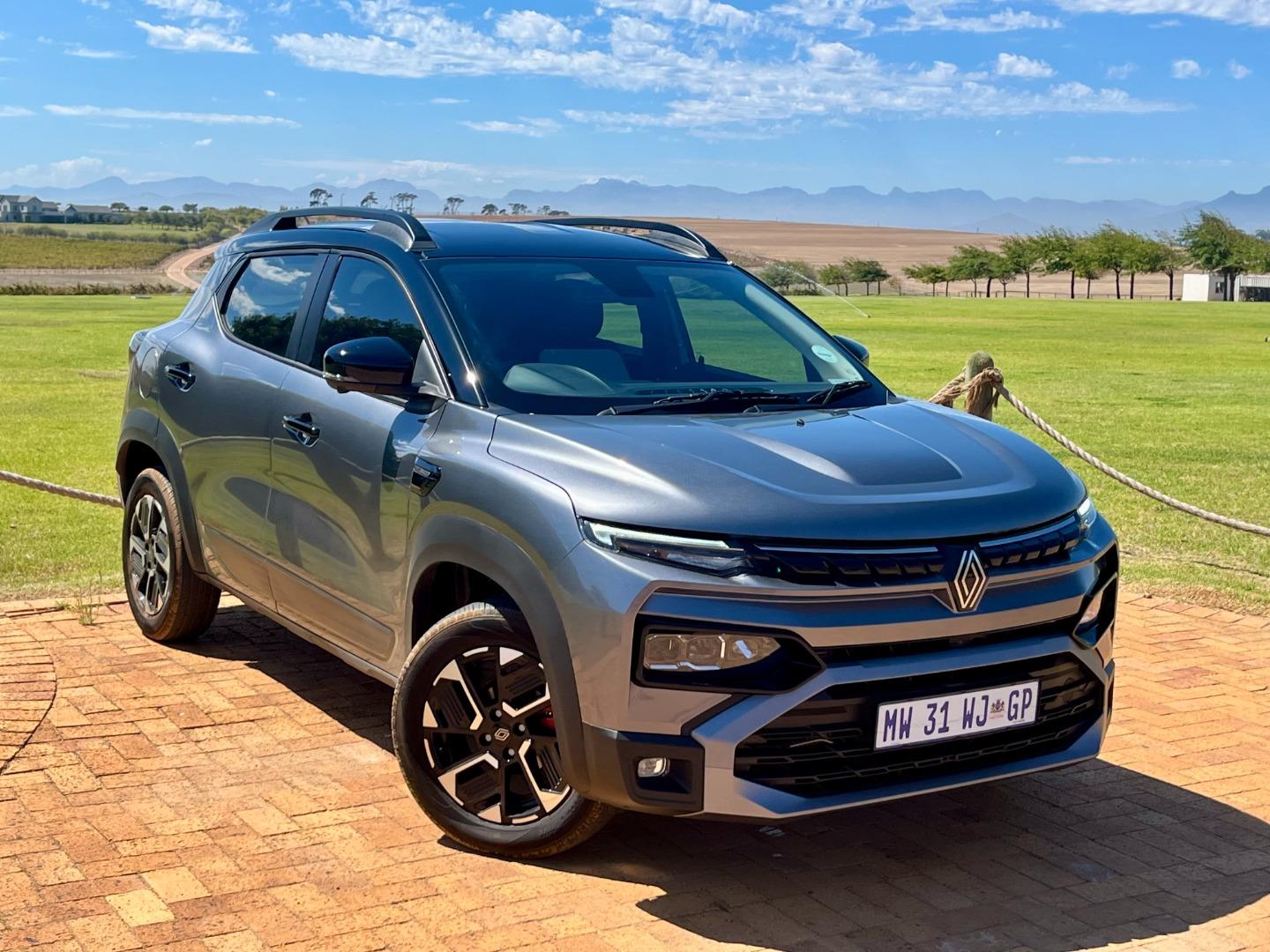
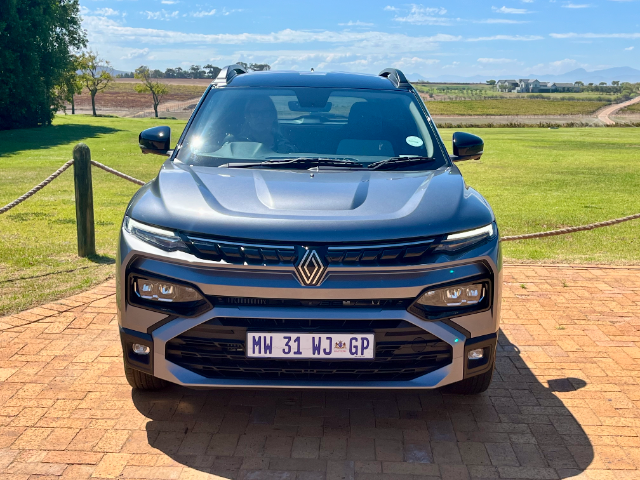
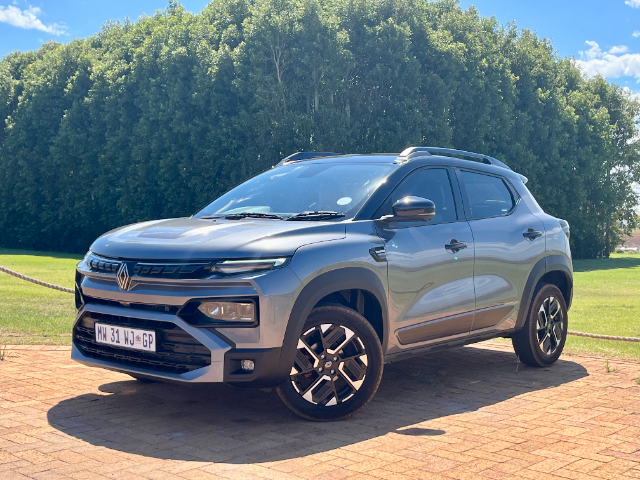
The Kiger Turbo builds on the updated naturally aspirated Kiger range launched in late 2025, but adds more power, more spec and a bolder look aimed at South African buyers who want SUV flavour without a loaded price tag.

Power comes from a 1.0‑litre three‑cylinder turbocharged petrol engine delivering 74 kW and 152Nm or 160 Nm, depending on the transmission. It drives the front wheels via either a five‑speed manual gearbox or a CVT. Upper trims add Renault’s Multi‑Sense drive modes (Eco, Normal, Sport) so you can tweak the response to suit traffic, hills, or a quick Sunday run out of town.
Related: Renault Kiger 1.0 Turbo Intens (2021): A crossover lacking in quality
Who is the new turbo Renault Kiger aimed at?
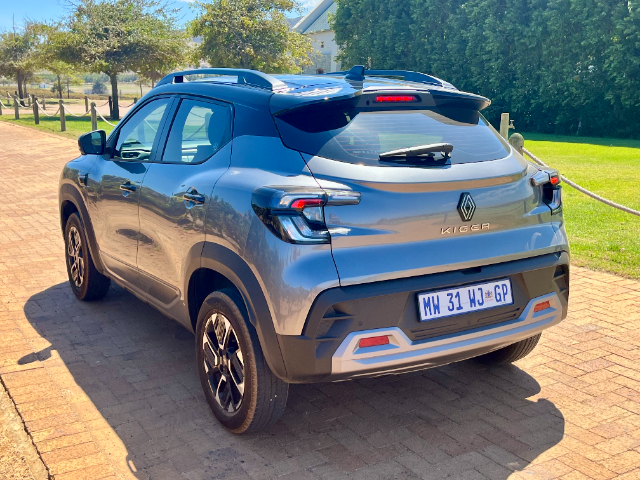
The Kiger Turbo is aimed squarely at budget-oriented buyers who live in the city but don’t want to feel short‑changed on weekends. Think young families, first‑time new‑car buyers moving up from an entry hatch, and even ride‑hailing drivers who want something trendy-looking. It also makes sense for existing Kiger and Kwid owners who now do more highway mileage and want better performance, but aren’t ready for the jump in size and cost that comes with bigger SUVs. With its compact footprint, 205 mm ground clearance and genuinely useful boot, the Kiger Turbo works as an all‑rounder for people who need one car to fulfil a multitude of duties.
What features are on offer?
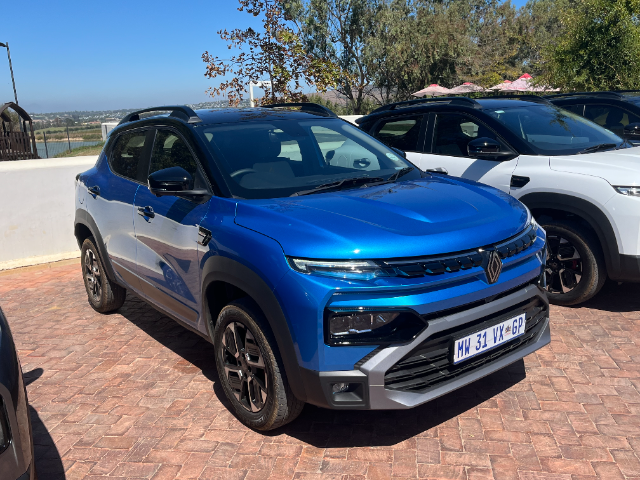
The Kiger Turbo range in South Africa is refreshingly simple: two trims, with the top one offering the aforementioned CVT. All turbo models share the core hardware – the 1.0‑litre turbocharged motor, an 8‑inch touchscreen with smartphone mirroring, a rearview camera and rear AC vents – and then layer on comfort and tech as you move up.
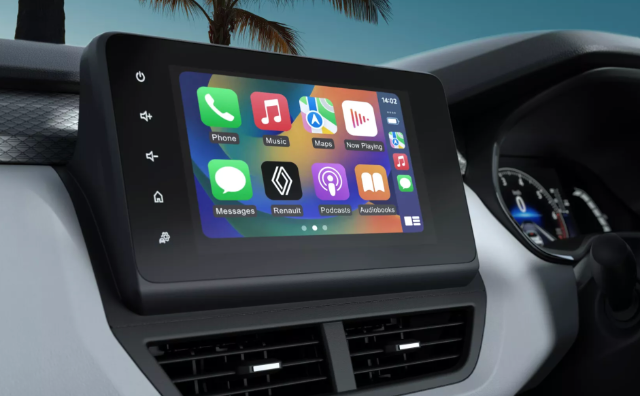
The Kiger 1.0 Turbo Techno is the entry point into the turbo line‑up, but it is generously equipped. It pairs the 1.0‑litre turbo engine with a five‑speed manual transmission and gets Tri‑Octa LED headlamps, a dual‑tone interior, the 8.0‑inch touchscreen with wireless Apple CarPlay and Android Auto, and a 7.0‑inch digital TFT driver’s cluster. Wireless smartphone replication, Renault’s Smart Access Card (hands‑free key card entry), a rear camera and rear parking sensors, rear AC vents and safety kit including ABS with EBD, brake assist, TPMS and ISOFIX round off the package, with electronic stability control, traction control and six airbags.
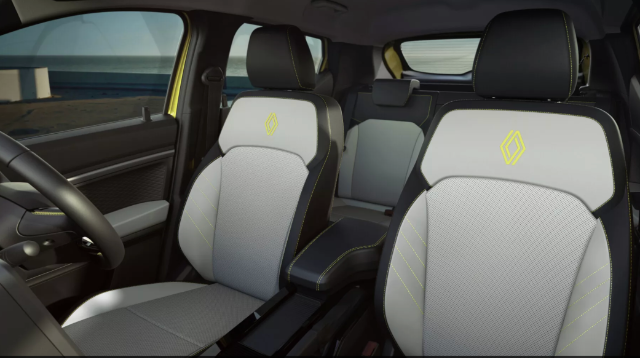
The Kiger 1.0L Turbo Iconic (manual) builds on that with more features. On top of the Techno’s equipment, it adds front ventilated leather seats for the driver and passenger, unique to the Iconic grade.
Automatic climate control, a multi‑view camera system, Multi‑Sense drive modes (Eco, Normal, Sport), 16‑inch Evasion diamond‑cut alloy wheels, automatic headlights and rain‑sensing wipers, plus convenience touches like a 'Belongings Reminder' and Take‑a‑Break alerts further set it apart.
At the very top, the Kiger 1.0L Turbo Iconic CVT pairs the Iconic spec with the X‑Tronic CVT automatic transmission in place of the manual, for buyers who spend most of their time in urban traffic and prefer two pedals.

Across the board, the Kiger still majors on practicality: 405 litres of boot space (expandable to 879 litres), 29 litres of in‑cabin storage and 50 kg‑rated functional roof rails all speak to families and lifestyle buyers.

What’s the interior like?
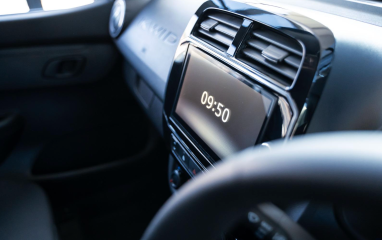
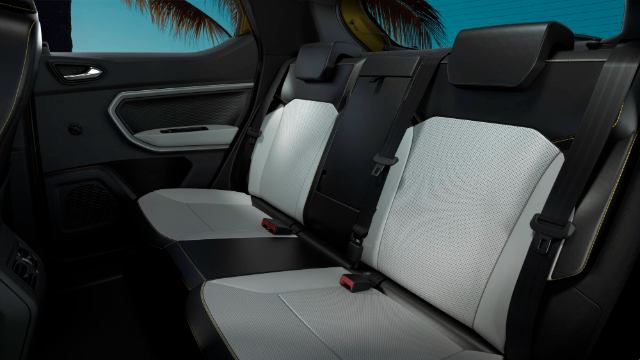
We drove the top‑spec Kiger Turbo Iconic CVT, and the cabin makes a strong first impression. The dual‑tone interior, with pale front-ventilated leather seats, festive yellow stitching, and contrasting darker panels, gives it a contemporary look. The ventilation in the front chairs is an unexpected luxury at this level.
The overall cabin design is bright and youthful. The 8‑inch central touchscreen and 7.0‑inch digital cluster modernise the dash, while silver inserts and colour accents prevent it from feeling drab. Practicality has clearly been considered: there are plenty of storage binnacles for phones, bottles and small items, and rear passengers benefit from their own vents and decent legroom.
Look a little closer, and the plastic and silver trim remind you that the Kiger is still built to a price. Most surfaces feel hard and slightly hollow to the touch, and the perceived quality isn’t on par with some other crossovers in a similar price range.

How much does it cost?
The recommended retail prices are as follows:
- R278 999 for the Kiger 1.0L Turbo Techno,
- R298 999 for the Kiger 1.0L Turbo Iconic manual, and
- R329 999 for the Kiger 1.0L Turbo Iconic CVT.
Each model comes with a 5‑year/150 000 km mechanical warranty and a 2‑year/30 000 km service plan, with optional extensions available via Renault dealers. For a turbocharged compact SUV with this level of tech, space and warranty cover, the value proposition is hard to ignore.
How does it drive?
Our first drive of the Kiger Turbo Iconic CVT took us through the back roads around Durbanville, including a gravel section, and we found the suspension is on the firm side for a crossover. On smooth tar, that firmness helps the Kiger feel more settled. On rougher roads and corrugations, that same setup can feel busy and a bit harsh. Sharp bumps and washboard gravel surfaces are transmitted more clearly into the cabin than in some rivals, and at low speed, it can feel slightly fidgety.
The 1.0‑litre turbo has enough punch for the Kiger’s mass, but in CVT form, there is noticeable lag when you need to dart into a gap. From a standstill or at low speed, there’s a brief pause while the turbo spools and the CVT sorts itself out; once moving, progress is adequate for town and highway use, but it’s not a plant-your-foot-and-go experience. You learn to drive it with a bit of mechanical sympathy – smoother, earlier throttle inputs work better than last‑second stabs. Through bends, the Kiger feels light and willing but will understeer if you carry too much enthusiasm into a corner, reminding you of its tall stance and front‑drive layout.
Noise, vibration and harshness levels are acceptable for the class. You’ll hear the three‑cylinder thrum and some CVT flare when you ask for full power, and there is some road noise on coarse surfaces, but at a cruise, it settles reasonably well. The handbrake and gear lever feel a touch budget in terms of tactility, which is consistent with the Kiger’s price bracket, although many other manufacturers do it better.
In everyday urban use, the Kiger Turbo Iconic CVT’s light steering, compact size and raised driving position make it easy to thread through traffic and park. Just build a small pause into your mental timing when pulling away briskly, especially at busy intersections. Or just opt for a manual model instead. (We have yet to drive the manual model, so watch this space.)

What colour choices are available?
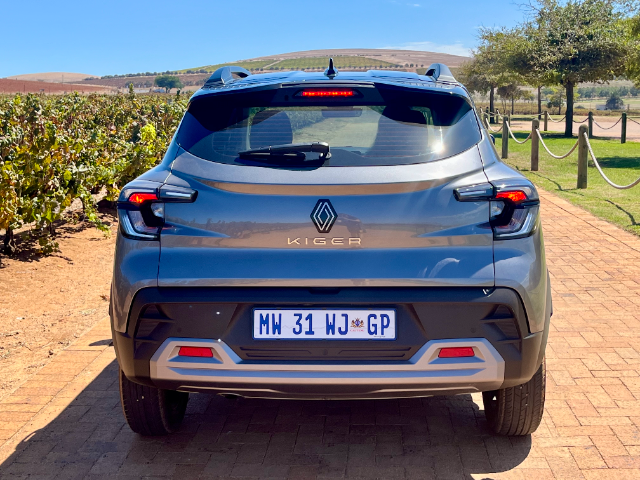
South African buyers can choose from six colours, including a vibrant new hero shade. Autumn Yellow is the fresh addition, joined by Grey, Red, Blue, White and Silver. Certain trims offer dual‑tone combinations with a contrasting roof, which further leans into the youthful, 'mini‑SUV with personality' positioning.

Should you buy the Renault Kiger Turbo?
Those who have been driving small hatchbacks like the Renault Kwid will feel like it's a step up. You’re getting sassy styling, turbocharged performance, big‑car features (including impressive safety), and very usable space for the money. It’s also highly practical, with a big boot, decent rear legroom, rear AC vents, and functional roof rails, making it easy to live with as a small family car. If you can forgive its driving and cabin quality niggles, it may work well for you.
If you value higher interior quality and a better overall driving experience, you might want to look elsewhere.
Competitors
In this price range, you also have access to the following crossovers: Kia Sonet, Toyota Starlet Cross, Suzuki Fronx, Tata Punch, Hyundai Exter, Chery Tiggo Cross, Chery Tiggo 4 Pro, Mahindra XUV 3X0, Lepas L4, or even an MG ZS.
What used cars can you buy higher up in the Renault range for the same price?
What's coming next from Renault SA?
A new Duster is on the cards, but a turbocharged Triber is also on the way shortly, along with the new Boreal, a C-Segment family SUV that will compete with the likes of the Toyota RAV4. Renault SA will also bring more new-energy vehicles, which may prove popular considering where fuel prices are heading.