We compared Renault Kiger engines, and the efficiency crown goes to…
Renault has retired the popular Sandero model in the local market and replaced it with the Kiger, an all-new crossover that shares many of its underpinnings with the Nissan Magnite. Let us discover which Kiger engine option is most efficient.

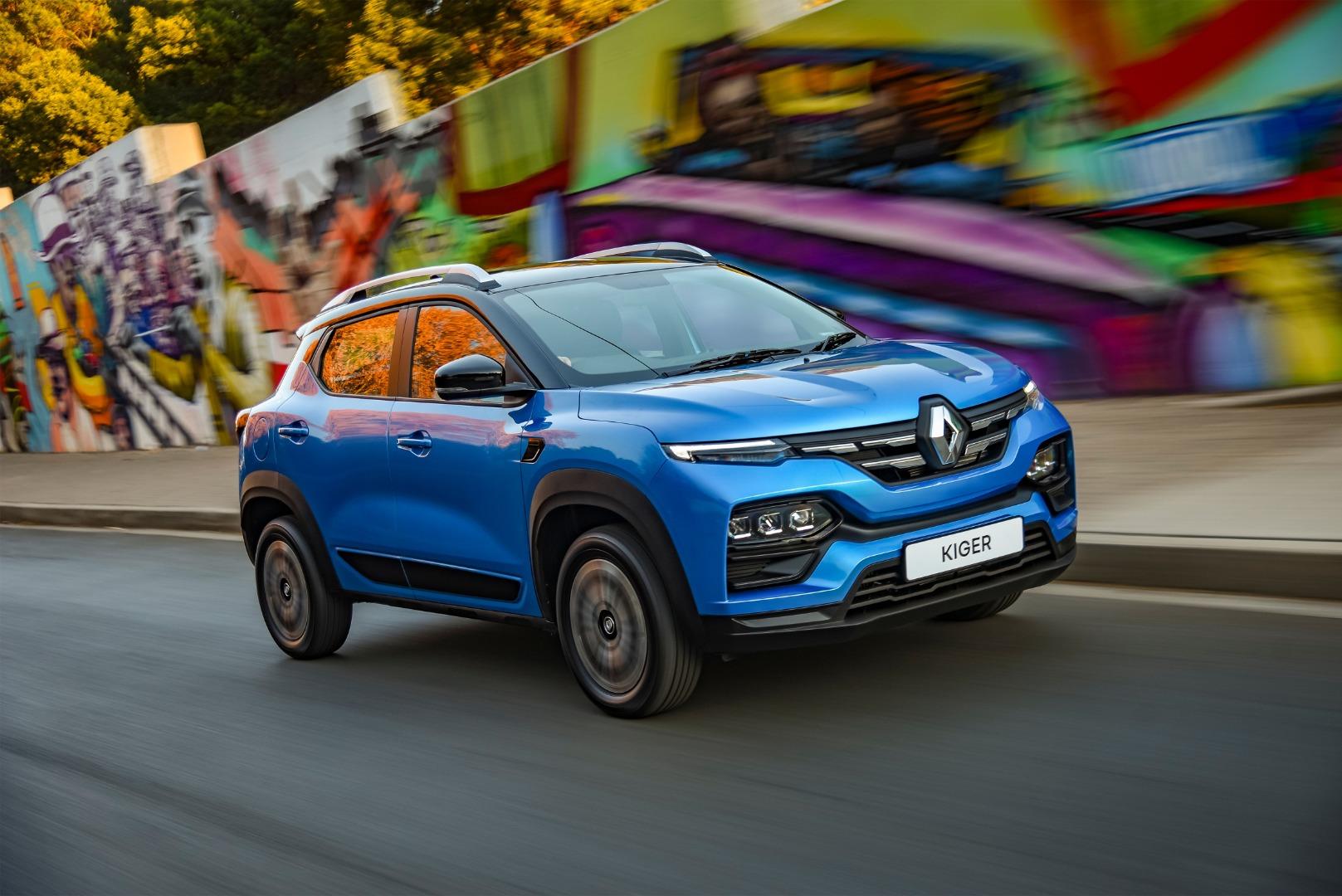
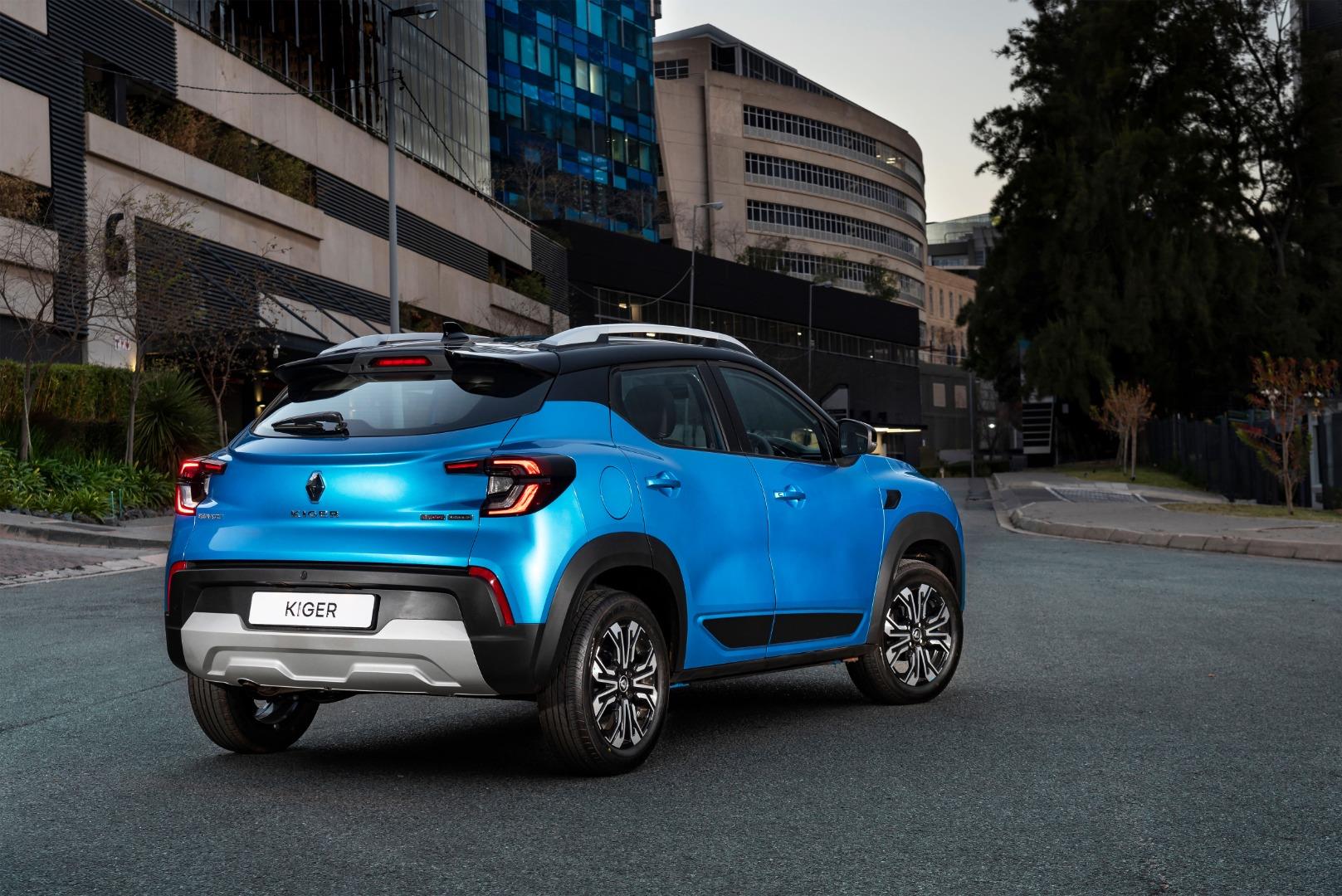
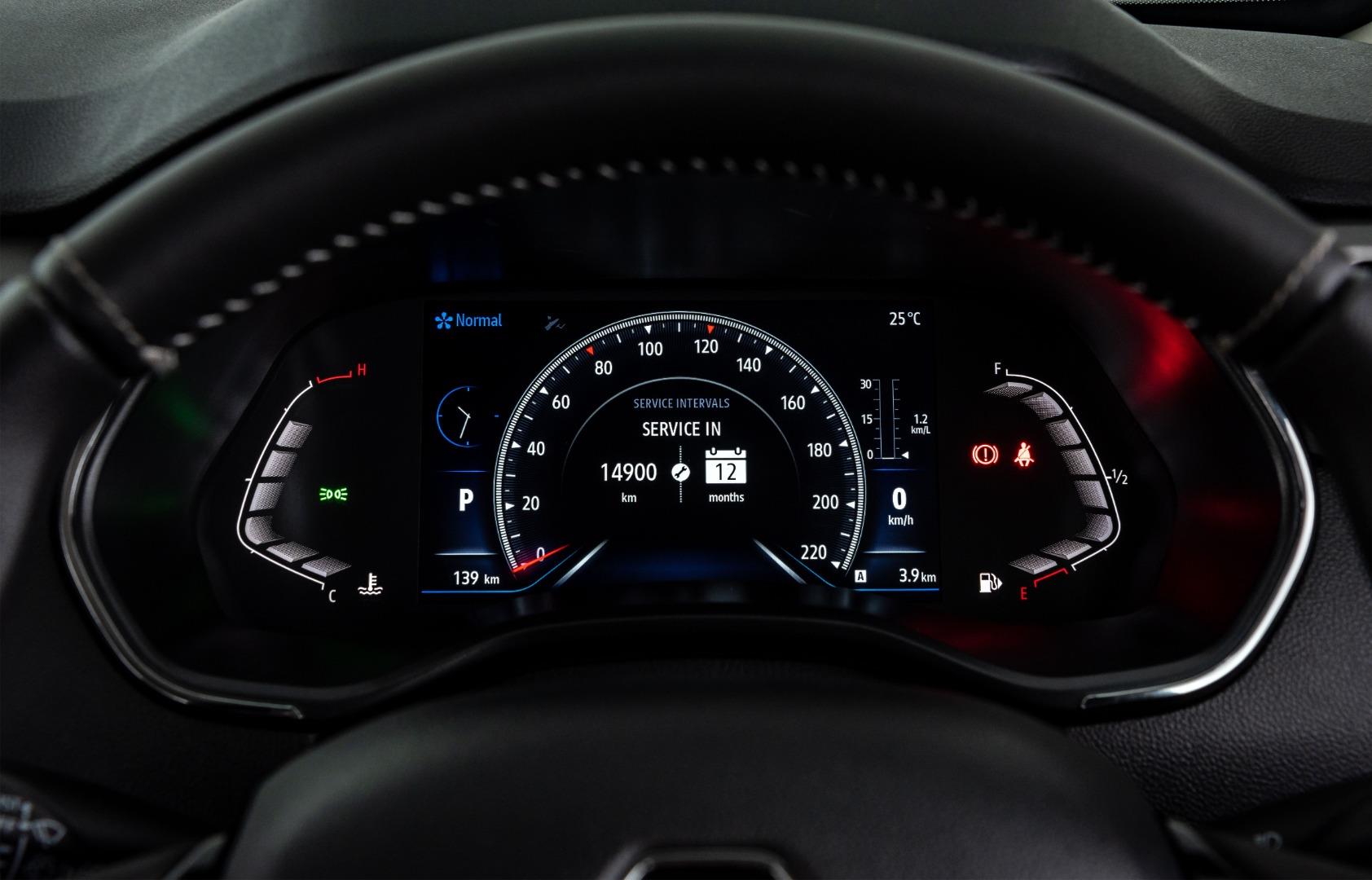
While some may lament the removal of the Sandero from Renault’s local line-up, its replacement, the Kiger, certainly looks like a tempting proposition, with a low list price and appealing crossover styling.
In today’s article, we compare the two engines available in the Kiger range. There are six models in the Kiger lineup, three of which are powered by a naturally aspirated three-cylinder engine with two 5-speed manual models and one automatic, while the other three feature a turbocharged three-cylinder engine with two 5-speed manual derivatives and one automatic. We have therefore chosen the most highly specified naturally aspirated model, the 1.0 Zen auto and the flagship 1.0 Turbo Intens auto and will determine which engine is the most efficient.
Renault Kiger 1.0 Zen auto
Price: R224 900
Outputs: 52 kW and 96 Nm
Claimed Average Consumption: 5.2 L/100 km
Kerb weight: 1 012kg
The 1.0-litre naturally aspirated engine in the Kiger range is the same unit used in the Triber MPV, meaning that it will prove underpowered and will need to work very hard to make reasonable progress, particularly at altitude. Renault claims a fuel consumption figure of 5.2 L/100km, which we feel will be difficult to replicate during everyday driving, particularly with multiple occupants on board.

Renault Kiger 1.0 Turbo Intens auto
Price: R289 900
Outputs: 74 kW and 160 Nm
Claimed Average Consumption: 5.4 L/100 km
Kerb weight: 1 012kg
The 1.0-litre turbocharged engine in the Kiger range is similarly efficient to its naturally aspirated sibling, with a claimed fuel consumption figure of 5.4 L/100km. The turbo model has 22kW more power and 64 Nm more torque than the naturally aspirated model, meaning that it requires less effort to perform daily driving tasks and will very probably be more efficient and certainly more enjoyable to live with.

Verdict
Looking at the figures, it is easy to assume that the naturally aspirated Kiger will be more efficient than the turbocharged version, however, the low outputs and small capacity of the naturally aspirated Kiger will negatively affect its real-world consumption figures, allowing the turbo model, with its superior power and torque to provide a more efficient package.