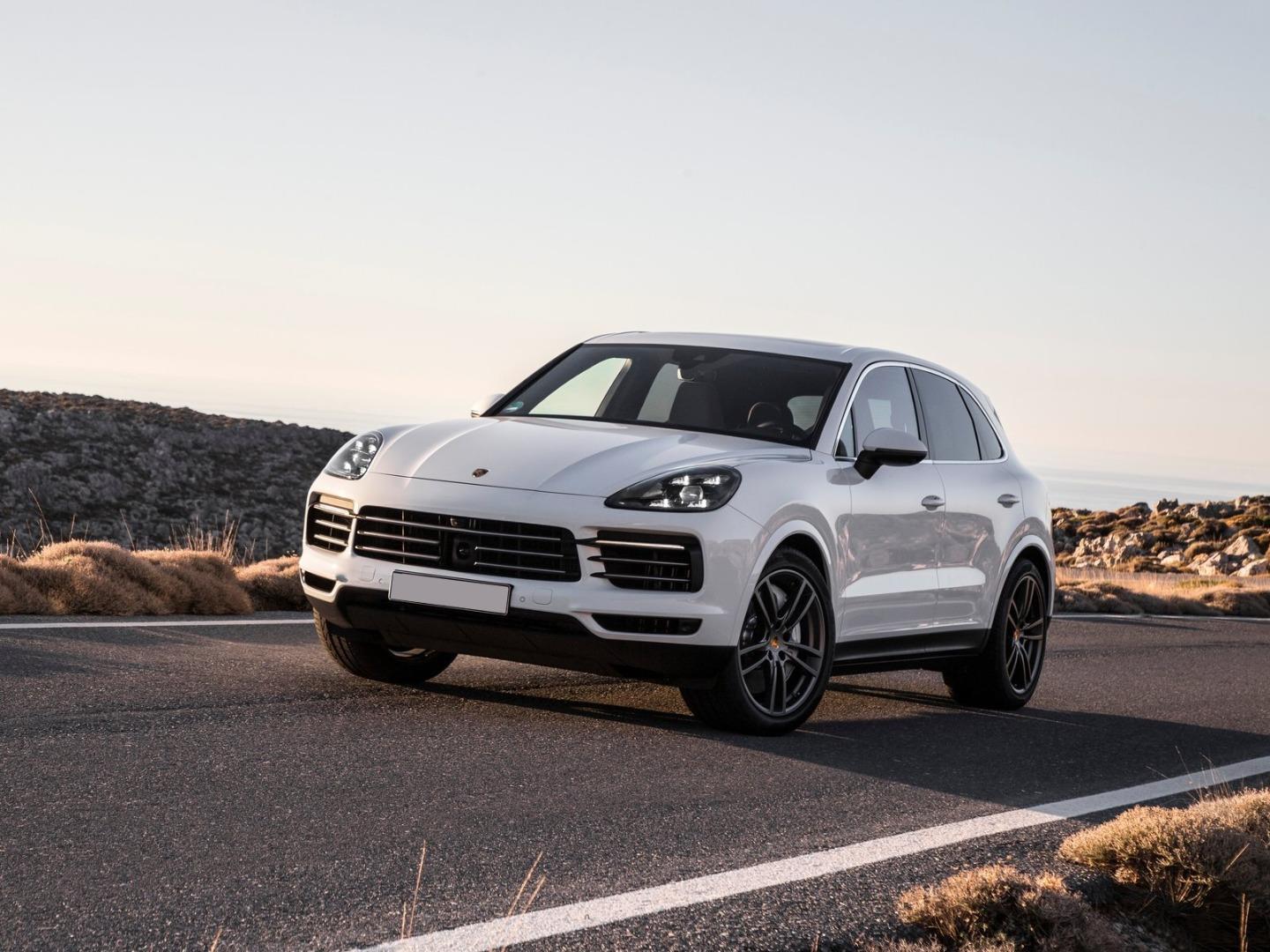


The Porsche Cayenne is in its third generation and arrived on the scene in 2018 while the Cayenne Coupé arrived a year later. Subsequently, Porsche introduced the more efficient Cayenne E-Hybrid and Cayenne Turbo S E-Hybrid as well as sportier Cayenne S, GTS, Turbo and Turbo GT variants.
The latest Cayenne model range was redesigned from bumper-to-bumper in order to more resemble the current range of 911 models. These are not the only changes that have taken place as we see many changes under the bonnet as well as in the chassis with the latest iteration utilising the Volkswagen Group MLB platform. Let us investigate further to find the top three changes.
1. Exterior
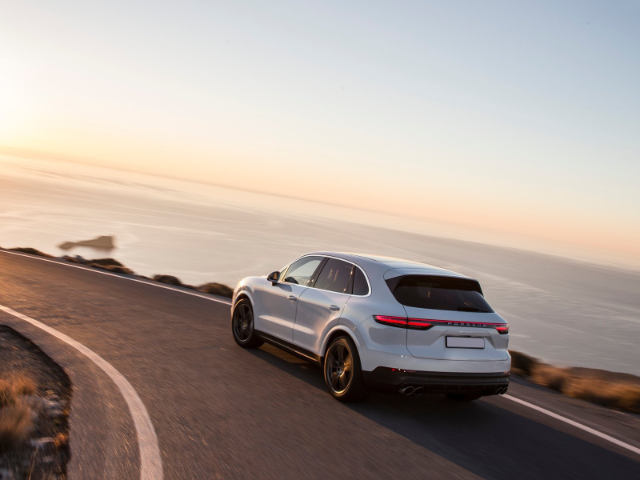
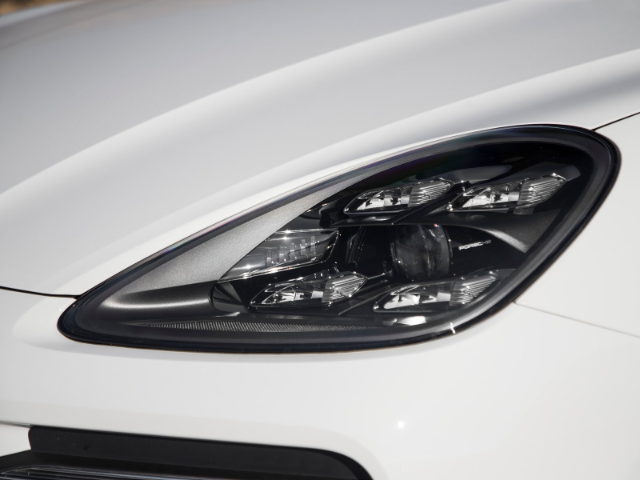
While the Cayenne remains instantly recognisable as a Porsche, the German automaker has redesigned the exterior design and has made it lower and longer than the previous model. Retaining its performance-inspired character, Porsche incorporates a power dome into the bonnet and completely updated the front fenders and headlight contour.
Higher up the front is the LED headlights which come with a three-dimensional design. Lower down the grille and air intakes have also undergone updates which with outward-pointing trim bolstering the athletic styling upfront. The Cayenne Turbo model further sets itself apart with both matt and gloss black surfaces up front as well as larger air intakes and double-row front light configuration.
The longer body has also resulted in the side windows being narrower giving the greenhouse a more sporty look when viewed from the side. The sides of the vehicle also now come with larger 19-inch wheels as standard, however, can optionally be changed to 22-inches wheels. The Cayenne Turbo, however, comes standard with 21-inch wheels as well as wheel arch extenders for a more muscular look.

At the rear, the Cayenne gained a three-part light strip that extends between the taillights and creates a unique look while aligning the rear design with the latest 911 models. But not all the items are just for form, some are functional like the adaptive roof spoiler on the Cayenne Turbo in elite guise. The spoiler automatically adjusts its position based on the vehicle speed and drive mode selected and can even function as an air brake when the brakes are applied between the speeds of 170 and 270 km/h.
Another functional design on the new Cayenne is the active cooling air flaps which open and closes automatically providing the necessary cooling and optimal aerodynamics. Porsche has also incorporated the 'air curtain' which improves the airflow around the wheels while the underside of the Cayenne is almost completely covered for better airflow underneath.
2. Interior
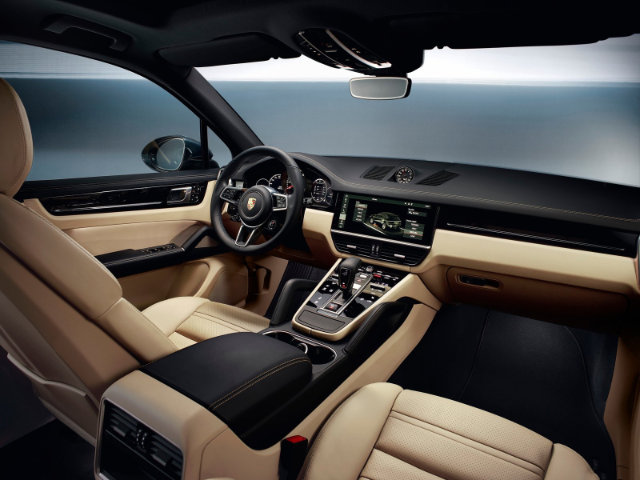
Like you would expect, the interior of the latest Cayenne is well put together and comes well-equipped as standard. While soft-touch surfaces and premium materials feature everywhere in the cabin, Porsche made great efforts to declutter the interior from buttons and switches. The central console now offers touch-sensitive surfaces to control vehicle functions with only a few switches still in place.
In place of the smaller and older infotainment screen in the predecessor, customers can now expect a crisp 12.3-inch touch display. This display comes installed with the latest Porsche Communication Management and can be controlled via physical inputs, from the multifunction steering wheel as well as Direct Touch Control in the centre console.
The new infotainment system can also remain connected via the integrated LTE compatible SIM card as part of the standard Porsche Connect Plus package. This connectivity allows owners to access services and functionality such as Amazon Music, Nest smart home functions, traditional radio reception and online radio. It also enhances online navigation with real-time traffic information.

3. Powertrains
Simplicity comes to mind when considering the new powertrain options when compared to the second-generation Porsche Cayenne. The current ranges no longer offer diesel motors at all, instead only focusses on petrol and hybrid powertrains. While the previous generation Cayenne offered customers a choice of four petrol engines, two diesel motors and two hybrids, the current range offer three petrol units and two hybrid options. Let us take a look at the performance figures of the current range.
Petrol
| Porsche Cayenne | Porsche Cayenne S | Porsche Cayenne GTS | Porsche Cayenne Turbo | Porsche Cayenne Turbo GT | |
| Engine | 3.0-litre, turbocharged, V6 | 2.9-litre, twin-turbocharged, V6 | 4.0-litre, twin-turbocharged, V8 | 4.0-litre, twin-turbocharged, V8 | 4.0-litre, twin-turbocharged, V8 |
| Transmission | 8-speed automatic | 8-speed automatic | 8-speed automatic | 8-speed automatic | 8-speed automatic |
| Power | 250 kW | 324 kW | 338 kW | 404 kW | 471 kW |
| Torque | 450 Nm | 550 Nm | 620 Nm | 770 Nm | 850 Nm |
| 0-100 km/h | 6.2s | 5.2s | 4.8s | 4.1s | 3.3s |
| Top speed | 245 km/h | 265 km/h | 270 km/h | 286 km/h | 300 km/h |
| Fuel consumption | 9.2 L/100km | 9.4 L/100km | 11.4 L/100km | 11.9 L/100km | 11.9 L/100km |
| CO2 emission | 209 g/km | 213 g/km | 260 g/km | 272 g/km | 271 g/km |
*This table was compiled with information sourced from www.duoporta.co.za and was correct at the time.
Hybrid
| Porsche Cayenne E-Hybrid | Porsche Cayenne Turbo S E-Hybrid | |
| Engine | 3.0-litre, turbocharged, V6 + electric motor | 4.0-litre, twin-turbocharged, V8 + electric motor |
| Transmission | 8-speed automatic | 8-speed automatic |
| Power | 250 kW engine + 100 kW electric (total 340 kW) | 404 kW engine + 100 kW electric (total 500 kW) |
| Torque | 450 Nm engine + 400 Nm electric (total 700 Nm) | 770 Nm engine + 400 Nm electric (total 900 Nm) |
| 0-100 km/h | 5.0s | 3.8s |
| Top speed | 253 km/h | 295 km/h |
| Fuel consumption | 3.4 L/100km | 3.5 L/100km |
| CO2 emission | 78 g/km | 90 g/km |
*This table was compiled with information sourced from www.duoporta.co.za and was correct at the time.