
New vs used Mitsubishi Pajero Sport: What are the top 3 differences?
The current-generation Mitsubishi Pajero Sport arrived back in 2017, with all the right credentials to take the fight to the class leaders. But, in the face of ever-improving competition, the hugely capable family SUV recently received a moderate refresh and range expansion. We highlight the top three differences between the latest Pajero Sport and the pre-facelift model, and decide whether it's worth considering a used one instead.


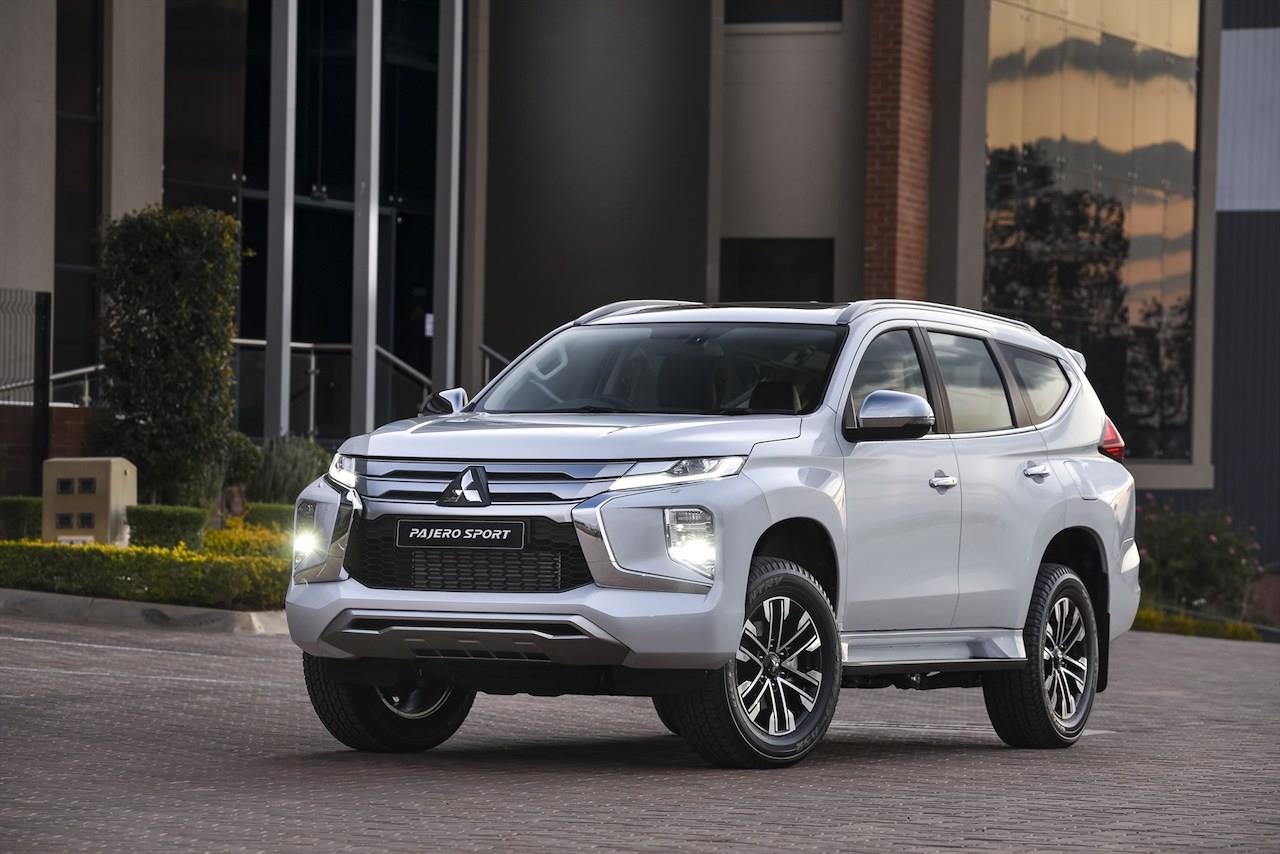
It is a real mystery that the Pajero Sport is still a fringe player in South Africa, because it really has everything a buyer in this market segment could wish for – and then some. There’s a modern, potent and refined turbodiesel under the bonnet with a lovely automatic gearbox behind it, has hands down the best off-road AWD system out there, and it’s all wrapped in a distinctive-looking but practical shell.
Maybe the latest round of updates will net the Pajero Sport improved sales figures, especially seeing as it’s poised to take over the job hitherto performed by the soon-to-be-discontinued “big body” Pajero. To prepare it for this role, Mitsubishi has added some more features to an already-comprehensive standard spec sheet, and released an even better-equipped range-topper to get buyers’ attention. But what exactly changed with this facelift?
Related: Get more comprehensive info about the Mitsubishi Pajero Sport’s 2020 update here.

1. Slightly more demure styling
We’re saying “slightly” here, because, while the latest Pajero Sport looks a little more conventional now, its styling may still not be everyone’s cup of tea. The front end’s always been fine, with sharp, angular features and an assertive design, so this side hasn’t seen many changes beyond minor detailing.
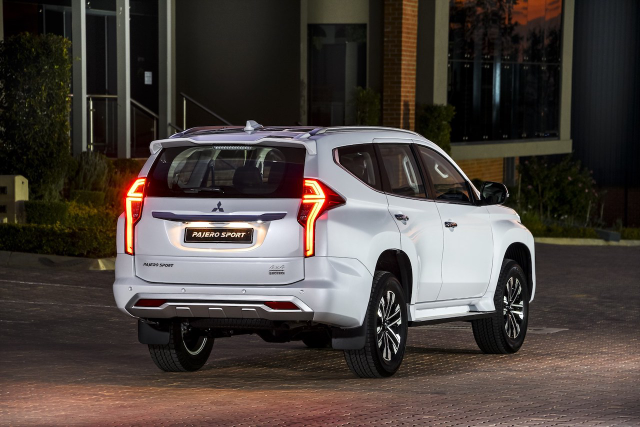
There aren’t many changes in the profile view, either, apart from the slight appearance changes brought about by the new bumpers and wheels, and re-located side steps. The rear end is where most of the action happened, with the tail lights getting a redesign to look slightly less odd than it did before. The unusual vertical design theme remains, though, even if it is toned down slightly.
Related: Six things we love about the Mitsubishi Pajero Sport.

2. Added convenience features
The outgoing model range offered only two derivatives, with identical standard equipment and the only variation showing in their drivetrains – the one was rear-wheel drive, and the other had Mitsubishi’s excellent Super Select II AWD system. These variants are still on offer, but have now received a mild spec enhancement. Most notable among the new equipment is the new infotainment system, now with an 8-inch touchscreen and smartphone mirroring, and a new digital instrument cluster.
Capping the revised range is the new “Exceed” derivative. Based on the normal 4x4 variant, it adds a tilt/sliding sunroof, remote control connectivity via the new Mitsubishi App, and a powered tailgate with two “kick sensors” for hands-free operation. Barring niceties such as lane-keeping assistance, blind-spot monitoring and adaptive cruise control, this expands the Pajero Sport Exceed’s standard features list to remain competitive with its evolving competitors, and even (ahem) exceed their offerings.
Related: Mitsubishi Pajero Sport test drive – be sure to check out these features.
3. Excellent value for money
When this generation of Pajero Sport landed in South Africa in 2017, the range’s pricetags pointed towards the higher end of its market segment. But its competition’s prices have since tended higher and higher, while the Pajero Sport only saw a price increase of about 10% over the past 3 years – and that’s with the safety enhancements (as applied during a 2018 update) and most-recent spec enhancements.
This makes the current Pajero Sport a particularly strong value proposition, because its pricing puts it about level-pegged with mid-level Ford Everests and quite a bit cheaper than an equivalent Toyota Fortuner. Its only downside, compared to the Everest, is a shorter warranty (3 years/100 000 km vs 4 years/120 000 km) and marginally inferior service plan (5 years/90 000 km vs 6 years/90 000 km), although it just about matches the pricier Fortuner in this regard.
Related: We compared the (pre-facelift) Mitsubishi Pajero Sport against its two main opponents, and it walked away with a narrow victory.

Is it worth considering buying used instead of new?
The main reason for considering a used Pajero Sport is the significant cost saving associated with an older example. Taking the 2017 model year 4x4 as an example: it lost almost 30% of its new-car value over the past three years, making for very appealing pre-owned shopping. That (relatively) low resale value does come with one caveat, though. Because a 2017 model Pajero Sport is now 3 years old, its manufacturer’s warranty will have expired, and more than half of its service plan will be gone as well.
If you can live without OEM cover for your Pajero Sport, a pre-owned one will be very good buy at their current prices. But, if you insist on the strongest possible safety specification and want the peace of mind of a fresh warranty and service plan, the new one will give you all that and some extra toys as well. And, for the best of both, get a 2019 model with low mileage for about 77% of the price of a new one and just put the updated model’s improvements out of your mind.
Recommended Next:
Shop for new and used Mitsubishi Pajero Sport cars for sale here.