
New vs used Audi Q5: what are the top 5 differences?
Popular from its first arrival in 2008, the Q5 has become the most popular of the whole Audi Q-car bunch thus far, selling over 1.6-million units before the second generation arrived in 2017. That very long production life didn’t hurt the Q5’s popularity, with a judicious facelift in 2013 freshening it enough to remain competitive until the end. But what changed with the latest one?


The Q-car success story
Audi has one of the most expansive model ranges in the motoring world, with an offering for just about every modern passenger transport need. Here in SA, buyers can choose between a whopping twelve different models, excluding the various S- and RS performance variants. Of that list, five are “Q-model” SUV and crossovers in various sizes, from the small Q2 through to the range-topping Q8, with an all-electric option (named e-tron) hopefully arriving in due course. The Q5 fits about midway in this hierarchy, and has built up quite a following over the years. Here’s how it evolved with the last redesign.
Related: Which Audi Q8 is better – petrol or diesel?
1. Visual upgrades
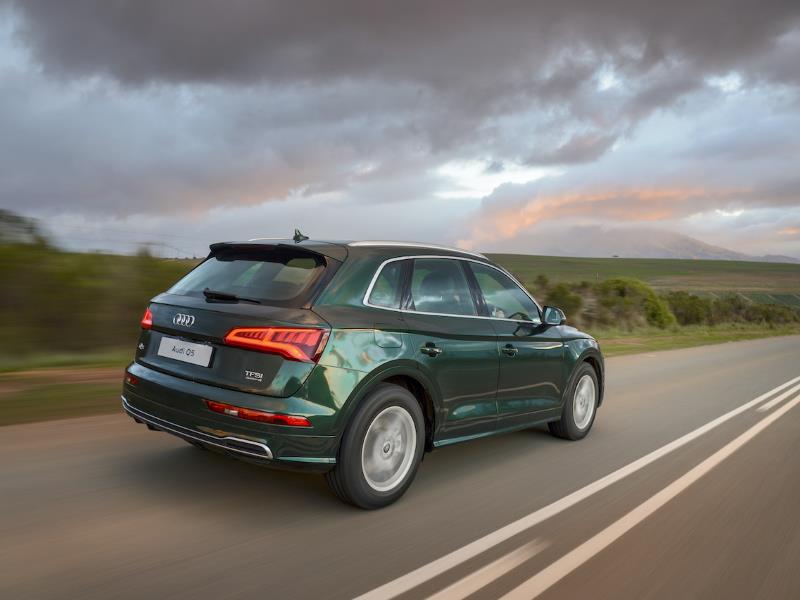
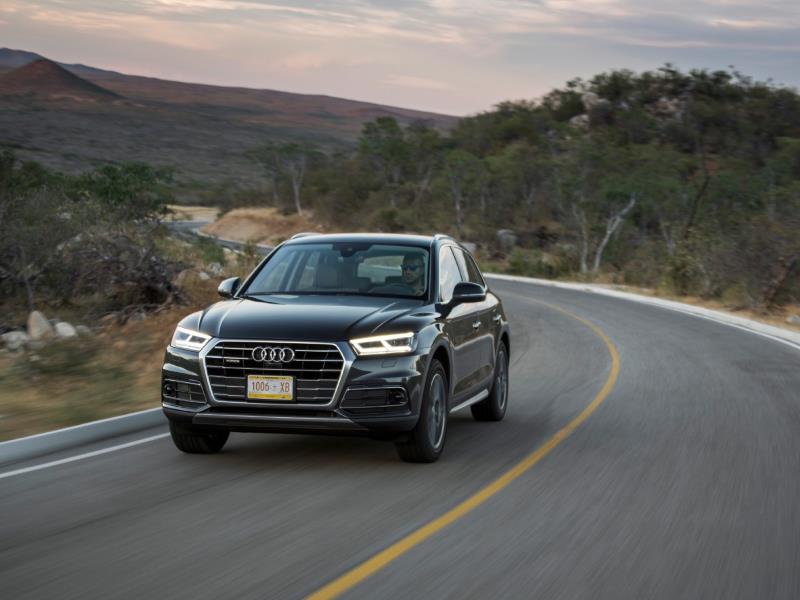
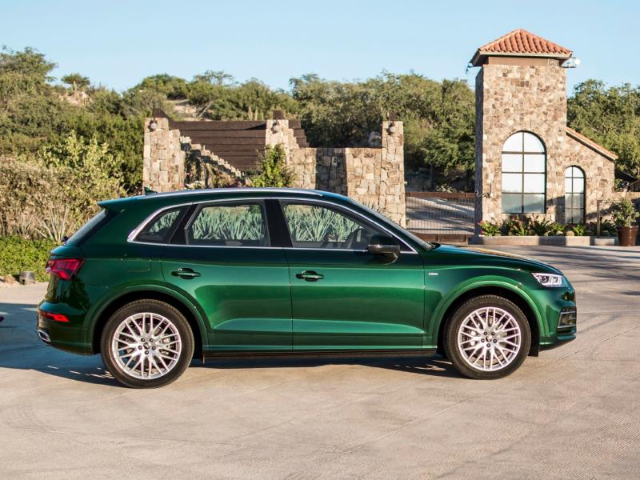
The latest generation Audi Q5 doesn’t looks very different to its predecessor, which makes sense, given that it’s built upon an evolution of the old one’s MLB platform - now called MLB evo. But, even though its (well-regarded) ancestry clearly shines through, the latest incarnation of the Audi Q5 has seriously upped its game when it comes to the aesthetic aspects.
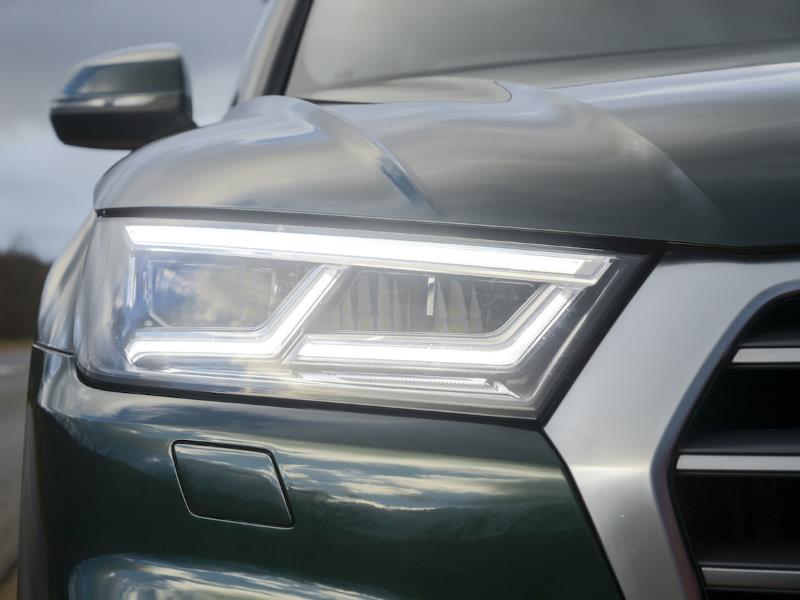
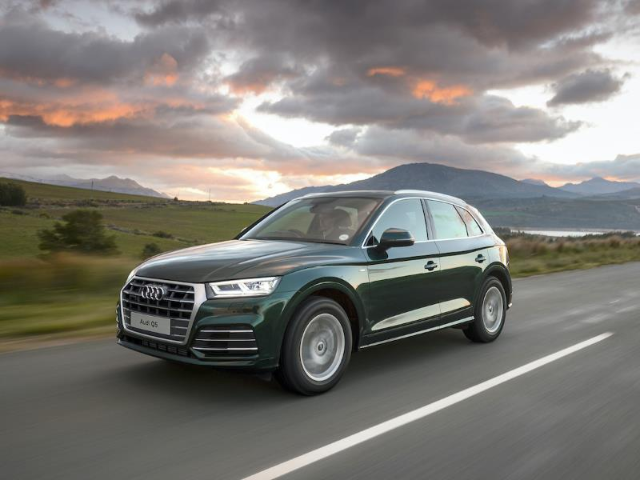
The new Q5 features the latest expression of Audi’s signature “Singleframe” grille, getting the styling in line with the design language of the Audi Q-cars. The grille surround is more pronounced, closer to hexagonal, and ties in with the design of the front bumper, and the new LED headlights have a sleeker, more aggressive design. The previous version’s headlights didn’t look bad, but in comparison, they all of a sudden to look very dated. Note that xenon headlamps are standard, with Audi’s excellent full-LED or adaptive Matrix LED lights available as worthwhile upgrade options.
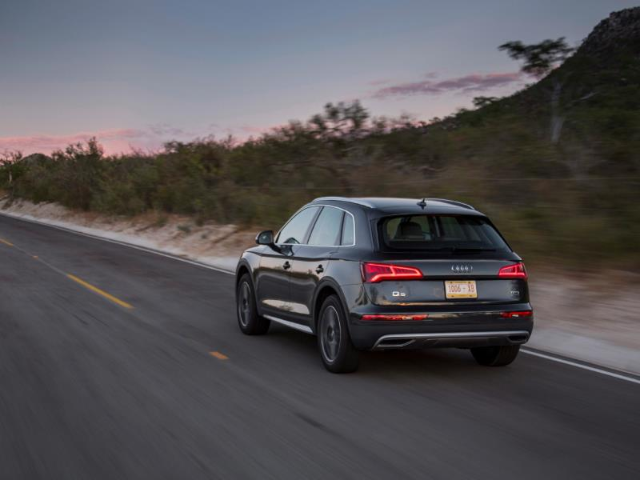
The body lines through the front fender and doors also received a redesign, again looking more aggressive, with pronounced fender flares adding some more visual intimidation. As with the headlights, the taillights on the latest model are smaller and more angular, and below that, the previous generation’s exposed, round exhaust tips give way to shaped trim pieces that flow with the lower rear apron. Again, the previous generation looked good, but the lines of the new one lend it a more upmarket and solid look.
The side mirrors also lose the old model’s bulbous shape, replaced by smaller, more angular pieces. All these design changes contribute to a decrease in the Audi Q5’s aerodynamic drag, improving efficiency and lowering emissions. The wheels were also updated, but, as before, the prettiest rims are optional extras.
2. New cabin design and digital dashboard
Comparing interior trim, fit and finish, and design changes is an easy way to notice model updates. It’s often more apparent that things are dated when you peek inside a new car’s cabin, and if we take a side-by-side look at the 2016 version and the 2017 redesign, it’s like comparing the Starship Enterprise in the original Star Trek series to the one in Star Trek Picard.
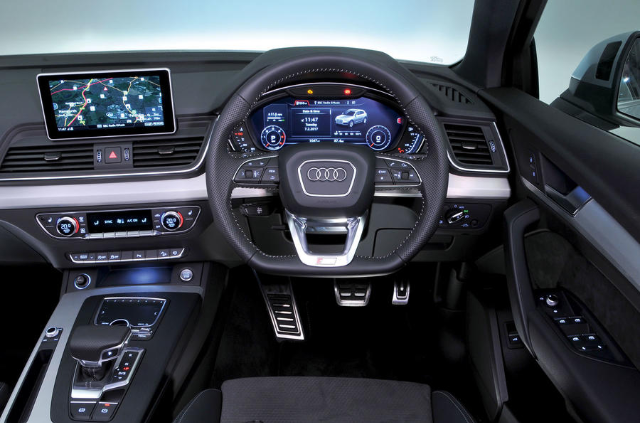
If you drive the older model to the dealership, you’d be perfectly happy with it until you try out the new one, but your drive home just wouldn’t be the same. The old dash design separated the driver's- and passenger sides with the infotainment and climate control, but in the latest Audi Q5, the driver and passenger feel more connected, thanks to a strong horizontal design focus in the dash design. The infotainment screen now rises above the dash, and the instrument cluster loses the traditional-style analogue gauges in favour of the fully digital 12-inch LCD screen – Audi’s Virtual Cockpit. While some things can be retrofitted to older Q5s to bring it closer to the new one in the gadget count, the Virtual Cockpit can’t. The trouble is that, once you’ve sampled the latest and greatest, all other instrument clusters seem quite archaic.
Related: We compared the Audi Q5’s infotainment system with those of two competitors.
3. Safety upgrades
As you’d expect from a premium brand’s top-seller, the Audi Q5’s safety is always going to be a strong suit. Even the old one scored 5 stars in Euro-NCAP crash testing, and the new one follows suit. Most of the on-board safety systems can be found in both the new and old Audi Q5, but, as you’d expect, in the newer version the systems have been improved and tweaked to make the SUV as safe as possible.
Audi "pre sense city" is now standard across the range. This system scans the road for pedestrians and cars up to 100m ahead, and warns the driver if it detects a possible collision. If those warnings are ignored, it will fully apply brakes from speeds as high as 85 km/h. Up to 40 km/h, its able to fully prevent accidents, within the system limits. There are still 6 airbags, but you can tick an option box for two more. Also, trim dependent, the new version add more safety- and convenience features like adaptive cruise control (ACC), rear cross-traffic alert, turn assist and traffic sign recognition.
Related: Top 3 things you need to know about the Audi Q5.
4. The new naming structure
At first glance, it appears as though the biggest change occurred in the new model designation structure, which seem to mainly serve the purpose of confusing buyers. That isn’t quite true, though, as the current Q5 first arrived with the old-style badging, but that was changed to the new scheme soon after introduction.
Previously, the numbers in a model’s designation used to allude to the engine size, but that’s all gone now. Instead of the previous references to engine capacity, the new badges instead indicate an output bracket. As before, the propulsion method is appended to the end. The resulting alphanumeric hierarchy sounds complicated, but it’s not really that difficult to understand.
The variant designation starts with the power bracket (beginning at 30 and ending at 70, in ascending order according to the power output), followed by the propulsion method: TFSI denotes petrol, TDI indicates diesel, and the TFSIe label is used for hybrids. We don’t get hybrid Audis in South Africa (yet), so let’s disregard the latter one for now. The output brackets are divided as follows:
|
30 |
109-128 hp |
81-96 kW |
|
35 |
147-160 hp |
110-120 kW |
|
40 |
167-201 hp |
125-150 kW |
|
45 |
226-248 hp |
169-185 kW |
|
50 |
281-308 hp |
210-230 kW |
|
55 |
328-368 hp |
245-275 kW |
|
60 |
429-455 hp |
320-340 kW |
|
70 |
536+ hp |
400+ kW |
In the Q5 range, there are currently four “40TDI ” derivatives (on account of their 140 kW output), and four “45TFSI” variants (with 185 kW). The range-topper is the Audi SQ5 TFSI Quattro, which doesn’t get a new number, but if it, did it would say 55 TFSI, thanks to its 260 kW output.
Related: Which Audi Q5 is better – petrol or diesel?
5. Pricing
Logically, the biggest difference between the latest Audi Q5 and its predecessor right now will be their pricing. Right now, entry into the Audi Q5 range starts with the 40TDI Quattro at R727 000 and the top-tier model, the 45TFSI Quattro Sport Line, starts at R849 639. Then there’s the sports version, the SQ5 TFSI Quattro, which starts at R 1 074 000. To these prices, a selection of tasty optional extras makes an easy to add R 200 000 or more in options, so be careful while wielding that pen – it might actually be less expensive to just select a higher-trim variant from the outset!
On the pre-owned front, you’ll find some low-mileage 2017 models under the R 500 000 mark, and they’ll often have loads of factory options included and some maintenance plan left over, making for rather attractive value propositions. While you will find a few hundred for sale at any given time, the numbers show that even though updated models are out, many owners don’t feel the need to upgrade, and will hold on to their cars longer than they usual would.
Related: Which Audi Q5 trim holds its value better?
That makes for a good long-term value retention, but it also means that the cheaper Q5s tend to have very high mileages. Those owners who don’t want to let go of their Q5s still makes for a nice product endorsement, though.