Mercedes-Benz Vito vs VW Transporter vs Renault Trafic: Which panel van has the lowest running costs
They may not sell in massive numbers, but large-ish panel vans nonetheless make up a significant part of local commercial vehicle sales. We selected three competitors in this segment, and compared their running costs to see which one will be the least-expensive to run.


Can you pre-determine your car’s running costs?
When considering a vehicle’s running costs, it’s important to look at it over its entire life-cycle. This allows third or fourth owners of older cars to get a clearer picture of possible future expenses, and it can help first owners to determine at what age their cars may become too expensive to run.
It also allows fleet operators to determine how much they could save by holding on to vehicle for a longer term, or whether it’s wiser to let it go as soon as it’s fully depreciated. There are certain key points which could give an idea of a car’s general upkeep requirements.
This includes the length of the service intervals, the cost of replacement tyres and service- and maintenance parts, and the prices of service parts. And, in the case of this budget-minded trio, resale value also plays as important a role as the initial purchase price, fuel consumption, and insurance costs.
With these factors in mind, we compared the entry-level Mercedes-Benz Vito panel van to two similarly-sized opponents, to see which one should have the running costs. Joining the Vito is the base-spec Volkswagen Transporter and the Renault Trafic – all similar in concept and execution, and thus appealing to the same fleet buyers.
Let’s meet the contenders
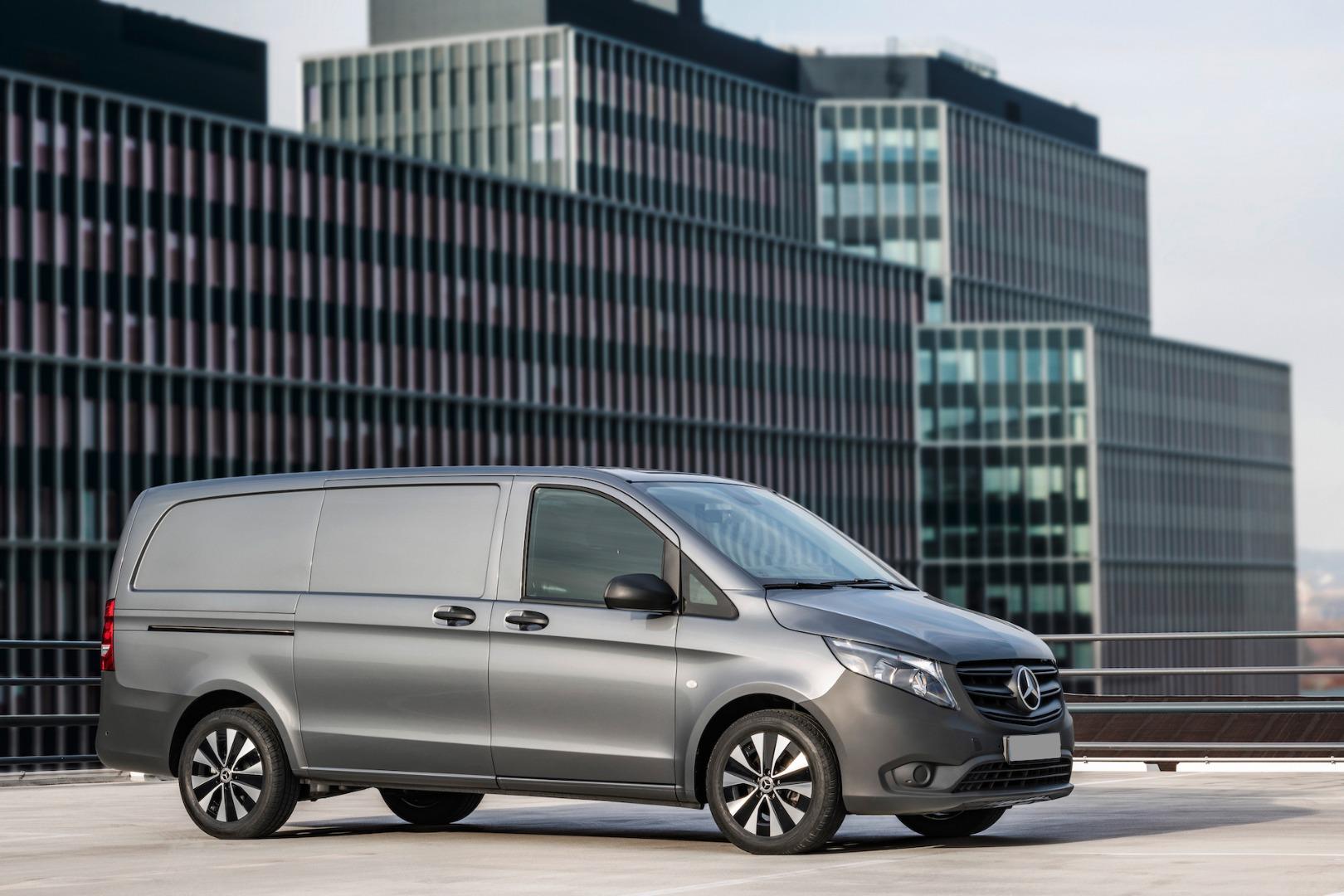
Mercedes-Benz Vito 111 CDI Panel Van (R 573 041)
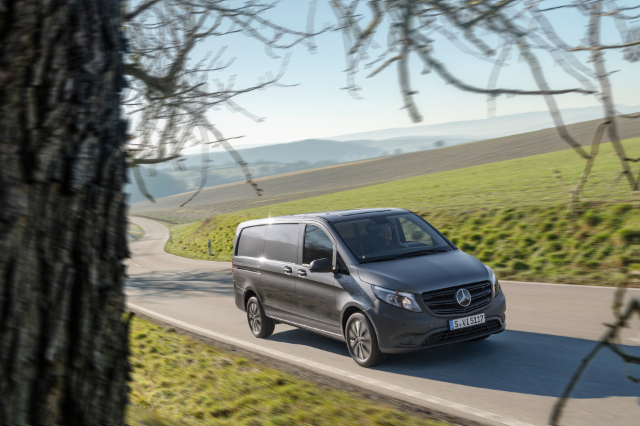
Even though this is the cheapest Vito in the price lists, this is still the most-expensive van in this group, and by quite a margin: it’s about R 24 000 pricier than the Volkswagen, and more than R 120 000 more expensive than the Renault.
Motive power is supplied by a Renault/Nissan-sourced 1.6-litre turbodiesel engine, sending 84 kW and 270 Nm to the front wheels through a 6-speed manual gearbox. High performance isn’t really on the menu here, because the amble to 100 km/h is claimed to need 14.4 seconds, and it eventually runs out of puff at 169 km/h.
Related: Shop for new or used Mercedes-Ben Vito cars for sale here.
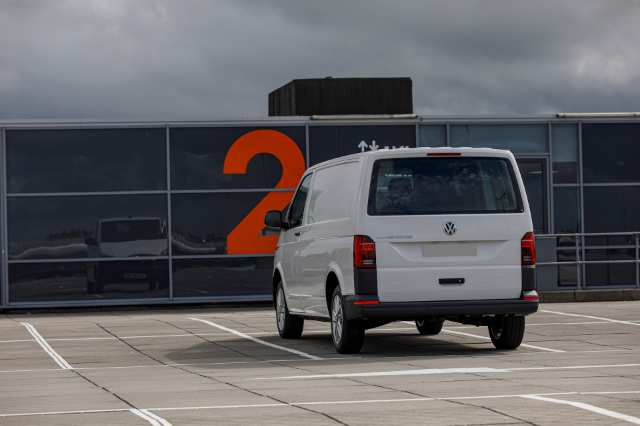
Volkswagen Transporter 2.0 TDI 81 kW Panel Van LWB (R 548 900)
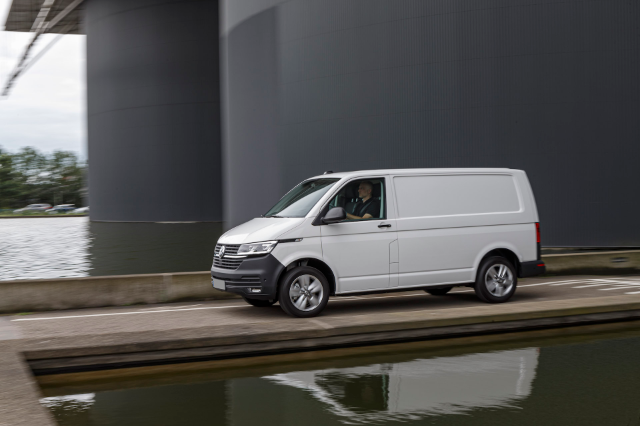
Middling in size as well as price in this comparison, the entry-level VW Transporter van could be had in two output levels, but seeing as the high-power one is a lot more expensive, we’ve settled on the entry-level 81 kW/250 Nm option. As with the other two vans under today’s microscope, the Transporter is front-wheel driven (although the highest-output engines gain AWD), but it’s the only one here to employ a 5-speed manual gearbox.
It has similar acceleration figures to the Vito, with an identical 0 – 100 km/h time of 14.4 seconds, but its top speed is even lower at 148 km/h. It should be equally capable of cruising at the speed limit, though, but may struggle a bit more than the Vito when fully loaded – especially when faced with uphill surfaces.
Related: Shop for new and used Volkswagen Transporter cars for sale here.
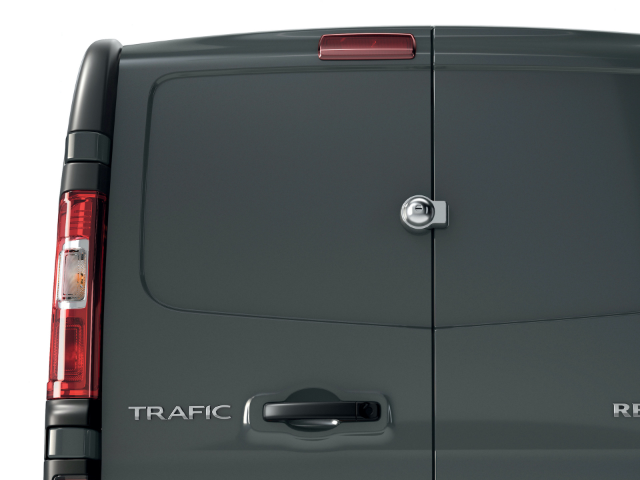
Renault Trafic 1.6dCi Panel Van (R 450 900)
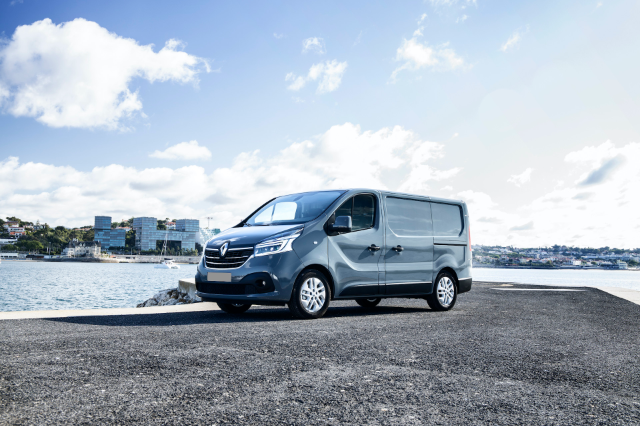
This is by far the least-expensive van in this group, and should be getting more attention in the marketplace than it’s been receiving so far: it’s larger and more powerful than either of the others, but comes with a substantial purchase price saving.
Under the bonnet is another variation of the Renault/Nissan 1.6-litre turbodiesel, here producing 88 kW and 320 Nm. This hands the Trafic a decent advantage in the performance stakes, by slashing the claimed 0 – 100 km/h sprint time to 12 seconds flat. It’s slightly behind the Mercedes at the top end, though, registering 165 km/h all-out, probably due to its larger frontal area. (It’s the widest van in this group).
Related: Shop for new and used Renault Trafic cars for sale here.
Which one has the lowest running costs?
Purchase price and depreciation
With its vastly lower new-vehicle price, the Renault Trafic grabs an immediate lead – R 120 000 makes for a very nice initial cost saving over the Vito in the showroom, and an instalment saving of more than R 1 500/month when buying new. It’s a solid performer in the depreciation stakes too, because the two-year-old examples listed on AutoTrader have shed about a fifth of their new prices.
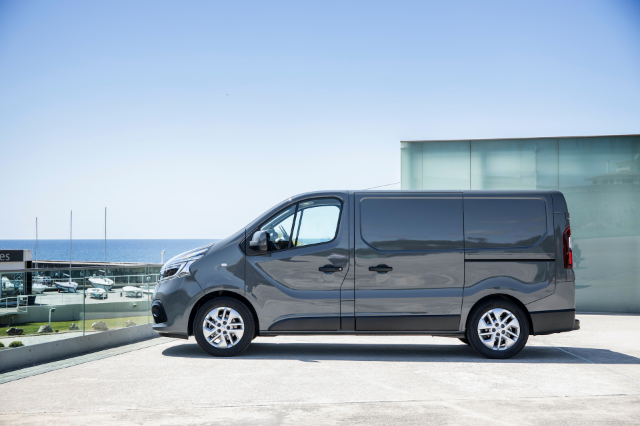
The Transporter is priced closer to the Vito, but still undercuts it by more than R 20 000, which is enough to have a significant impact on monthly repayments. Its depreciation performance is also a bit better than that of the Renault Trafic – the Transporter vans listed on AutoTrader show a 20% value drop after 3 years, instead of after 2 years, as you’d see with the Renault.
As for the Vito, its higher initial purchase price puts it at a disadvantage from the outset, and its short-term depreciation is roughly halfway between those of the Renault and Volkswagen. If you’re interested in an older Vito, 2017-model examples can be had for about 60% of their new-car values, so there’s some good bargain hunting in the used market.
Instalment calculator
*Calculated according to the AutoTrader Car Finance Calculator, with a 72-month finance agreement, 10% interest rate, 10% deposit, and no residual value. All prices listed in this article were accurate at the time of writing, but may change without prior notice.
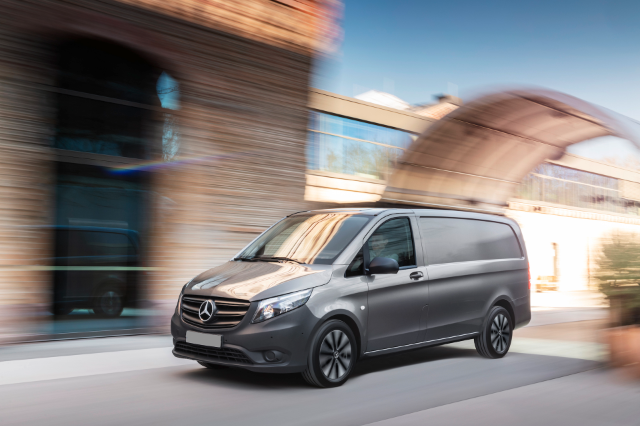
Mercedes-Benz Vito 111CDI Panel Van
List price: R 573 041
Instalment: R 9 554/month
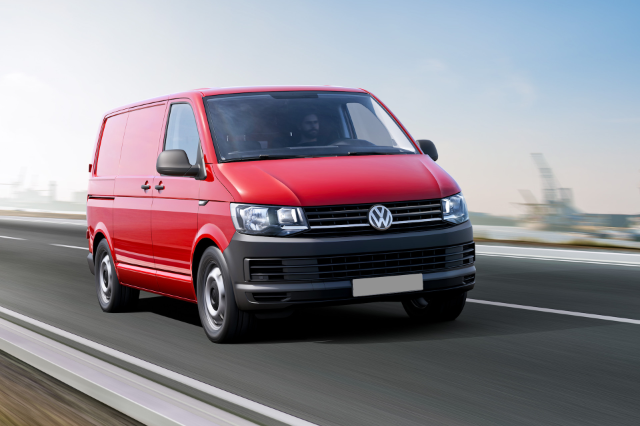
Volkswagen Transporter 2.0TDI 81 kW LWB Panel Van
List price: R 548 800
Instalment: R 9 150/month
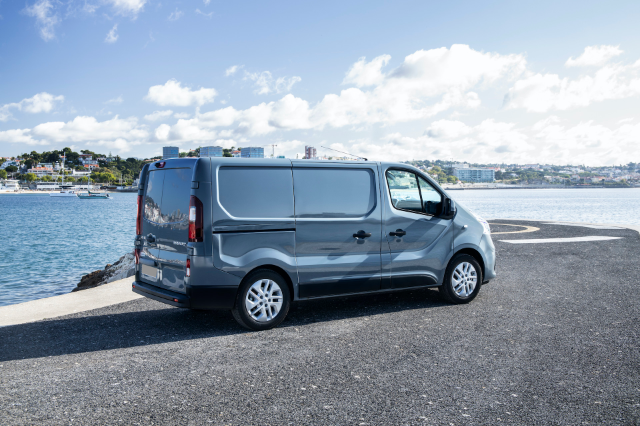
Renault Trafic
List Price: R 450 900
Instalment: R 7 518/month
Fuel efficiency
Seeing as these vehicles are meant to cover great distances at the lowest possible cost, fuel efficiency is of paramount importance for fleet users. This is where the Mercedes-Benz Vito 111CDI scores an immediate home run, thanks to its official average fuel consumption claim of 6.2 ℓ/100 km.
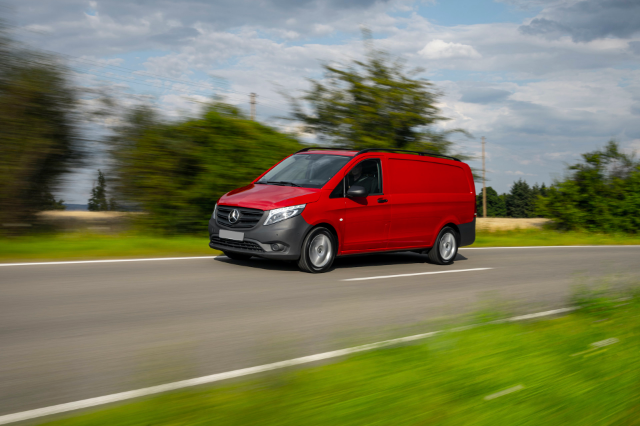
The Transporter 2.0TDI and Trafic 1.6dCi are both considerably thirstier, with the Volkswagen claiming to need 7.2 ℓ/100 km, and the Trafic supposed to drink 7.6 ℓ/100 km. In real-world driving, all these vehicles should register high-8 ℓ/100 km figures, but, seeing as we’re comparing their claimed averages, the Vito takes an easy victory in this department.
Related: Which engines have the best efficiency?
Warranties, maintenance plans, and service intervals
The Renault comes out on top in this criterion, because it has the strongest aftersales package in this group. Its warranty runs for 5 years or 150 000 km (making it ideal for long-distance transport use), and it features a standard service plan for 5 years or 100 000. In comparison to the Renault, the other two are quite a way behind. The Transporter’s warranty covers it for only 2 years (albeit with no distance limitation), and the Vito mirrors this baseline coverage.
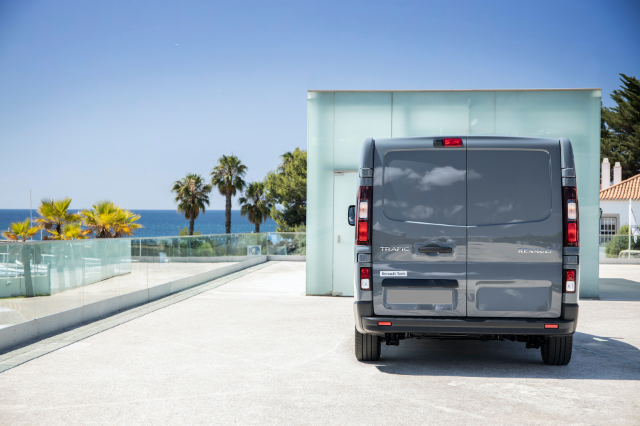
However, the VW also comes with a standard service plan for 3 years or 60 000 km, while any form of service- or maintenance plan is an add-on option for the Mercedes-Benz. Combine this with traditionally pricey Mercedes parts prices and maintenance costs, and it becomes clear why the Vito has to settle for a distant third place as far as its aftersales package goes.
Related: What is usually covered under a manufacturer’s warranty?
Parts prices
None of these vehicles were covered in any AA Kinsey Report of parts prices, but common sense says that the Transporter is likely to be the least-expensive on parts. This is mainly because its mechanical make-up closely mirrors that of other Volkswagen models, ensuring an easier supply of service- and maintenance parts.
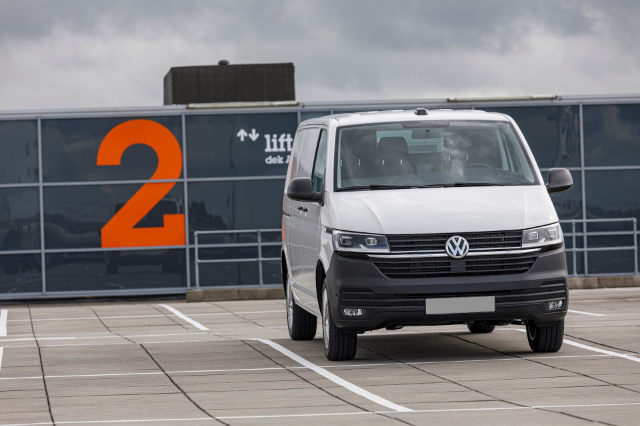
It also has a wider agent network and greater aftermarket support than either of the others, so non-OEM parts should also be easier to acquire. As for the Mercedes-Benz and Renault, their local operations don’t have the same reach as Volkswagen’s, and there are fewer non-OEM parts available for these vehicles in the aftermarket.
Insurance
This could be a bug-bear for both the Volkswagen and the Vito, because they’re rather more desirable to the long-fingered set than the Renault would be. In addition, the Mercedes-Benz’s higher purchase price will lead to even higher insurance premiums (because its replacement cost is so much higher), handing it the third position as far as insurance costs go.
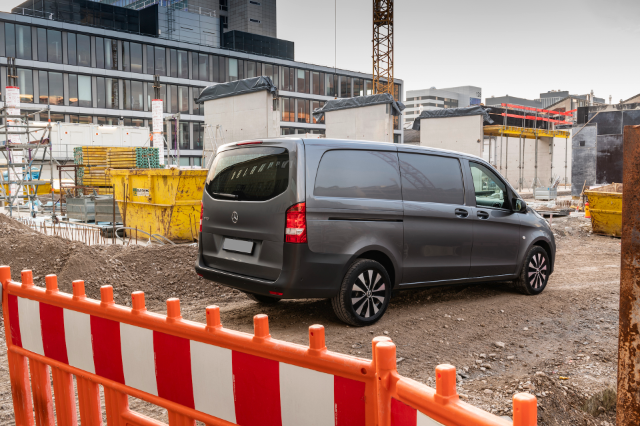
The Volkswagen’s lower replacement cost pushes it into the second place here, but the Renault’s most-affordable replacement cost and low-risk insurance profile should make it the least expensive to insure as well.
Remember that insurance premiums will vary, mostly based on the projected mileage to be covered and where the cars are kept and driven, both in the daytime and overnight. Younger drivers or those with prior accident histories will experience additional penalties, due to their higher collision risk.
Related: Top tips to save on your car insurance.
Tyre replacement
Standard tyre prices play a significant part in any running cost evaluation, but it’s not always a given that smaller tyres will be less expensive – if they’re less commonly used, they might be harder to find and more expensive to replace than larger tyres which are in wider use. This also applies to commercial vehicles like our trio of vans.
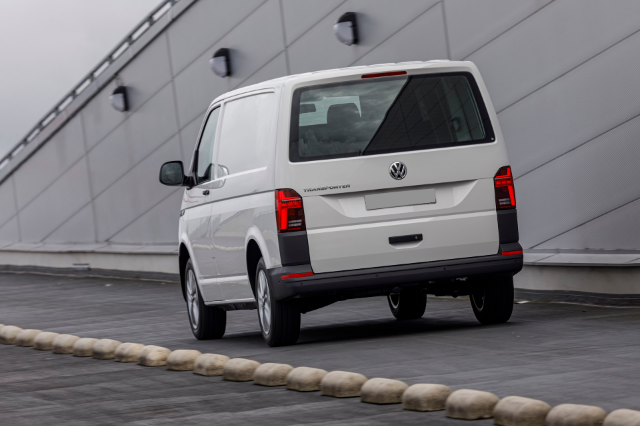
In this group, the Renault Trafic has the smallest tyres at 195/75 R16, but they are also pretty difficult to find, leading to inflated replacement tyre prices. In fact, many tyre retailers don’t even list this size at all, let alone in heavy-duty commercial form.
The Volkswagen and Mercedes-Benz both employ 205/65 R16 tyres, with the Transporter’s tyres of the commercial-vehicle type. Neither of those are listed by the mainstay tyre retailers, so, in the absence of concrete pricing, it’s probably safe to call it a three-way draw on tyre replacement costs. The Volkswagen’s heavy-duty items should be a bit more expensive than the Mercedes’s, however.
Related: How long is a tyre supposed to last?
Verdict
There are four downsides to choosing a Mercedes-Benz Vito over these alternatives: its inflated purchase price, the higher insurance costs that this higher price will enforce, higher parts prices from the dealerships, and the weakest aftersales package in this group.
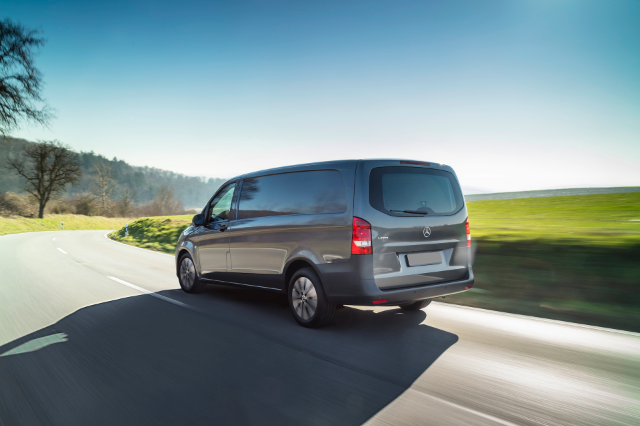
Consequently, it ends up in third place here, even though it has the lowest fuel consumption. The Volkswagen Transporter is the next one to fall. While it has better aftermarket support and a better aftersales package than the Vito, its purchase price and insurance cost pushes it down to second place here.
The overall win (at least, for medium-term business users) has to go to the Renault, because it will have the cheapest insurance and the longest manufacturer cover when buying from new. Its lower repayments alone is just about enough to offset its greater fuel thirst.