
Mercedes-Benz GLC vs Lexus NX vs Alfa Romeo Stelvio: which one is the best value for money?
Seeing as premium SUVs are all the rage at the moment, buyers have a wide choice in the marketplace. Many buyers will select something from one of the default German Big 3 brands, but non-conformists may want to look elsewhere. In today’s comparison, we look at two alternatives to one of the most popular mid-sized German SUVs, to see if you’ll get better value for money at one of these niche manufacturers.


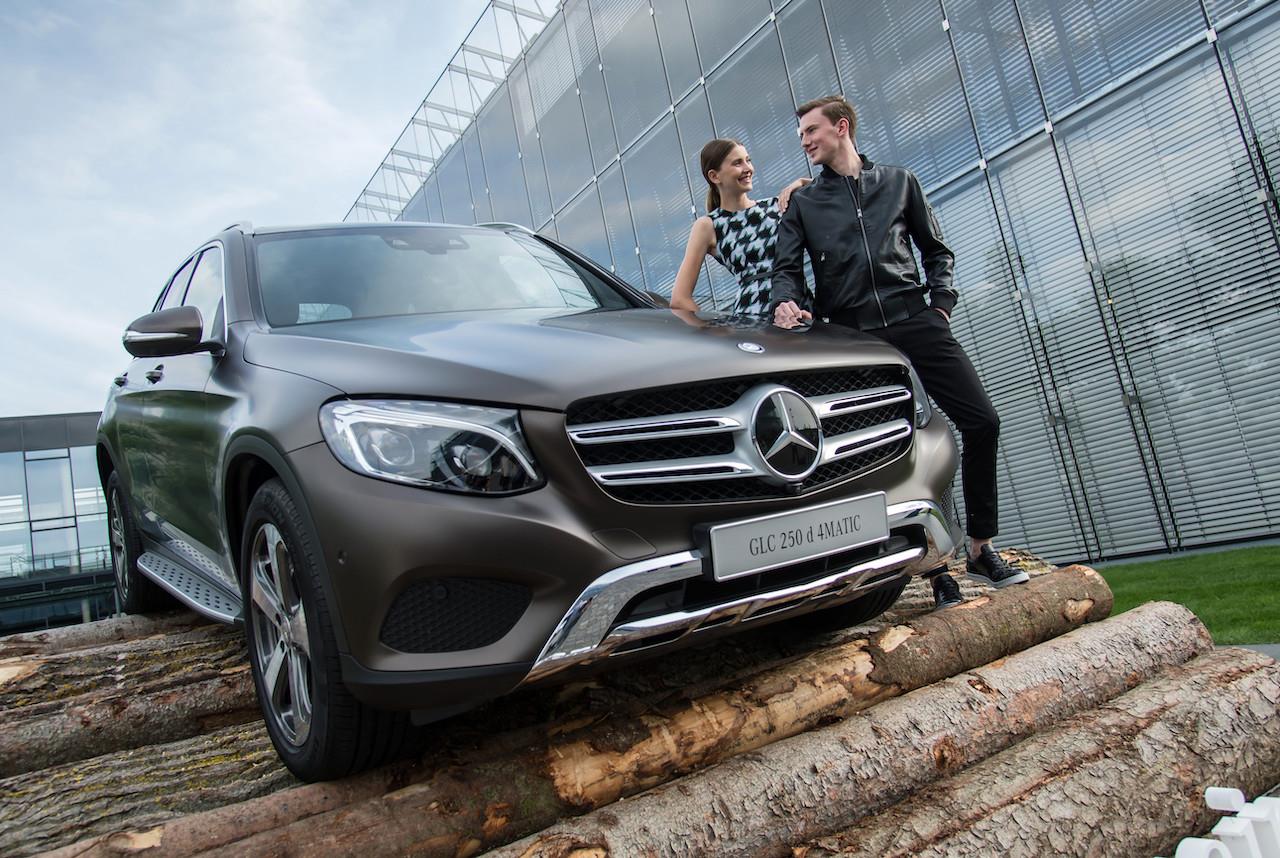
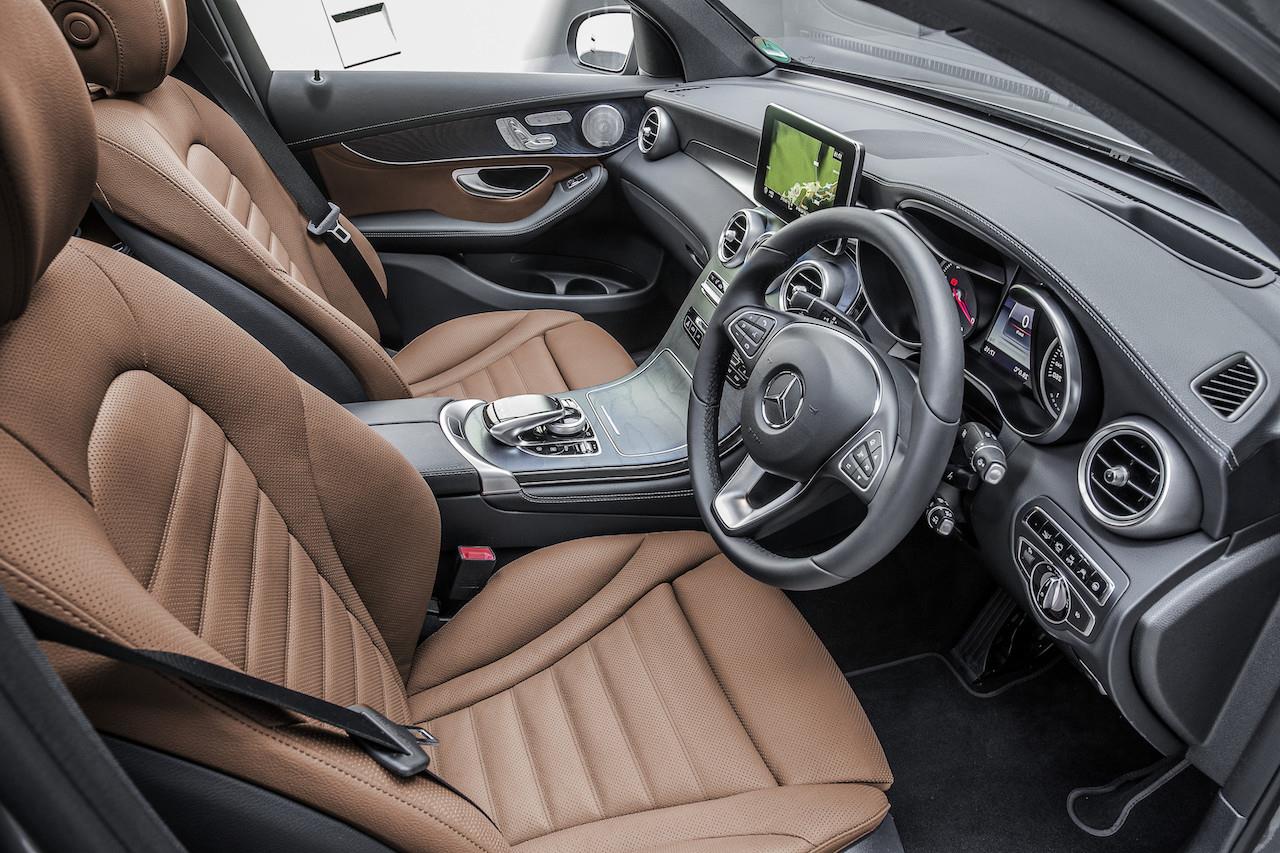
The Mercedes-Benz GLC has proven to be a very successful model for this German manufacturer, and is still selling strongly even though it’s been around for a while. In contrast, its challengers haven’t had such an easy task in breaking the German stranglehold. The Lexus NX and Alfa Romeo Stelvio both have tremendous appeal in their own ways, yet they remain fringe players – and that’s exactly why they should appeal to non-conformist buyers.
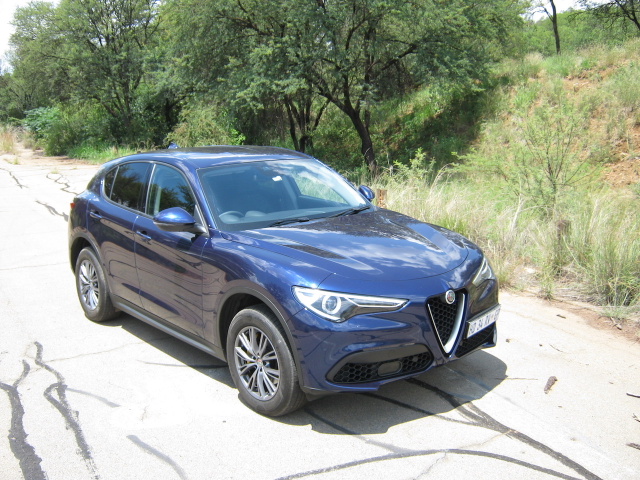
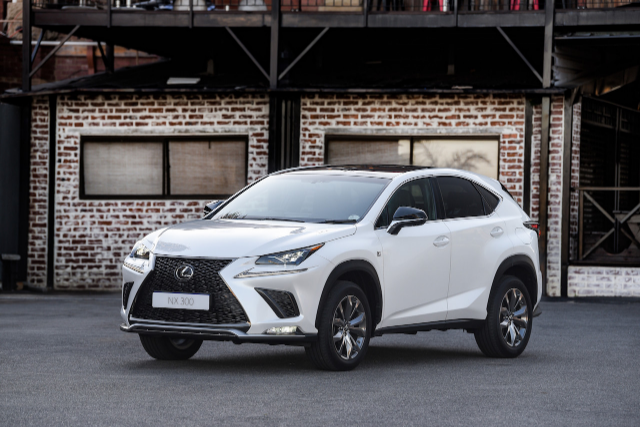
Facts and figures:
First, let’s look at the key numbers:
|
Mercedes-Benz GLC300 4Matic |
Lexus NX 300 F-Sport |
Alfa Romeo Stelvio 2.0T Super Q4 |
|
|
Engine size (cyl/size) |
4-cyl, 2.0-litre turbopetrol |
4-cyl, 2.0-litre turbopetrol |
4-cyl, 2.0-litre turbopetrol |
|
Power/Torque |
190 kW/370 Nm |
175 kW/350 Nm |
206 kW/400 Nm |
|
Kerb Weight |
1735 kg |
1860 kg |
1660 kg |
|
Length (mm) |
4 656 |
4 640 |
4 687 |
|
Boot volume (litres) |
550 |
500 |
525 |
|
Airbag count |
7 (opt 9) |
8 |
6 |
|
Top Speed (km/h) * |
240 |
200 |
230 |
|
Ave Consumption * |
7.4 ℓ/100 km |
7.9 ℓ/100 km |
7.0 ℓ/100 km |
|
Warranty |
2 yr/Unlimited km |
7 yr/105 000 km |
3 yr/100 000 km |
|
Price |
R 848 999 |
R 849 200 |
R 834 900 |
* Manufacturer's official claimed figures.
Analysis
Power, performance, and drivetrains
Even just a cursory glance will reveal that all three competitors have significant mechanical similarities: they’re all powered by 2.0-litre 4-cylinder turbo engines, sending power to all four wheels through torque converter automatic gearboxes. But that’s where the similarities end, because these manufacturers applied different trains of thought to the implementation of their mechanical bits.
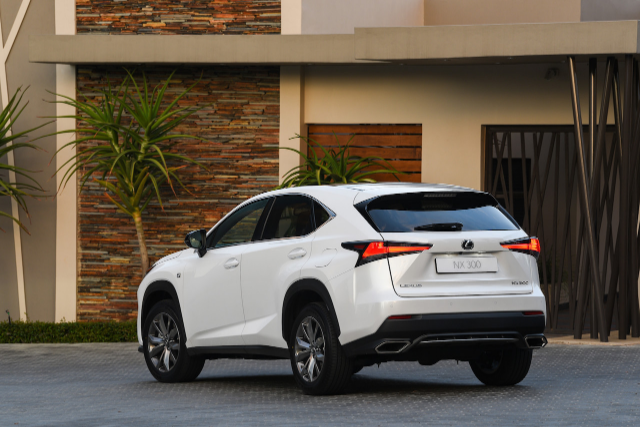
The Lexus NX is the first one to fall by the wayside in the performance stakes, for three main reasons: it’s the heaviest car in this group (200 kg heavier than the Alfa and 125 kg heavier than the Mercedes), it has the least power and torque (175 kW and 350 Nm), and its gearbox has the fewest ratios (6 forward speeds, compared to the Alfa’s 8-speed gearbox and the Mercedes’s 9-speed transmission). The combined effect of these drawbacks is that the NX is the slowest on acceleration, needing 7.1 seconds to get from standstill to 100 km/h against the GLC300’s 6.2 seconds and the Stelvio’s 5.7 seconds.
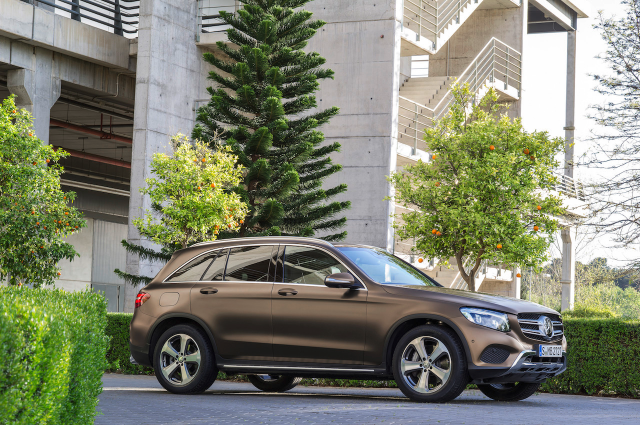
The Mercedes finishes mid-pack (if quite far ahead of the Lexus), because its weight and outputs all fall between those of the Lexus and the Alfa. Still, its rated outputs of 190 kW and 370 Nm are pretty respectable for a mere 2.0-litre engine, even if it’s not quite as impressive as the 206 kW and 400 Nm on offer in the Stelvio. However, just as much as its outputs give the Stelvio and advantage, the Alfa’s lightweight construction further helps it to easily grab the performance crown among these three – and then run away with it...
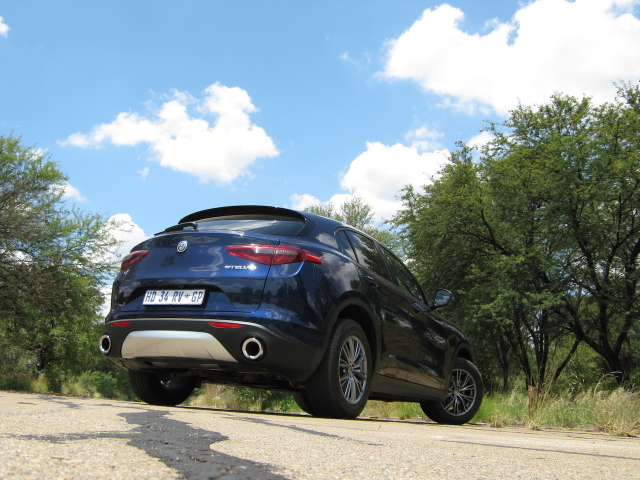
Related: The Alfa-Romeo Stelvio 2.0T Super quickly stole our hearts when it came in to be reviewed.
Economy
The Stelvio’s clearly very efficient engine and (relatively) low kerb weight also bring benefits in fuel efficiency. In spite of its stronger performance, it’s also the most economical in this group. Its official average figure of 7.0 ℓ/100 km is a bit lower than the GLC300’s claimed 7.4 ℓ/100 km and quite far ahead of the NX F-Sport’s 7.9 ℓ/100 km claim, although none of these cars will achieve those numbers in the real world.
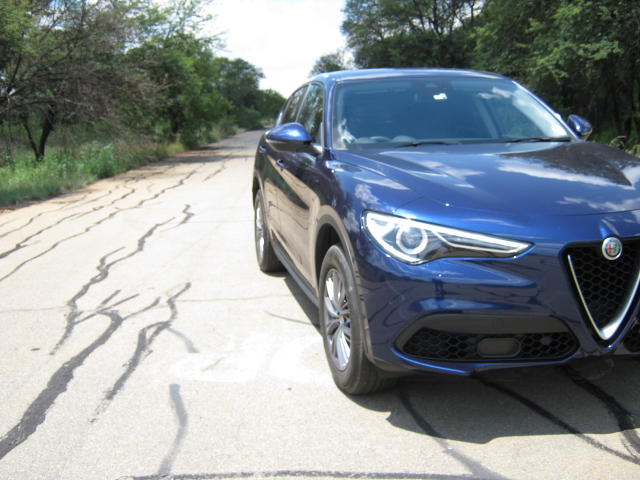
When we had the Stelvio 2.0T Super on test last year, a week’s worth of driving on real roads yielded an average consumption of 9.2 ℓ/100 km, The Lexus NX 300 F-Sport struggled to even get into the 10 ℓ/100 km range on test, and the (mechanically similar but lower-powered and now-discontinued) Mercedes-Benz GLC250 Coupé returned mid-9 ℓ/100 km figures. This means that, although all three manufacturers’ claims are rather optimistic, the Alfa is still likely to use the least fuel in this grouping. The Mercedes finishes second, with the Lexus bringing up the rear.
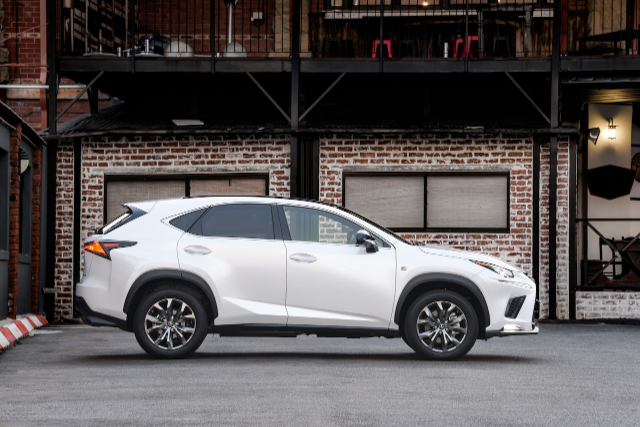
Related: Our review of the Lexus NX 300 F-Sport can be found here. Spoiler alert: we liked it quite a lot!
Practicality
Seeing as these three cars are roughly similar in size, it’s only logical that they will offer similar practicality as well. This is where the Mercedes-Benz GLC scores its first outright victory, because it has the largest luggage compartment with all seats in use. The tables turn slightly in the cabin space race, though, because the Alfa has the most rear-seat space as a result of some clever interior packaging.
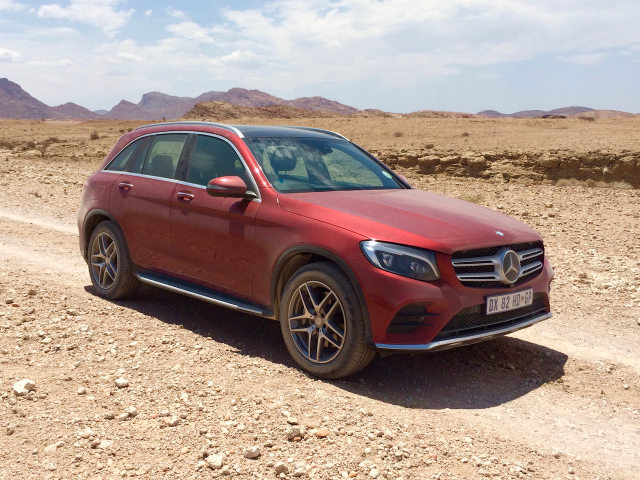
The difference isn’t massive, though – there’s only about 10% difference between the most- and least capacious contenders here in this regard, with the Lexus NX being the least commodious in this metric and the Alfa Romeo slotting exactly in the middle between them.
Folding down the seats will see the Stelvio and the GLC giving exactly the same maximum luggage volume, however, with the Lexus again being marginally the smallest. For these reasons, the Mercedes-Benz GLC walks away with the practicality crown, followed very closely by the Alfa Romeo and with the Lexus not too far behind.
Equipment and safety
As a key point in the value for money equation, we now have to determine which car gives you the most stuff for your hard-earned Rands. One of Lexus’s traditional selling points is that buyers get everything as standard, but is this still the case in the NX?
Comparing their standard equipment reveals that all the modern conveniences are present in all three contenders. Standard equipment includes climate control (dual-zone in the Alfa and Lexus but single-zone in the Mercedes), colour infotainment displays with steering wheel-mounted remote controls, and alloy wheels.
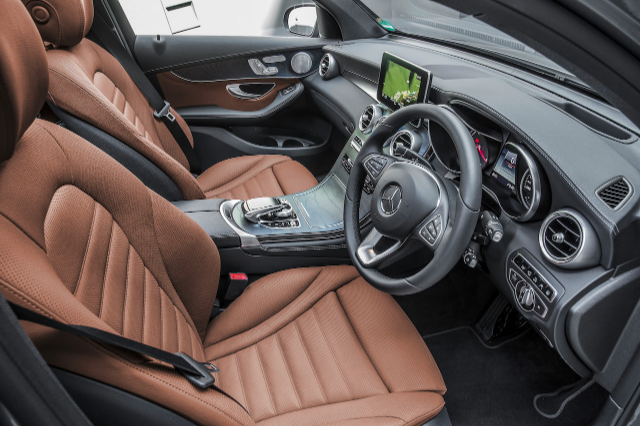
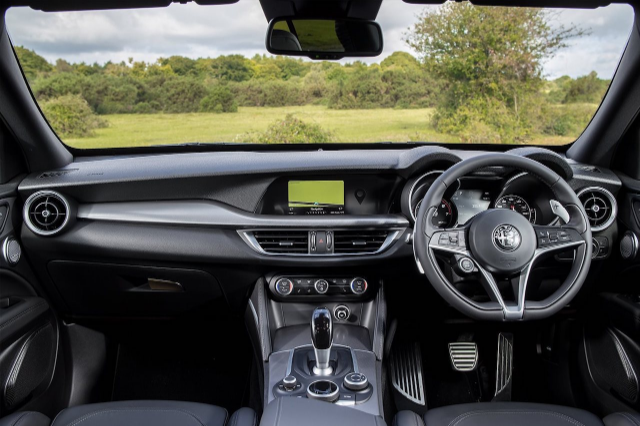
However, the Stelvio and NX are the only ones to offer leather-trimmed steering wheels, parking sensors front and rear, a rear-view camera, and navigation as standard equipment, while many of the GLC’s nicest available features are optional. The Mercedes-Benz and Lexus however also include LED headlights as standard fare, whereas the Alfa Romeo has to make do with old-fashioned halogen headlights (with Xenons being the only optional alternative for the Italian offering).
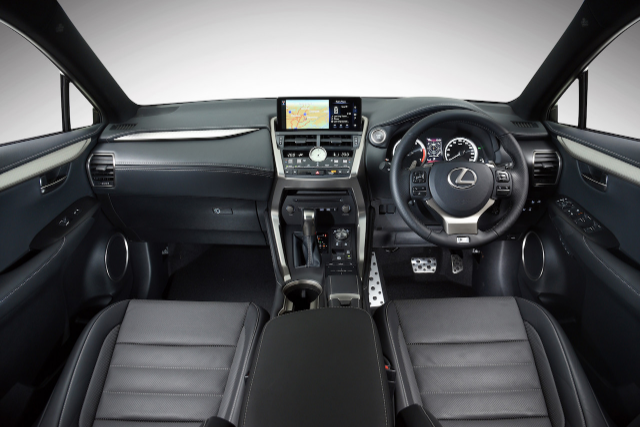
Additionally, the Lexus adds a panoramic sunroof and heated/ventilated front seats with electric adjustment and full leather upholstery, while the Alfa’s the only car to offer a powered tailgate. Comparing their standard equipment lists, the Lexus NX is clearly by far the best-equipped car in this group, with the Stelvio’s lack of LED headlamps knocking off more than a few points to relegate it to second place. And, as is usual with German premium manufacturers, the Mercedes-Benz GLC is only really well-equipped once you’ve delved into the option boxes.
In the safety race, the Mercedes-Benz stages a strong comeback, with 7 airbags as standard (and the possibility to upgrade to 9 airbags as an option), but the Lexus has it beat on airbag count, with a suite of 8 airbags to protect all its occupants in a crash. Meanwhile, the Alfa Romeo makes do with the modern average of 6 airbags. They all have ABS, stability control, ISOFIX rear child seat anchors, and 5-star Euro-NCAP crash safety ratings.
Only the GLC and Stelvio have standard automatic emergency braking, however. This hands the safety victory to the Mercedes-Benz GLC, while the Lexus’s standard LED headlamps and higher standard airbag count lifts the second-placed NX above the Stelvio in this regard.
Related: Find out more about Euro-NCAP ratings on their official website.
Verdict
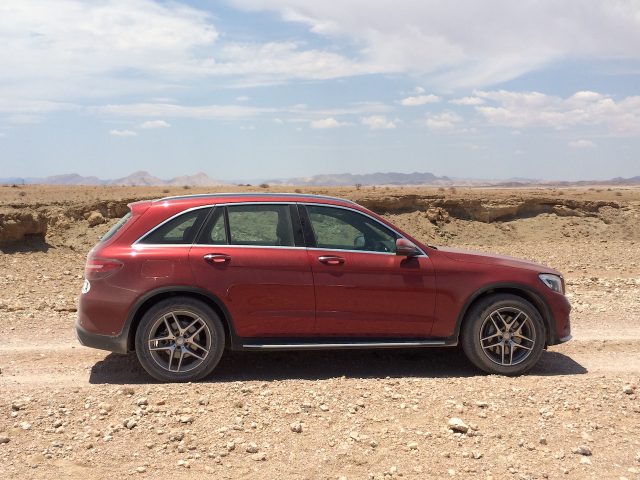
Not surprisingly, value for money isn’t the Mercedes-Benz GLC’s strongest suit: it costs almost as much as the Lexus NX 300 F-Sport, but it loses out on a multitude of standard equipment bits included in the Lexus. Yes, you can add all those missing features by ticking some option boxes, but then it will end up costing a whole lot more. It’s also mid-pack on the performance stakes, and its standard maintenance plan is outclassed by both the Stelvio and the NX. Consequently, the GLC has to finish last in this value comparison.
The next one to fall by the wayside is the very pretty Alfa Romeo Stelvio Super Q4. If it didn’t have those miserable old-fashioned headlights, it might have stood a better chance at victory, because it’s an excellent contender in all other respects, has a strong maintenance plan and a big performance advantage, and costs the least of this trio.
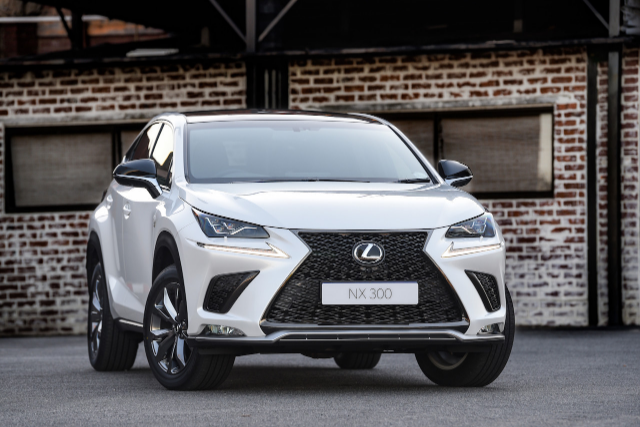
But as far as value for money goes, the Lexus NX has to emerge as the winner here. It has the longest list of standard-fit goodies, excellent safety features, and reasonably competitive performance and practicality. Lexus’s long-standing tradition of providing a full equipment sheet in the list price still applies, and really pays off in this company.
* Pricing was accurate at the time of writing, but may change without prior notice.
Recommended:
Interested in a Mercedes-Benz GLC? Check out our listings here.
If you have your heart set on a new or used Lexus NX, we have a bunch listed for sale.