


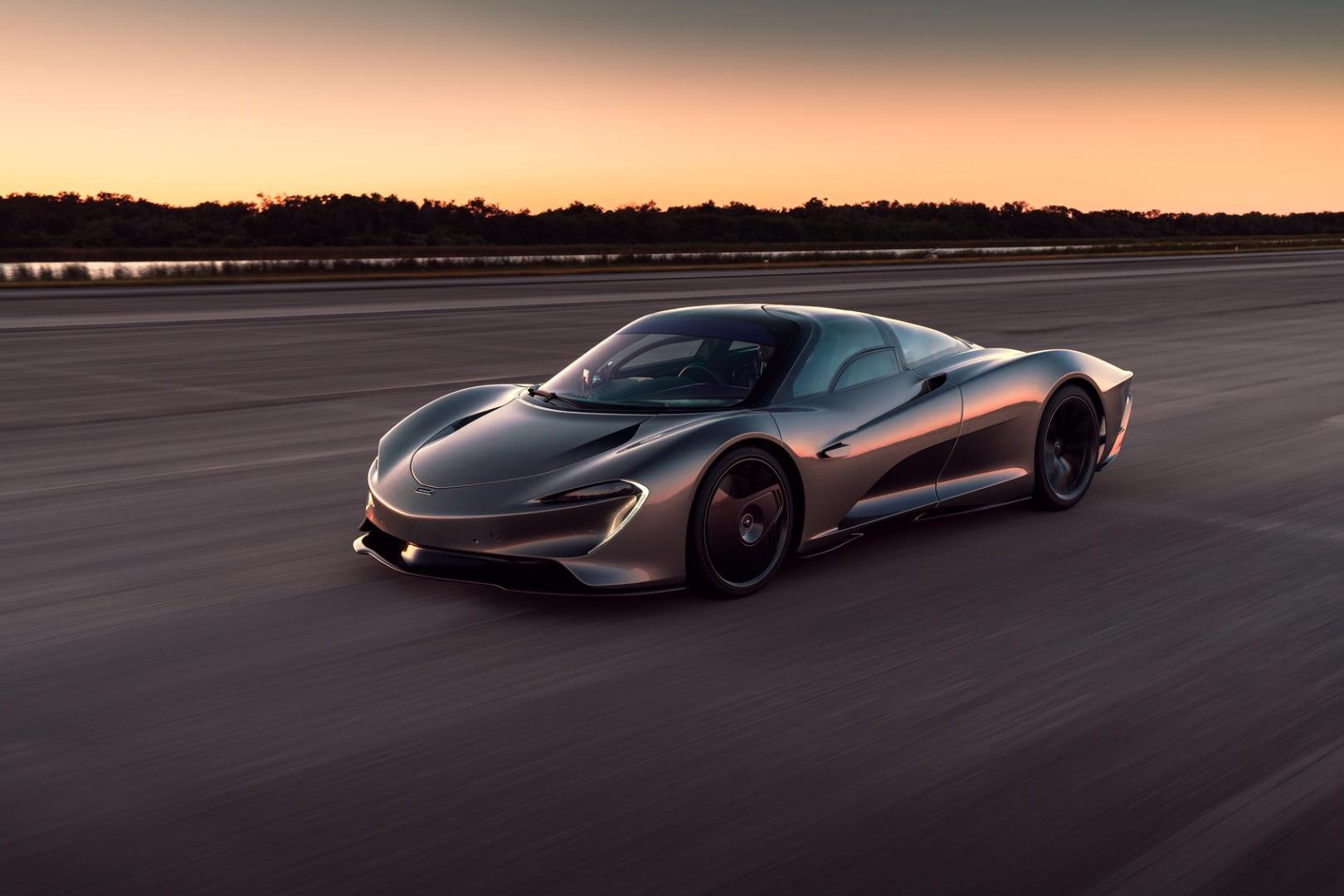
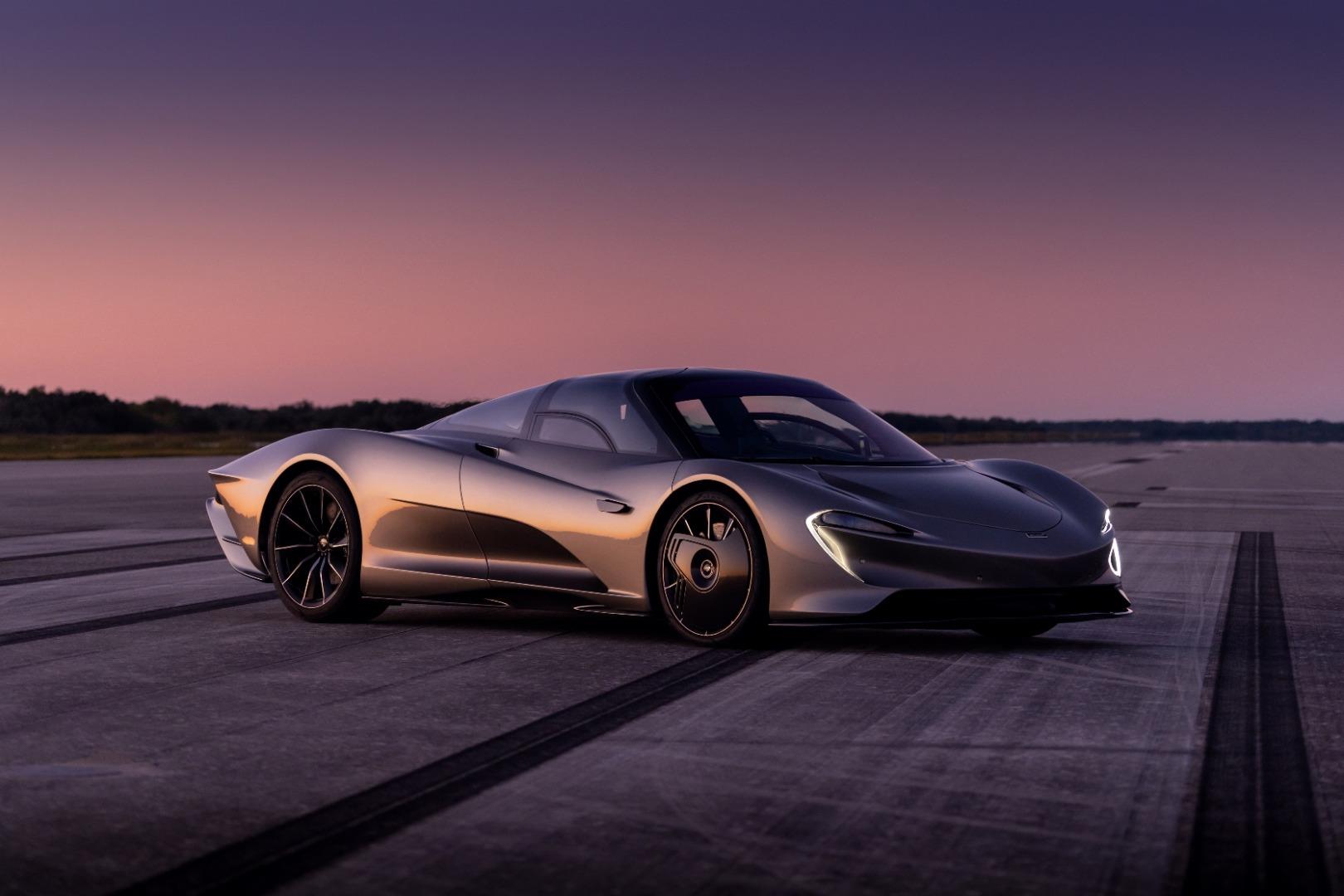
McLaren's new hypercar hybrid, the Speedtail, completed no fewer than 30 top speed runs at the Kennedy Space Centre to ensure its rated velocity of 403 km/h was no flash in the pan. The repeated top speed runs were conducted on the same runway used for the space shuttle, while other development work was done at high speed tracks in Europe.
The new Speedtail, with an estimated price in the region of about R40-million, features a unique-to-McLaren 3-seat configuration. The driver sits in the centre of the car, while two passenger seats are located slightly behind the driver on either side. This was the same seating configuration as used in the famous McLaren F1 supercar designed by South African Gordon Murray in the early 1990s.
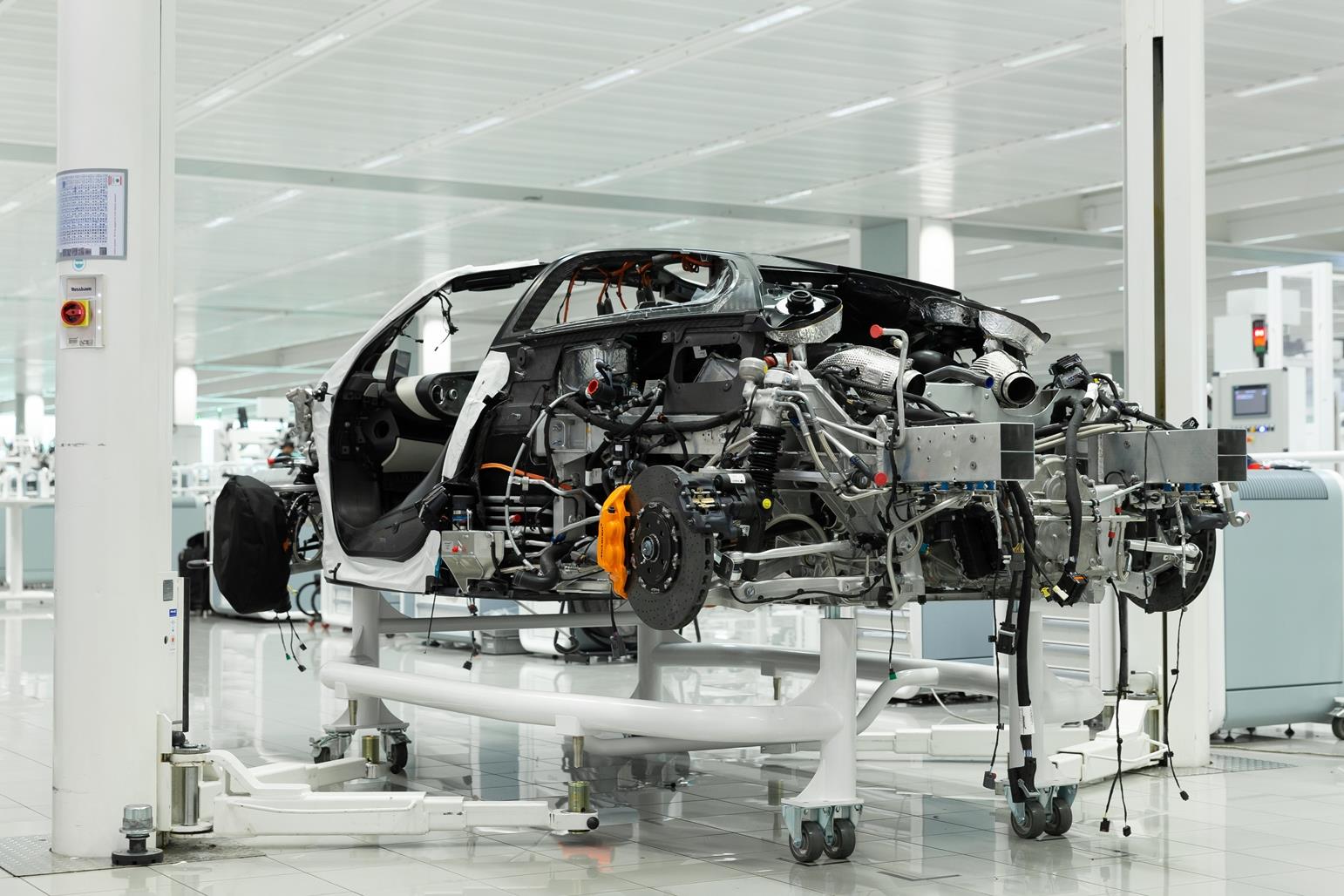
Power-wise, the McLaren weighs in with some heavy hardware. The petrol engine used is a development of the M840T twin-trubo V8 as used in other McLaren supercars. Together with the all-new electric motor that develops 230 kW, total output is rated at 773 kW.
0-300 km/h in 13 seconds!
Apart from the 400-plus top speed, this combination, using a seven-speed dual-clutch gearbox, enables the Speedtail to accelerate from 0-300 km/h in 13 seconds! These are warp-speed figures that will keep the lucky 106 owners enjoying bragging rights to a very exclusive club!
Advanced battery technology
The key to the Speedtail’s amazing performance is due at least in part to the advanced battery technology employed by the car. Special internal cooling of the battery cells is used, with the cells immersed in lightweight insulating oil which transfers heat away from the cells and enables the battery to repeatedly deliver top performance.
The electric motor uses Formula E-derived technology and according to McLaren, this gives the Speedtail the highest performance installation ‒ including cooling and integration ‒ of any electric motor currently in use on a production road car. Power delivery is 8.3kW/kg, which is twice the efficiency of an average sports car.
What about the petrol V8?
The M840TQ powertrain comprises a 4,0-litre internal combustion engine and an electric drive unit. The V8 engine features technology that has evolved from McLaren’s first hybrid hypercar, the legendary McLaren P1. A new lightweight air-intake system, improved cylinder head cooling and a revised piston design contribute close to 570 kW and 800Nm of ‘traditional’ petrol-powered output to the Speedtail.
What about other hi-tech features?
The McLaren Speedtail features HD television screens instead of wing mirrors. These pop out of the doors when the ignition is turned on, but retract to provide smooth airflow when the driver hits the “Velocity” button. There are no sun visors, but instead the Speedtail uses electro-chromatic glass to adjust light entering the cockpit.
The monocoque chassis is made of carbon-fibre, and style-wise the Speedtail uses special carbon front wheel shrouds (which are static and don’t revolve with the wheels), to smooth out critical airflow.
When the velocity mode is activated, the car is lowered by some 30 mm to achieve an optimum high-speed ride height.
On-board battery charger
The original McLaren F1 three-seater from the 1990s featured a custom-made battery charger to keep the battery topped-up during periods of storage. The new Speedtail is not a plug-in hybrid, so owners don’t have to plug in the car daily to keep battery levels up; the drivetrain system keeps the battery charged in conventional hybrid fashion, thanks to energy-regenerative systems when the car is braked or the driver lifts off the accelerator.
But for long periods of inactivity where the battery needs to be kept charged, there is an on-board wireless charging pad that trickle-charges the battery.
Can we expect the Speedtail in South Africa?
Due to the limited production numbers, South Africa will not be getting the Speedtail.
Recommended next:
McLaren 650S test drive: make sure to check these features out.
McLaren MP4-12C vs Ferrari 458 vs Lamborghini Gallardo: which one has the best infotainment system?