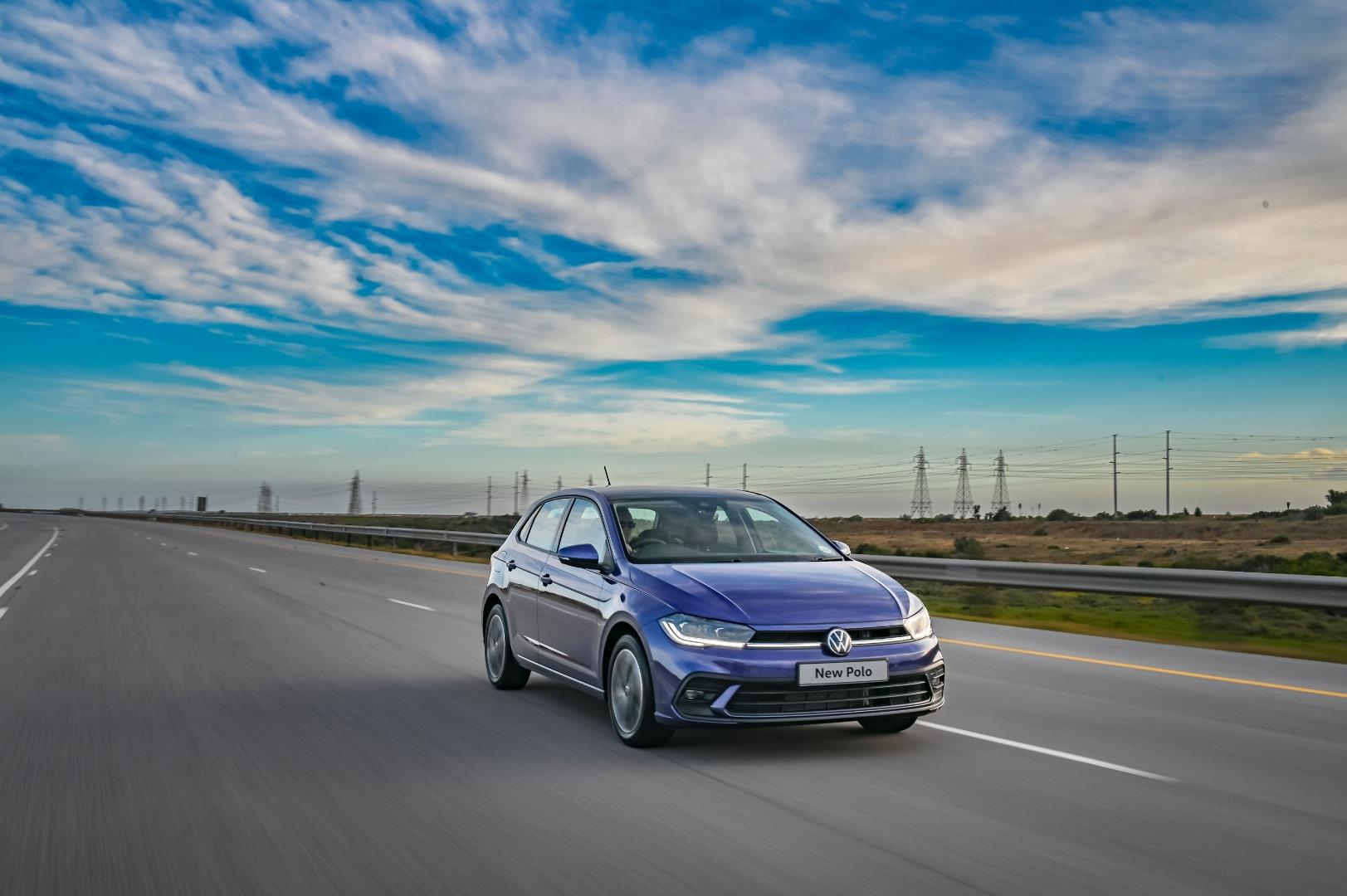
Is your VW Polo 1.0 TSI drinking fuel like it's trying to forget a bad breakup, yet it's supposed to be one of South Africa's most efficient cars? With petrol at R21 per litre, every drop counts.
Follow these tips to ensure you remain within budget!
Related: VW Polo 1.0TSI Life Review
Realistic expectations
Under real-life conditions, expect 6.0-7.0 L/100km in mixed driving. Highway driving can reach 5.5-6.0 L/100km while city traffic pushes consumption to 7.0-8.0 L/100km.
Don't blindly trust VW's claimed consumption; those are (in many cases) laboratory figures with about as much real-world relevance as a twenty-something fitness influencer on Instagram. If you consistently use more than 8.5 L/100km, it's time to take action.
1. Stop accelerating like a maniac
The biggest mistake many drivers make is aggressive acceleration from every robot. This turns your efficient little turbo into a thirsty beast. Instead, accelerate gradually, keeping revs below 2 500 r/min while the turbo builds boost. Your consumption will likely drop from 8-9 L/100km to a reasonable 6-7 L/100km.
The 1.0 TSI loves low revs with high load. Think marathon runner, not sprinter.
Related: Which costs more to own, the Polo Vivo or the Suzuki Swift?
2. Highway speed kills your wallet
The sweet spot is 100-120 km/h. Push beyond 130 km/h and watch your fuel gauge drop faster than public confidence in municipal services. On a Johannesburg to Cape Town trip, maintaining 110 km/h instead of varying between 100-140 km/h saves you R300 in fuel. It may not sound like a lot, but think of it as two burgers at the Wimpy, drinks, and a tip for the waiter.
True ownership costs for the VW Polo in SA
3. Observe surrounding traffic
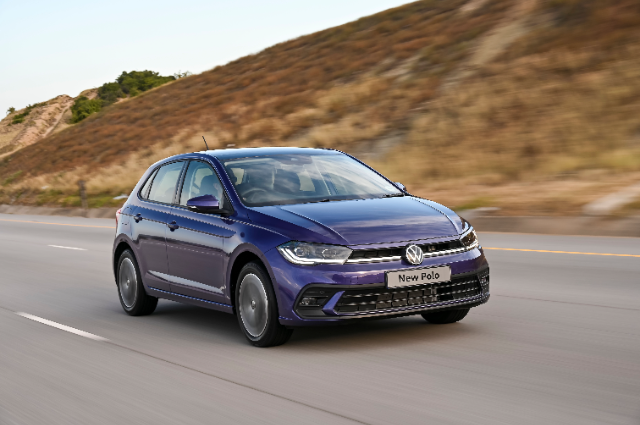
Watch cars far ahead, not just the one in front. When you see brake lights coming, lift off early. This keeps your engine in its efficiency zone instead of constantly accelerating from standstill. While others play stop-start games, you maintain momentum and save fuel.
VW Polo vs Hyundai i20
4. The real money you're wasting
An average driver covering 1 500 km monthly with poor technique uses 8.0 L/100km—that's 120 litres per month. Good technique drops this to 6.5 L/100 km, using just 97.5 litres.
The difference? 22.5 litres monthly. At R21 per litre, that's R472 every month or R5 664 annually. For high-mileage drivers doing 2 500km monthly, the savings jump to R1 050 per month.
VW Polo pricing vs Toyota Starlet

5. Basic maintenance that matters
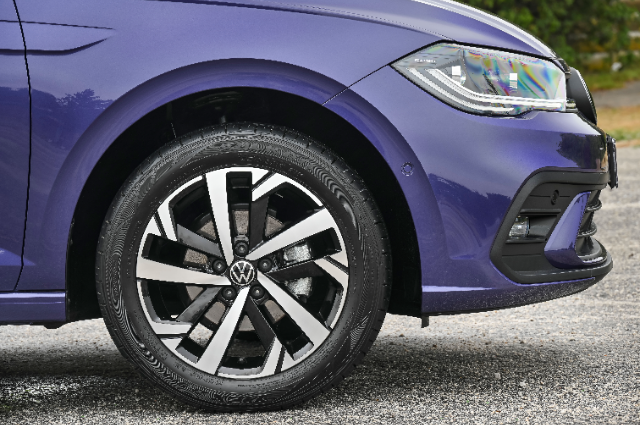
Under-inflated tyres increase consumption by 15%. Check pressures monthly (2.2 bar front, 2.0 bar rear). A dirty air filter also kills efficiency, especially in our dusty conditions.
How to check if your Polo's air filter is dirty
The air filter in a Polo 1.0 TSI is surprisingly simple to access. Open the bonnet and look for a rectangular black plastic box near the engine (usually on the left side). It has clips that can be opened by hand; no tools are required. Remove the filter and hold it up to the light. It must be replaced if you can't see light through it or if it's visibly dirty/brown rather than white/cream. It is that simple.
DIY replacement: Air filters cost around R200 - R300 at parts shops. The genuine VW ones are worth the extra cost. You can literally just lift out the old one and drop in the new one. If you can change a light bulb, you can change an air filter.
Quick-service centres: Places like Midas or Autozone will do it for around R600- 800, including the filter, and it's a quick 10-minute task.
6. Remove excess weight from your Polo
Those heavy bags of firewood, gym equipment, camping gear that you haven't had a chance to put back in the garage? It's costing you.
50 kg extra in your Polo equals a fuel consumption increase of around 2%. Not as bad as we initially thought, but every little bit helps.
Add another 50 kg for 100 kg extra, and you're looking at a 3-4% increase, where 7.0 L/100 km becomes around 7.3L/100 km.
Got something strapped to your roof? Aerodynamic drag is even worse than having another passenger (and their suitcase) on board. Roof racks and boxes create more drag than carrying a rugby player in your back seat. Take them off between trips, or invest in a small trailer.
Related: What's the difference between a Polo and a Polo GTI?
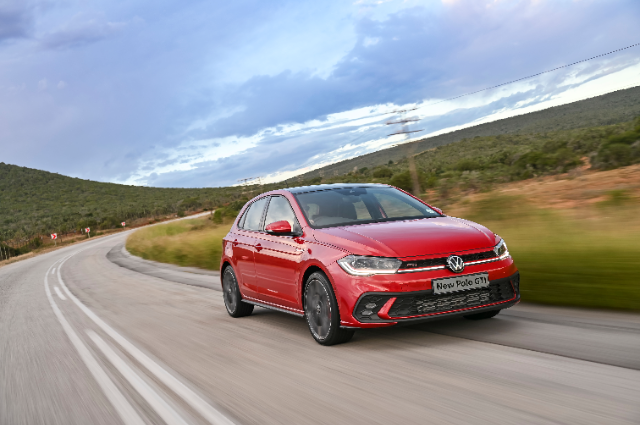
Drive wisely and reap the rewards
Your Polo 1.0 TSI is built to be efficient when appropriately driven. If your consumption is still too high, it may be time to see a mechanic.
Related: Safety features in the updated VW Polo.