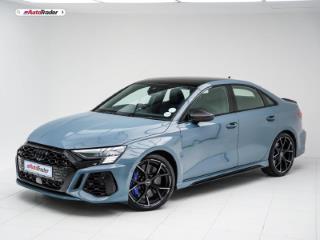
The Audi RS3 is the pinnacle of compact Audi performance. The RS badge is only found on Audi vehicles that embody the true spirit of Audi's racing pedigree; it's a race car for the road. The RS3 is based on the popular and mass-produced A3 platform and of the four generations of A3, the RS3 has been an option for the last three. The RS3 is an attractive choice for the buyer that is looking for performance but without sacrificing convenience, practicality, safety and ease of use.
Related: Audi RS3 Sedan (2023) Review
As we always say, performance comes at a price and that doesn't only apply to the amount of fuel a performance car uses, the maintenance on a performance car can often be much more expensive than that of its non-performance stablemates. This is something that you will have to keep in mind when considering an Audi RS3 as your next car.

Choosing the right Audi RS3
The latest Audi RS3 in both Sportback and Sedan configurations will set you back no less than R1 246 600 before you select a few tasty options. This will mean that you have a sizeable monthly repayment of you're financing the purchase but it does mean that you get the full benefit of the 1-year/unlimited-kilometre warranty and the full 5-year/100 000 km maintenance plan.
If this is a little out of your reach and you're still lusting after one, your attention may be drawn to the used market. The earlier generations can still offer great bang for your buck, but you will need to do the necessary homework before settling on a particular example.
The 8P Audi RS3 was available from 2011 to 2012 and the following 8V model from 2015 to 2020. You're unlikely to find any of these still covered by the manufacturer warranty unless an extended plan was taken out during the vehicle's lifespan. Only a few late model 8V versions will still have the balance of their maintenance plan, so you will have to factor in the service and maintenance costs into your budget.

Reliability
The Audi RS3 is not a particularly problematic vehicle if regular maintenance has been done on the vehicle through the dealerships themselves. Any cost-saving measures taken by previous owners could result in you sitting with a problematic RS3, one that could possibly cost you dearly. Remember, this is a high-performance vehicle and requires the correct components and regular servicing according to the service schedule. Always insist on seeing the service history of the vehicle you're interested in and should a dealership be unable to provide one, walk away.
Try to steer clear of models that have had numerous owners and changed hands frequently, this is a sure-fire indication that the vehicle is problematic.

Common faults
The RS3 isn't perfect though and as with any high-strung engine arrangement, can be susceptible to issues. Here are some of the more common faults that you could encounter with an Audi RS3.
1. Oil consumption
The RS3's 5-cylinder engine, especially in earlier variants, has been known to consume larger amounts of oil than expected. This is particularly apparent in high mileage examples and those that haven't been maintained according to the service schedule.
2. Fuel pump failures
Intermittent fuel cuts or complete failures have been reported in the RS3. Owners will usually be presented with a fuel pressure low warning on the dashboard and this should be taken rather seriously. Lean burn conditions (a lack of fuel supply) can result in catastrophic engine failure.
3. Electrical faults
Some reports suggest that certain electric components can give cause for concern. The electric windows and infotainment system are the biggest culprits here, particularly on earlier models while reports also suggest that lighting and camera systems have been known to fail.
4. Suspension
Owners have reported issues with the top shock mounts of the Audi RS3 with particular reference being given to the rear suspension. This premature deterioration of the mounts can cause the suspension to knock and adds to the strain on other suspension components.