Lane-keep assist is one of those wonderful new driver-assistance systems that are typically part of many ADAS suites these days. At first, you had them in luxury flagships, but now you're seeing these systems in more affordable models. It's a simple system and an interesting sight. However, how does this system fare on South African roads, given the varying conditions?
Related: Kia Sonet and Haval Jolion Crash Test Scores: Here's what you need to know
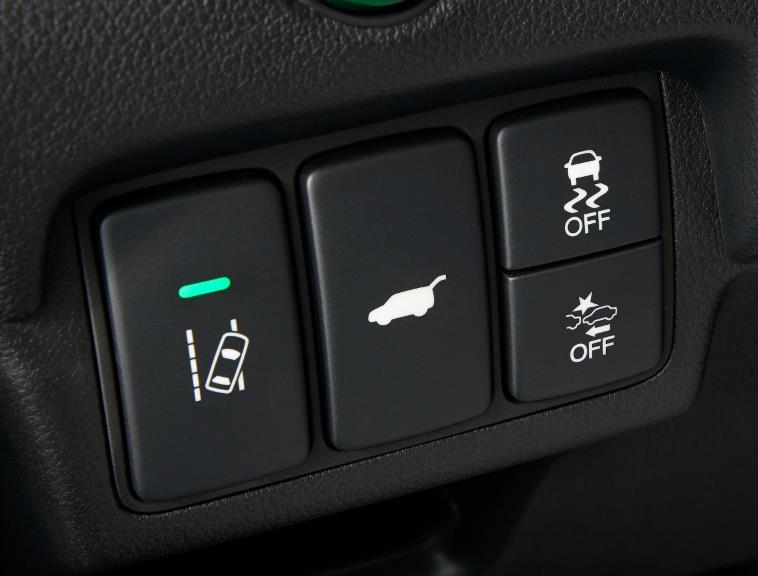
How does lane-keep work?
We'll speak in broad terms because some lane-keep systems work differently from others, and you get variations such as lane-departure, lane-change assist and lane-keep assistance, but the primary duty of this system is to keep the car from straying out of its lane. Some systems are more active, while some are passive.
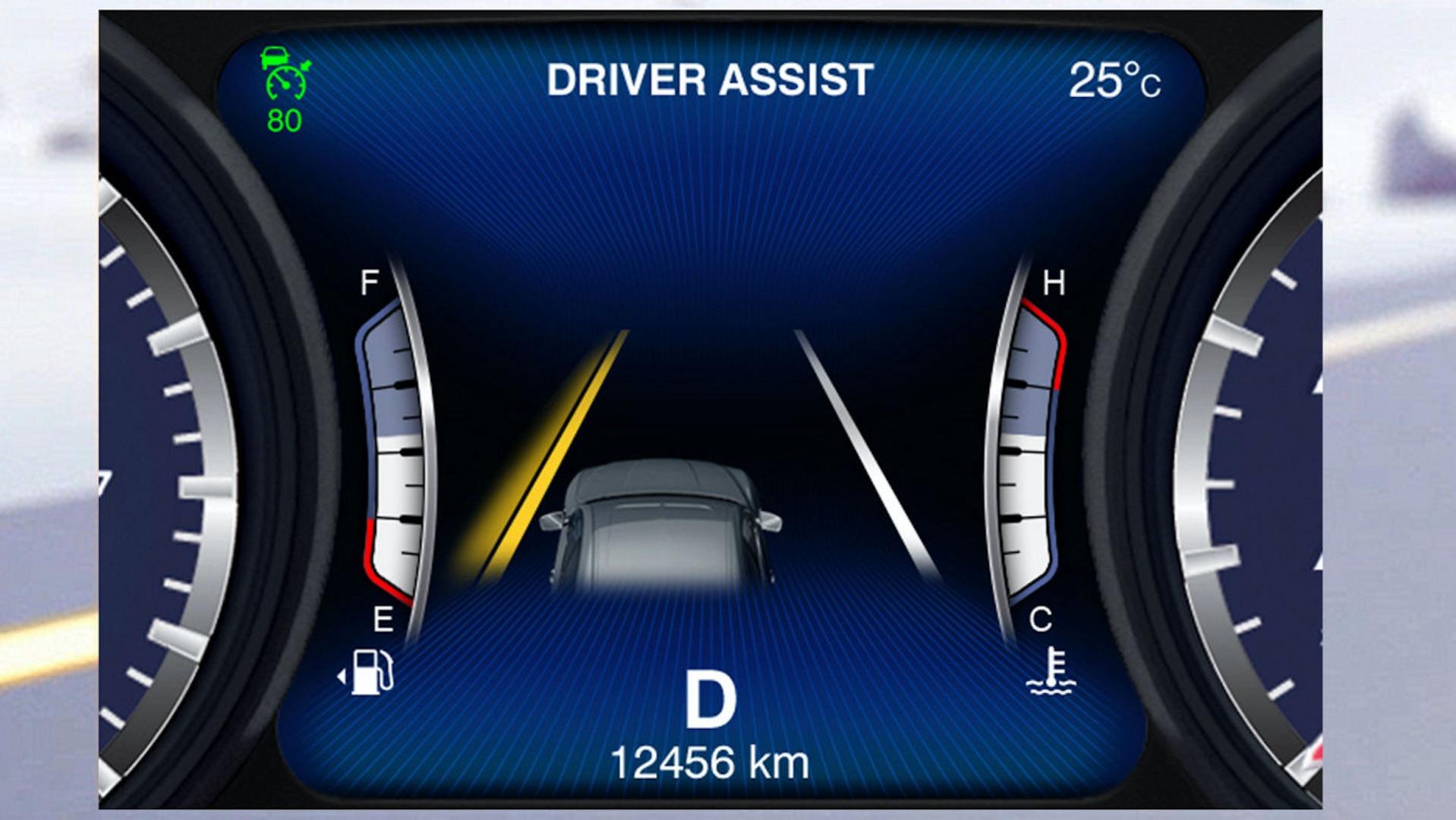
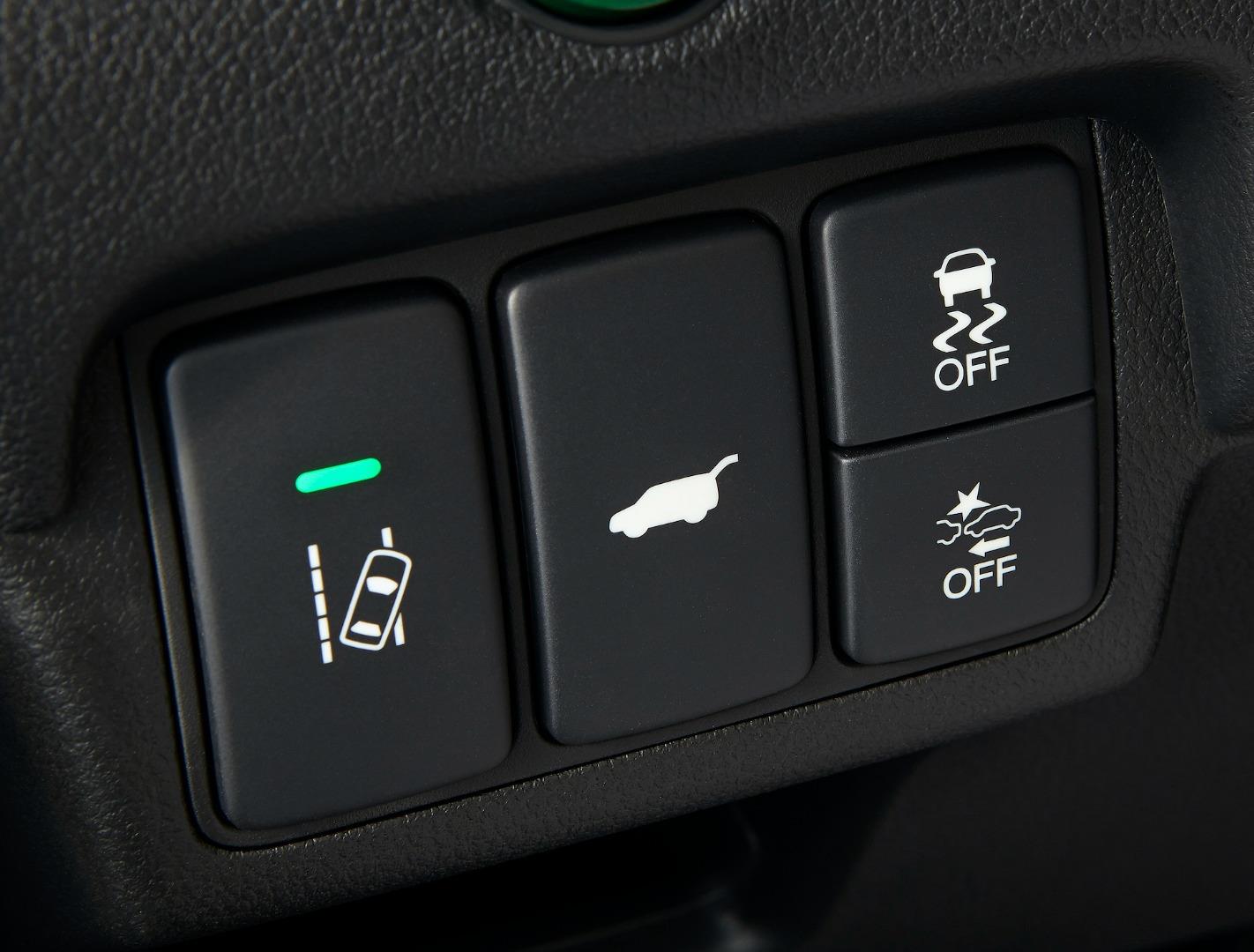
Typically, lane-keep assist uses front-mounted cameras which scan road markings to detect your car's position. This system can be turned on or off either in your car's settings or a dedicated button within easy reach in the cabin. However, the system can temporarily deactivate using the indicators if you need to change lanes.
- Lane Departure Warning - This is more on the passive end of the spectrum, where the system will warn you that you're departing lanes. This can be an audio warning or a steering-wheel vibration, but it doesn't provide steering corrections.
- Lane-Keep Assist - This one is a bit more active, where, in addition to the warning, the system will intervene with the steering and put the car back on the correct trajectory.
- Lane-Change Assistant - This system is quite active, incorporating side-mounted proximity sensors to work with the front cameras to see if there's a clear path to overtake. In practice, if the driver wants to make a lane change, they have to tap the car's indicator stalk, and if the path is clear, the car will smoothly perform the lane change. You'll see this feature in some cars that have adaptive cruise control.
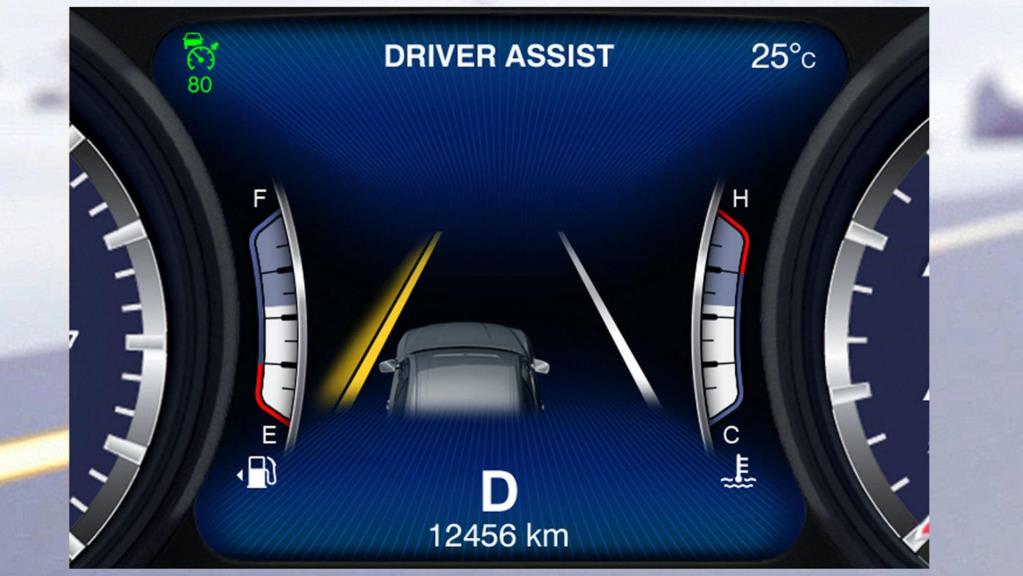
South African context
This is where lane-keep systems in South Africa falter.
South Africa's roads are built to a 1990s standard, when these lane-keep systems were a fairly recent invention. Maintenance of the roads at the moment leaves a lot to be desired, to the point where these features can be a nuisance rather than a benefit. They're a nuisance because when road markings fade, the system's cameras can't detect the correct lane, which can throw errors and even cause steering corrections to go out of whack. Sometimes, road markings aren't even applied properly, causing the car to travel along what it thinks is the correct path. Potholes are another thing: when you have to dodge them, the system detects a lane departure and tries to correct the car's trajectory. Our road hazards can be 'unique' compared to the rest of the world, so these systems aren't exactly smart enough yet to adapt to our road conditions.
Some of you may be wondering, " Why include it at all? It's not that simple to remove, though. Typically, the lane-keep system is part of an ADAS suite, and these systems work in tandem. Also, that suite is often required in full to receive a desirable safety rating. It just means the standard of roads needs to improve.