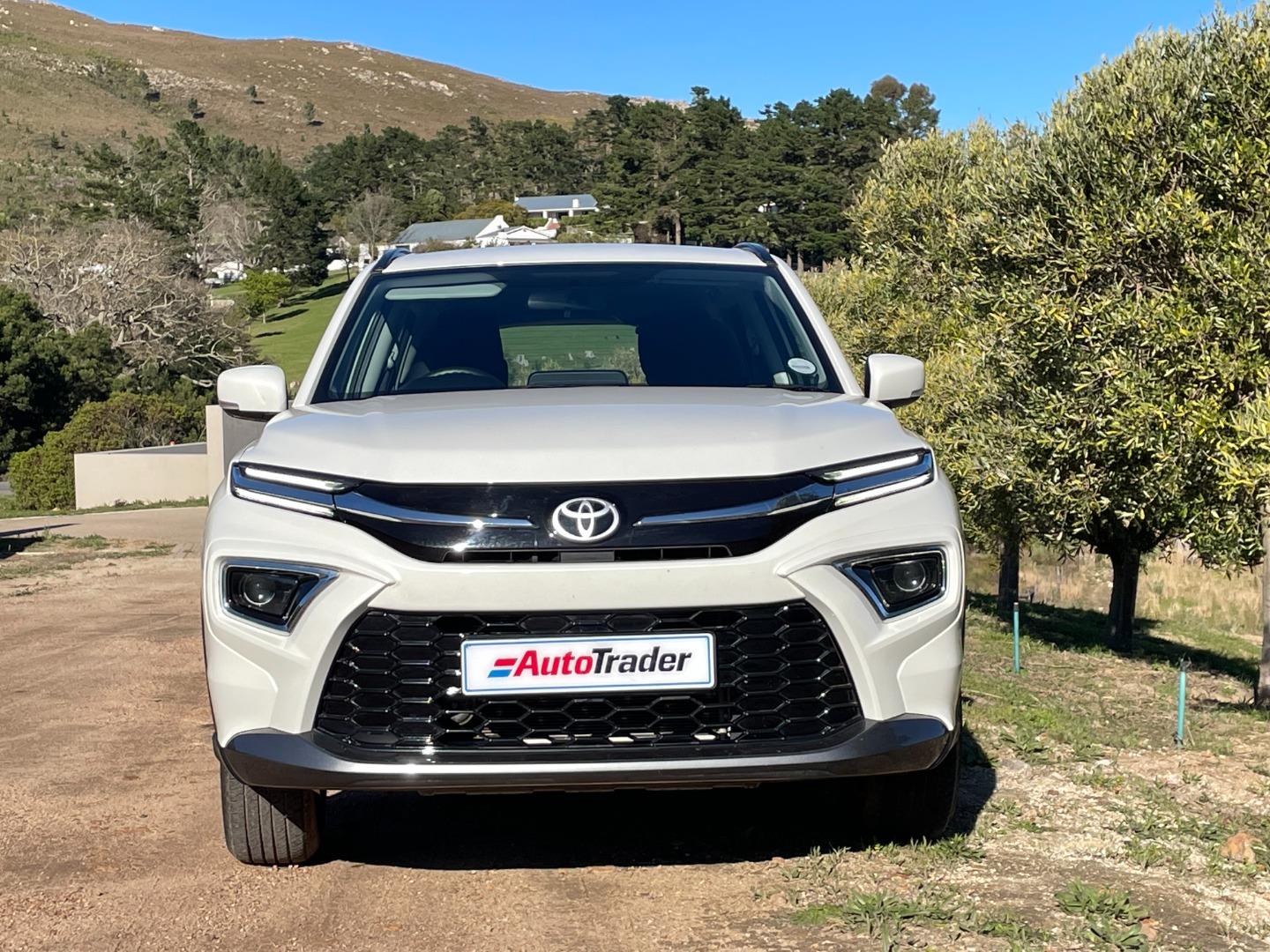
When contemplating a crossover or SUV, consumers frequently find themselves choosing between Hyundai and Toyota cars. Both brands are seen as reliable and trustworthy, and although brand loyalty plays a big part, things such as comfort features and pricing are paramount, too.
In this shootout, we will pit the entry-level Toyota Urban Cruiser against the Hyundai Creta; although they don't compete in the same segment, the newly face-lifted Toyota Corolla Cross is actually in the same league as the recently enhanced Creta, where pricing and features are concerned—so is it really a fair fight?
Well, the Toyota Urban Cruiser is also a practical and spacious SUV with a fair amount of comfort spec, and its engine size is the same as the Creta's; so if you can't quite stretch to new Creta or Corolla Cross money, might the Urban Cruiser, at R104 400 less than the most affordable Creta, do the trick? Let's find out how the entry-level Urban Cruiser compares to the Creta, as well as the entry-level model.
The Urban Cruiser (read our review) steals the spotlight, coming in at a budget-friendly R342,500 versus Creta’s heftier R449,900.

Toyota Urban Cruiser 1.5 XS vs. Hyundai Creta 1.5 Premium manual
Comfort and Convenience
The Urban Cruiser and the Creta promise a comfortable ride, but how do they stack up? The Toyota Urban Cruiser features a sleek, simple interior with a modern infotainment setup, perfect for those who love a straightforward, no-fuss vehicle. Meanwhile, the Hyundai Creta's interior is functional and logical, with a slightly more upmarket feeling when you run your hands along the dashboard, and faux leather seats which is now also available in the entru-level Premium model.


Power and Performance
The Urban Cruiser sports a free-revving 77kW / 138Nm engine, sensible and practical for daily use or wherever the weekend takes you. However, the Hyundai Creta with its 84kW / 144Nm engine delivers a bit more zest, allowing it to accelerate slightly quicker.

Both cars are also built for light off-roading and excel on dirt and gravel, as both come equipped with stability control and have decent enough ground clearance and suspension travel, but the Creta has a built-in tyre pressure sensor, which is handy. Both cars have two airbags each.

The Creta's 6-speed manual transmission also counts in its favour, while the Urban Cruiser's is a 5-speed. Sadly, the Urban Cruiser lacks cruise control, but it's standard in the Creta.
Verdict: Need that extra boost? The Creta gives you just a bit more oomph, although both cars have a 170 km/h top speed.
Features
Both cars have daytime running lamps, and a nice bonus in the cheaper Urban Cruiser is climate control, which is absent in the Hyundai. Both cars have a rearview camera, parking sensors in the rear, and electric windows in the front and back. The Creta and the Urban Cruiser have cloth seats.
The steering column is adjustable for height and reach in both cars, and there are steering wheel buttons for easy access to information. Bluetooth and USB ports are present in both cars, electrically adjustable mirrors and a start-stop button.

Download and view the Hyundai Creta spec sheet for the full specs here.
See the Toyota Urban Cruiser's specs here.
Who is better equipped? The Creta is better-equipped spec-for-spec, but if you consider the Urban Cruiser's price, it's much bigger in value.
Fuel Economy
The Toyota shines brightly in fuel economy. With 6.1 L/100 km, it’s the ever-so-slightly thriftier option, saving you (marginally!) more at the fuel station than Creta's 6.5 L/100 km. Bear in mind that these are the manufacturer's official figures.

I wouldn't recommend the automatic Urban Cruiser; however, during its test period with me, the 4-speed automatic gearbox was considerably heavier on petrol.
Budget beater: The (manual) Urban Cruiser is slightly more wallet-friendly in this respect, so you'll save even more.
Practicality and Boot Space
Have a road trip planned? The Creta has a generous 416 litres of luggage space, perfect for carrying all you desire.
The Urban Cruiser's boot is a little smaller at 353 litres, but still a very decent size.

The king of space: If you’re the type who struggles to travel lightly, the Creta makes more sense - but it's not a massive enough difference for me to recommend you buy the Creta instead.
Warranty and Service Plans
Toyota offers a 3-year, 100 000 km warranty with standard service plan of 4 services every 15 000 km up to 60 000 km.
Don’t overlook Hyundai's generous 5-year/150 000 km vehicle warranty and 7-year/200 000 km drivetrain warranty, which provides peace of mind for years. Service is every 15 000 km, and the service plan distance tops out at 60 000 km.
Show me the money: Urban Cruiser offers more bang for your buck, but the Creta's warranty guarantees longer-term ease.

Brand Reputation
Both brands earn a gold star for reliability in South Africa, but Toyota is still perceived as the most reliable brand (their inexpensive services certainly help!).. Hyundai’s robust warranty builds confidence for newcomers.
Search AutoTrader for all new and used Hyundai Creta models here.
Overall winner?
If saving money while keeping fuel costs low sounds like music to your ears, lean towards the Toyota Urban Cruiser. However, the Hyundai Creta becomes a tempting choice if you’re all about that exterior flair, a little more performance, and you can stretch your budget. No matter where you fall, both models bring their standout qualities.
But, if you're looking for outright value for money, you can get away with buying the most affordable Toyota Urban Cruiser in the lineup while still enjoying some great comfort features.
Buying used? Here are top 10 reasons to love the 2023 Hyundai Creta