


The shift towards new energy vehicles (NEVs) has meant introducing more electric cars (EVs) to the local automotive scene. The driving experience of an electric car differs significantly from that of a conventional internal combustion engine vehicle (ICE), impacting various aspects of performance and user experience.
Related: What is the best charging strategy for my electric car's battery health?
Acceleration and power delivery
One of the most noticeable differences are electric cars' acceleration and power delivery. EVs provide instant torque, providing impressive acceleration since no traditional gearbox or a combustion engine needs to build rpm to produce power. This characteristic makes EVs feel responsive, especially at lower speeds, contributing to a smoother driving experience.
In the world of performance cars, the EV performs well; however, it has been noted in several tests that the higher the speed, the less impressive an EV's acceleration is, which is not always the case with ICE vehicles, which, with the inclusion of a gearbox with multiple forward gears, can continue accelerating until it reaches its top speed. Often, the initial accelerative abilities of an EV make it difficult for an ICE-equivalent vehicle to catch it, although the likelihood of the electric model being passed appears to increase the longer the race takes place across.
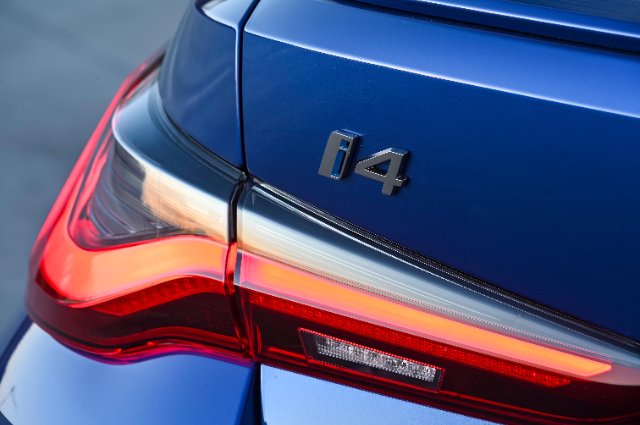
An example can be made using the BMW range, where the 400kW/795Nm i4 will trounce its 285kW/500Nm M440i sibling from 0-100km/h with a 3.9-second run versus 4.5 seconds; however, the i4 tops-out at 225km/h whereas the M440i will reach 250 km/h.
Silent operation
One striking dissimilarity is the near-silent operation of electric cars. With no internal combustion engine noise, electric vehicles offer a more quiet cabin and driving experience. There is also a noticeable reduction in noise, vibration and harshness (NVH). This does not mean that EVs are impervious to traditional driving sounds such as wind noise, tyre roar along with hums or whirs deliberately engineered into the driving experience to warn pedestrians of the presence of an EV.
A Japanese study conducted comparing a first-generation Nissan Leaf versus two comparable ICE products found that at very low speeds (0-20 km/h) the EV was up to 20dB quieter than the ICE models; however, as the speed increased to 35 km/h, the difference diminished to less than 5 dB. Another interesting find from the study was that among all the sounds tested during the three-car study, it was the reverse sound emitted by the Leaf that participants in the study found most annoying.
Maintenance and Running Costs
Electric cars' maintenance and running costs are generally lower than ICE vehicles except for tyre usage, where the increased weight and instant torque delivery of an EV makes them chew through their rubber faster than the average ICE car. By having fewer moving parts, EVs reduce the likelihood of mechanical failures.
Additionally, EVs typically benefit from lower energy costs per kilometre, providing a cost-effective alternative for drivers in the long run; however, those relying on charging stations and direct current, in particular, will have to pay a premium for the fast charge, which simultaneously reduces the lifespan of the vehicle's battery. While petrol and diesel cars may require more frequent maintenance, electric cars often require less attention; however, an EV battery is only expected to last 8-12 years (160 000/ 250 000km)before needing replacement, meaning that a well-maintained ICE car could outlast the EV.

Charging Infrastructure
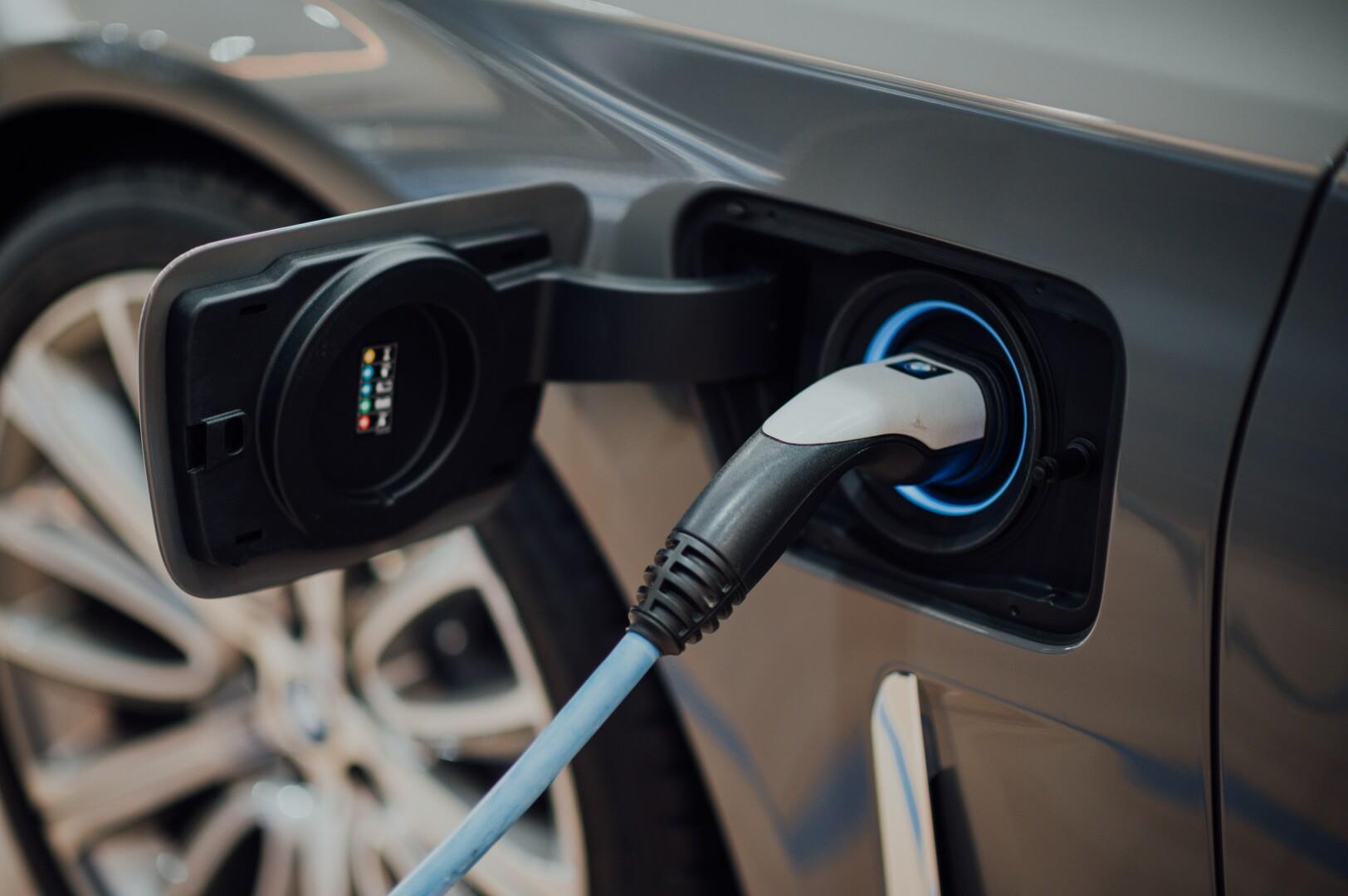
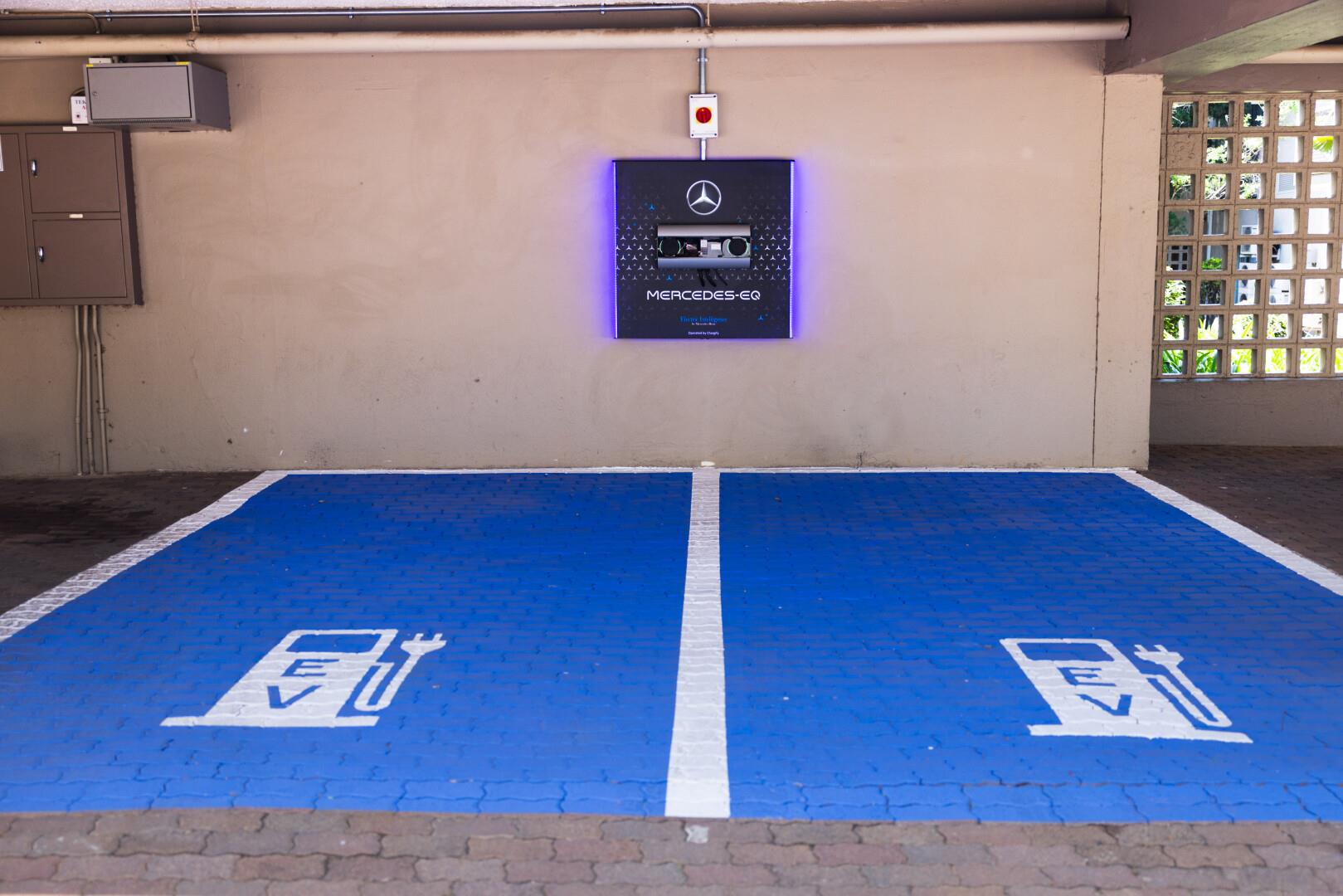
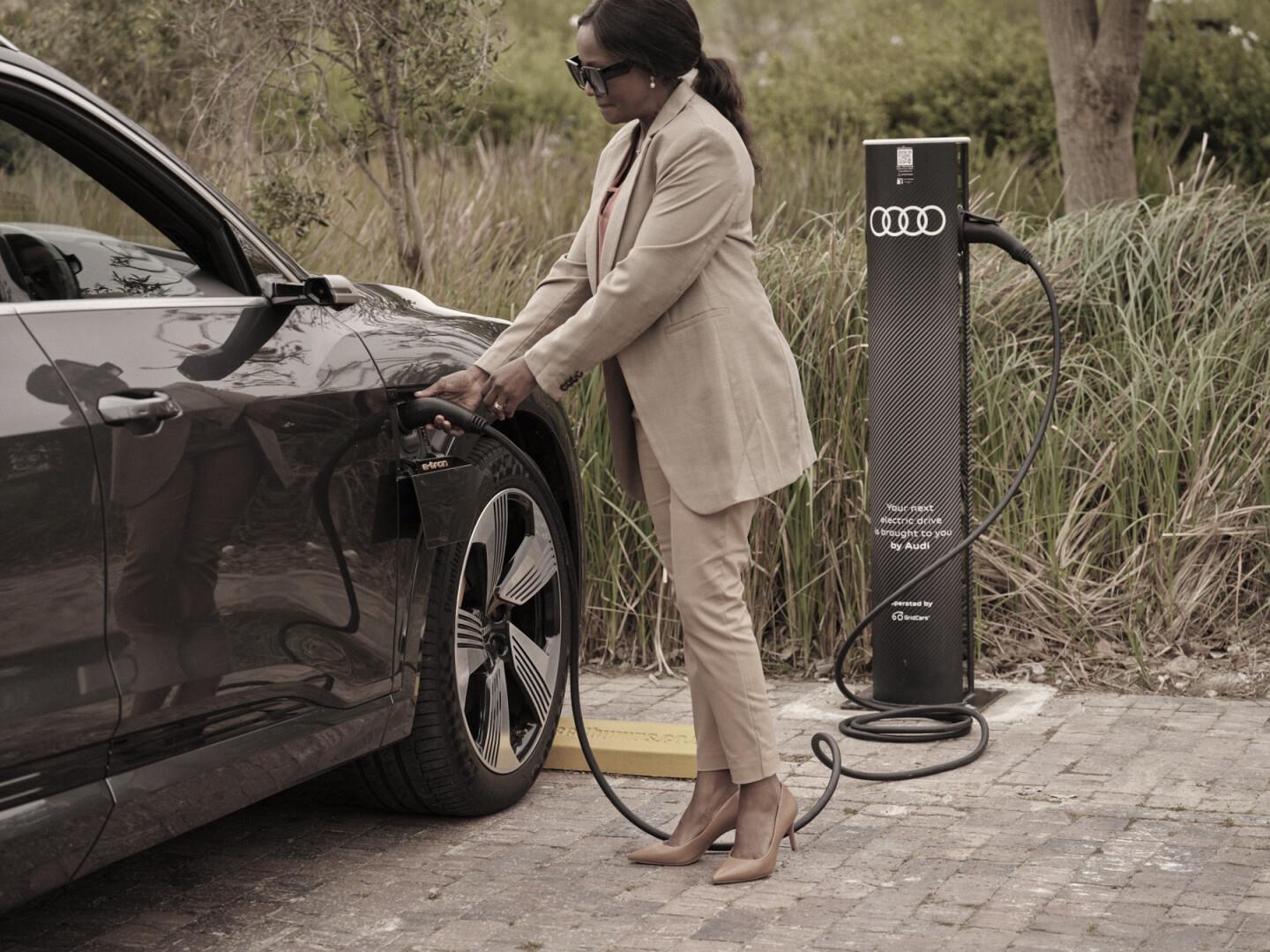
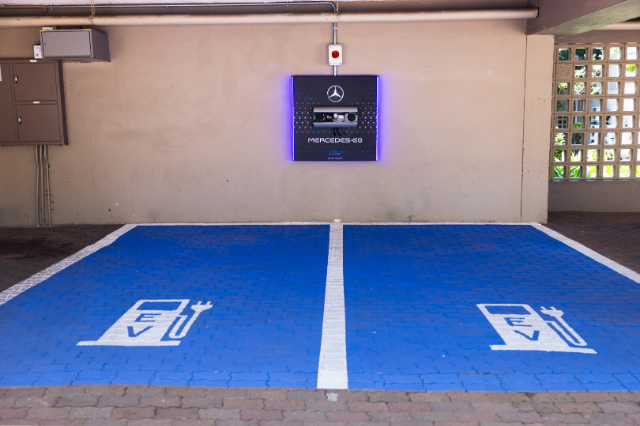
Charging infrastructure is a critical factor influencing the driving experience of electric cars. The availability and convenience of charging stations impact the practicality of long-distance travel. Although charging networks are expanding, they are less ubiquitous than petrol stations. The charging time is another consideration; while electric cars are becoming faster, the process still takes longer than refuelling a petrol or diesel vehicle.
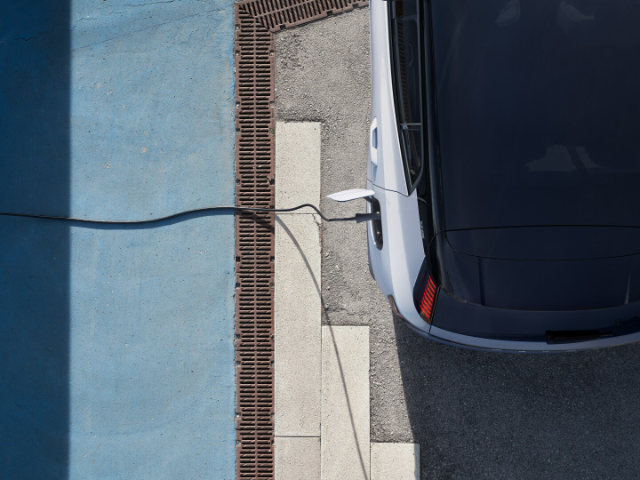
This is perhaps the most significant difference between ICE and EV products, where a more meticulous mobility schedule needs to be put in place by the user, whereby the EV owner should, whenever possible, have their car on charge and treat their vehicle like a giant smartphone. For some, this increased emphasis on planned mobility coupled with the current limitations on the completion of timeous extended trips in an EV will still make an ICE more appealing. Still, for others, an EV may be a good solution.
So, how does it differ?
In summary, the driving experience of an electric car differs drastically from that of an ICE vehicle. The instant torque, quieter operation, and lower maintenance costs contribute to the appeal of electric vehicles. At the same time, challenges such as charging infrastructure, local interest in EVs, high cost prices, range anxiety and resale value continue to present challenges.


