Ferrari California vs Gallardo vs 911: which one has the best infotainment system
Before signing for a used Ferrari California, be sure to know what you're getting in the way of technology. We compare the California's infotainment system against that of the Lamborghini Gallardo and Porsche 911 (997).

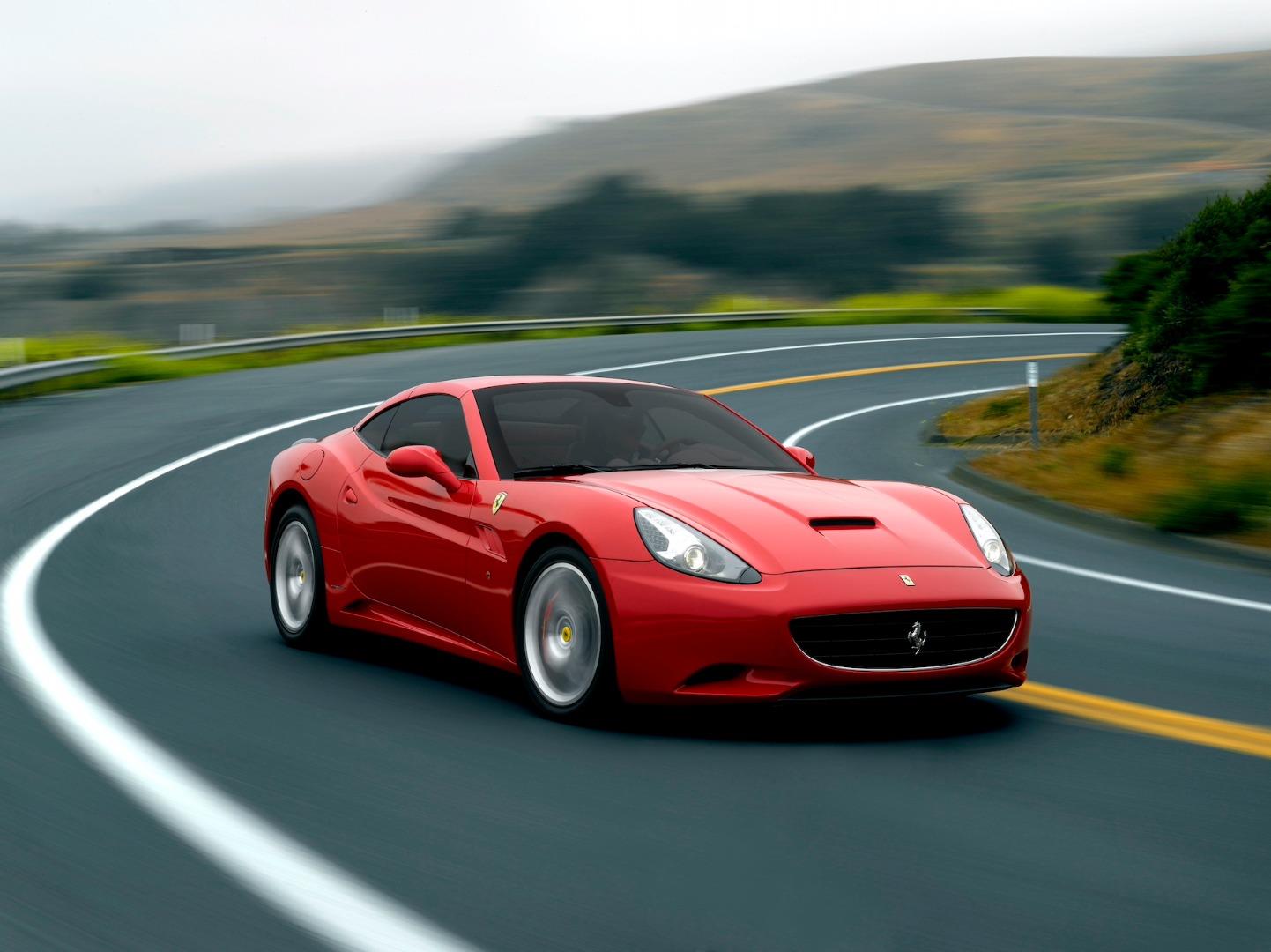

The California is not one of the first models that you think of when one mentions the name 'Ferrari'. One's mind will first go to cars like the LaFerrari and 812 before considering the now-dated entry-point into the Ferrari range. Despite the fact that the California was the first step into the world of Ferrari ownership, it was a rather important car for the firm, offering several firsts for the company.
Related: Ferrari California vs Maserati GranCabrio vs Porsche 911: which one has the lowest running cost?
The California was the first Ferrari to feature a front-mounted V8, it was the first to implement a 7-speed dual-clutch gearbox and was also the first with a folding hardtop and the first with a multi-link rear suspension.
It was originally powered by a 338 kW 4.3-litre V8 engine until it was succeeded by the California T that offered a new powertrain in the form of the 3.9-litre twin-turbo V8 that produces 412 kW.
At the time of its release in 2008, the California was taking on the likes of the Lamborghini Gallardo and the Porsche 911 Turbo. Comparing apples with apples, we're taking a look at the infotainment system of the California and seeing how it stacks up against its contemporary peers.

Ferrari California
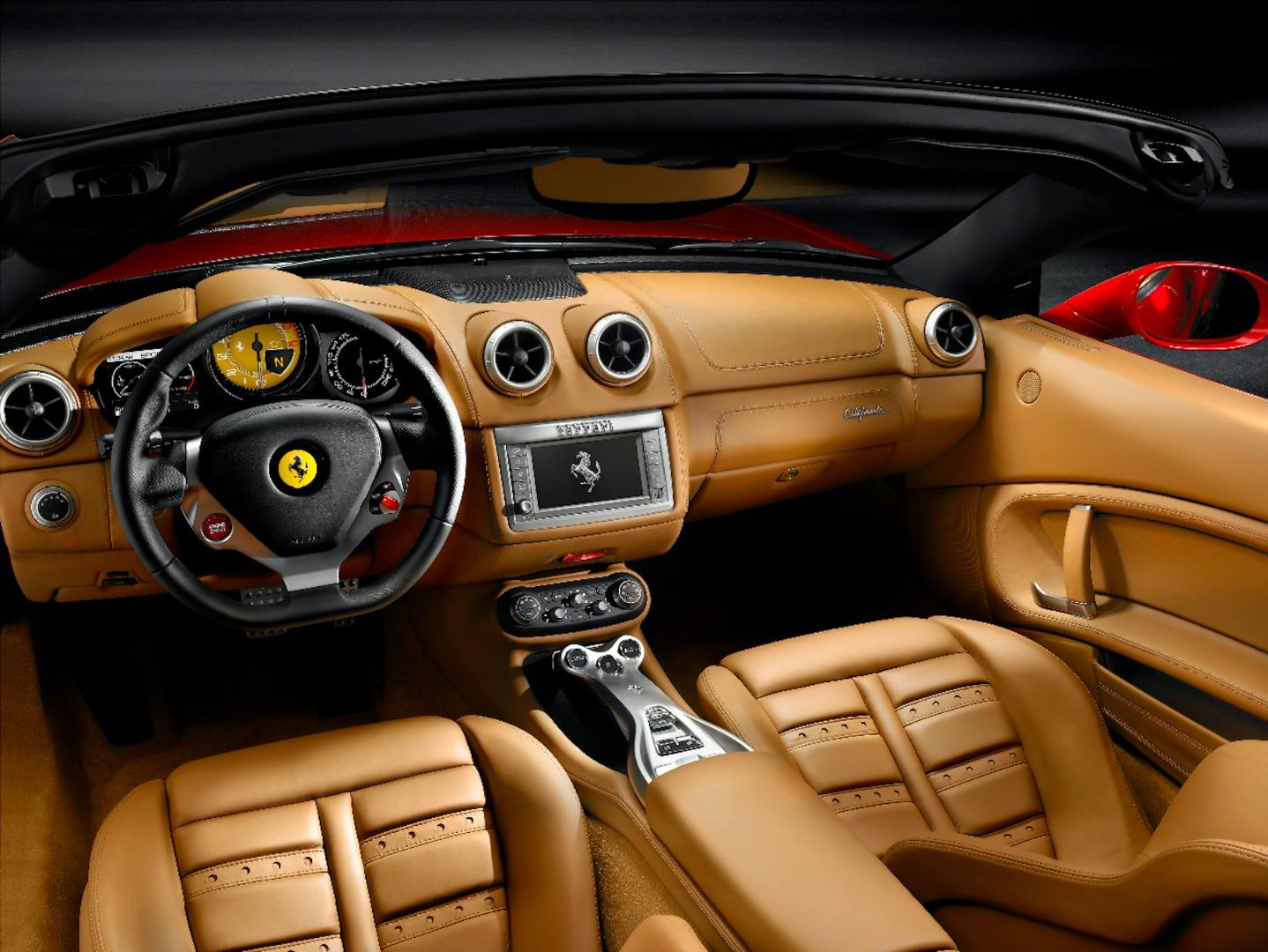
The California is fitted with a 6.5-inch touchscreen infotainment system which was rather progressive for the time period. Many other manufacturers were still fitting simple radio systems but the California charged hard into the world of touchscreen multimedia interfaces.
This unit is located in the centre fascia, in the lower section of the dashboard, well within reach of the driver. The screen is flanked by several shortcut buttons and a single rotary knob for volume control. The silver surround sometimes appears to be out of place in the interior, depending on the selected interior trim combinations but rest assured that this is still a bespoke Ferrari item.

The unit allows for AM/FM reception and will accept input from Bluetooth connections, USB input or AUX input with preparations for iPods. The system also features satellite navigation and has an onboard hard drive for media storage.
The system was updated with the release of the California T in 2015 and saw a revision to the operating system as well as the tactile interface, which now features dual rotary knobs for volume and station tuning. This system was also equipped with Apple CarPlay for smartphone tethering.
Fun Fact: The first production car to ever be sold with Apple CarPlay was the Ferrari FF.

Lamborghini Gallardo
While the Galardo doesn't fit the same mould as the California, if you're looking at buying a used California you're certainly considering a Gallardo at the same time. Both models were on sale during the same period but the Gallardo is an older design by nature. The Gallardo was released in 2003 and as such, the technology matches the time period. As such, it's devoid of any touchscreen infotainment but does feature a sizeable LCD screen with manual controls. This screen forms part of the optional navigation system so don't be surprised to find a tape deck in some models on offer.

This system will offer the standard fare of AM/FM reception but will also include a CD player, SD card slot, and one will often find that the unit has been specced with the optional 6-disc DC changer that has MP3 playback capabilities. The unit will also allow for Bluetooth connections but this feature only allows for telephone functions and does not stream music.
The interface houses a row of shortcut buttons below the screen and off to the side, one finds a rotary knob for scrolling and navigating through the menu system on the screen. It is surrounded by several selector buttons and below that a single volume knob for quick volume adjustments.

Porsche 911 Turbo (997)
The 997 Porsche 911 was a slight return to the traditional styling of the air-cooled Porsche 911, doing away with the 'fried-egg' headlight design and drawing inspiration from the original 911. This didn't mean that all of the 997 range was dated though, they still kept with the times and the 997 was fitted with a modern (for the time) infotainment system and it formed the basis of the PCM that we know today.

Keeping in mind that the 997 was released in 2005, one cannot expect the latest tech and functionality but the 911 is fitted with a standard colour LCD display that will receive both AM and FM band frequencies. It accepted DVDs but requires that the slot be used for the navigation disc when wishing to use the navigation system. The unit is surrounded by a very busy interface with a full numerical dialling pad for the Bluetooth phone connection.
The 2008 facelift saw the system updated to a 6.5-inch touchscreen with a simplified and revised button layout. Audio systems in the 997.1 and 997.2 models play audio through a 9-speaker sound system.