Changan Star Mini Van vs Datsun Go+ vs Renault Triber: Here's our winner.
The micro-niche that is the compact 7 and 8-seat MPV segment has gained some momentum recently with the introduction of the Renault Triber, which takes the fight to the established Datsun Go+ and the lesser-known Changan Star Mini Van 8-seat. We compare the trio to see which one is best.


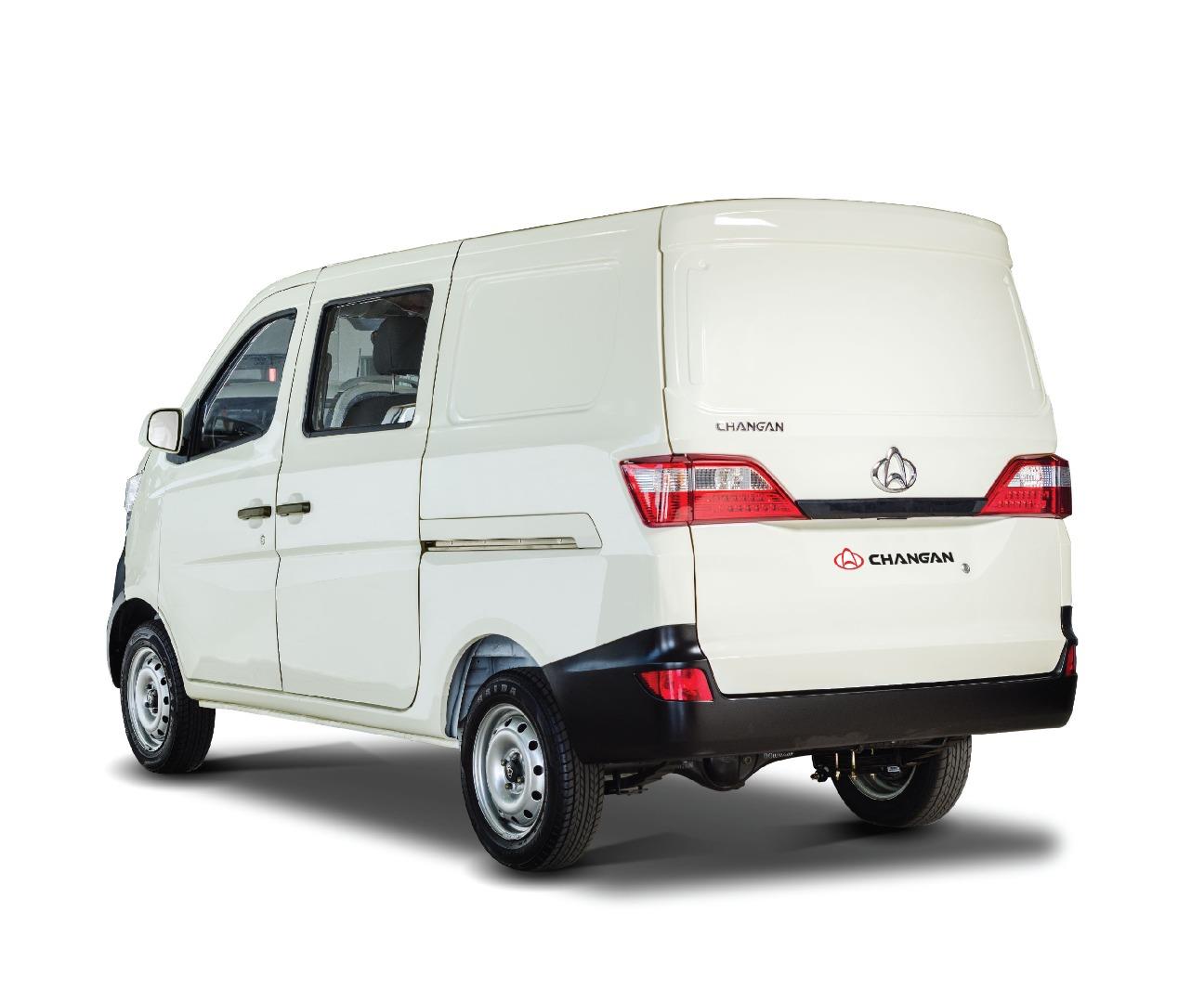
Despite being better known as a small bakkie, the Chinese-made Changan Star range is also sold in both panel van and minivan guise, the latter being the flagship model and the specific variant that we will be using for a comparison today. The Star, in so call Mini Van 8-seat Lux specification
The Star appears perfectly poised to take on the likes of the Datsun Go+ and the Renault Triber, which are both essentially 7-seat versions of budget-friendly hatchbacks, however, the Chinese entrant is more skewed to the light commercial vehicle segment than the passenger car market, which will put it at a disadvantage in this comparison.
To make the comparison fair, we have selected the Triber and Go+ models whose price is closest to that of the Star, meaning that the top-spec Changan goes head-to-head with the mid-spec Go+ and Triber models, respectively.
Related: The 7 cheapest new 7 seaters on the market
The figures
|
|
Changan Star 1.3 Mini Van 8-seat Lux |
Datsun Go+ 1.2 Mid |
Renault Triber 1.0 Expression |
|
Engine |
1.3-litre, 4-cylinder, petrol |
1.2-litre, 3-cylinder, petrol |
1.0-litre, 3-cylinder, petrol |
|
Transmission |
5-speed, manual |
5-speed, manual |
5-speed, manual |
|
Power/torque |
72 kW/ 119 Nm |
50 kW/ 104 Nm |
52 kW/ 96 Nm |
|
Warranty and service plan |
3-year/100 000km warranty |
6-year/150 000km warranty |
5-year/150 000km warranty & 2-year/30 00km service plan |
|
Seating capacity |
8 |
7 |
7 |
|
Boot volume |
Not quoted |
48-litres |
85-litres |
|
Claimed fuel consumption |
6.5 L / 100 km |
5.5 L / 100 km |
5.5 L / 100 km |
|
Price |
R189 880 |
R188 500 |
R183 900 |
Powertrains
Despite all three vehicles in this comparison featuring small capacity, naturally aspirated engines, and relatively low power outputs, however, these products are appealing to some because of their utility space and low fuel consumption figures.
The Changan is the most powerful car here, sporting the highest cylinder count and the biggest displacement, however, it is also the heaviest at 1 175kg and consumes the most fuel. The Star’s claimed top speed is just 120 km/h, which is less than the 161 km/h claimed by Datsun and the 140 km/h+ of the Renault, which is sure to make freeway driving a pain in the Mini Van.
Both the Renault and the Datsun shine in terms of their fuel consumption figures, with both consuming unleaded at a rate of 5.5 L/100km. This is a result of their low kerb weights of 837kg for the Go+ and 926kg for the Triber in combination with their small capacity engines and longer gear ratios versus the Changan.

Dimensions
All three cars here are designed to provide as much usable space as possible on a relatively short wheelbase. The Changan measures 3 980mm long, 1 620mm wide, 1 890mm tall and has a wheelbase of 2 560mm. By comparison, the Go+ measures 3 995mm long, 1 636 wide, 1 507 tall and has a wheelbase of 2 450mm, which is similar to the Changan, which offers one additional seat and is a noticeable taller vehicle. The Triber is closer to the Changan in terms of measurements, being 3 990mm long, 1 739mm wide, 1 662mm tall and featuring a wheelbase that measures 2 636mm, making the Renault the better vehicle for those looking for more space per passenger.

Features
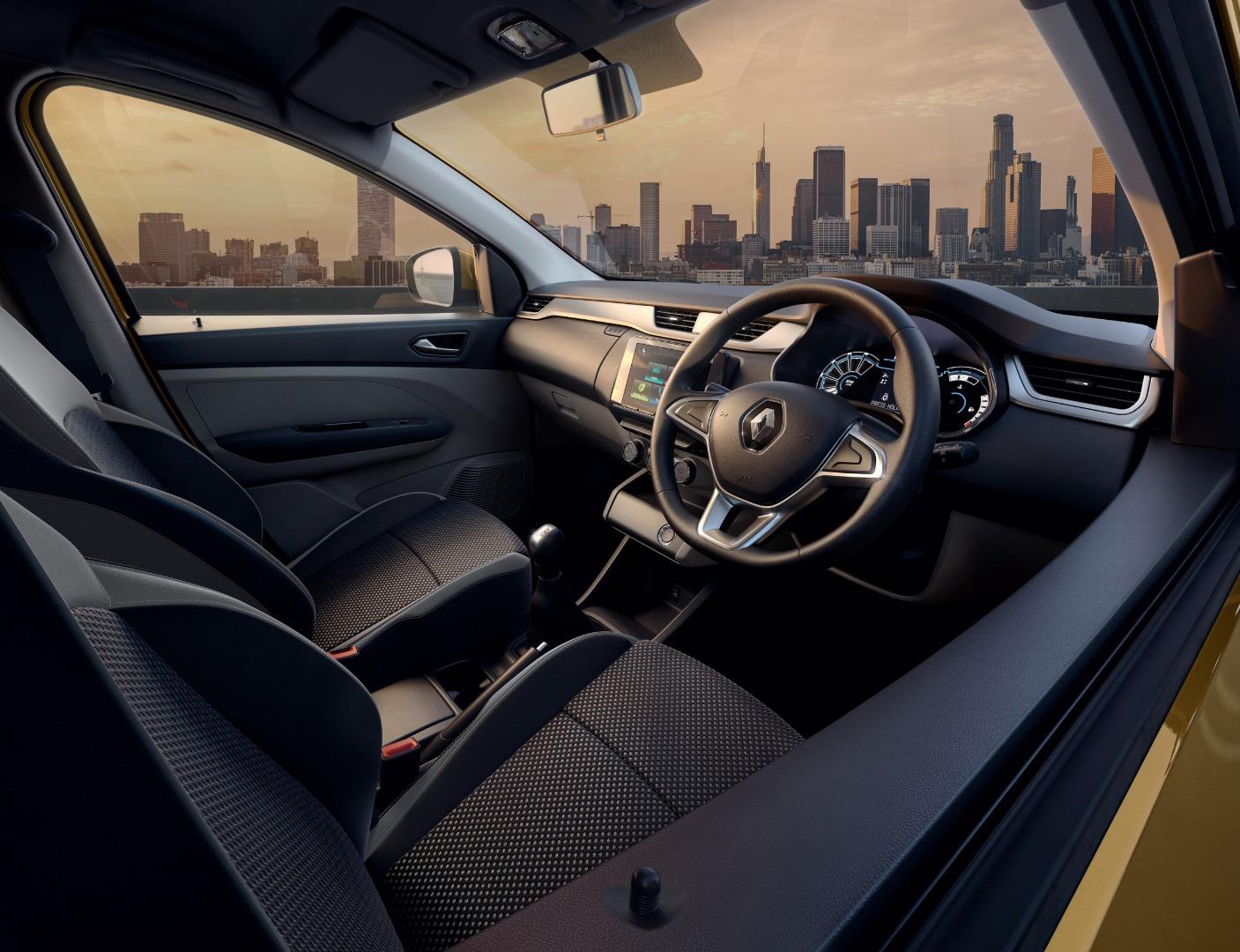
The Changan again takes a bit of a beating from the Datsun and Renault in the specification department. The Datsun offers features such as rear Park Distance Control (PDC), a touchscreen infotainment system with smartphone integration, AUX input, USB connectivity, front and rear electric windows and electrically adjustable mirrors. The Triber, in Expression guise, also gets rear PDC but loses out on the touchscreen infotainment system which is available in the slightly more costly Dynamique model. The Triber fights back though, with remote central locking, Bluetooth/USB/AUX connectivity and front electric windows. The Changan must make do with basic features such as front electric windows, an AUX port, front fog lamps and airconditioning.

Safety
While none of the entrants in this trio can be considered safe by modern standards, the Datsun ad Renault feature basics safety systems such as ABS and two front airbags. These features are absent in the Changan, which is concerning.

Warranty and service plan
The Renault is the only entrant to offer a service plan as standard, providing two services at no cost to the owner while providing the second-best warranty at 5-years/150 000km. The Datsun foregoes a standard service plan but offers the longest warranty at 6-years/150 000 while the Changan is a long way off in third, offering a meagre 3-year/100 000km warranty and no standard service plan.
Conclusion
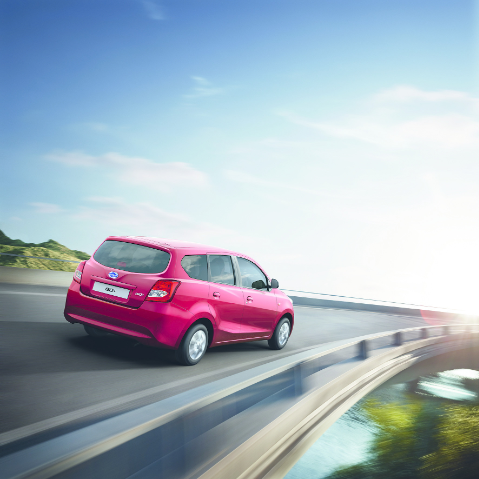
The small MPV segment is certainly growing, with both the Datsun Go+ and Renault Triber offering viable products for both private and commercial use. The Changan, as we have seen in today's' comparison, is outclassed by newer, better competition, even though it offers the most seating.
Having looked at the figures closely, it becomes clear that the Datsun and Renault are remarkably close as competitors. It is however the newer and bigger Triber that takes victory on this occasion. It is the cheapest model compared here today and for R10 000 more, the Dynamique model adds improved specification to the package, undercutting the Go+ in Lux guise by some R7 000 in the process.
Recommended next:
New vs used Changan Star 2: what are the top 3 differences?
Renault Triber test drive: make sure to check these features out