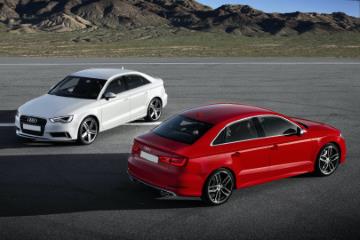
Audi RS Q3 vs Jaguar E-Pace vs BMW X2 M35i: which one is the best value for money?
The latest iteration of Audi’s small performance SUV is here and is available in ‘regular’ and Sportback guise for the first time. With no direct rivals locally, we have selected two small SUVs of a similar price to determine how the Audi stacks up in terms of value.

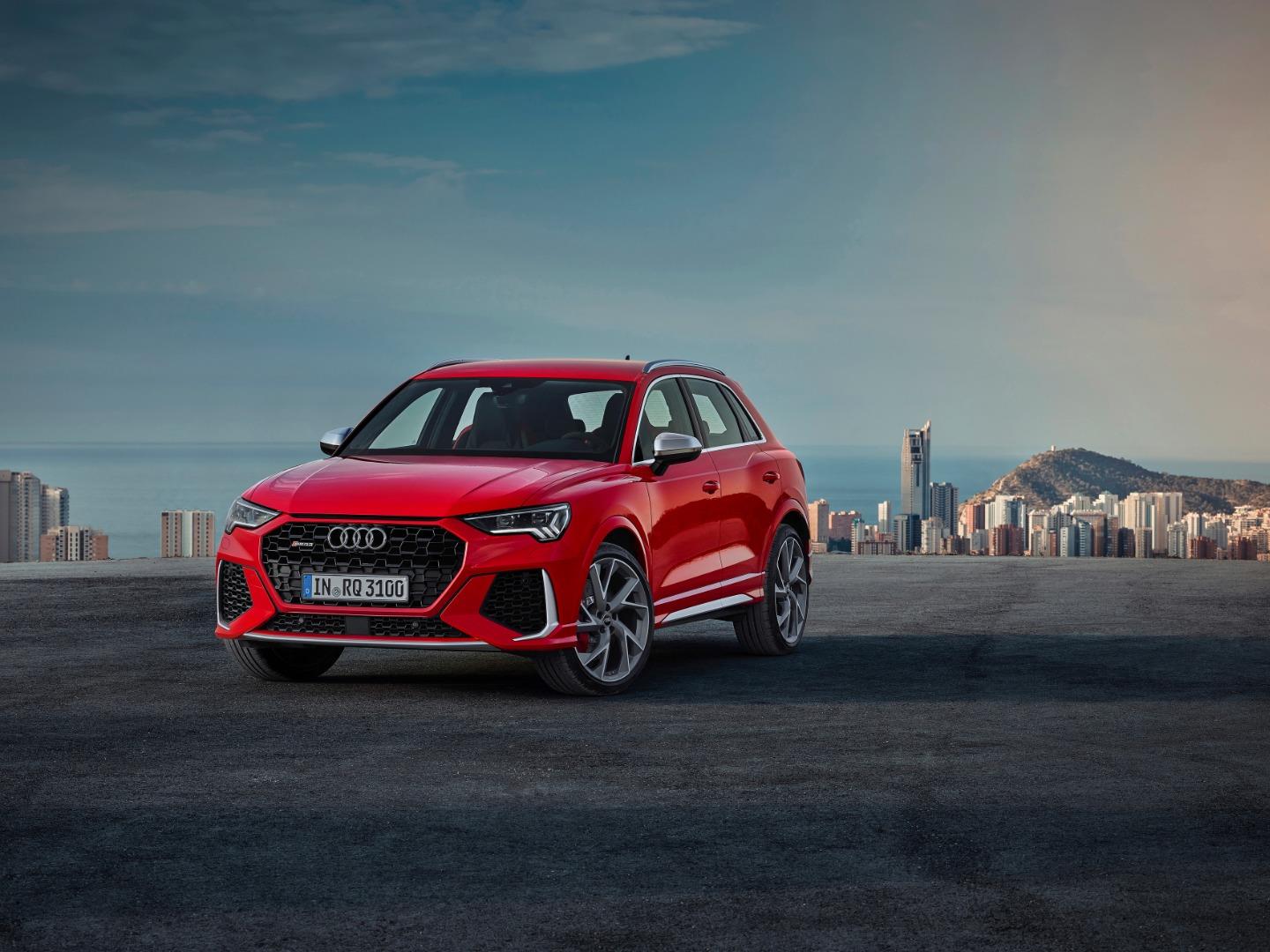
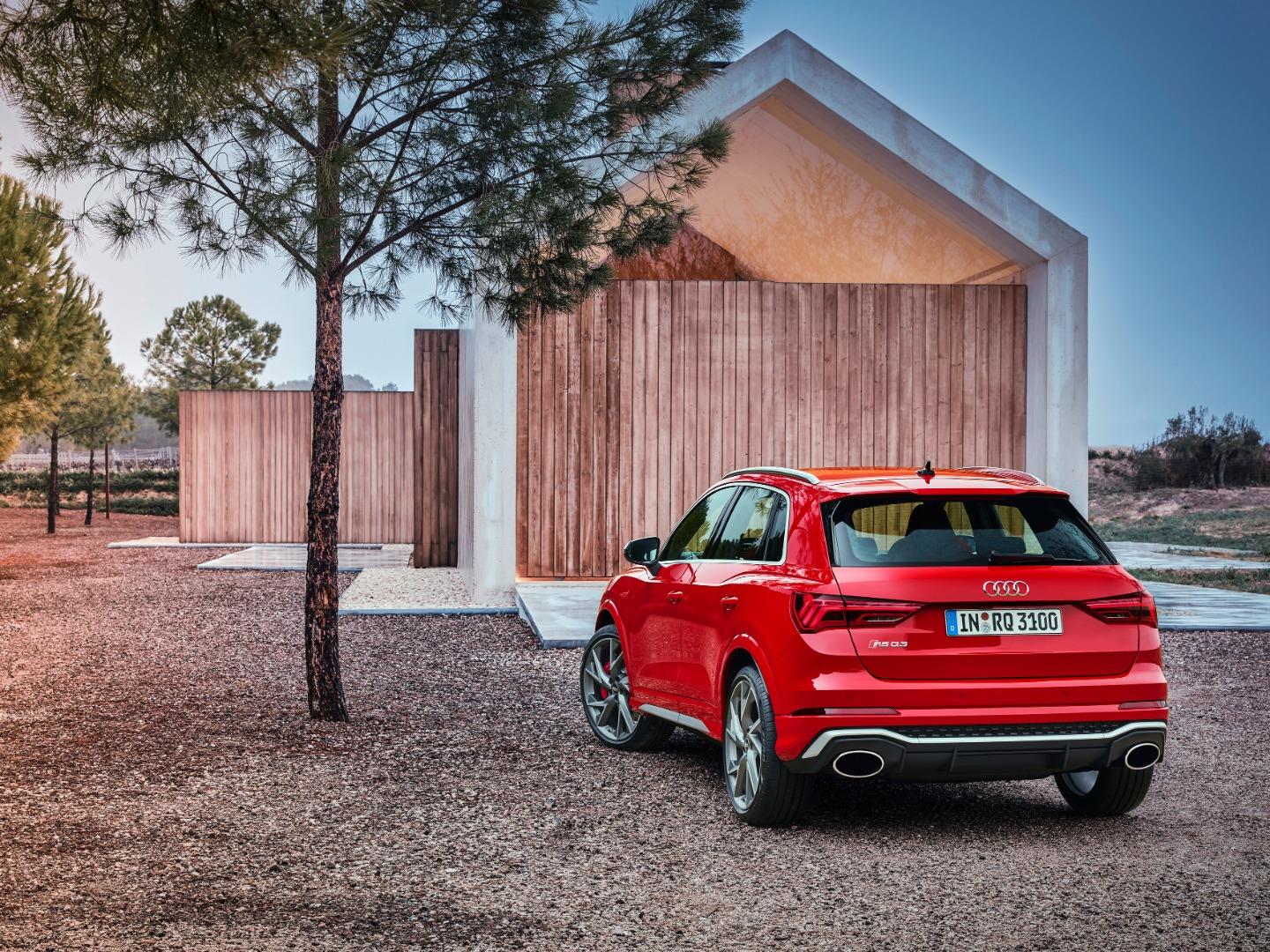
Performance SUVs have grown in popularity significantly over the past decade, now coming in all shapes and sizes. One of the more convincing dynamic SUVs was the Audi RS Q3 8U model that was sold between 2013 and 2016. The model was successful because it offered similar dynamics to what was then a relatively blunt 8P RS3 model while being more practical and offering the desired raised ride height of an SUV.
Fast forward to 2019 and the new F3 RS Q3 was released and has taken a couple of years to reach local shores, however, it is now here, offering improved packaging, more performance and better specification than the car that it replaces.
The RS Q3 models appear as unique offerings within the market, with no direct rivals at present. We have therefore chosen a newcomer in the form of the updated Jaguar E-Pace P300e with its fancy hybrid powertrain and an established competitor in the form of the sporty BMW X2 M35i, providing one rival that is cheaper and one that is more costly. Our goal is to determine which one from this trio represents the best value for money.
The competitors
|
|
Audi RS Q3 quattro |
Jaguar E-Pace p300e AWD R-Dynamic SE |
BMW X2 M35i |
|
Engine size |
5-cyl, 2.5-litre turbo petrol |
3-cyl, 1.5-litre turbo petrol with an electric motor |
4-cyl, 2.0-litre turbo petrol |
|
Power/Torque |
294 kW/480 Nm |
227 kW/540 Nm |
225 kW/450 Nm |
|
Kerb Weight |
1 715 kg |
2 098 kg |
1 585 kg |
|
0-100km/h |
4.5 sec |
6.5 sec |
4.9 sec |
|
Airbag count |
6 |
6 |
6 |
|
Driven wheels |
All |
All |
All |
|
Load Volume |
530-litres |
577-litres |
470-litres |
|
Price |
R1 094 000 |
R1 196 100 |
R939 474 |
|
Claimed consumption |
9.0 L/100 km |
2.0 L/100 km |
7.4 L/100 km |
|
Maintenance plan |
5 yr/100 000 km |
5 yr/ 100 000km |
5 yr/100 000 km |
Comparing the trio
Practicality
These compact crossovers are likely to be owned by those looking for a relatively practical vehicle with performance high on the list of priorities. From an exterior dimensions perspective, the Audi is the longest, but the Jaguar is the widest and the tallest while the BMW is the lowest with all three featuring similar wheelbase lengths.
All three offer seating for five occupants and come with split-folding rear seats. When comparing the boot space, the Jaguar comes out on top, with 47-litres more volume than the Audi and 107-litres more than the BMW. Both the BMW and the Audi offer over 1 500-litres of loading space with the rear seats folded flat while the Jaguar sports just 1 234-litres on account of its battery pack, which takes up space.

Power and performance
All three competitors come with all-wheel drive, however, that is where the similarities end. The Audi is powered by the brand’s EA855 evo engine, displacing 2.5-litres, featuring five cylinders and a relatively large turbocharger for a potent power output of 294kW and 480Nm of torque. Paired with this sonorous powertrain is a 7-speed dual-clutch gearbox, allowing for impressive performance, including a 4.5 second 0-100km/h time.

The Jaguar is quite different, with a 1.5-litre turbocharged engine paired with an 8-speed automatic gearbox. This powertrain works in tandem with an electric motor to produce a combined 227kW and 540Nm of torque. While performance is down versus the Audi, the Jaguar has a nifty party trick, being able to drive up to 68km on all-electric power alone, helping it achieve a claimed fuel consumption figure of just 2.0L/100km.
The BMW appears outgunned in this comparison; however, its figures are still respectable, with its 2.0-litre turbocharged motor producing 225kW and 450Nm of torque. The 8-speed Aisin-sourced gearbox and clever xDrive all-wheel drive system allow for a brisk sub-5.0 second 0-100km/h time and a fuel consumption figure that places it second in this comparison.
Specification
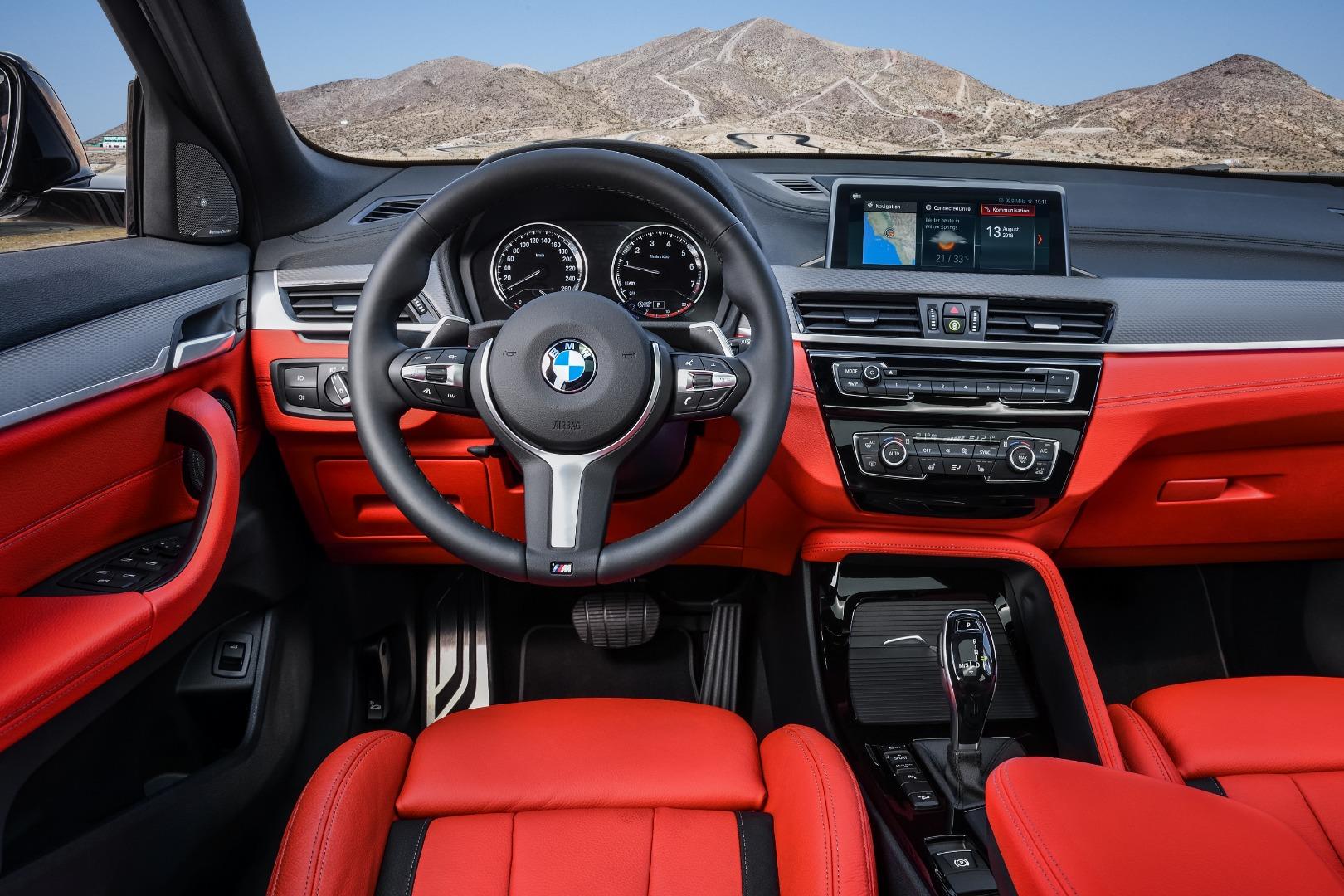
From a specification perspective, all three models come with alloy wheels, however, the Jaguar and BMW with 19-inch items and the Audi with larger 21-inch wheels. The trio all get the luxury car basics such as climate control, cruise control, multiple airbags, ISOFIX child seat anchor points, colour touchscreen infotainment systems with Apple CarPlay and Android Auto functionality and LED headlights (Matrix LED in the Audi).
The Jaguar gets added niceties such as electrically operated front seats, an electric tailgate, blind spot warning and lane change assist versus just the lane departure warning in the Audi, which gets a point back with the inclusion of keyless entry as standard, an option on both the Jaguar and BMW. Both the Jaguar and Audi get front and rear Park Distance Control and leather seats too, while the BMW has to make do with suede and cloth seats as standard.

Safety
For today’s comparison, we will be using the Euro NCAP assessment programme when comparing the safety ratings of each contender as this programme has tested each vehicle. The RS Q3 forms part of the larger Q3 line-up which was tested back in 2018 where it scored the maximum 5-Stars, including 95% for adult occupant safety, 86% for child occupant safety, 76% for pedestrian safety and 85% for its safety assistance systems.
The E-Pace is nearly as safe, having been tested in 2017 where it too scored 5-Stars, but received 86% for adult occupant safety, 87% for child occupant safety, 77% for pedestrian safety and 72% for its safety assistance systems. The X2, which shares its platform with the X1, was tested back in 2015 where it too scored 5-Stars, achieving 90% for adult occupant safety, 87% for child occupant safety, 74% for pedestrian safety and 77% for its safety assistance systems.
Warranty & maintenance plan
All three of these contenders are sold with 5-year/100 000km maintenance plans as standard, making their respective warranties of less importance. Therefore, this area of comparison sees a tie between the three vehicles, as all an owner will need to worry about during the first five years of ownership is fuel and tyres on all three of these vehicles.
Verdict
Having looked at the figures it becomes clear that the three products used for this comparison are quite different, but are still rivals from a price, dimensions and general appeal perspective. The BWW is the cheapest, yet features the least specification, but comes second in several areas, splitting the Audi and Jaguar on opposite sides of performance and fuel consumption.
The Jaguar features the most standard specification and has the biggest boot but is the most expensive. The E-Pace also benefits from being the most frugal and technologically advanced in terms of its powertrain. That leaves the Audi, the vehicle that sits in the middle in terms of price, specification and size but wins in terms of performance while being the heaviest on fuel. In today’s comparison, the RS Q3 takes the victory as it appears to offer the most compact SUV for the money.