Toyota Starlet Buyer's Guide (2020-2026)
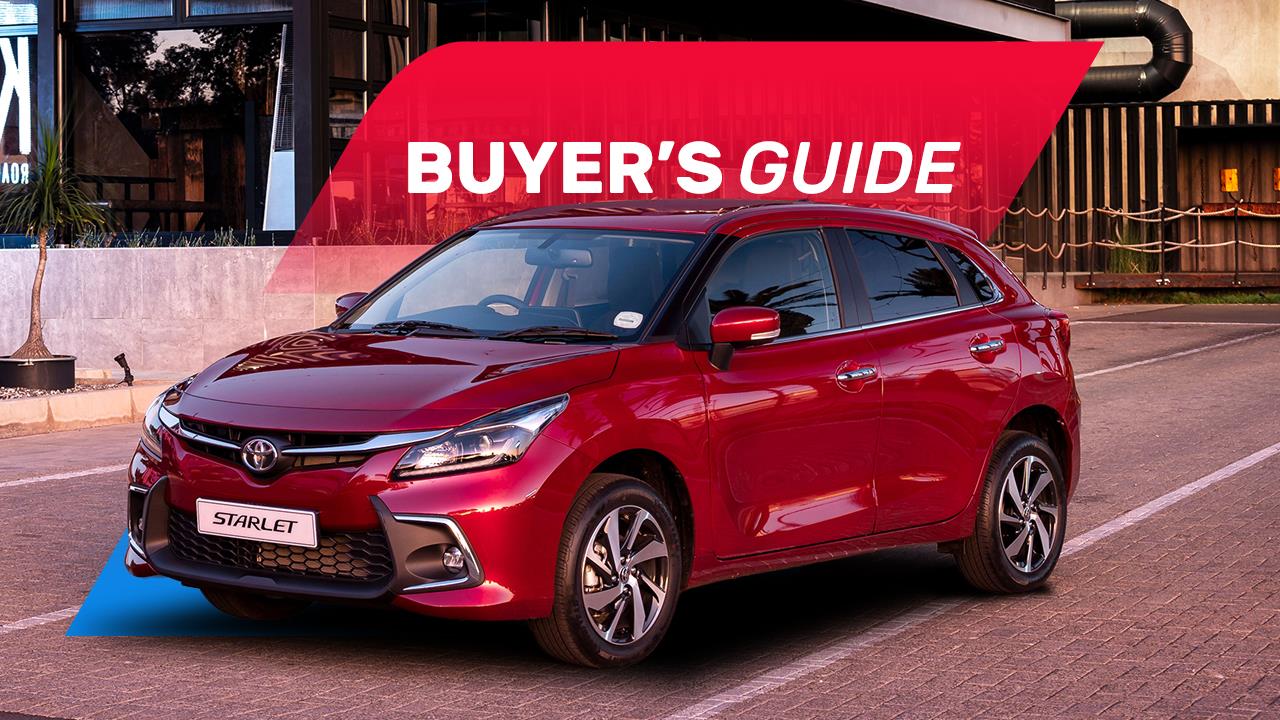
The Toyota Starlet sits just above the entry point of Toyota's product portfolio, and, as you might expect, it offers a lot of value. Find out what you should be looking for before buying a Toyota Starlet in this complete buyer's guide.

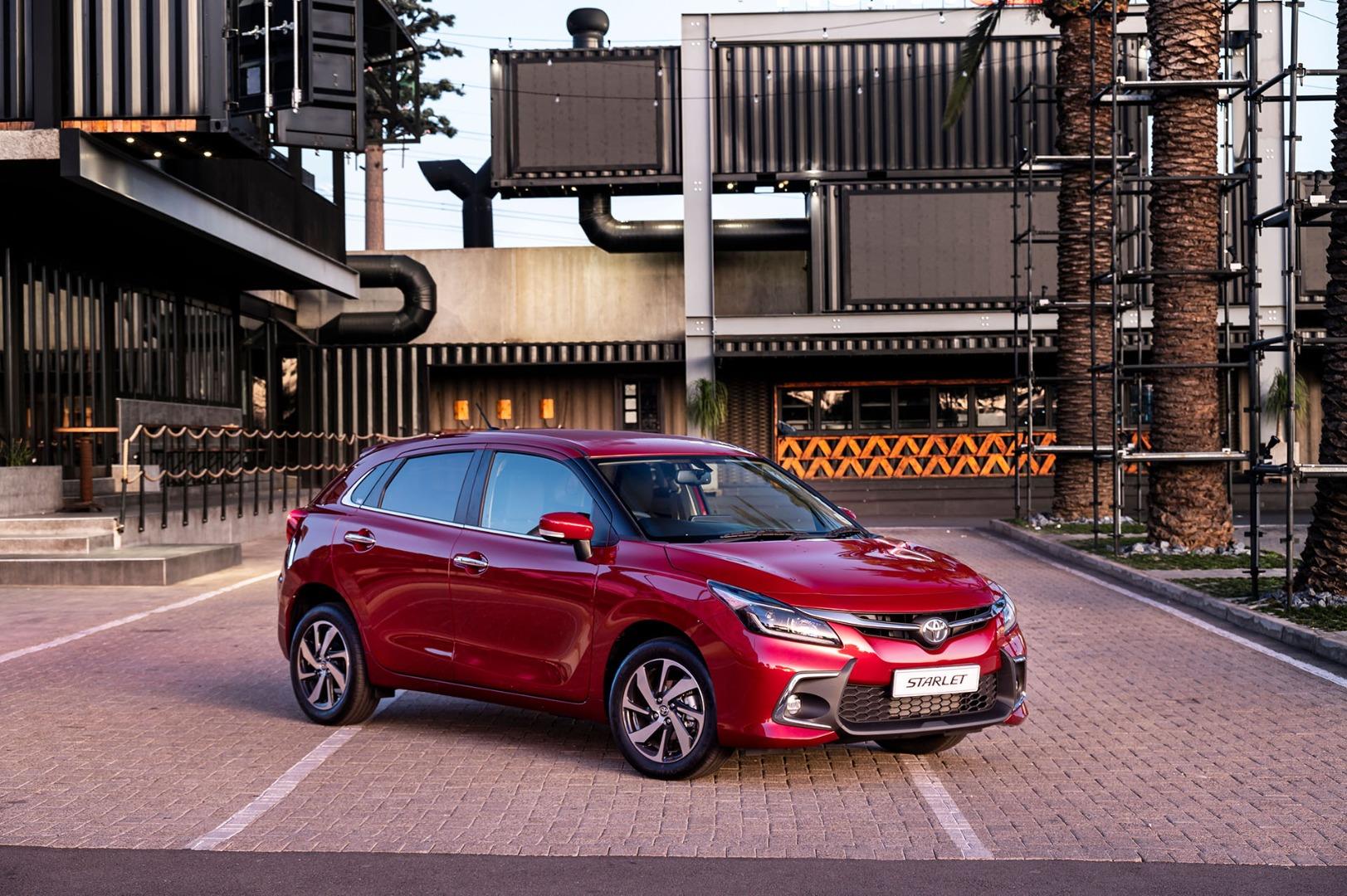
Whether you're a first-time buyer looking for an affordable, reliable hatchback, a budget-conscious family seeking dependable transport, or someone who values Toyota's reputation for longevity, this guide breaks down everything you need to know about the Toyota Starlet.
Toyota Starlet model line-up
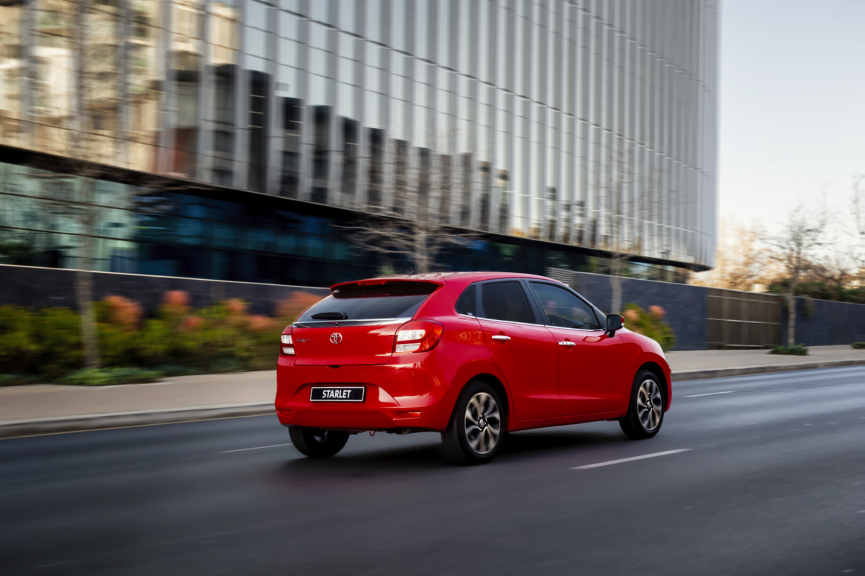
The current-generation Starlet was introduced to South Africa in 2020 as a rebadged Suzuki Baleno, built on a partnership between Toyota and Suzuki. The Starlet replaced the Etios and the subsequent Agya hatchbacks as an affordable entry-level offering in Toyota's local lineup.
2020–2022 Models (1.4-litre engine)
The original launch featured a 1.4-litre K14B petrol engine producing 68 kW and 130 Nm, offered across three trim levels:
Starlet 1.4 Xi (Manual)
- Entry-level model with 5-speed manual transmission.
- Fuel consumption: 5.1 L/100 km (claimed).
Starlet 1.4 XS (Manual/Auto)
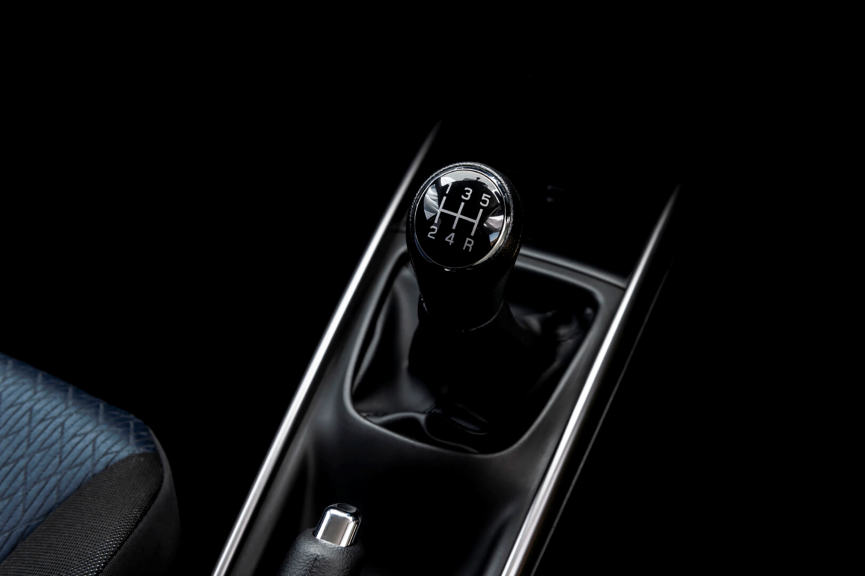
- Mid-level trim available with 5-speed manual or 4-speed automatic.
- Fuel consumption: 5.1 L/100 km (manual) / 5.4 L/100 km (auto).
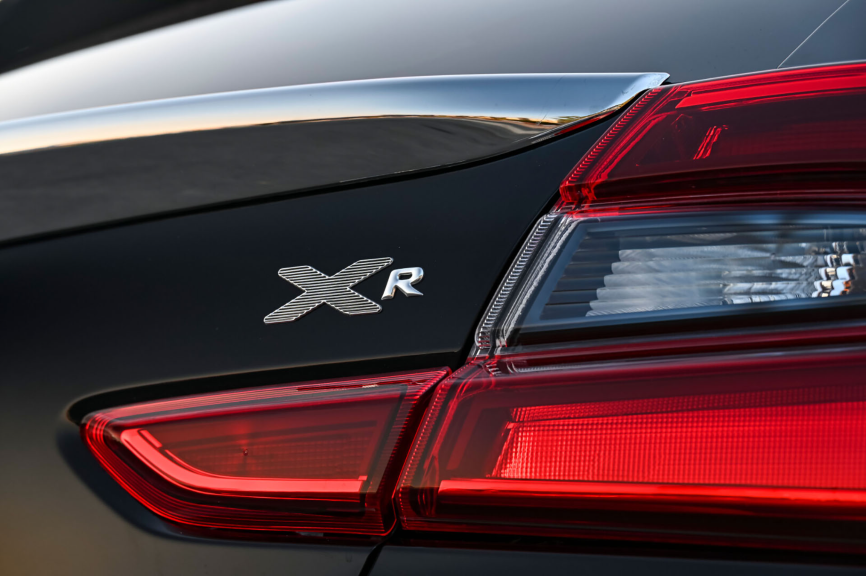
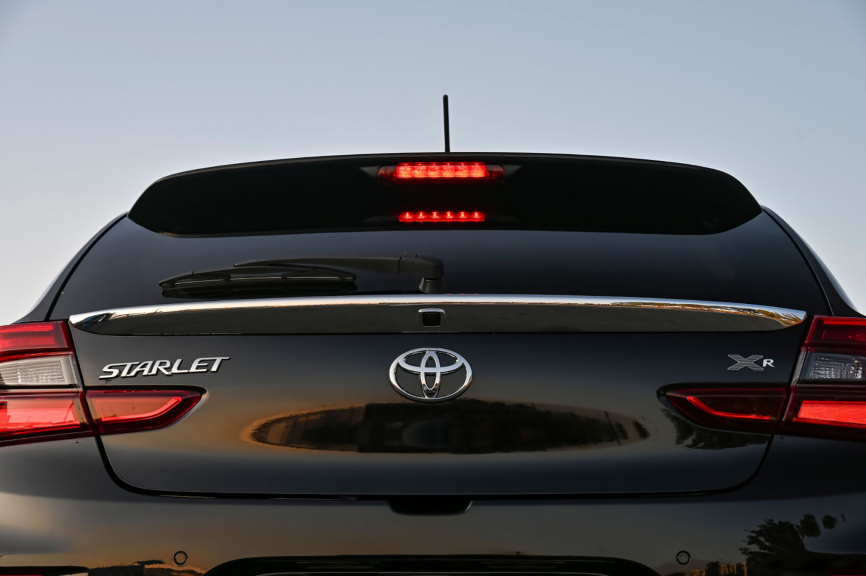
Starlet 1.4 XR (Manual/Auto)
- Top-spec model with 5-speed manual or 4-speed automatic.
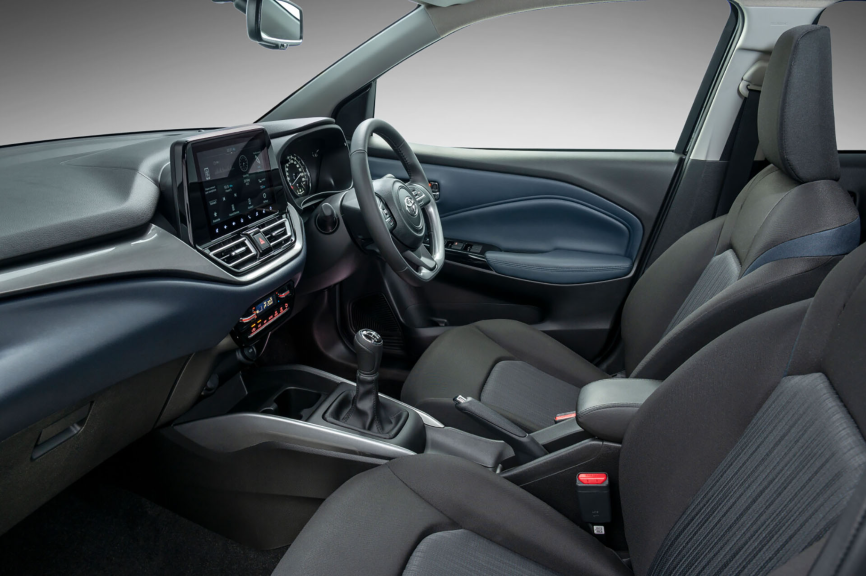
- Added features: touchscreen infotainment, rear parking sensors, alloy wheels.
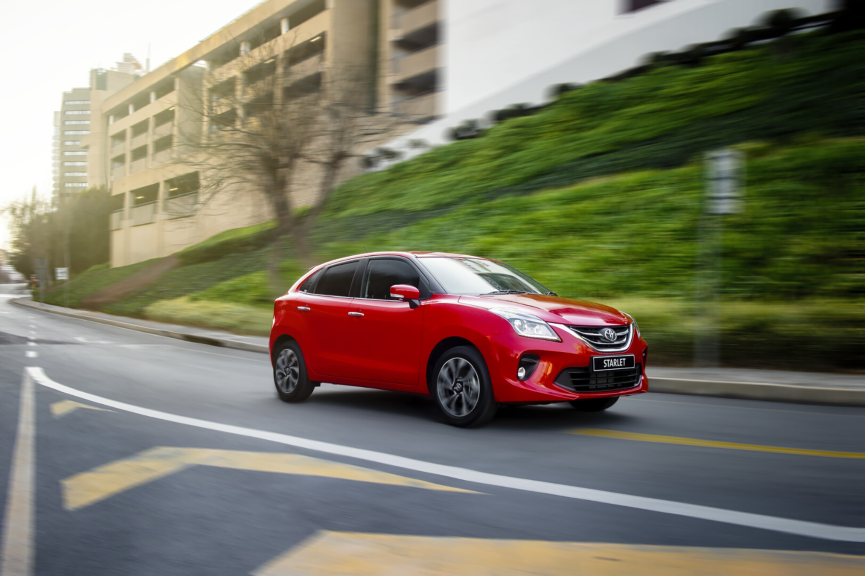
2022–2024 Facelifted Models (1.5-litre engine)
In 2022, Toyota updated the Starlet with a larger 1.5-litre K15B engine and kept the three-grade strategy:
Starlet 1.5 Xi (Manual)
- 77 kW and 138 Nm with a 5-speed manual.
- Fuel consumption: 5.4 L/100 km.
Starlet 1.5 XS (Manual/Auto)
- Available with 5-speed manual or 4-speed automatic.
- Fuel consumption: 5.4 L/100 km (manual) / 5.7 L/100 km (auto).
Starlet 1.5 XR (Manual/Auto)
- Top-spec variant with 5-speed manual or 4-speed automatic.
- Enhanced features over XS.
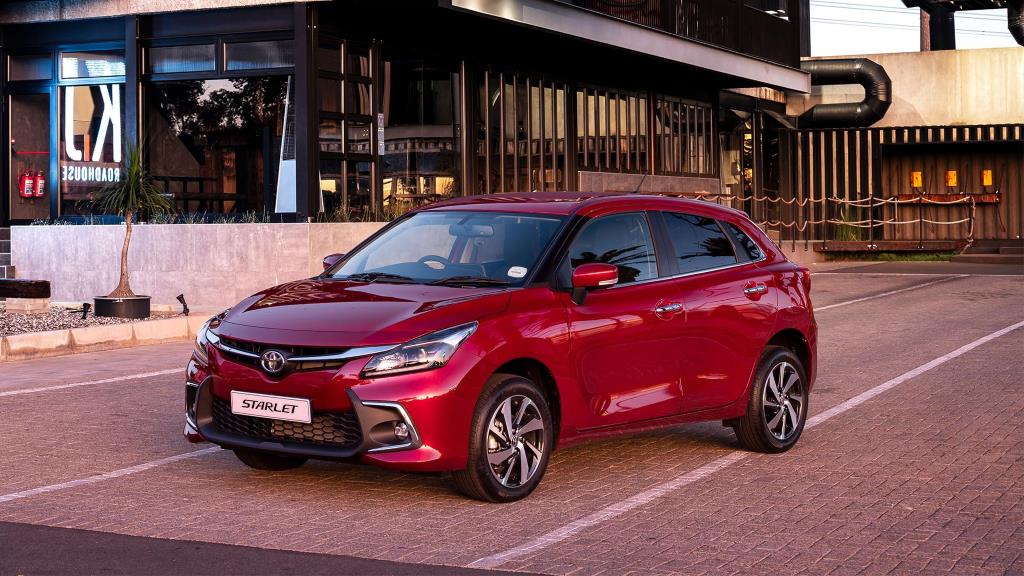
2025–Present (Six-Airbag Safety Update)
Following zero-star crash test results for the earlier two-airbag specification, Toyota updated the Starlet range in September 2025:
- Six airbags are now standard across all models (front, side, and curtain airbags).
- Service plan upgraded from 3 services/45,000 km to 4 services/60,000 km.
- Service intervals remain at 15,000 km.
- Same five-variant lineup (Xi manual, XS manual/auto, XR manual/auto).
Engine & drivetrain
1.4-litre K14B Petrol (2020–2022)
Engine & Production Era: 2020–2022 (first-generation Starlet in SA)
Strengths
- Proven, naturally aspirated engine with excellent reliability track record.
- Simple design with fewer complex components to fail.
- Low claimed fuel consumption: 5.1 L/100 km (manual) / 5.4 L/100 km (auto).
- Adequate for urban driving and daily commuting.
Common Problems
- Carbon build-up and pre-ignition: Can occur with poor fuel quality or irregular servicing.
- Rough idling: Idle control valve blockage reported in some cases.
- Power delivery: The 68 kW output can feel underpowered, especially with the automatic transmission and full load.
- Four-speed automatic: An outdated transmission which can feel sluggish and impact fuel economy.
1.5-litre K15B Petrol (2022–Present)
Engine & Production Era: 2022–present (facelifted Starlet)
Strengths
- More powerful: 77 kW and 138 Nm, a noticeable improvement over the 1.4.
- Broad torque band makes overtaking and highway driving more confident.
- Suzuki-developed engine with proven reliability globally.
- Good claimed fuel economy: 5.4 L/100 km (manual) / 5.7 L/100 km (auto).
Common Problems
- Limited service history: As a newer engine in the SA market, long-term reliability data is still emerging.
- Four-speed automatic remains: While adequate, competitors offer more modern CVT or six-speed auto options.
- Electronic issues: Some owners report minor sensor faults and warning lights (typical of modern vehicles).
South African note: Use 95 octane fuel for optimal performance and to mitigate pre-ignition and carbon buildup. The K15B engine copes well with SA fuel quality, but regular servicing is crucial to prevent carbon build-up.
Driveline & Suspension
Strengths
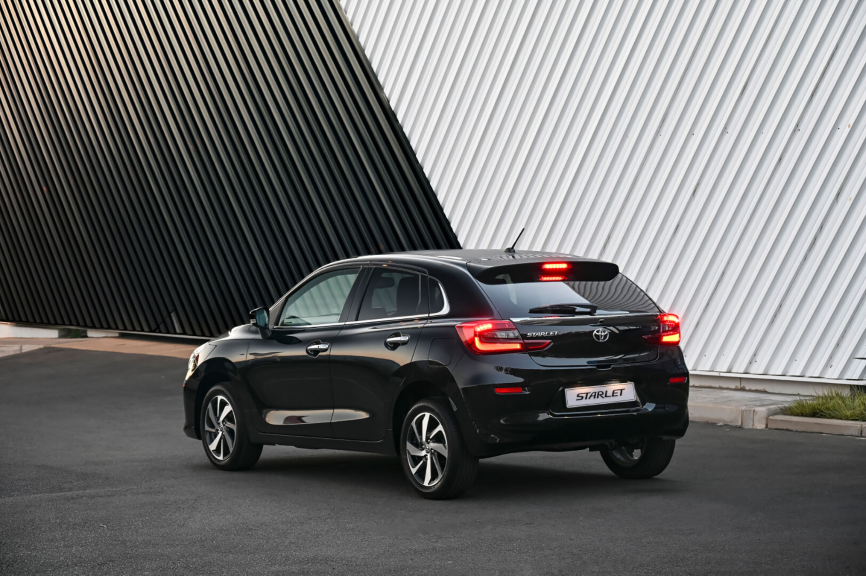
- Comfortable ride quality: Suspension is tuned for SA road conditions with reasonable ground clearance (150 mm).
- Light steering makes city driving and parking easy.
- Standard safety features: VSC (Vehicle Stability Control), hill-start assist, ABS with EBD.
- Compact dimensions: Easy to manoeuvre in tight spaces.
Common Problems
- Tyre wear: Lightweight construction and front-wheel-drive layout can lead to uneven front tyre wear if alignment is neglected.
- Brake dust: Front brake pads generate significant dust; regular cleaning is recommended.
- Suspension noise: Some owners report creaking over rough roads; check bushings and shock absorbers during inspection.
Critical Safety Information
Global NCAP Crash Test Results (Pre-2025 Models)
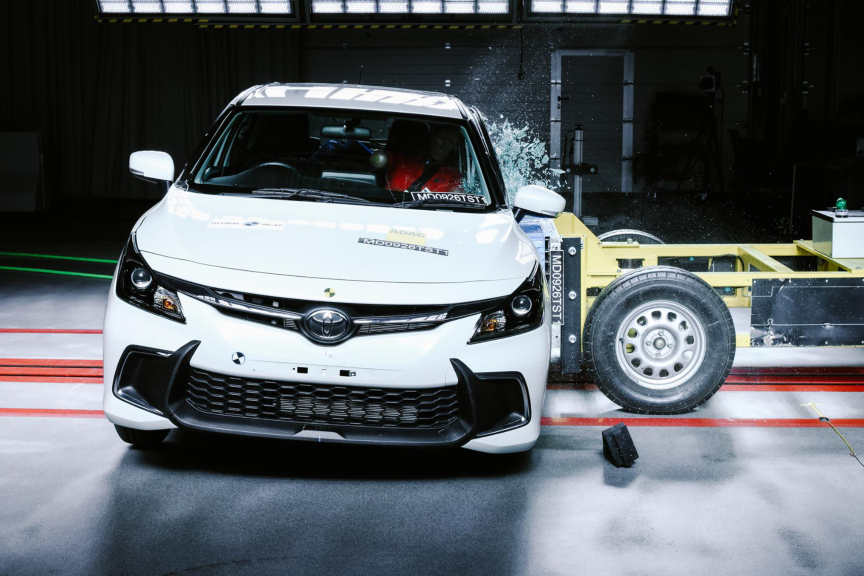
Important: In May 2026, Global NCAP's #SaferCarsForAfrica programme tested the pre-update Toyota Starlet and awarded it a zero-star rating for adult occupant protection.
Key findings:
- In the side impact test, both head and chest protection were rated as poor. Abdomen protection was rated as adequate.
- The footwell area and bodyshell were found to be unstable and not capable of withstanding further loadings.
- The side pole test was not conducted as side head protection airbags are not fitted as standard.
- In the frontal impact assessment, the head of the three-year-old dummy made contact with the vehicle interior and the chest protection was rated as low.
- In the side impact assessment, the head of the three-year-old dummy was exposed to impact.
Toyota Response and 2025 Safety Update
Toyota South Africa stated that the tested model was an "obsolete specification" not representative of the current Starlet. In September 2025, Toyota upgraded the entire range:
- Six airbags now standard: Front, side, and curtain airbags across all Xi, XS, and XR models.
- Structural improvements: Toyota claims compliance with global safety standards, though updated crash test results have not yet been published.
Buyer Advice
Check for SRS markings: If buying a used pre-2025 Starlet, verify whether it has the six-airbag specification by checking for SRS (Supplemental Restraint System) markings on the B-pillars and dashboard.
Strongly consider 2025+ models: The safety upgrade significantly improves occupant protection.
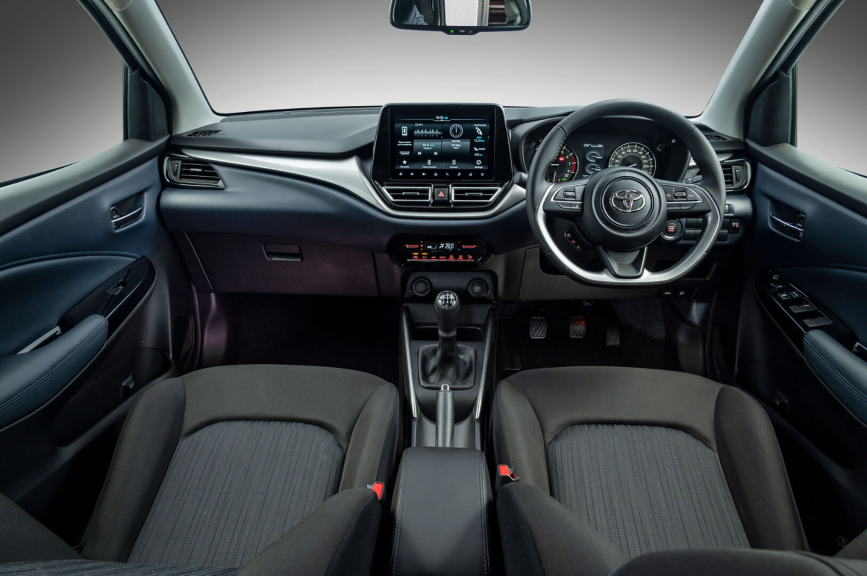
Exterior & Interior
Strengths
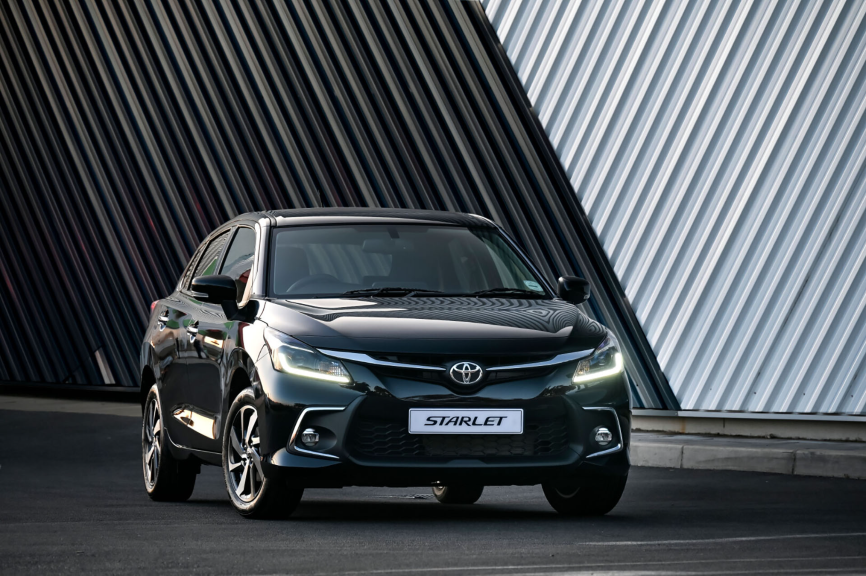
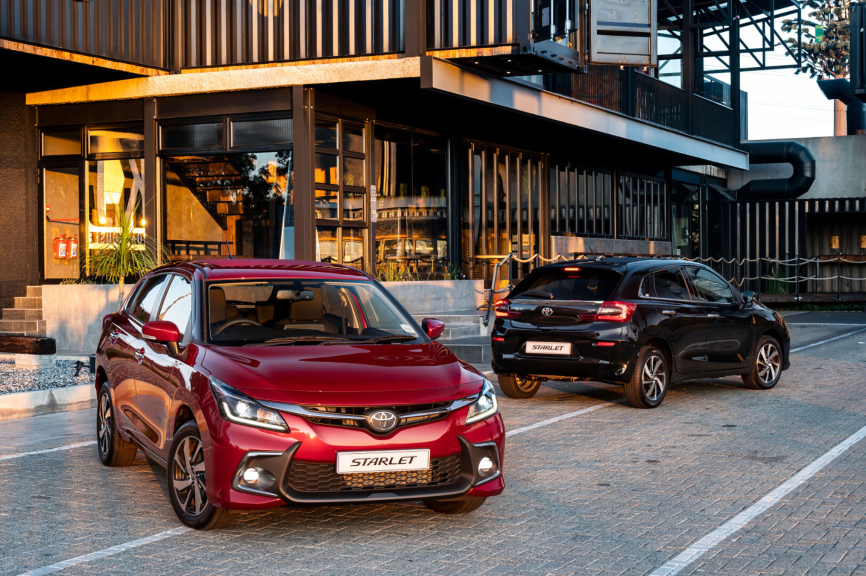
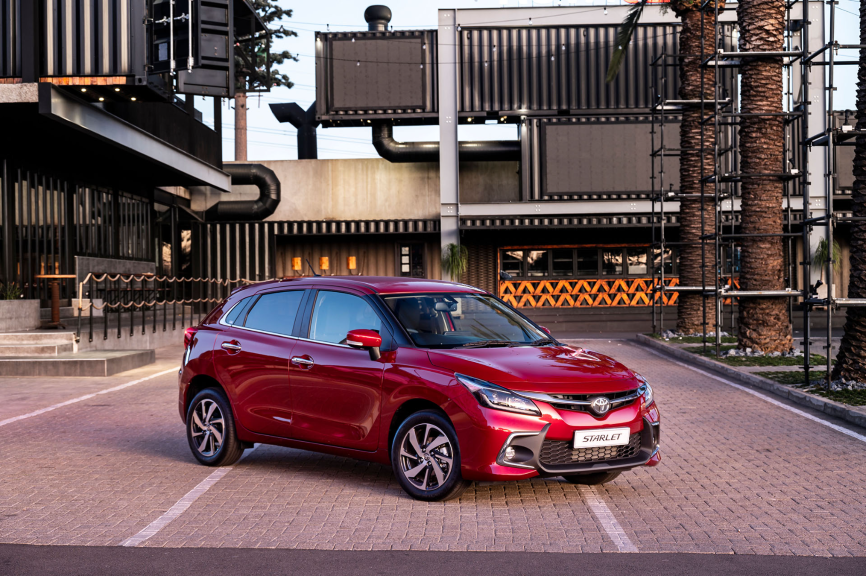
- Modern, appealing design: Attractive front grille and LED headlights (XR models).
- Spacious cabin: Good headroom and legroom for a compact hatchback.
- Boot capacity: 314 litres, competitive in its class.
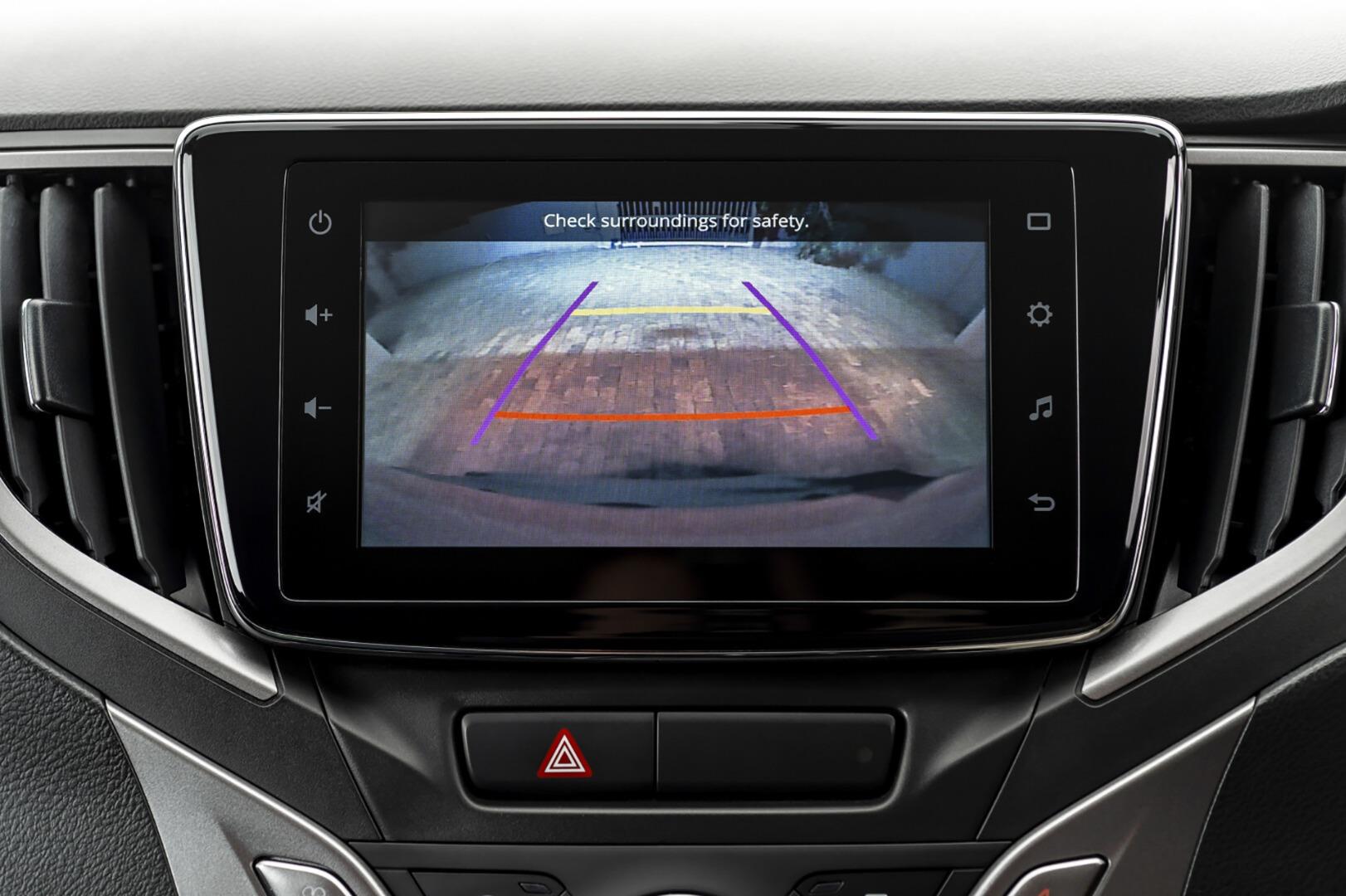
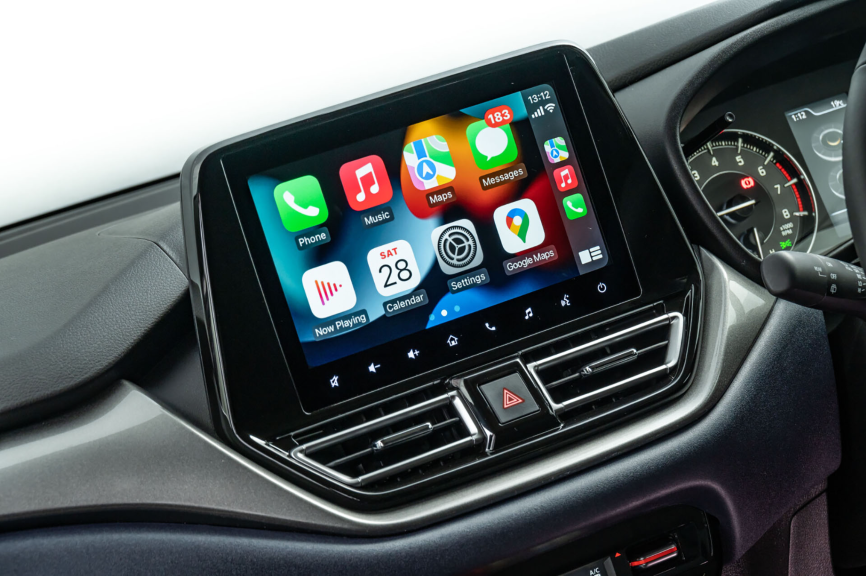
- Touchscreen infotainment: Xi and XS models come with a 7-inch touchscreen while XR gets fitted with a 9-inch unit, all with Apple CarPlay and Android Auto.
- Quality materials: Interior plastics are decent for the price point.
Common Problems
- Stone chips: Front bumper and bonnet are susceptible to stone damage on SA roads.
- Interior wear: Seat fabric can show wear on high-mileage examples; check bolsters carefully.
- Infotainment glitches: Occasional freezing or slow response reported; software updates usually resolve this.
- Limited sound insulation: Road and wind noise can be noticeable at highway speeds.
Running Costs (South Africa)
The Toyota Starlet is one of the most affordable vehicles to own and run in its segment. It's positioned as a budget-friendly option with predictable costs.
Factor | Starlet 1.5 Manual | Starlet 1.5 Automatic |
Real-world fuel economy | 5.8–6.2 L/100 km | 6.0–6.5 L/100 km |
Routine service cost | Low (covered under service plan) | Low (covered under service plan) |
Tyres (standard) | Affordable (R800–R1,200 per tyre) | Affordable (R800–R1,200 per tyre) |
Insurance | Low to moderate (affordable segment) | Low to moderate (affordable segment) |
Parts availability | Excellent via Toyota dealers | Excellent via Toyota dealers |
Service plan (2025 models) | 4 services / 60,000 km | 4 services / 60,000 km |
Warranty | 3 years / 100,000 km | 3 years / 100,000 km |
Cost of Ownership Verdict:
Very affordable and predictable. The Starlet offers excellent value for money with low running costs, making it ideal for budget-conscious buyers. Service plans cover routine maintenance, and parts are readily available through Toyota's extensive dealer network.
Reliability of the Toyota Starlet
The Starlet benefits from Suzuki's engineering and Toyota's quality control. Both the 1.4-litre and 1.5-litre engines have proven track records globally.
1.4-litre Models (2020–2022)
- Excellent reliability: The K14B engine is well-established with minimal reported failures.
- Simple mechanical design reduces potential issues.
- Most problems relate to wear items (brakes, tyres) rather than mechanical failures.
1.5-litre Models (2022–Present)
- Promising start: Early reports suggest the K15B engine is equally reliable.
- Too early for long-term data: Most examples in SA are still relatively low mileage.
- Electronic niggles: Minor sensor-related warnings reported, but not widespread.
South African Conditions
- Heat tolerance: The Starlet copes well with SA's hot climate.
- Fuel quality: The naturally aspirated engines are tolerant of varying fuel quality, though 95 octane is recommended.
- Service adherence critical: Regular maintenance at Toyota dealers ensures longevity.
Overall Reliability Verdict:
High. The Starlet is one of the most dependable vehicles in its segment, with few reported mechanical issues. Proper maintenance and adherence to service intervals will ensure a trouble-free ownership experience.
Toyota Recall Information
Takata Front Airbag Inflator Recall
Toyota South Africa has an ongoing recall campaign for Takata-produced front airbag inflators across multiple models. While the Starlet (being a recent model) is not commonly affected, buyers should verify recall status for any used Toyota:
- Issue: Moisture intrusion over time may increase internal pressure, causing the inflator to rupture. If rupture occurs, metal fragments could injure occupants.
- How to check: Visit Toyota South Africa's recall page, call the Toyota Call Centre (0800 139 111), or use the MyToyota app.
- Website: https://www.toyota.co.za/takatarecall
General car buying advice (South Africa)
- Full Toyota dealer service history: Essential for warranty validity and resale value.
- Check for six airbags: If buying pre-2026, confirm the vehicle has the updated six-airbag specification.
- Verify service plan: Check remaining services on the plan and confirm validity.
- Inspect for accident damage: Check panel gaps and paint quality. Starlets are often used as rental vehicles.
- Tyre condition: Budget tyres indicate cost-cutting; premium brands (Continental, Bridgestone) suggest proper maintenance.
- Test all electronics: Check infotainment, air conditioning, and all switches.
- Ownership type: Avoid ex-rental or high-mileage fleet vehicles if possible.
Test drive checklist
Critical Checkpoint | What to Do/Listen For |
Cold start | Listen for unusual rattles or rough idling. The engine should start smoothly. |
Transmission behaviour | Manual: Check clutch engagement is smooth. Auto: Ensure shifts are seamless and there's no slipping. |
Suspension | Listen for knocks or creaks over bumps. The ride should be comfortable. |
Brakes | Check for vibration, squealing, or pulling to one side. |
Electronics | Test the infotainment, air conditioning, windows, and all warning lights. |
Which Toyota Starlet is for me?
Buyer Profile | Recommended Model | Rationale |
First-time buyer/student | Starlet 1.5 Xi (Manual) | Most affordable, excellent fuel economy, and low running costs. |
Urban commuter | Starlet 1.5 XS (Auto) | Automatic transmission for traffic, touchscreen infotainment, and good value. |
Family/safety-conscious | Starlet 1.5 XR (2025+) | Top-spec features, six airbags standard, enhanced safety systems. |
Budget-conscious used buyer | 2022–2024 Starlet 1.5 XS | Better engine than 1.4, more affordable than new, and good reliability. |
How much should I pay in South Africa?
New Car Pricing (2026 Models):
- Starlet 1.5 Xi (Manual): R 271 000
- Starlet 1.5 XS (Manual): R 278 700
- Starlet 1.5 XS (Auto): R 300 900
- Starlet 1.5 XR (Manual): R 310 700
- Starlet 1.5 XR (Auto): R 330 900
Used Car Pricing (based on May 2026 market trends):
- 2020–2021 Starlet 1.4 models: R180,000 – R220,000 (depending on mileage and condition)
- 2022–2023 Starlet 1.5 models: R230,000 – R270,000
- 2024 Starlet 1.5 models: R260,000 – R290,000
- 2025 Starlet 1.5 models (six airbags): R280,000 – R320,000
Prices vary based on:
- Mileage (lower is better; under 50,000 km commands premium)
- Service history (full Toyota dealer history essential)
- Condition (accident-free with good paint and interior)
- Specification (XR models with automatic transmission cost more)
Our Verdict: Which Toyota Starlet should you buy?
For most South African buyers, the sweet spot is the 2025 Starlet 1.5 XS (Auto) with the six-airbag safety update.
Why this one?
- Safety first: Six airbags provide significantly better occupant protection than earlier two-airbag models.
- Convenience: Automatic transmission is ideal for city traffic and daily commuting.
- Features: Touchscreen infotainment with Apple CarPlay and Android Auto, rear parking sensors, and alloy wheels.
- Value: XS offers the best balance of features and affordability; you're not paying for XR's premium items you may not need.
- Fuel economy: Still achieves excellent consumption figures (5.7 L/100 km claimed, 6.0–6.5 L/100 km real-world).
- Resale value: Toyota's strong brand and dealer network ensure good resale prospects.
Alternatives to consider:
Budget-conscious: Starlet 1.5 Xi (Manual) if you want the absolute lowest purchase and running costs.
Used bargain hunters: 2022–2023 Starlet 1.5 XS with low mileage offers excellent value, but verify the safety specifications.
Top-spec buyers: Starlet 1.5 XR (Auto) if you want all the bells and whistles, including LED headlights and premium finishes.
Final Tip:
A clean, accident-free Starlet with full Toyota dealer service history is worth paying more for than a cheaper example with questionable maintenance. With budget cars, cutting corners on the purchase almost always costs more in repairs and depreciation later. Insist on seeing the service book and verify the VIN matches all documentation.
The Toyota Starlet offers exceptional value for money in the South African market, is reliable and affordable, and is backed by Toyota's excellent dealer network. Choose the right specification for your needs, and you'll enjoy years of trouble-free motoring.