


2015 Diesel
Since the update in 2018, diesel engines are no longer being sold in new models. However, diesel-powered Ford Figos can still be found on the used car market in older models.
The previous diesel models were powered by a 1.5-litre Duratorq TDCi engine that developed maximum power of 74 kW and an outstanding 215 Nm of maximum torque. The engine was tuned to provide peak torque at just 1750 r/min. This engine was also designed for responsive performance that is matched with frugal consumption. The 1.5 diesel had a claimed average fuel consumption rating of 4.9L/100km.
2015 Petrol
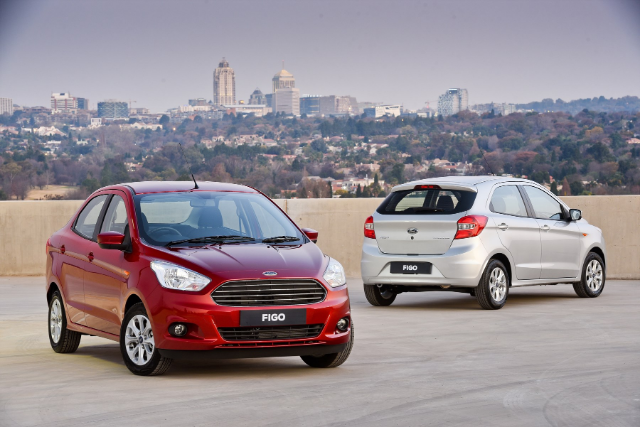
Prior to the 2018 update, when the Figo was updated in 2015 it was available with two responsive, reliable and economical engines, of which was the 1.5-litre four-cylinder petrol option. This unit produced maximum power of 82 kW and maximum torque of 136 Nm. The 1.5 petrol had a claimed average fuel consumption rating of 5.6L/100km on a combined cycle.
2018 Petrol
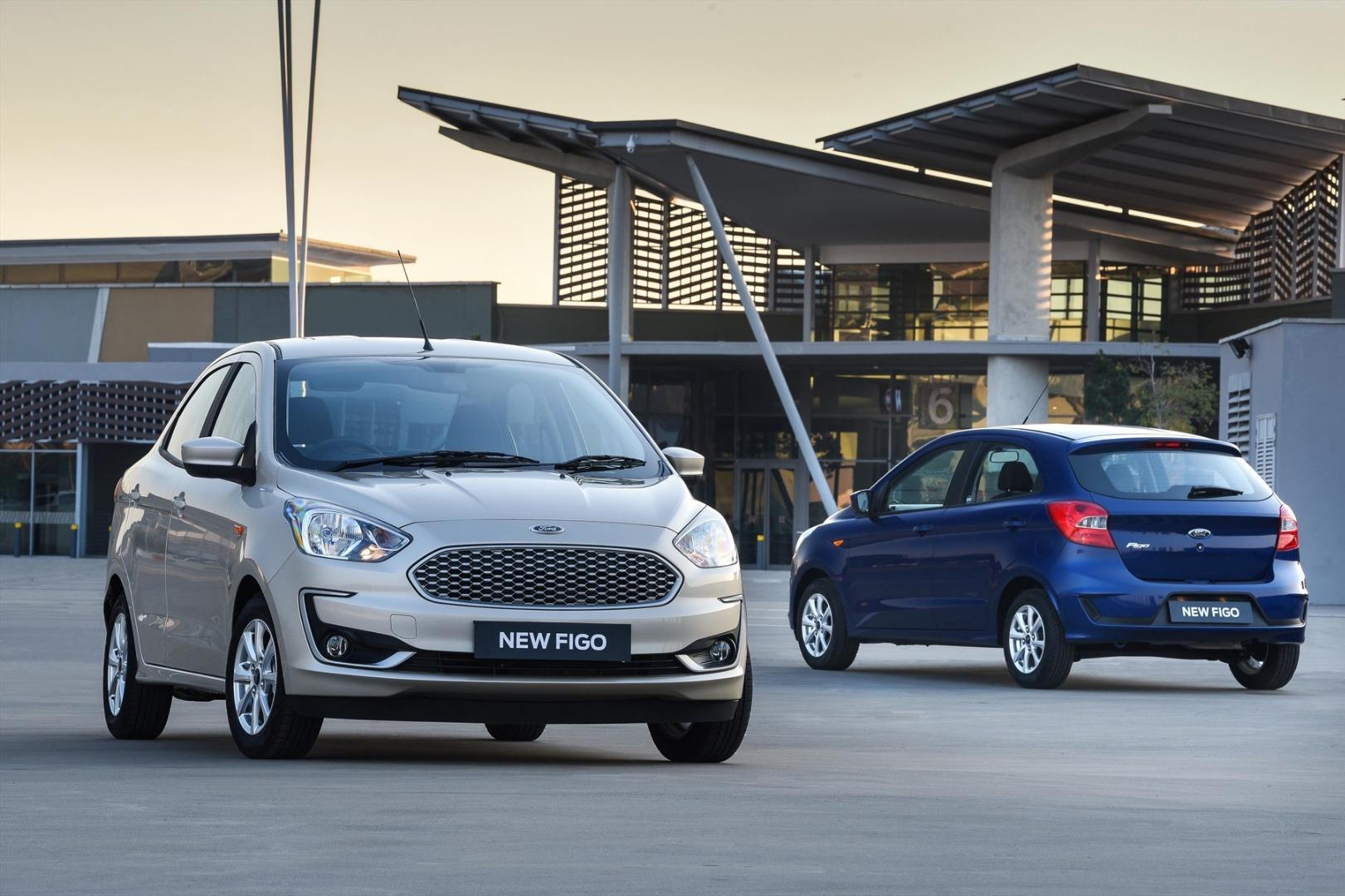
One of the key features of the new Figo range is the all-new 1.5-litre three-cylinder petrol engine that powers the entire line-up. This advanced latest-generation unit is powerful, efficient and clean, and uses an aluminium engine block and cylinder head for reduced weight.
It also relies on twin independent variable camshaft timing (TiVCT) for the four-valves-per-cylinder engine to deliver improved low-down torque as well as top-end power. The fitment of a dual-stage variable oil pump further enhances efficiency, while reducing fuel consumption and emissions.
The 1.5 TiVCT engine is credited with a maximum power output of 88 kW and peak torque of 150 Nm for great all-round driving dynamics, impressive fuel economy and low running costs. Claimed fuel economy is rated between 5.7 - 6.5L/100km.
Verdict
We can’t tell you which engine is right for you, that comes down to you. You can best decide by first looking at your budget and calculating the monthly fuel and repayment costs. Combine these factors with the amount of mileage you intend covering along with the period of time you plan on keeping the car for. Then you can see which option makes the most financial sense.
Typically, diesels have loads of pulling power (aka torque) which is ideal for towing, be it caravans, trailers or horse boxes. Diesel engines also run better at constant speeds, so if the majority of your time is spent on the motorway then diesel definitely makes more sense. It's always good to keep in mind though, that real-world fuel economy figures depend on the driving behaviour of its owner/user.
However, we would go with a petrol engine because they offer good performance as it has a clean pull and a strong mid-range, typical of its engines, making for easy commutes. Diesel engines are beginning to get phased out globally because of their harmful emissions. Also, petrol engines sound sufficiently smoother and quieter which make them a whole lot easier to live with.
Recommended: Is the Ford Figo good for families?