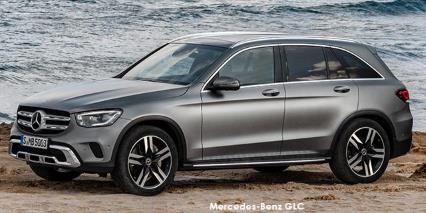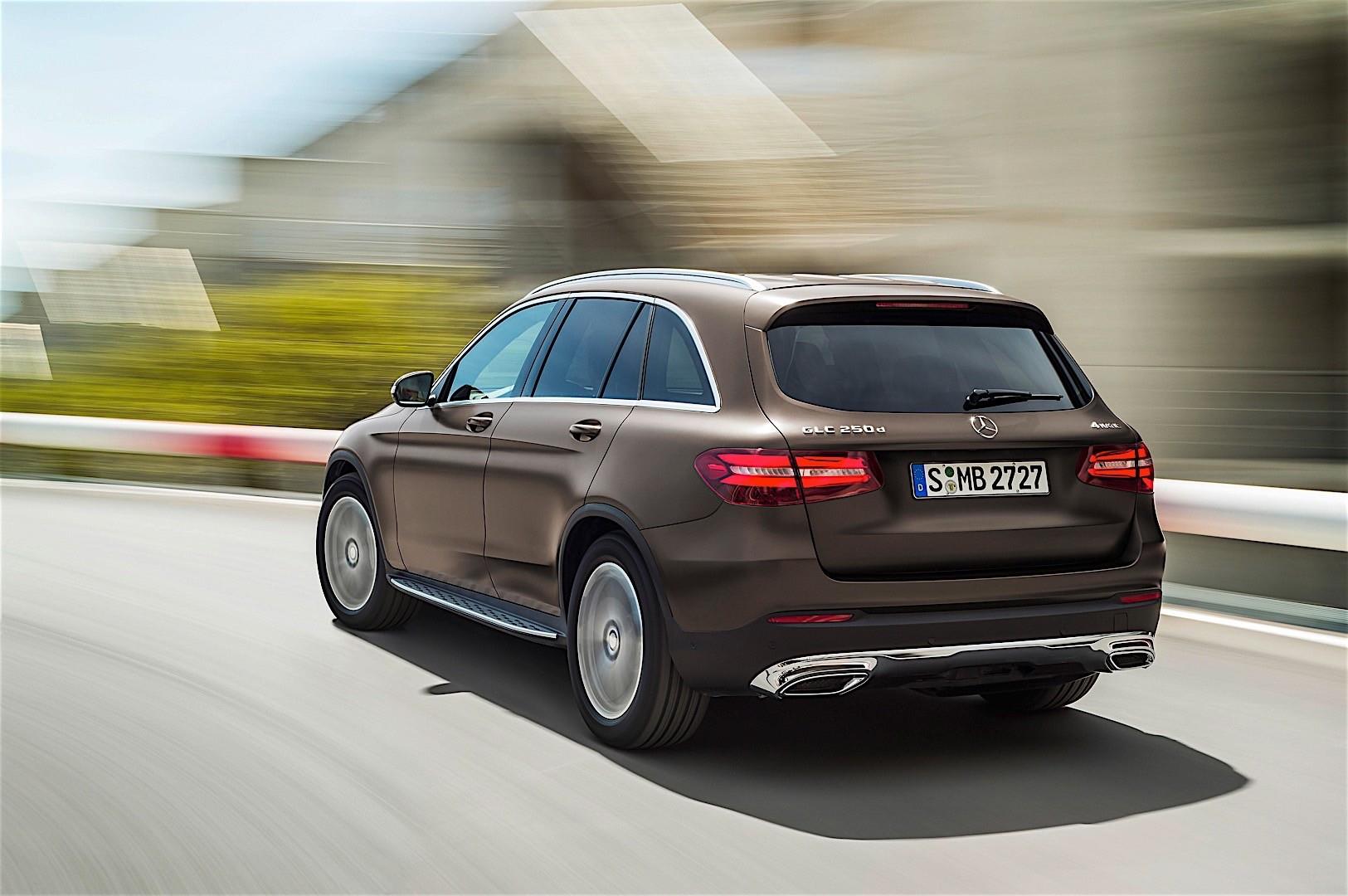

The current-generation GLC enjoyed a facelift in the middle of 2019. The C-Class based GLC remains one of the brand's top sellers, and with only two four-cylinder diesels and one four-cylinder petrol on offer, it's clear that diesel is here to stay for a while, at least. The fully-electric Mercedes-Benz EQC is also on its way in 2022, but it will be significantly more expensive than what's currently on offer in the Mercedes-Benz GLC line-up.

Efficiency is not just about low fuel consumption; it usually means a good balance between power and fuel usage. Take a look at the GLC engine table below with specifications for each:
| GLC 220d | GLC 300d | GLC 300 | |
|
Vehicle weight
|
1845 kg | 1845 kg | 1735 kg |
|
Engine
|
2.0-litre turbodiesel |
2.0-litre turbodiesel | 2.0-litre petrol with a mild-hybrid system |
|
Output
|
143 kW / 400 Nm | 180 kW / 500 Nm | 190kW +10 kW / 270 Nm |
|
Fuel consumption
|
5.4 l/100km | 5.9 l/100 km | 7.4l/100 km |
|
0-100 km/h
|
7.9 sec | 6.5 sec | 7.4 sec |
| Range per tank (estimated) | 1222 km | 1119 km |
892 km
|
*Please note that these are manufacturer's figures, and not based on real-life driving conditions.

Verdict
From our table above it's clear to see that the GLC 300d offers the best combination of power and efficiency. It's only 0.3 seconds slower than the top-tier GLC 300 to the 100 km / hour mark. As for range, it's only marginally shorter than the entry-level GLC 220d.
If money is a concern, however, the GLC 220d is not too slow nor is it thirsty. If you're counting pennies, this is the engine to choose.
Visit the Mercedes-Benz SA GLC microsite here, for the lates prices.