


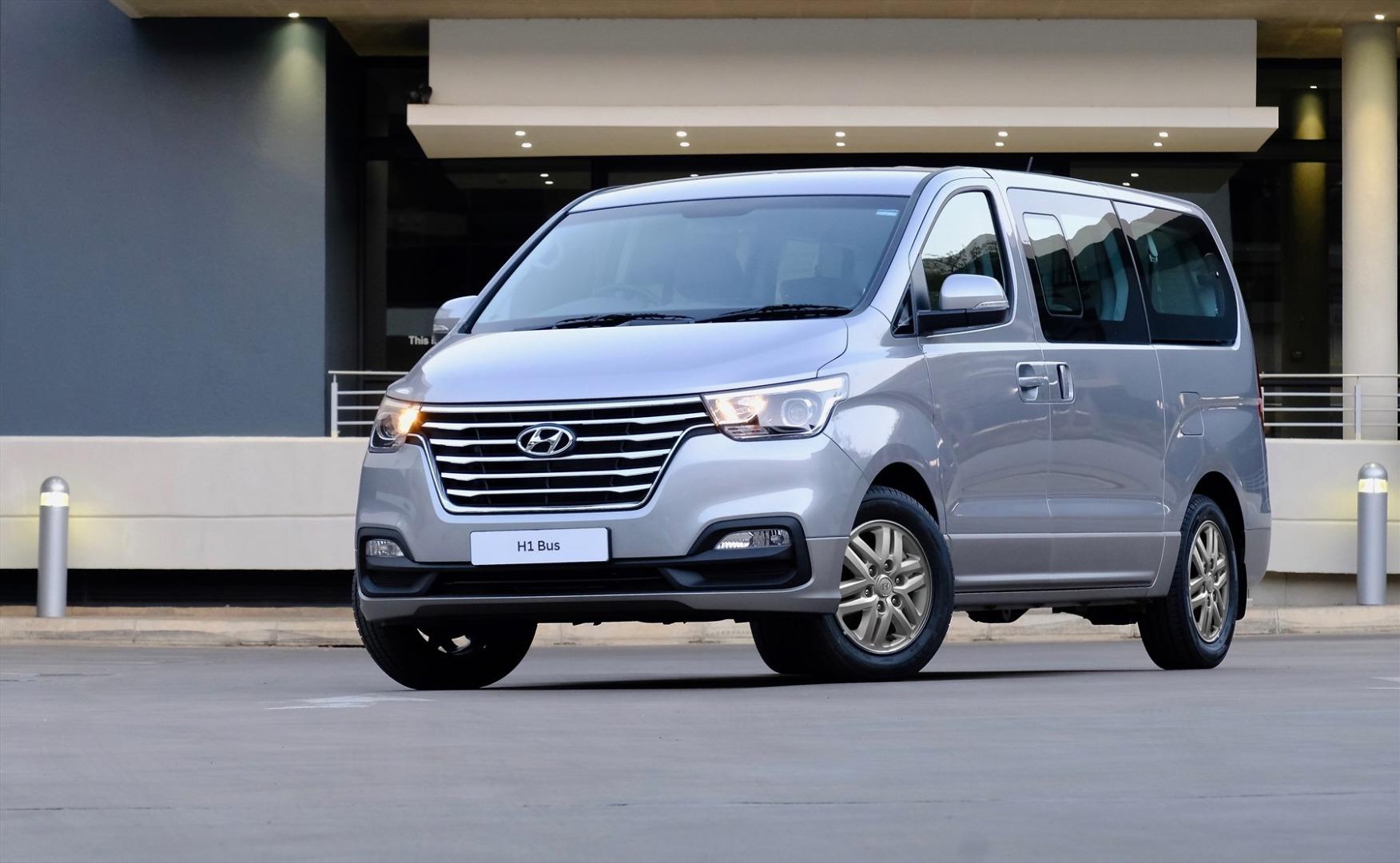

Petrol
There is only one petrol engine available in the range. A four-cylinder, 2 359 cc petrol engine powers the H-1 bus and delivers maximum power of 126 kW at 6000 rpm and maximum torque of 224 Nm at 4200 rpm through a 5-speed manual gearbox to the rear wheels. It reaches a top speed of 178 km/h.
It has a Returnless Multi-point electronic fuel injection fuel system with a 75l fuel tank. Fuel consumption (European testing) on a combined cycle is rated at 10.2l/100 km and CO2 emissions of 240 g/km.
Acceleration time for the petrol engine:
- 0 – 100 km/h: 17,1 seconds
- 60 – 100 km/h: 17,2 seconds
Braking:
- 50 – 0 km/h: 13,8 m
- 100 – 0 km/h: 44,6 m
RELATED: Which Hyundai H-1 is better – petrol or diesel?

Diesel
There is only one diesel engine available in the range and is the more efficient option. If you opt for a diesel, there’s a four-cylinder, 2 497 cc turbocharged diesel engine that delivers maximum power of 125 kW at 3600 rpm and a healthy maximum torque of 441 Nm from 2000-2250 rpm. The 2.5-litre turbodiesel uses a 5-speed automatic gearbox and is also driven through the rear wheels. It reaches a top speed of 180 km/h.
It has an Electronic Common Rail fuel system with a 75l fuel tank. Fuel consumption (European testing) on a combined cycle is rated at 9.8l/100 km and CO2 emissions of 257 g/km.
Acceleration time for the diesel engine:
- 0 – 100 km/h: 14,4 seconds
- 60 – 100 km/h: 8,4 seconds
Braking:
- 50 – 0 km/h: 13,8 m
- 100 – 0 km/h: 44,6 m
Adding to its appeal in a working application is the 1 500 kg towing capacity of the turbodiesel derivatives.
REVIEW: Hyundai H-1 Elite Bus Diesel – Just Hop on the Bus, Gus!
