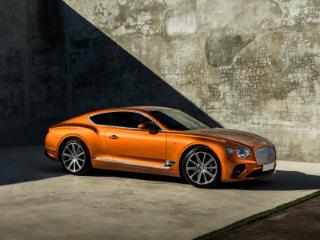
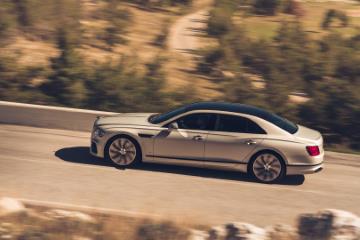
We compared Bentley Continental GT engines, and the efficiency crown goes to…
The latest Continental showcases the very best GT-car attributes that Bentley can engineer into one of its products, with pace, style, luxury, and comfort in spades. Let us discover which Continental engine option is most efficient.

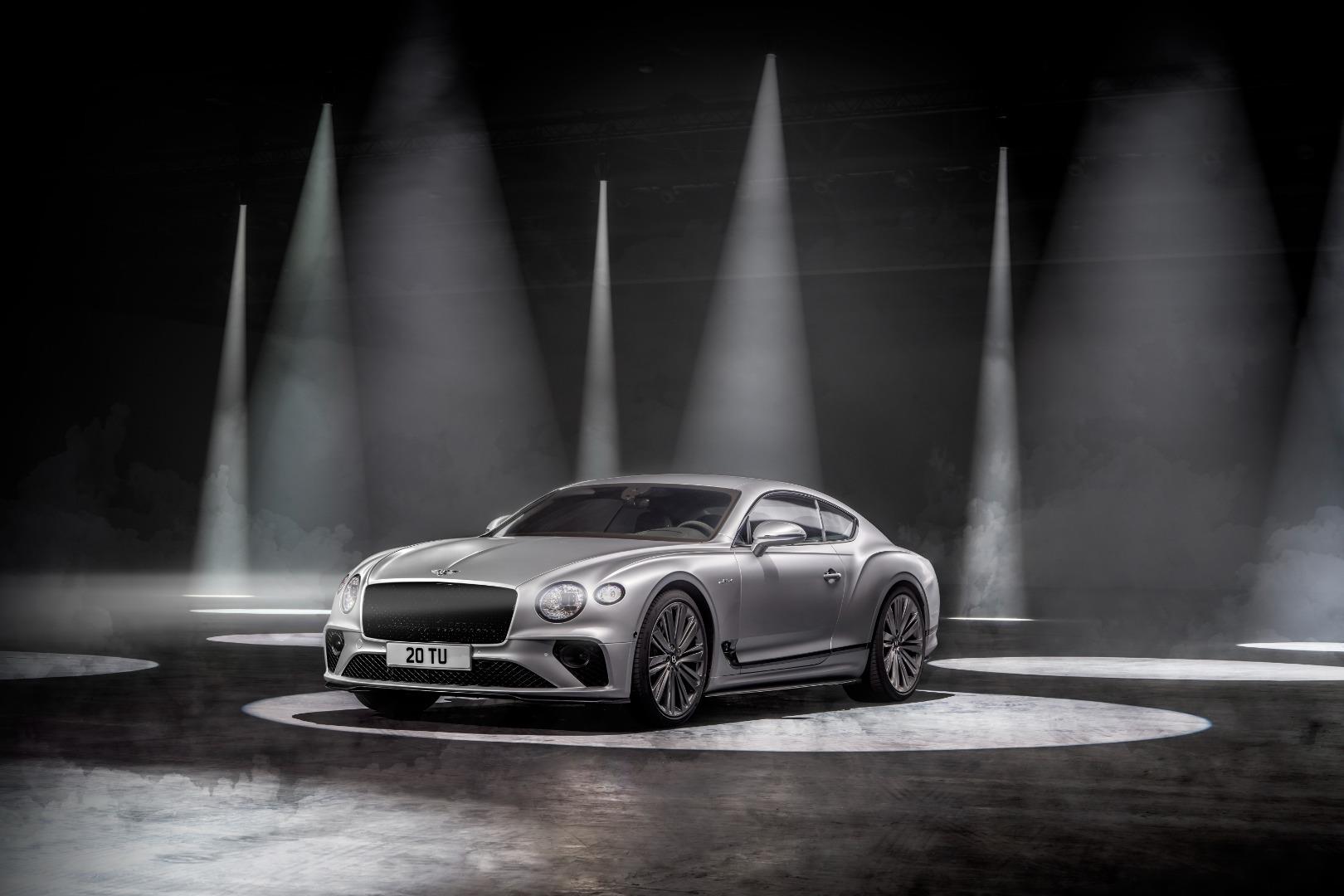
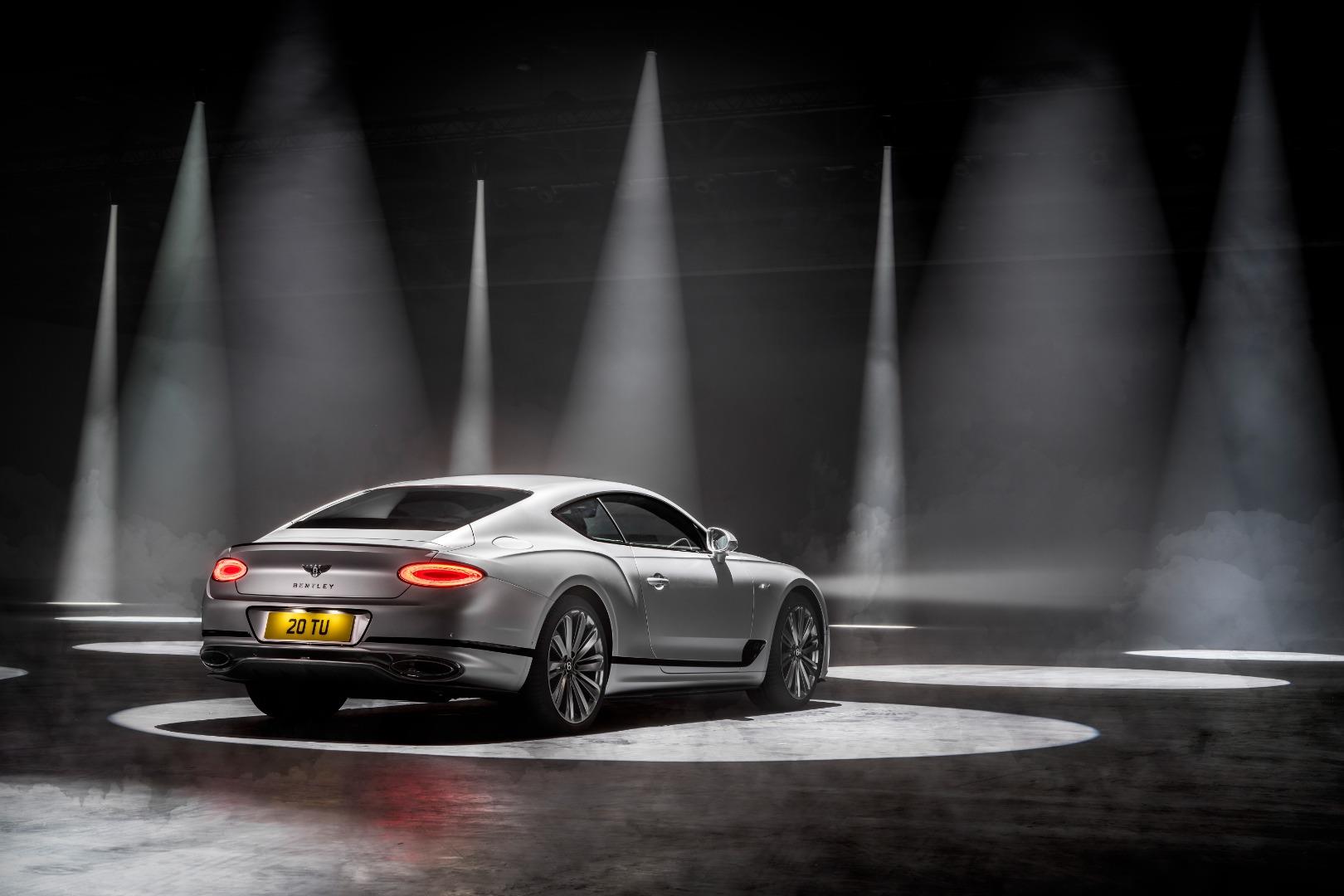

Now in its third generation, the Bentley Continental GT continues to provide a package that features both German precision and performance with a hand-built bespoke feel that one expects from a Bentley. The GT is built in Bentley’s Crewe-based factory in England but is based on the Volkswagen Groups’ MSB platform which it shares with the likes of the Porsche Panamera, a product that also shares its gearbox and V8 engine.
In today’s article, we compare the two engines available in the Continental GT range, the aforementioned twin-turbo V8, but also the unique W12 engine available in the Speed models. There are six Continental GT derivatives available locally, but only two powertrain options, so we have selected the V8 coupe and Speed coupe to make the comparison fair.
Bentley Continental GT V8 coupe
Outputs: 404 kW and 770 Nm
Claimed Average Consumption: 11.8 L/100 km
Kerb weight: 2 165kg
The 4.0-litre twin-turbocharged engine in the V8 Continental GT is a powerful and technologically advanced unit, allowing the V8 coupe to get to 100km/h from a standstill in just 4.0 seconds and on to a top speed of 318 km/h. Fuel consumption is respectable too, with a claimed figure of 11.8 L/100km.
Bentley Continental GT Speed coupe
Outputs: 485 kW and 900 Nm
Claimed Average Consumption: 16.6 L/100 km
Kerb weight: 2 244kg
The 6.0-litre W12 engine in the Continental GT Speed is a monster, producing a massive amount of power and torque, all of which is sent to all four wheels by the same 8-speed dual-clutch automatic gearbox as seen in the V8. Performance is mega, with a 0-100km/h time of 3.6 seconds and a top speed of 335km/h, however, fuel economy suffers, with a claimed figure of 16.6 L./100km.
Verdict
Looking at the figures, the V8 model is far more fuel-efficient than the W12 model which displaces a full 2.0-litres more capacity and is 79kg heavier, resulting in a claimed fuel consumption figure that is 4.8 L/100km more than in the V8.